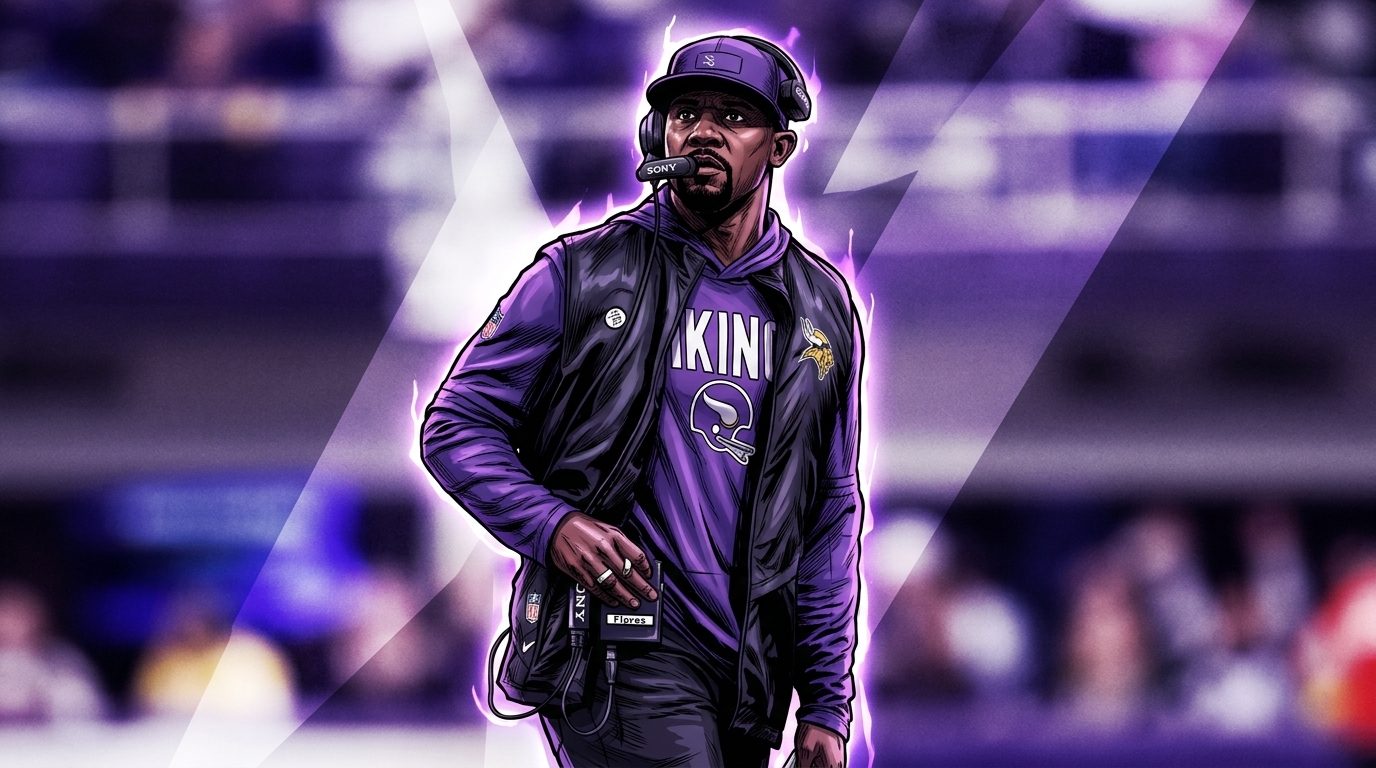

Antonio Brown was staring down a mandatory 20-year minimum, and the deal he’s about to accept lets him walk out of a courtroom with probation and no felony on his record, and I need everyone to sit with why that happened before anyone calls it justice working. It didn’t work. It got tired. Prosecutors charged Brown with second-degree attempted murder after a May 2025 shooting outside an Adin Ross celebrity boxing event in Miami’s Little Haiti, a charge that under Florida law carries up to 30 years and a mandatory floor of 20. Brown is now set to plead no contest at a September 30 hearing to aggravated assault, with adjudication withheld, meaning he avoids prison and avoids a felony conviction entirely.
I’ve spent enough time reading about how prosecutors actually use mandatory minimums to know they exist for exactly one reason: leverage. They’re supposed to be the thing that makes a defendant sweat, the number hanging over every plea negotiation. In Brown’s case, the leverage evaporated the moment the person on the other end of the gun decided he didn’t want to keep showing up for it.
CBS Sports’ reporting lays out what happened: police video showed Brown punching a man outside the event, then taking a security officer’s firearm and running toward him. Two shots were fired. The man, Zul-Qarnain Kwame Nantambu, told police a bullet may have grazed his neck. He was hospitalized. Brown’s attorney has since claimed his client used his own personal weapon and wasn’t aiming at anyone, which is Brown’s side of it and not an established fact, but even by that telling, someone fired a gun at another human being outside a boxing event and that person ended up in a hospital.
That’s the part I won’t joke about, and neither should you. A man got shot at outside a boxing event, and that’s the entire reason this case carried a 20-year floor in the first place.
That charge became probation because Nantambu announced this month he’d stop participating in the prosecution. His attorney said Nantambu had “forgiven” Brown and that the plea deal accomplished “the ends of justice.” Maybe that’s sincere. Forgiveness is real and it’s his to give. But forgiveness from the one witness with the most at stake is also the only thing standing between Antonio Brown and a decades-long sentence, and that should bother you regardless of how you feel about Brown personally.
Brown’s own attorney, Mark Eiglarsh, basically admitted the math out loud. He called it “not an easy decision,” then explained why it obviously wasn’t a decision at all: “when prosecutors put an offer on the table that transforms a potential decades-long prison sentence into a significantly reduced charge and probation, there was simply no way he could reasonably turn it down.” He added that “no one in their right mind will continue with litigation” once that offer’s on the table. He’s not wrong, and that’s the whole damn problem. The offer only got made because the prosecution’s entire case depended on a private citizen with no security detail, no legal team on retainer, and no incentive to spend years fighting a man with Brown’s name recognition and Brown’s lawyers.
That’s the layer that gets lost every time a story like this gets filed under “athlete gets off easy.” This isn’t really about Brown getting forgiven so much as it’s a live demonstration of what the word “mandatory” is worth once the case runs into somebody who’d rather not carry it anymore. Most people facing an identical charge don’t get an accuser who walks away, because most people accused of firing a gun at someone aren’t a nationally recognizable athlete whose case comes with cameras, extradition proceedings, and defense attorneys who negotiate for a living. Brown was extradited from Dubai for this, released on $25,000 bail with a GPS monitor, and made to surrender his passport. All of that theater, and it still ends with him walking clean because the one person he allegedly fired a gun at decided the fight wasn’t his to keep having.
This is not an isolated pattern. Earlier this year, an owner getting arrested and writing a check passed for consequences in this league, and Brown himself spent part of the season mocking an injured Caleb Williams with a slur without losing a step. Power in this sport doesn’t get held to a damn thing. It gets a negotiation, and it wins that negotiation almost every time.
NBC News framed the news plainly when it broke:
https://twitter.com/NBCNews/status/2102880754086588712
Plain is right. There’s no twist coming, no late reveal — just a man who was looking at 20 years now looking at none, and a system that only ever needed one tired witness to prove it was never as mandatory as it claimed.
My brother works in Trenton city government, and the one thing he’s taught me about how rules actually function is that a mandate on paper means nothing without someone willing to enforce it against the person it was written for. Swap “budget line” for “attempted murder charge” and you’ve got this case. The law had teeth. Nantambu just ran out of reasons to make it bite.
Brown is set to walk into that September 30 hearing a free man with a clean record on paper. Nobody forced that outcome. Everybody just got tired at the same time the leverage disappeared.