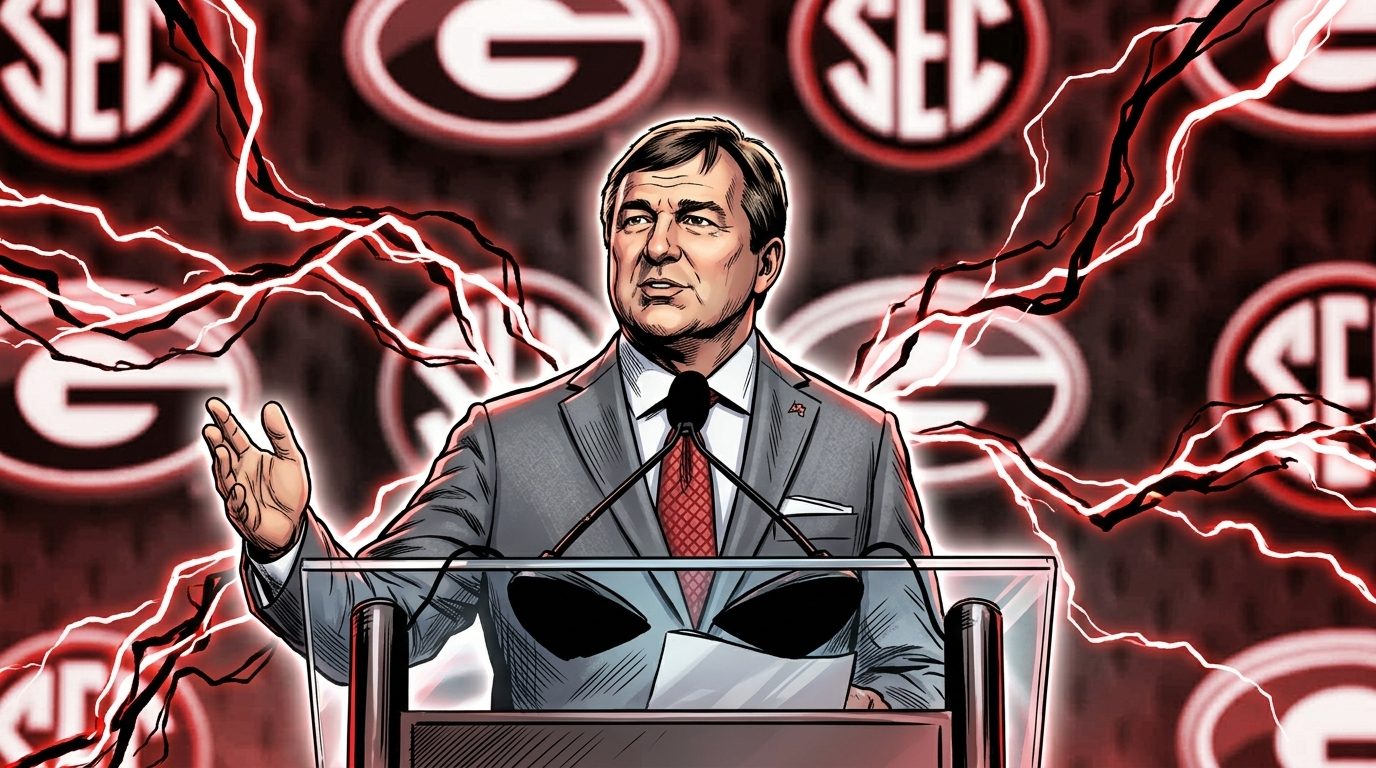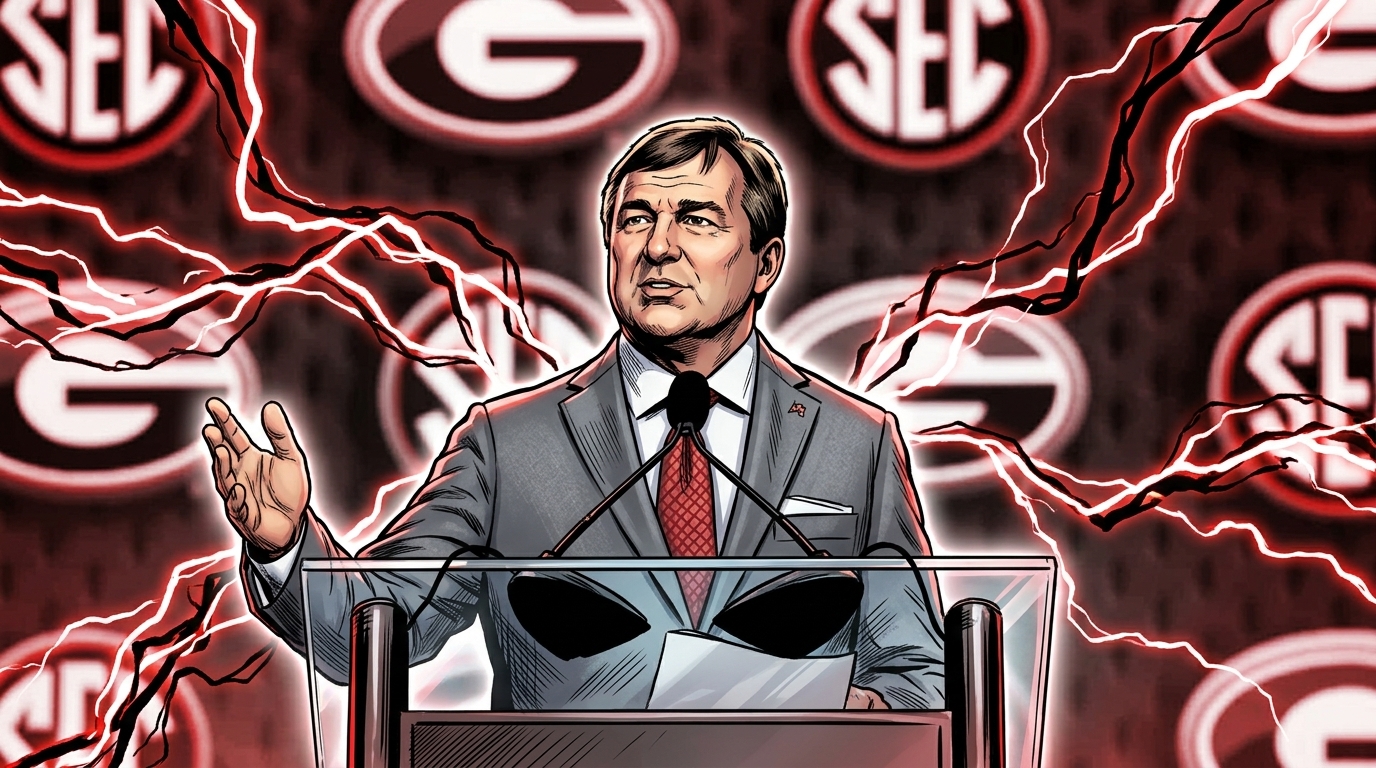

Georgia beat Tennessee State by sixty points on September 5th, a final score that exists mostly so beat writers can invent new synonyms for “lopsided”; the Georgia Bulldogs were comfortably ahead by halftime and spent the fourth quarter running out the clock against a Football Championship Subdivision program that had no business sharing a field with them. That wasn’t the weekend’s most one-sided transaction. The most one-sided transaction happened afterward: Georgia took the cheapest footage college football has to offer, blowout highlights filmed on a camera the athletic department already owns, against an opponent nobody outside Athens could name, and decided the correct move was to sell it back to the same fans who’d paid for the tickets, the parking, and the concessions. A program can apparently win by sixty and still find a way to make its own supporters feel like marks. Georgia proved it in under a week.
The mechanism is Glory Glory Georgia, the athletic department’s NIL collective platform, which posted the official “Victory Highlights” recap from the Tennessee State game and then locked the good stuff behind a subscription. The $20 Glory Glory Georgia subscription is pitched as fan participation: buy in, and you’re funding the NIL collective that pays Georgia’s players, the same infrastructure that’s supposed to keep programs from underpaying the kids who generate the revenue in the first place. It isn’t a one-time fee; it’s a subscription, recurring, the kind that renews quietly on a credit card statement until someone notices eighteen months later and feels a specific kind of shame. Programs monetize fandom a hundred different ways now, and a subscription tier for exclusive content is not, on its own, a crime against sports.
None of that would sting if the highlights were actually rare. They weren’t. Georgia’s highlight reel was never actually scarce: ESPN’s college football channel posted its own eighteen-minute cut of the same game and topped 500,000 views before Georgia’s paywall had finished loading; the SEC’s own channel put up a free twenty-minute version within hours. Georgia didn’t wall off some exclusive angle or a coaches’-only breakdown. It walled off footage two other outlets were already giving away, for the price of nothing, to anyone with a phone. It’s monetizing loyalty instead of scarcity, and it isn’t subtle. Loyalty, extracted like this, is a toll booth on a road that’s already free three lanes over.
The backlash arrived fast, and it stayed specific. In replies to Georgia Football’s own promotional post, one fan wrote, “Putting the victory highlights behind a paywall isn’t cool. The fans pay for more than enough.” Another connected it to a longer pattern: “Rising ticket costs. Rising tuition costs. Donate more. Give more. Buy more. More more more. When is it enough?” A third, as Yahoo Sports reported, did the math nobody at Glory Glory Georgia seems to have run before hitting publish: “You paid $320 for your family of 4 to attend the game…you go to watch the post game recap…but it is behind a pay wall.”
That backlash spilled onto the timeline fast too:
https://twitter.com/bkoo/status/2097334916379742363
Georgia’s not alone in building a subscription tier off game-day content; Heavy.com notes the setup mirrors Auburn’s existing model, and the SEC will keep finding new places to put a credit card field. There’s a version of NIL fundraising that’s defensible: money meant to stop something like the NIL system doing damage to a teenager, not get funded off the backs of the same people who already bought season tickets. There’s also the version Georgia ran this week, a $20-a-month bet that Bulldogs fans will pay twice for something ESPN already handed out free. Judging by the replies, that bet is losing.
The final score was 63-3. The only number anyone in Athens seemed to mind by Monday was the twenty — and if you want more of the sport doing this to itself, the rest of our college football coverage is not going anywhere near a paywall.