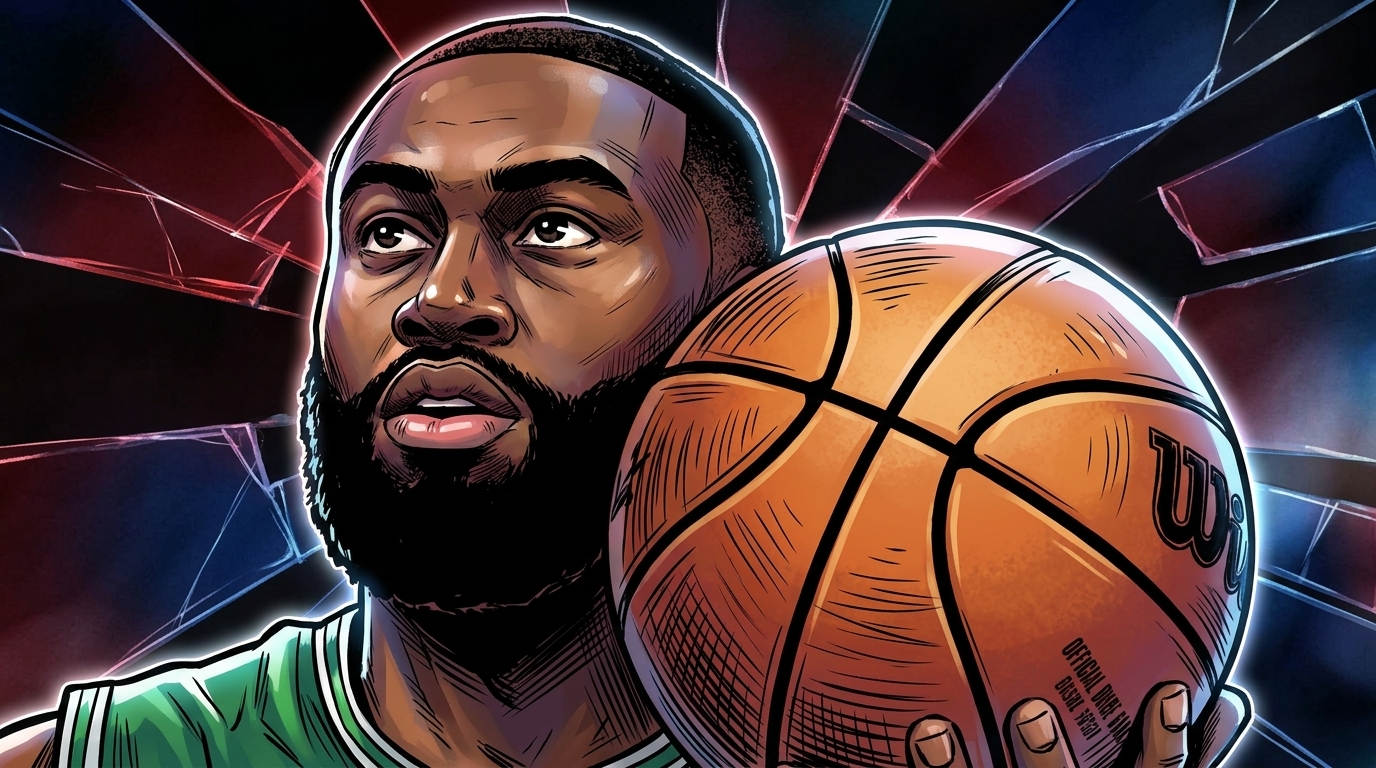

We’ve heard plenty of NBA stars talk about giving back to where they came from. Fewer of them can back it up with a bank statement. Jaylen Brown can back it up with two, in two different cities, and this week he explained exactly what usually stops the rest of them from trying.
What Jaylen Brown Actually Said About NBA Handlers
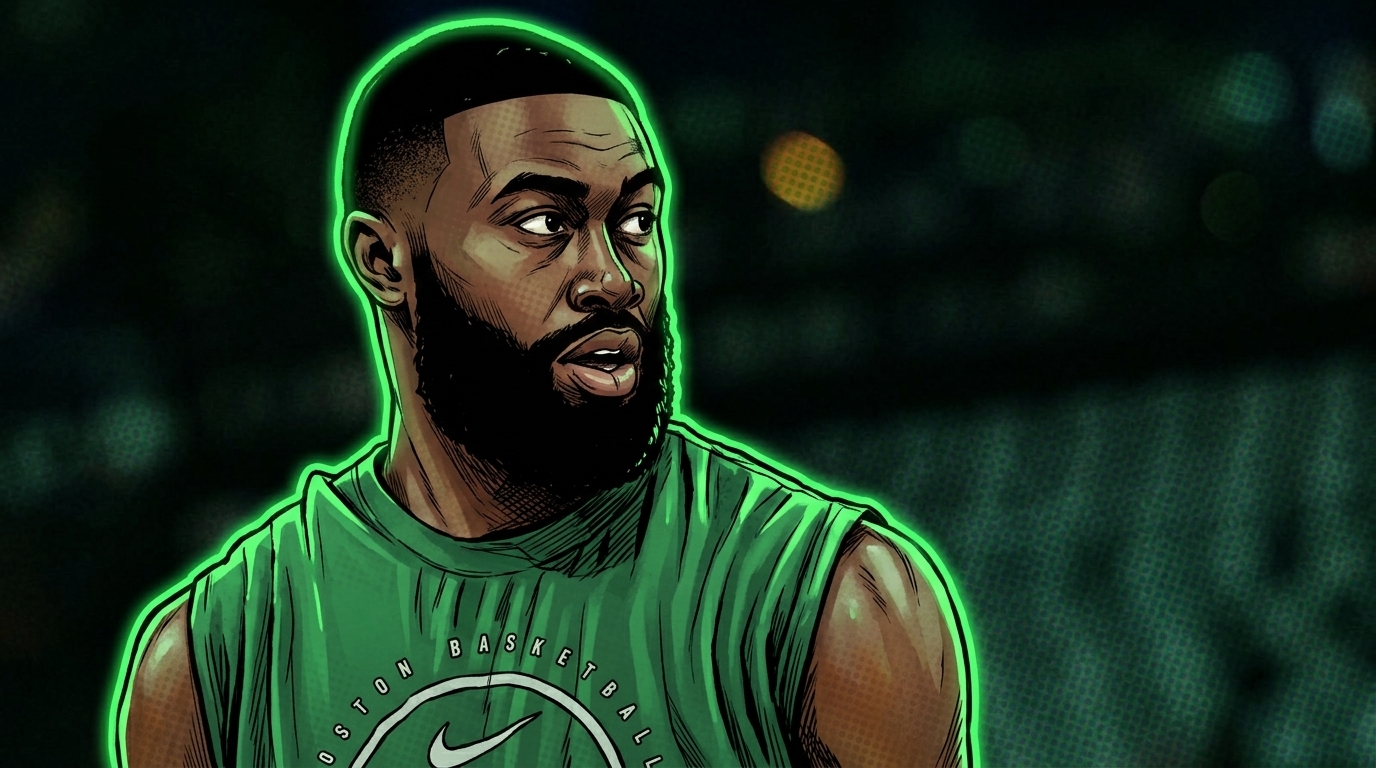
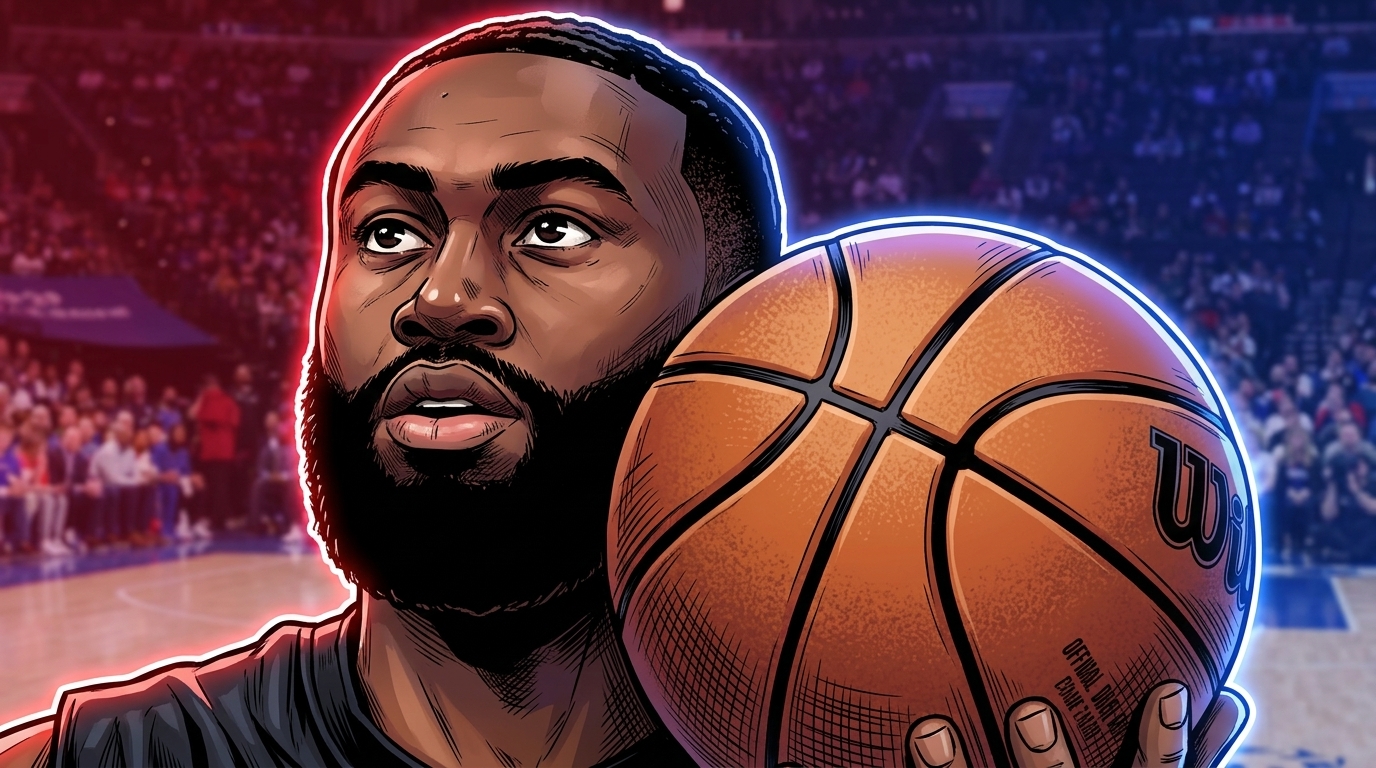
Brown’s argument, boiled down: the agents, advisors, and money managers who surround NBA stars have no financial upside in a player investing at home, so they steer him away from it. He told Yahoo Sports that “the people that are representing, or the people that are around some of our most instrumental players are steering them away” from helping the communities they came from, “because there’s no benefit for these people that are representing.” That’s an accusation aimed squarely at the room around the player, not at the league office. Brown said all of this as a new Philadelphia 76ers wing, not a Celtic. The trade that sent him out of Boston closed on July 1, 2026.
The backlash started almost as soon as he opened his mouth about it the first time. “They label me like they said I had a disease,” Brown said, describing how media companies came after him “simply because you want to create change in your community.” Earlier this year, a national sports-talk segment described athletes’ community-investment pushes using almost that exact word, framing the whole thing as a distraction dressed up as purpose. Brown never referenced that segment by name in this interview, and neither will we, but the echo isn’t subtle. NBA fans who pay attention to sports media can probably guess which corners of it he’s picturing without a name attached (part of why he doesn’t need to say it out loud).
The clip that’s been making the rounds since the interview dropped captures the tone better than any paraphrase:
https://twitter.com/Thechat101/status/2094268768813732254
It plays less like a grievance and more like an explainer, a guy walking a stranger through a system he says he’s already found a way around. Twice.
Why Boston XChange Backs Up the Claim
Brown’s first workaround was Boston XChange, a nonprofit he launched in August 2024 aiming to generate $5 billion in new wealth for underrepresented communities through business incubation, real estate, and grant funding. He didn’t just lend his name to it. “We contributed 1 million dollars,” he said at the time, tying the seed money directly to the five-year, $304 million supermax extension he’d signed with the Boston Celtics the year before.
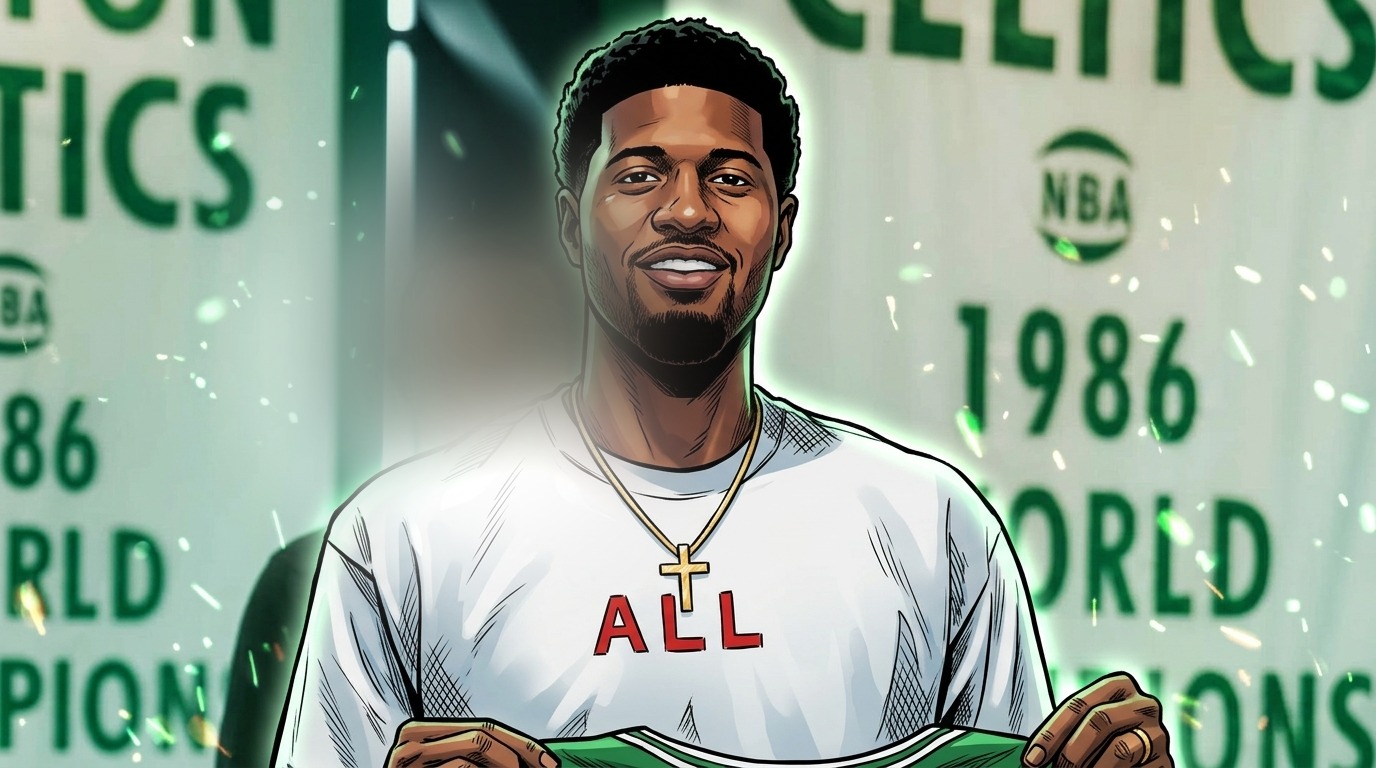
That contract is worth sitting with for a second, because Brown doesn’t play for Boston anymore. The 76ers acquired him on July 1, 2026, sending Paul George and four draft picks the other way. Just under two months after the deal closed, he was still tying up loose ends in his old city: a farewell block party on August 30, where the city handed him a key to Boston and Mayor Michelle Wu gave him his own honorary street sign. (Nobody’s office has ever specified what those keys actually open, which is either the whole point of the tradition or a small hole in it, depending on your mood.)
Oakland XChange Wasn’t a One-Time Thing
If the handlers quote made headlines this week, Oakland XChange did not. It’s been running since August 2024, one week after Boston XChange, out of a building called Oakstop in downtown Oakland. Brown built it with Jason Kidd, a fellow Cal alum, and both men have real ties to the city (Brown calls it his second home, Kidd grew up there, and it shows in how specifically they talk about it instead of treating it like a backdrop). “It’s not about starting anything new,” Brown said at the launch. “There are a lot of great things already going on in Oakland.” Kidd put it more bluntly: “We can also win championships off the floor. And I am here to support that.”
Oakland XChange funds business incubators, artist and musician programs, and real estate acquisition downtown, built around the idea that Black-owned businesses there are, in ABC7’s phrase, over-mentored and underfunded. The accelerator model in both cities offers entrepreneurs up to $100,000 in grant money over three years, plus workspace and services worth six figures more (generous, until you remember what a single max contract is worth these days). Brown has never put a combined number on what he and Kidd have poured into both programs together. His own figure is the $1 million tied specifically to Boston. Everything past that gets described only as “millions,” which is vague on purpose and probably smart, given how fast a specific number becomes the whole story.
What Changes Now That Brown Plays for Philadelphia
None of this answers the obvious follow-up: does the model travel? Boston and Oakland both work because Brown had real biography to build on, hometown roots, Cal ties, a supermax check with a Celtics logo on it. Philadelphia doesn’t have any of that built in yet, and it’s a different market anyway, one with its own deeply entrenched philanthropic infrastructure and a fan base that tends to measure loyalty in decades rather than accelerator cycles. He’s two months into the trade, still finishing the goodbye tour in the city he left, and there’s no XChange on the board with a Sixers address.
I think that’s less a knock on Brown than a sign of how deliberate this whole project actually is. He didn’t build two accelerators in five years by rushing a third into a city he’d barely unpacked boxes in. I spent two years compiling scouting notes for TV analysts who never once credited the work, so I’ve got a built-in skepticism toward anyone paid to have opinions about players they’ve never actually sat with. Brown’s specific complaint, that the people around a star have no incentive to encourage him to give back, matches how that ecosystem tends to actually run.
What’s worth watching is the timeline. Boston to Oakland took him one calendar week. Boston to Philadelphia has already taken two months and counting. Whatever he builds there, if he builds there, will say more about whether this is really about the model or about the specific cities he happens to love. For more on how stars are spending supermax money away from the arena, the rest of our NBA coverage has you covered. Either way, Brown remains the rare player in this conversation who doesn’t need anyone to take his word for it. He’s got the paperwork.