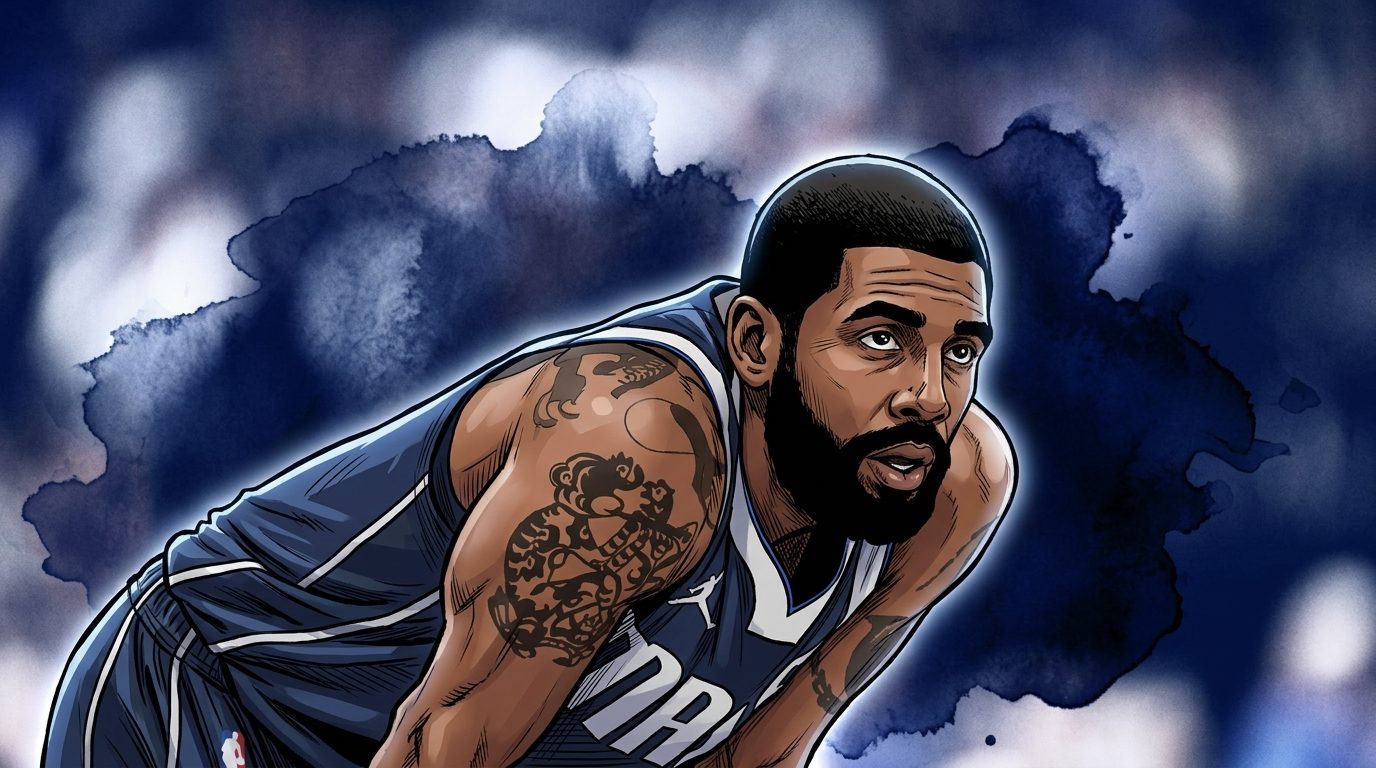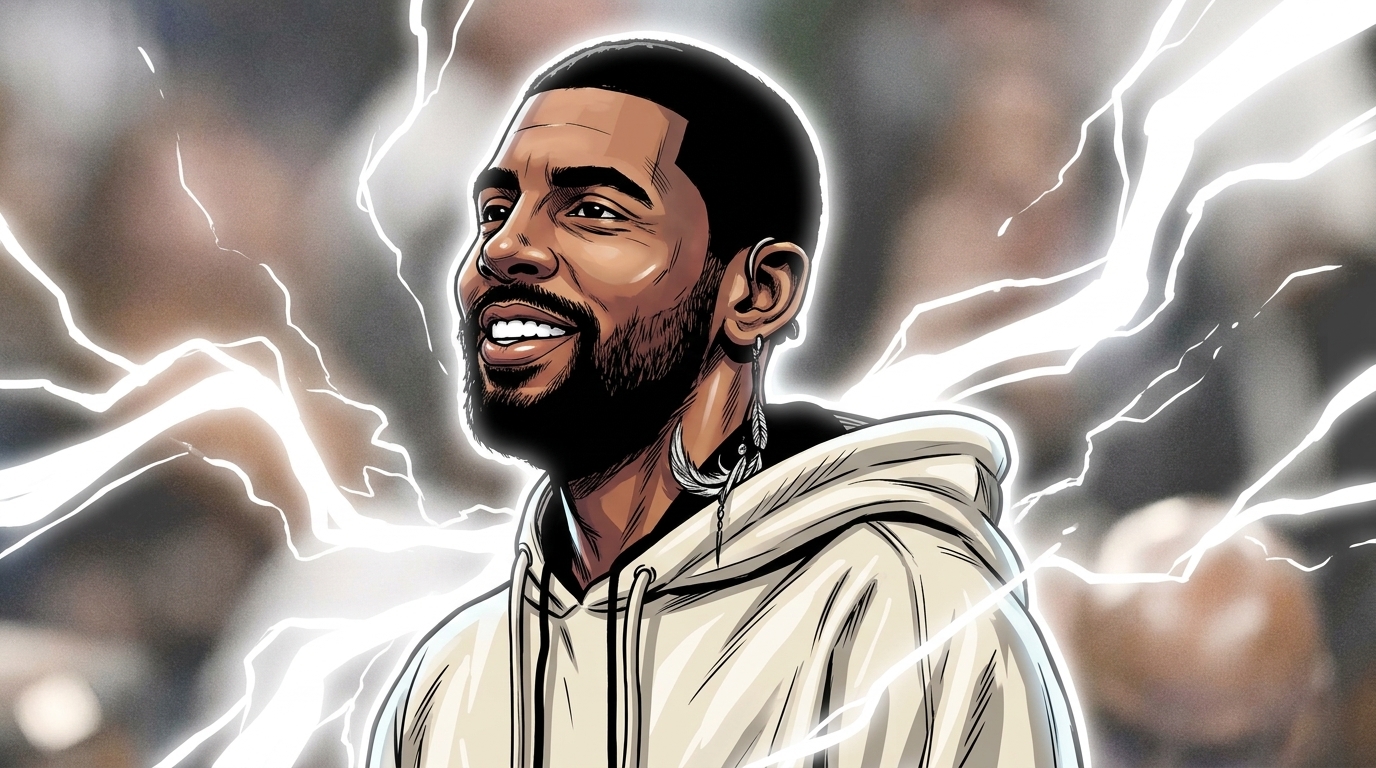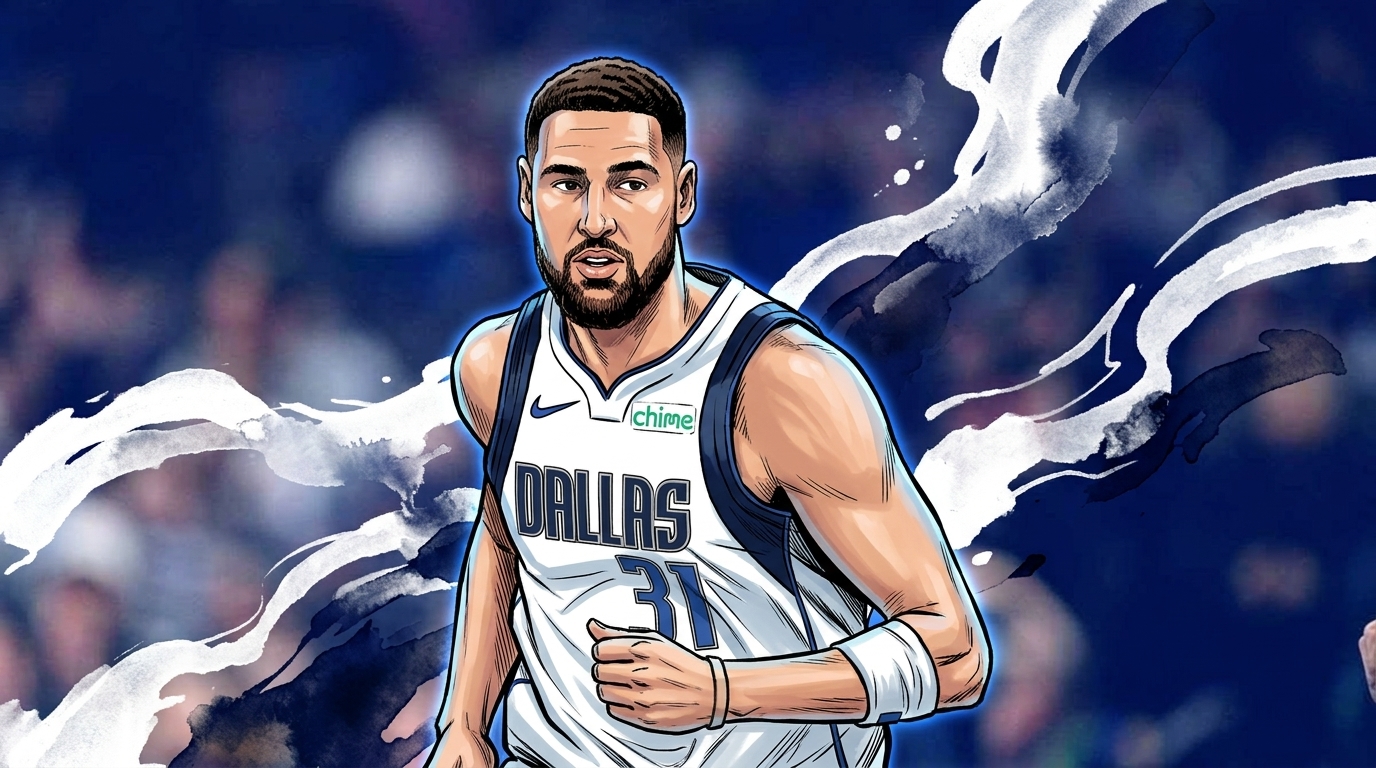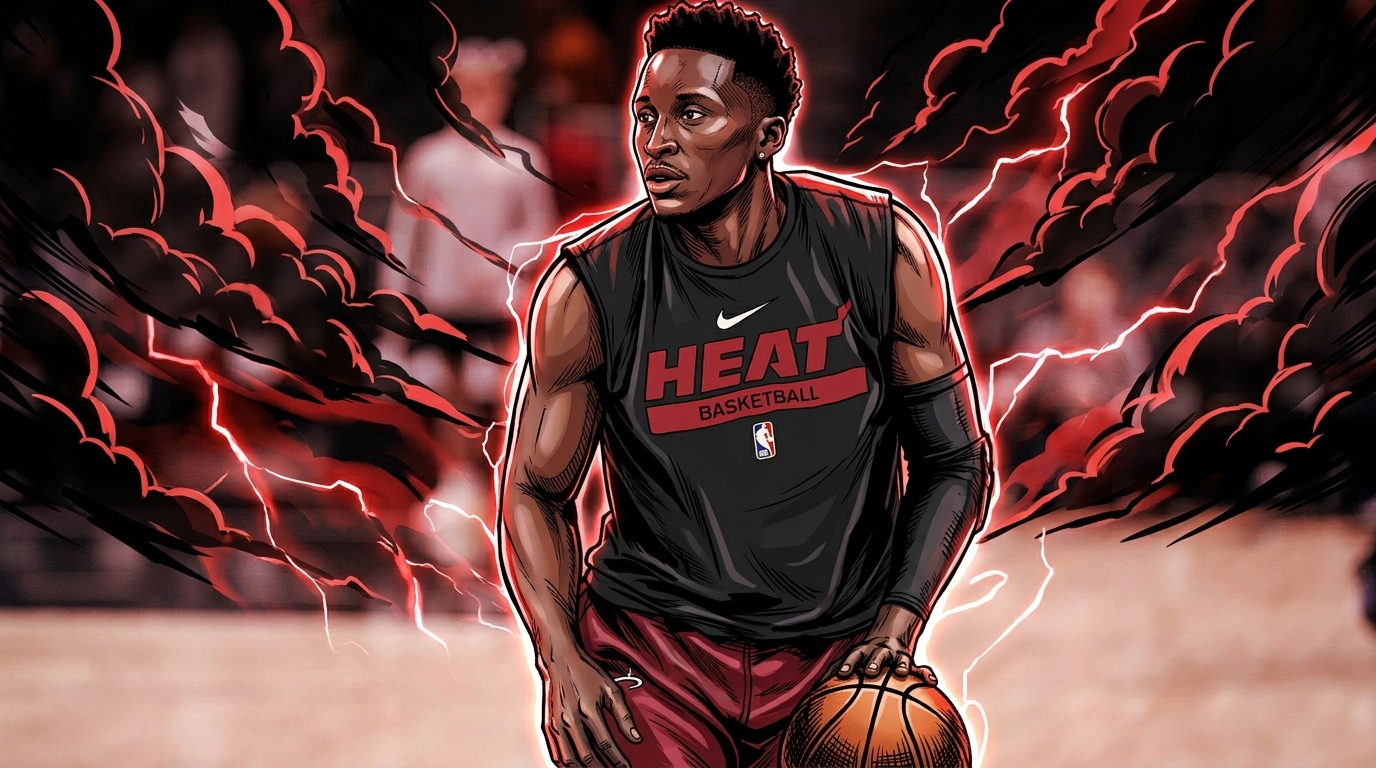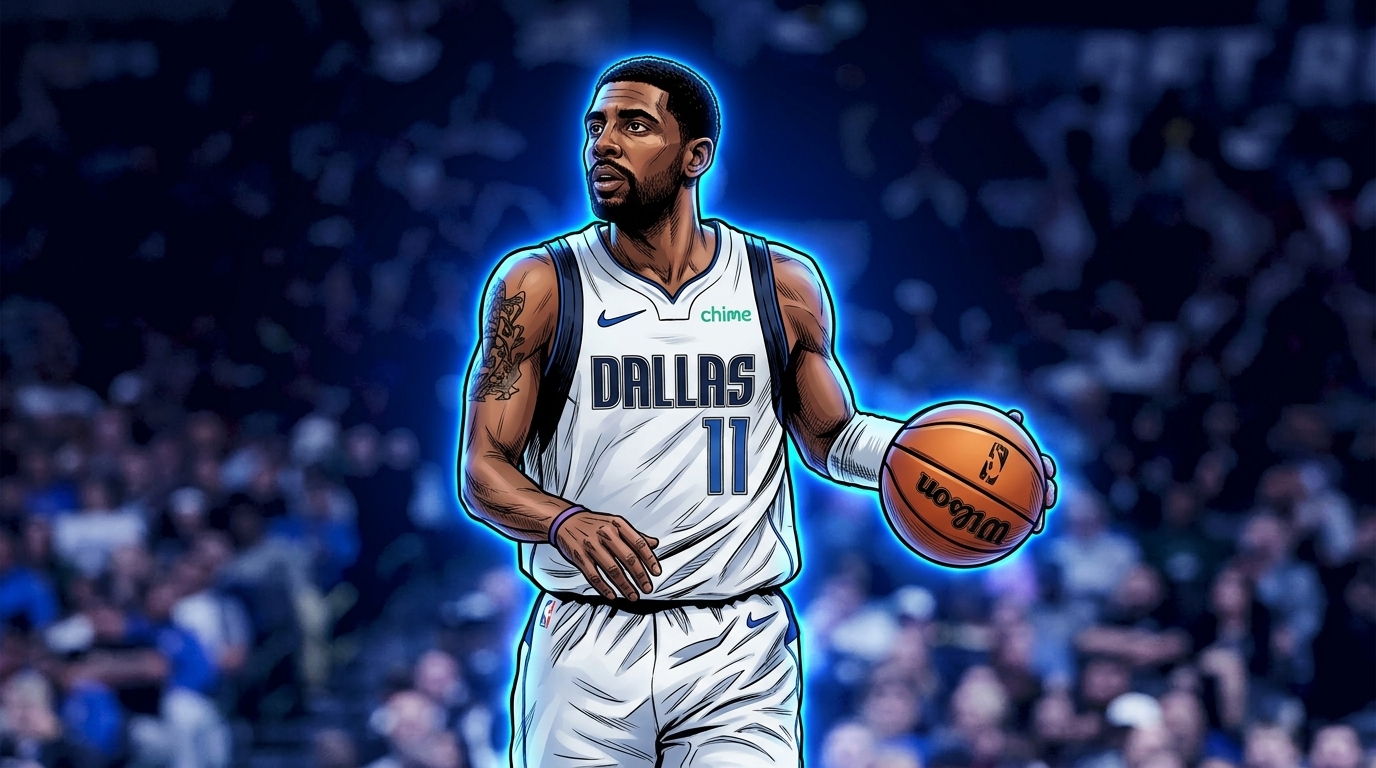

Three times since June, Jake Fischer has used some version of the same phrase to describe the Dallas Mavericks’ stance on Kyrie Irving: they’re swatting it away. We’ve now watched that stance hold through an entire offseason in which Miami remade its roster around a superstar trade, lost its top perimeter free agent, and still came up short on exactly the kind of shot creation Irving provides. Dallas keeps saying no. The real question in mid-September isn’t whether that’s true. It’s whether “no” means the same thing right now that it will mean on Feb. 11.
We’ve heard “nobody’s available” before every trade deadline for a decade (it’s true, technically, right up until it suddenly isn’t), and Irving’s situation might be the one this year where that phrase carries the least weight. Not because Dallas is bluffing, but because the incentives pointing toward a trade in February look nothing like the incentives pointing toward silence right now.
Why Does Miami Still Want Kyrie Irving?
Miami spent the summer building around a superstar trade and opened a shooting hole doing it. The Miami Heat sent Tyler Herro, Kel’el Ware, Jaime Jaquez Jr. and Kasparas Jakucionis to Milwaukee for Giannis Antetokounmpo, then lost Norman Powell to Chicago in free agency, leaving the roster without a guard who can shoot over a switch or manufacture offense on his own. That’s Irving’s whole game.
It also left Miami pairing a top-five player with Bam Adebayo in a frontcourt that runs into the exact spacing problem Giannis and Bam created — two non-shooting bigs clogging the same driving lanes a shot-creating guard is supposed to open up. Klay Thompson just joined Miami’s Giannis gamble on a two-year, $13 million deal after his own buyout out of Dallas, and that adds shooting off movement, not shot creation off the dribble. It doesn’t close the gap Irving would.
That’s the part of this stalemate that keeps resurfacing every few weeks: Miami lost the closest thing it had to a shot-creating wing when Powell walked, and nothing it added this summer replaces that specific skill. Adebayo can pass out of the post. Antetokounmpo can bulldoze his way to the rim. Neither one bends a set defense in isolation the way a healthy Irving does, which is exactly why rival executives keep floating his name to Miami instead of moving on to someone else.
What Has Dallas Actually Said About Trading Him?
Nothing that suggests movement. Fischer reported the Mavericks have been swatting away outside interest in Irving all offseason, adding that he doesn’t see how a Heat-Dallas trade makes sense right now — Dallas expects an All-Star-level Irving playing next to Cooper Flagg and has every incentive to compete for a playoff spot this season.
Marc Stein backed that framing days later, writing that Dallas has “consistently swatted away trade interest” in Irving since mid-June, with Miami and the Houston Rockets both still circling. Stein’s specific detail is the interesting part: rival teams don’t doubt that Dallas means it right now. They wonder aloud whether it holds once games start counting and the Feb. 11 deadline gets close enough to feel real. Here’s the exact language rival front offices are chewing on:
https://twitter.com/TheDunkCentral/status/2092089151411626466
Notice what’s missing from either report: a denial that a good enough offer would change anything. Dallas has swatted away interest, not closed a door (teams generally don’t keep calling about players who are definitely not available), and that’s a distinction rival executives seem to be drawing too.
Why Would the Mavericks’ Stance Change by February?
Because Dallas is paying Irving like a co-star, not a rental. Irving signed a three-year, $119 million extension in June 2025, taking a pay cut and declining a $43 million player option to help Dallas duck the second apron. The Mavericks need him producing, not just present, to justify that bet.
He tore his ACL in March 2025, missed the entire 2025-26 season, and is expected back for 2026-27 (health, not fit, is now the variable that actually matters). If he returns healthy and looks like the shot-creator Dallas is banking on, the incentive to trade him mostly evaporates — Flagg gets his running mate, and Dallas chases the playoff spot it needs since it doesn’t control its own first-round pick this year. If he doesn’t, or if Dallas slips out of contention by January, Feb. 11 becomes the moment a quiet “no” turns into “call us back.”
There’s also a schedule-of-incentives quality to how this roster is built right now. Losing this year’s own first-round pick already narrows Dallas’s margin for a lost season, and trading Irving in September would have meant playing significant stretches without an established ball-handler before anyone had a real look at how the current roster performs together. Waiting until closer to the deadline lets the Mavericks see actual games, actual health updates, and an actual standings picture before deciding whether what they built over the summer is worth keeping intact.
I think the stance holds only as long as Dallas can keep telling itself a competitive story. The Mavericks have a top-heavy roster built around Flagg and a guard coming off a major knee injury, they don’t own their own first-round pick, and the margin for a lost season is thin. Rival executives aren’t wrong to keep calling. Denials made in September are cheap; the ones that matter get tested against a standings page in January. My guess is that test looks a lot less comfortable for Dallas than anything Fischer or Stein has reported so far.
Watch the record in December. Watch whether Irving looks like himself again. And watch whether Houston or Miami puts together an offer Dallas can’t wave off as easily as it has all summer. The swatting-away phase of this was always going to be the easy part.