
Sports television has exactly one grief technology, and it’s a pause button. A moment of silence, heads down, play resumes a few seconds later like nothing happened, because in the broadcast’s own logic, nothing did. I can’t think of a single one of those pauses that told me anything about the person being mourned, because the ritual isn’t built to hold grief, it’s built to get past it as fast as decency allows.
AEW Dynamite did something a stick-and-ball broadcast has no real mechanism for pulling off. Benjamin Satterley, better known as PAC, died suddenly on September 27 at 40 years old, and three days later the company didn’t pause its show for him. It built the whole show around him, billed it A Tribute to PAC, and let the two people closest to him close the night by performing his memory instead of observing it. That’s the actual shift worth sitting with: a football game has no format for letting its players narrate their own mourning mid-contest, the game just continues, sad or not. Wrestling’s entire format assumes the opposite, that competitors control the story, which means when someone dies, the show itself can become the eulogy instead of just pausing for one.
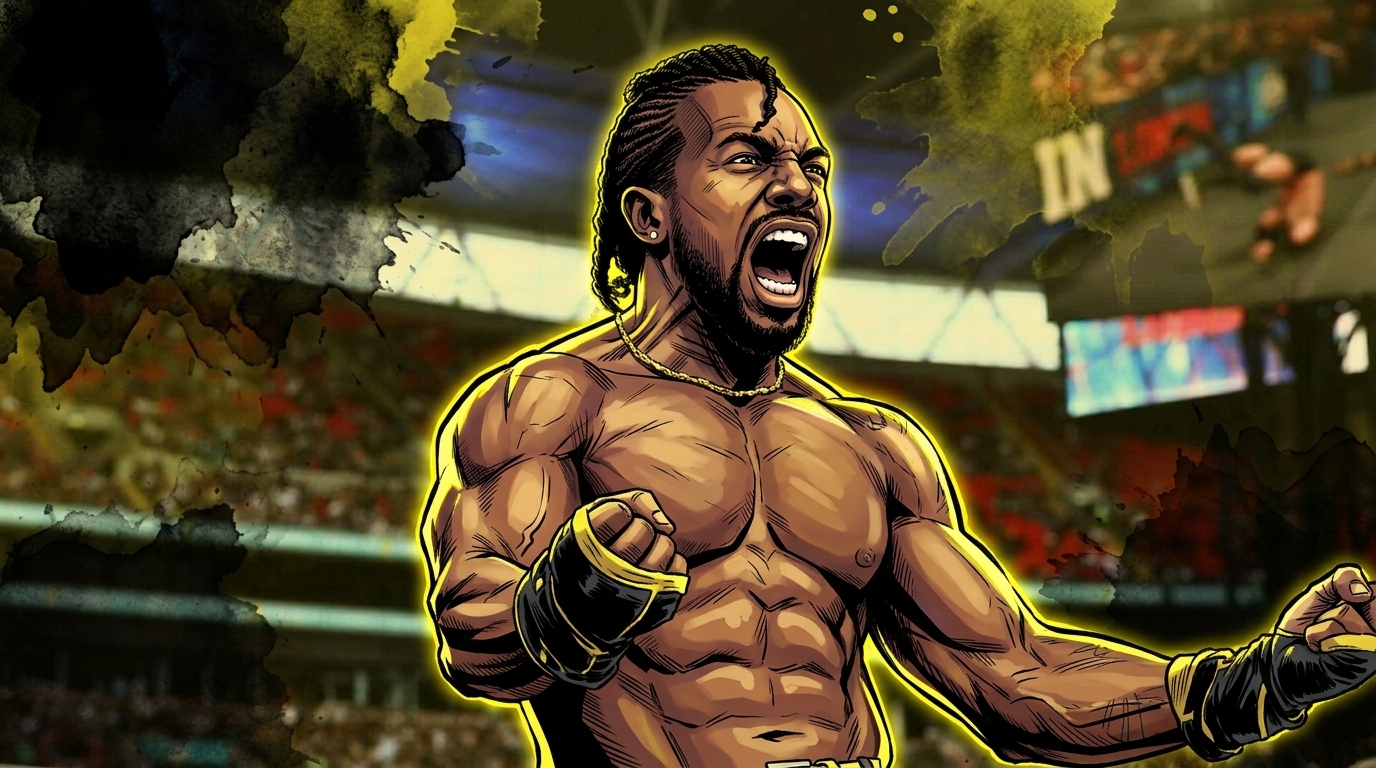
The first proof of that came before the night’s billed centerpiece even started. Bryan Danielson hasn’t wrestled full-time in nearly two years; these days he’s mostly a voice on commentary, not a body in the ring. He showed up Wednesday anyway, in a PAC tribute shirt and armband, tears already on his face, and embraced Jon Moxley the moment Moxley finished defending his Continental Championship against Orange Cassidy. The two had been feuding since AEW WrestleDream, a program ugly enough that Moxley once choked Danielson out with a plastic bag to win it. None of that mattered once PAC was gone. Danielson hugged his rival instead of selling a program, then wrestled that same night for the first time since he retired, his only match of the year, spent instead of saved because a friend had died and the format let him respond to it in real time.
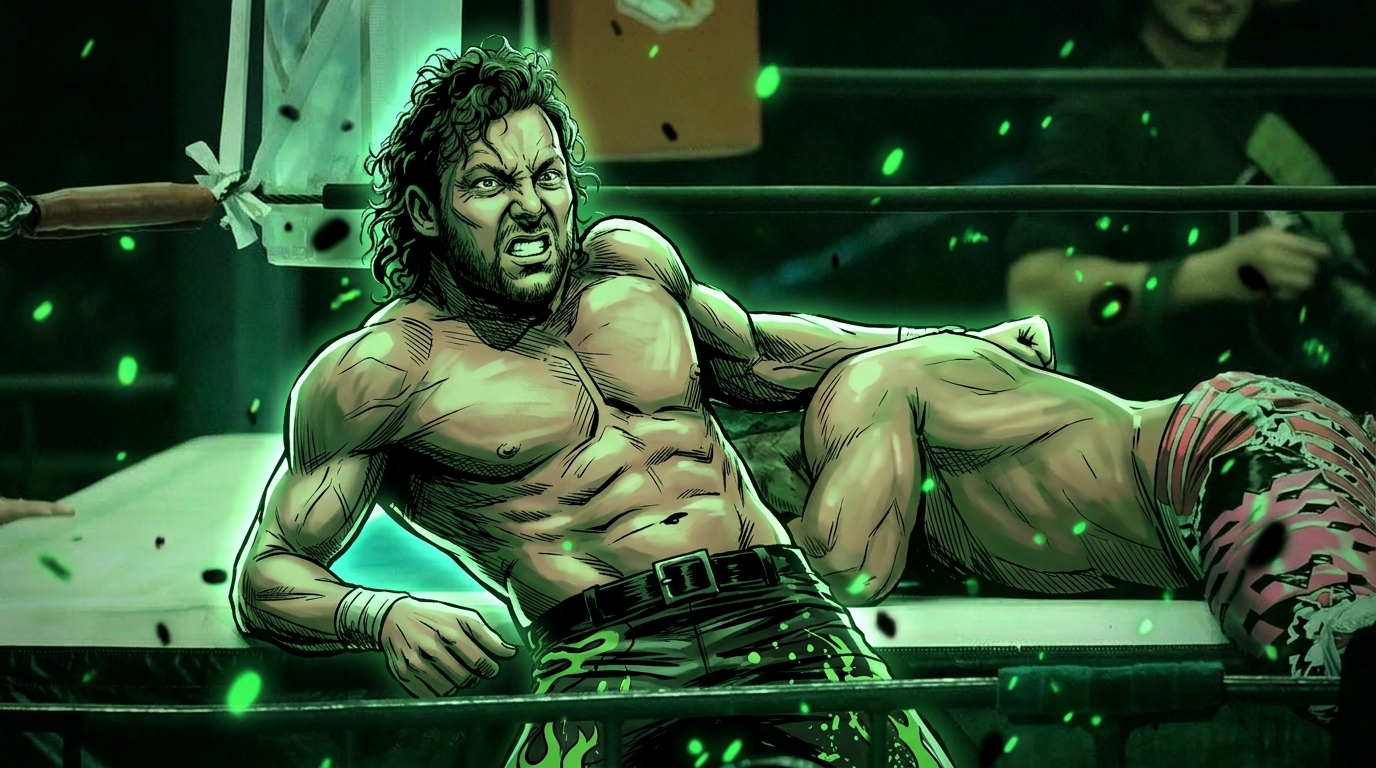
Will Ospreay’s standing in the company going into the main event was already complicated. Ospreay’s tangled AEW history has included more allegiance swaps than anyone bothers tracking at this point. None of that mattered either once the bell rang for Ricochet. Both men wrestled like they were trying to resurrect PAC’s entire catalog instead of just honoring it: Ricochet landed a shooting star press and a shooting star Pele kick, Ospreay answered with a hurricanrana, a handspring spinning DDT, the Styles Clash, and the Hidden Blade, straight out of the Dragon Gate tradition PAC built his career on. Then Ospreay climbed to the top rope for a move he hadn’t thrown in eight years.
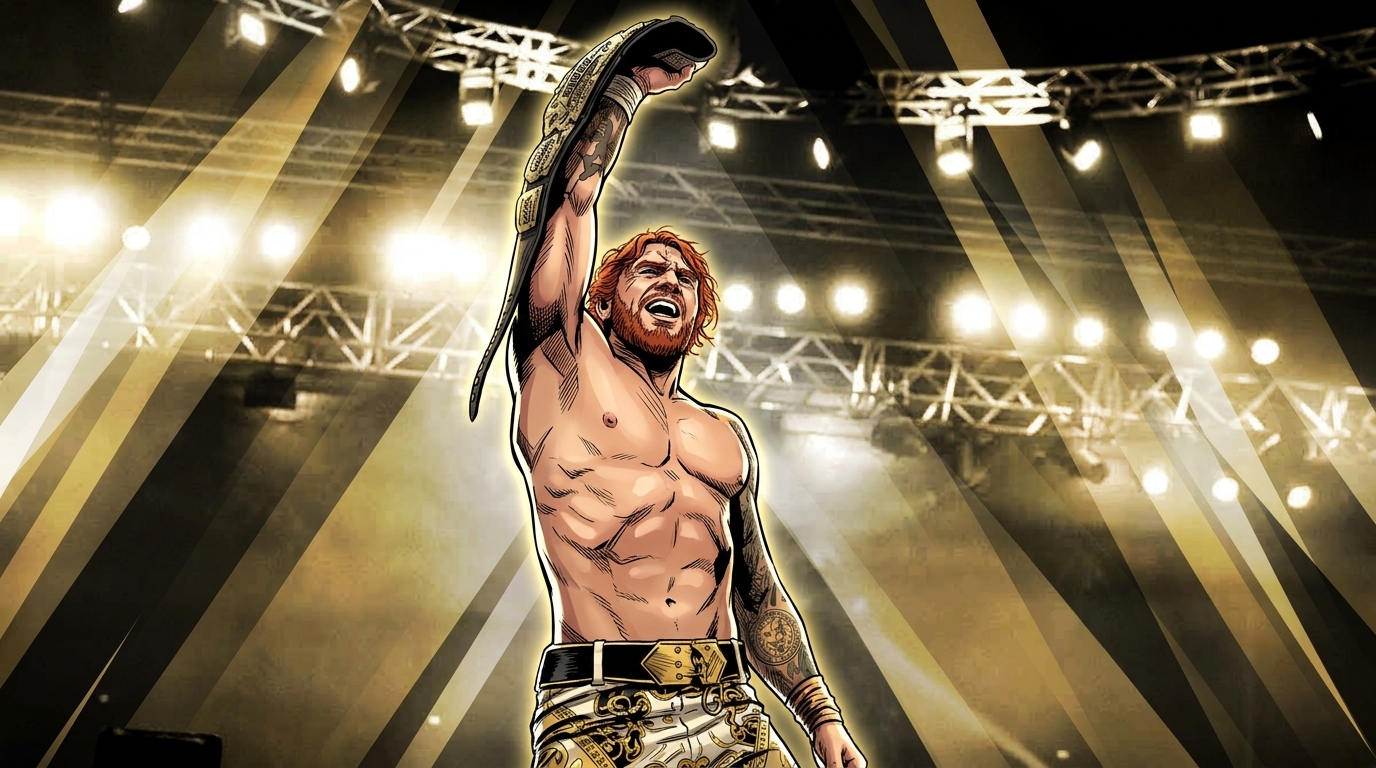
Ospreay’s Black Arrow wasn’t built for a highlight reel. He’d spent the afternoon alone in an empty arena relearning a finisher he’d shelved nearly a decade ago, because the only way he knew to say what he meant was through PAC’s own signature move, and he needed his body to remember it before the doors even opened. When he hit it on Ricochet to end the match, it stopped reading as offense entirely, more like Will Ospreay handing PAC’s own finisher back to the one audience built to receive it as a eulogy rather than a near-fall.
Ospreay explained the choice himself within the hour. “I haven’t performed the Black Arrow for 8 years,” he wrote. “Something told me on this night I could make the jump.” Then, in the line that’s been quoted more than the move itself: “I threw my heart out in front of me and Ben caught it. Thank you Pac.” That reads less like a promo and more like someone talking himself through what just happened to his own body.
Here’s the clip that’s already circulating as the moment of the night:
https://twitter.com/wrldwrasslinn/status/2105485644206076275
Watch it with the sound off and it still plays like a funeral. Ricochet doesn’t sell toward a near-fall the way finishes usually get sold; he just goes down, and everyone left in that ring stays down with him a beat longer than the move requires.
Both men’s factions poured into the ring after the bell, United Empire included, and I’d normally be first in line to roll my eyes at a promotion turning someone’s death into appointment television, because that’s a real and ugly thing wrestling companies have pulled off before. Scripted compassion is still a product with a quarterly number attached to it. But that skepticism doesn’t survive contact with what Danielson and Moxley actually did earlier in the night. A feud that opened with a plastic bag over a man’s head doesn’t resolve in a hug unless both performers decided it should, on a night nobody could have scripted three days out. Danielson and Moxley’s embrace ended a real feud, not a storyline, and companies don’t get real-feud endings from a press release.
I keep landing on the same unfinished thought: wrestling is the only one of these largely fake sports that still manages, every so often, to be the most honest one in the building, because honesty was never against the rules of the format to begin with. A tribute show only wrestling could stage isn’t a loophole in how the genre works. It’s the entire premise of letting competitors own their own narrative, applied to the one subject that’s usually off-limits. Check the rest of this year’s wrestling calendar and most of it will be ordinary booking noise, angles and title pictures with nothing at stake beyond the next pay-per-view. Wednesday wasn’t that. I don’t fully know what to do with a show that let two grown men cry on camera and still called it business as usual, and I’m not sure that’s a problem I actually want solved.