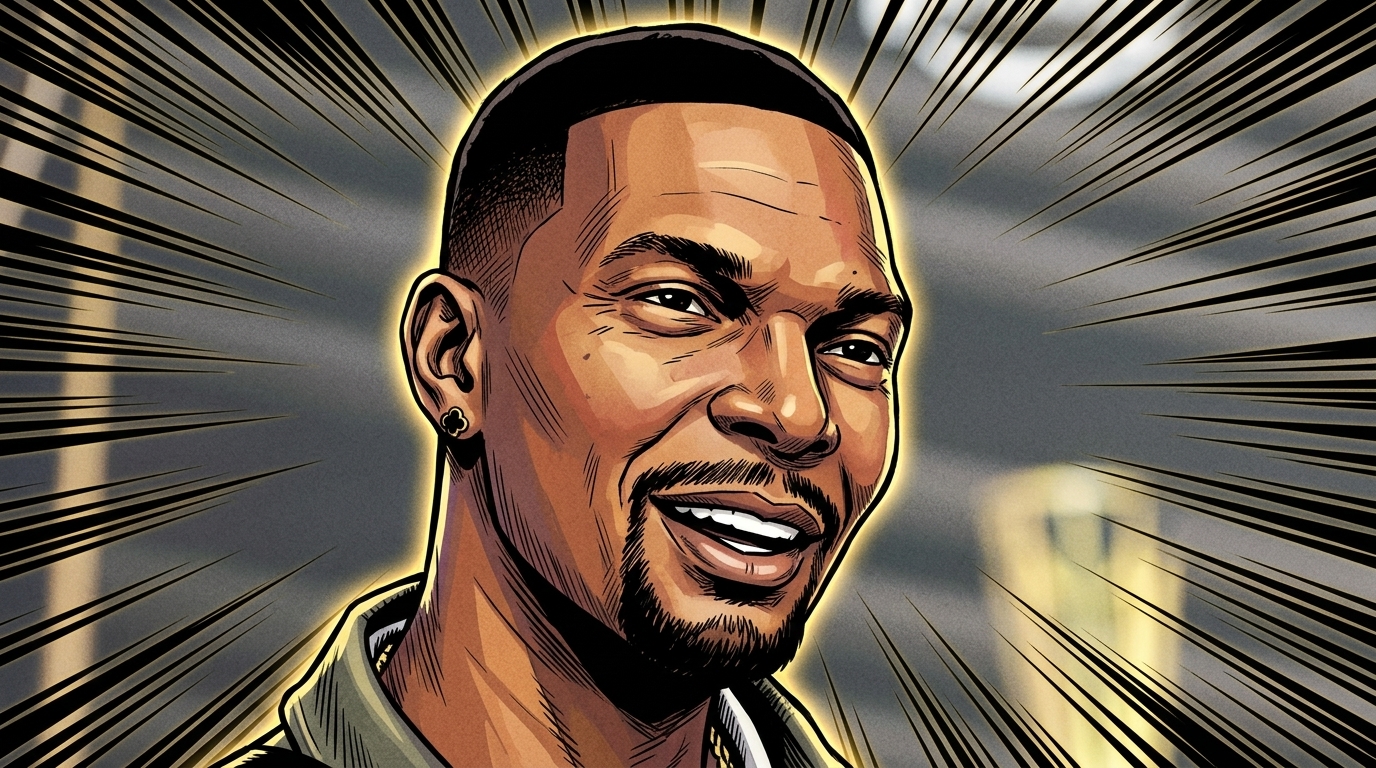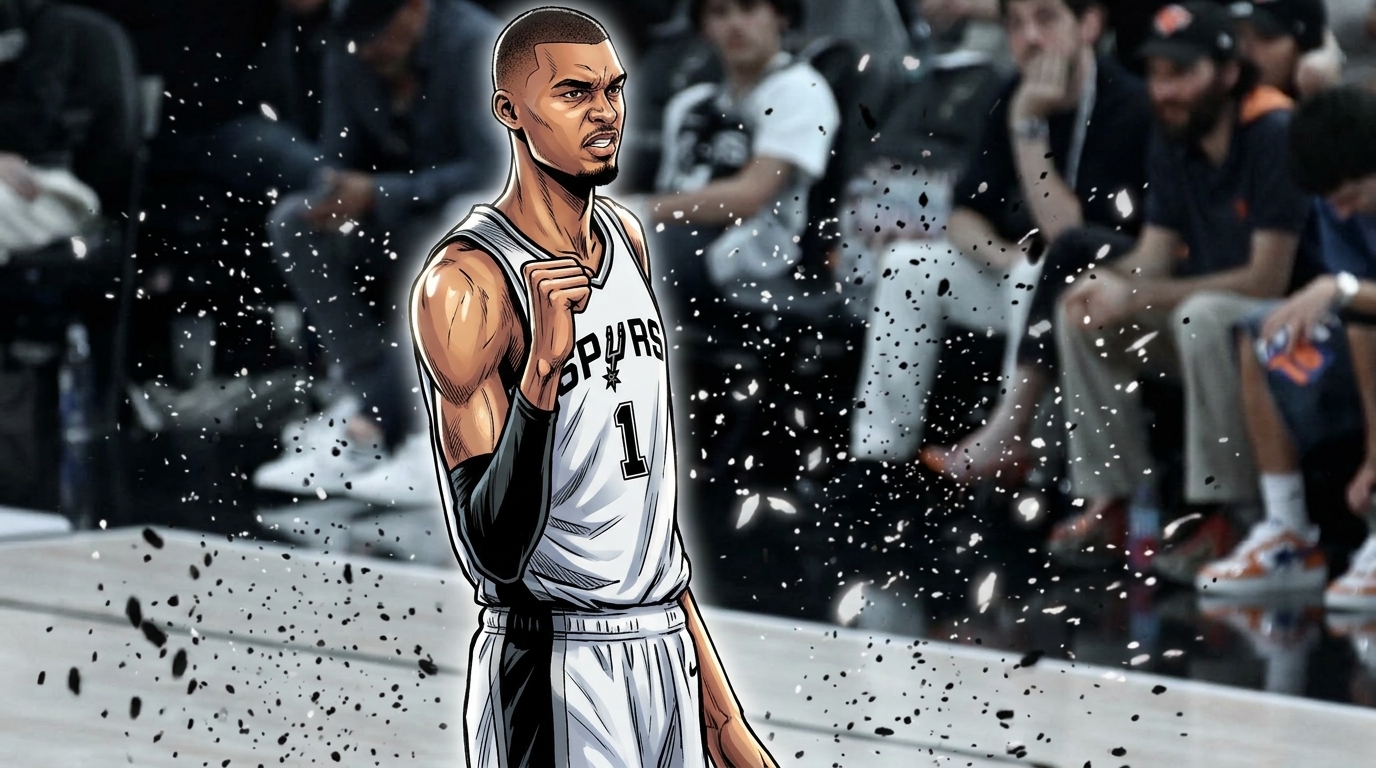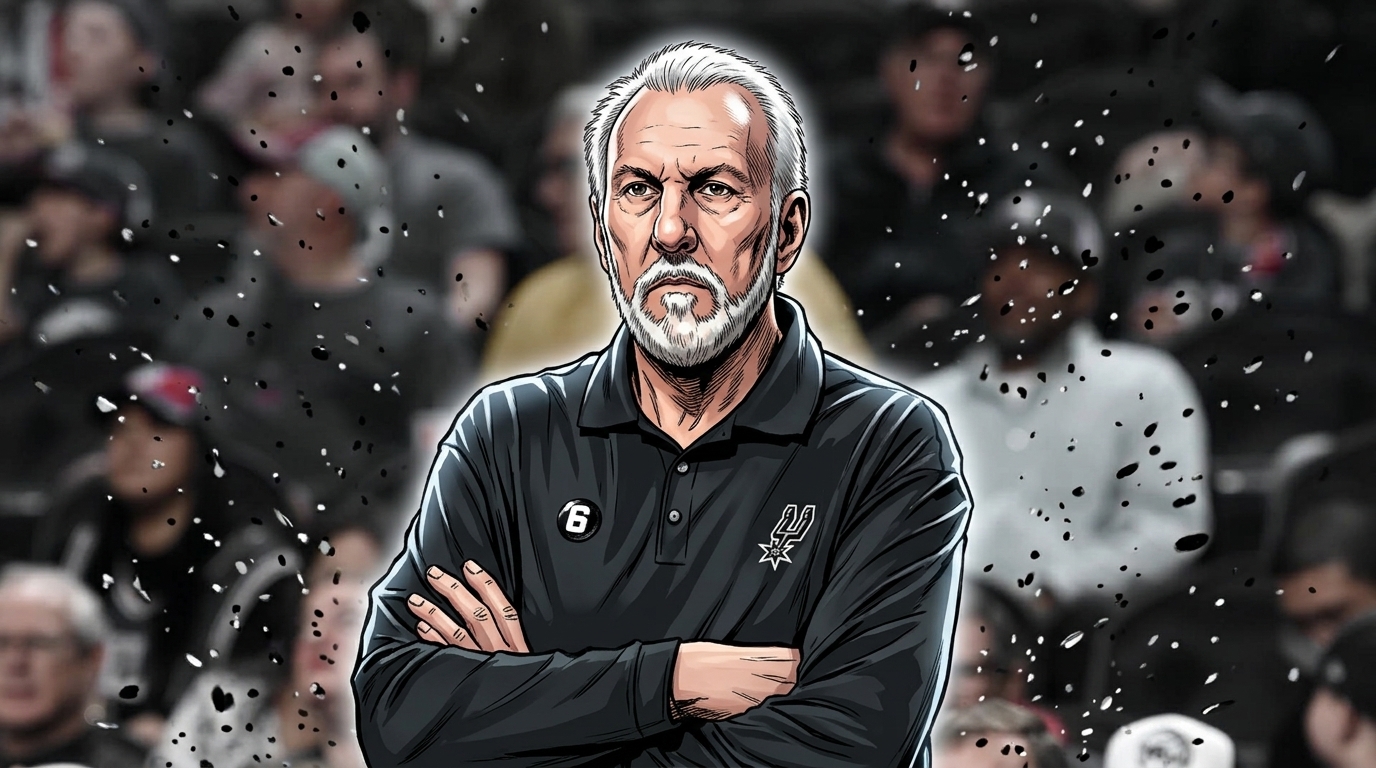

We’ve called the Spurs coaching tree a family for so long that the word stopped meaning anything specific. Gregg Popovich built half the league’s benches out of a hallway in San Antonio, and every trade-deadline segment about his coaching lineage reaches for that same metaphor. On September 16, Popovich made it literal: he married Mary Barth Budenholzer, the ex-wife of Mike Budenholzer, the assistant coach who ran that hallway alongside him for nearly two decades.
TMZ was first to report it, citing a marriage license filed in Bexar County, Texas. Popovich is 77, and the wedding happened quietly, with no advance word to any of the beat writers who cover the team he still runs from the front office. CBS Sports and HoopsHype confirmed the marriage within hours, both leading with the same detail everyone else did: Mary Barth spent years married to the man who was Popovich’s top assistant. (This is worth stating plainly, because a story this strange invites the assumption that somebody’s exaggerating. Nobody is. It’s a real marriage license in a real Texas county.)
TMZ posted the story Tuesday, receipts included:
https://twitter.com/TMZ/status/2102919681522762000
It reads like a joke until you check the county records, which is exactly why CBS Sports and HoopsHype ran their own confirmations within hours instead of waiting on TMZ to be wrong.
Budenholzer’s Spurs tenure is the whole reason this carries weight instead of reading like tabloid noise. He joined the organization in 1994 as a video coordinator, was promoted to assistant coach for the 1996-97 season, and stayed on Popovich’s bench through 2013: seventeen years, what CBS Sports called “nearly two decades” in its own writeup. Four championships happened during that stretch, in 1999, 2003, 2005 and 2007, which means Budenholzer wasn’t some guy cycling through a staff. He was there for the entire dynasty, learning the system from the inside for close to two decades before anyone let him run his own.
From there, Budenholzer became a head coach three times over. Five years in Atlanta (2013 to 2018, Coach of the Year in 2015). Five more in Milwaukee (2018 to 2023, a championship in 2021 and a second Coach of the Year award in 2019). Then one uneven season in Phoenix, where the Suns fired him in April 2025 after the team missed the play-in. He hasn’t coached anywhere since. (The tree Popovich planted kept sprouting branches long after Budenholzer left the trunk. This is just the first one that wound up back in the family, literally.)
Mike and Mary Barth divorced in 2016. They have four children together: William Vincent, Savoia Elizabeth (known as Libby), Hanna Louise, and John Bent. Nobody involved has said publicly how long the marriage lasted, so we’re not going to guess at a number nobody’s confirmed. That restraint matters more than usual here, given how much of the rest of this story is already true and strange enough on its own.
Popovich was married to his first wife, Erin, for 42 years before she died in April 2018 after a long illness. We’re including that because it’s necessary context, not because it’s colorful: by multiple accounts, Mary Barth and Popovich grew close in the years afterward. The two were seen together at Spurs games throughout the 2025-26 season before marrying quietly at the Bexar County courthouse, well outside the reach of the team’s own PR apparatus.
He stepped down as Spurs head coach in May 2025, a few months after a stroke that previous fall, and now runs the front office as president of basketball operations. It’s a strange season to be doing that at all, let alone getting married in the middle of it. The roster he’s now shaping from an office instead of a bench is coming off a run to the 2026 Western Conference Finals, and San Antonio’s push to the 2026 Finals has kept most San Antonio Spurs fans focused on the court, not the courthouse. That’s probably how Popovich would prefer it, honestly. He’s spent three decades deflecting attention off himself and onto whoever’s actually playing. (He’s given cagier answers about rotation minutes than he apparently gave anyone about this.)
The part worth sitting with is this. Coaching trees get discussed like family trees constantly, and it’s always been metaphorical. A guy runs your bench for a few years, absorbs your system, gets a head-coaching job somewhere else, and reporters spend the rest of his career calling him “Popovich’s guy” whenever his name comes up. Budenholzer did exactly that: video coordinator to two-time Coach of the Year, a title of his own in Milwaukee, permanently described in relation to the man who trained him. What he didn’t do was keep his personal life separate from that lineage, and I don’t think that’s a coincidence so much as it’s what happens when two people spend the better part of two decades in the same building, at the same hours, chasing the same thing. Seventeen years is long enough to build a program. It’s also long enough, apparently, to build a proximity that outlasts the divorce and the head-coaching stops and the decade that followed.
None of that makes it less strange to process in real time. Budenholzer is barely more than a year removed from coaching in this league, and the man who used to sign his paychecks just became connected to his family in a way neither of their old media guides ever anticipated. Watch what happens if Budenholzer takes another sideline job next season. Every broadcast that runs his bio is going to need a new way to describe his relationship to the Spurs, because “protégé” doesn’t quite cover it anymore.