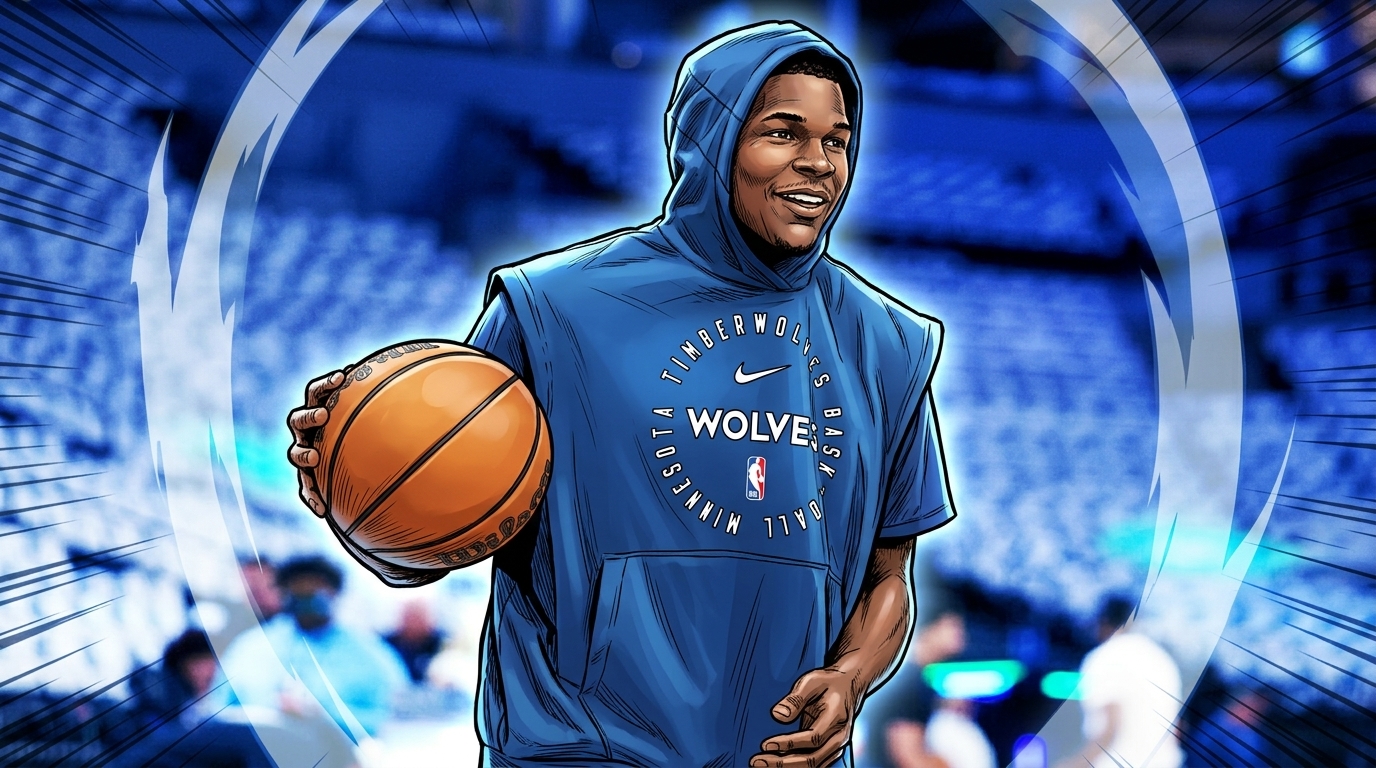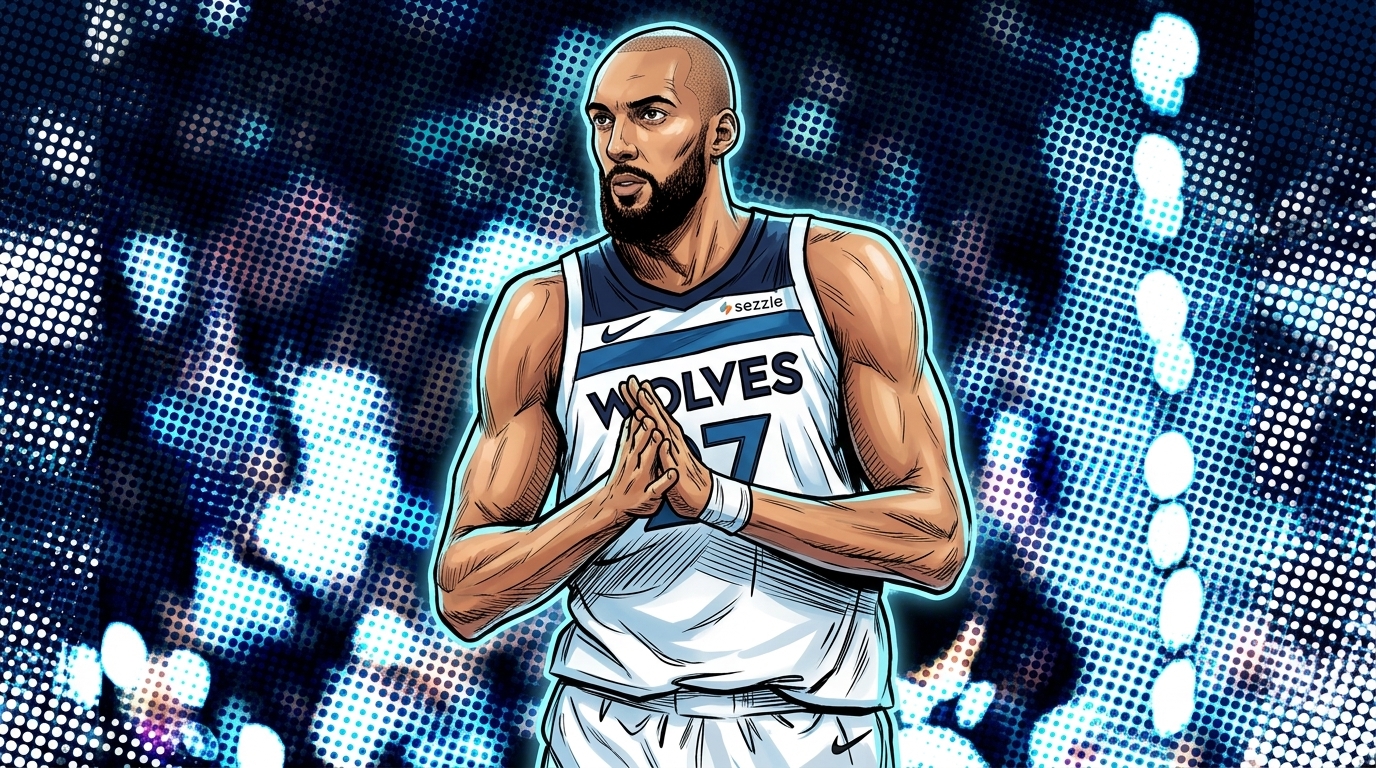

Minnesota is letting its starting center walk into a contract year without so much as a courtesy phone call, and the front office would very much like you to read that as patience. Rudy Gobert is 34, four times the league’s Defensive Player of the Year, and entering the last guaranteed season of a deal he signed in good faith two years ago; the Timberwolves have responded to that fact with silence. Whether the silence is a strategy or a mistake being broadcast in real time is the only question worth asking about this team’s winter, and Minnesota isn’t in a hurry to answer it either way.
Jon Krawczynski said on his show that Gobert “is eligible for an extension. So far, I have not heard any sort of real momentum toward that happening.” That is the entire report, delivered with the flat affect of a man describing weather he doesn’t expect to change soon. No momentum isn’t a rumor about acrimony or a looming trade; it’s an absence, and absences don’t need sourcing the way scandals do. Nobody in Minnesota’s front office is bothering to deny it.
The mechanics matter here. Gobert is playing out a three-year, $109.5 million contract signed in 2024, worth roughly $36.5 million this season, with a $38 million player option tacked onto 2027-28 that nobody involved is treating as guaranteed money. This is the last season the Timberwolves owe him no matter what. After that, his financial fate belongs entirely to two parties who currently aren’t discussing it, according to Yahoo Sports’ report on the deal, which also notes Krawczynski expects any eventual extension to mirror the discount structure of Gobert’s prior deal rather than pay him at market rate.
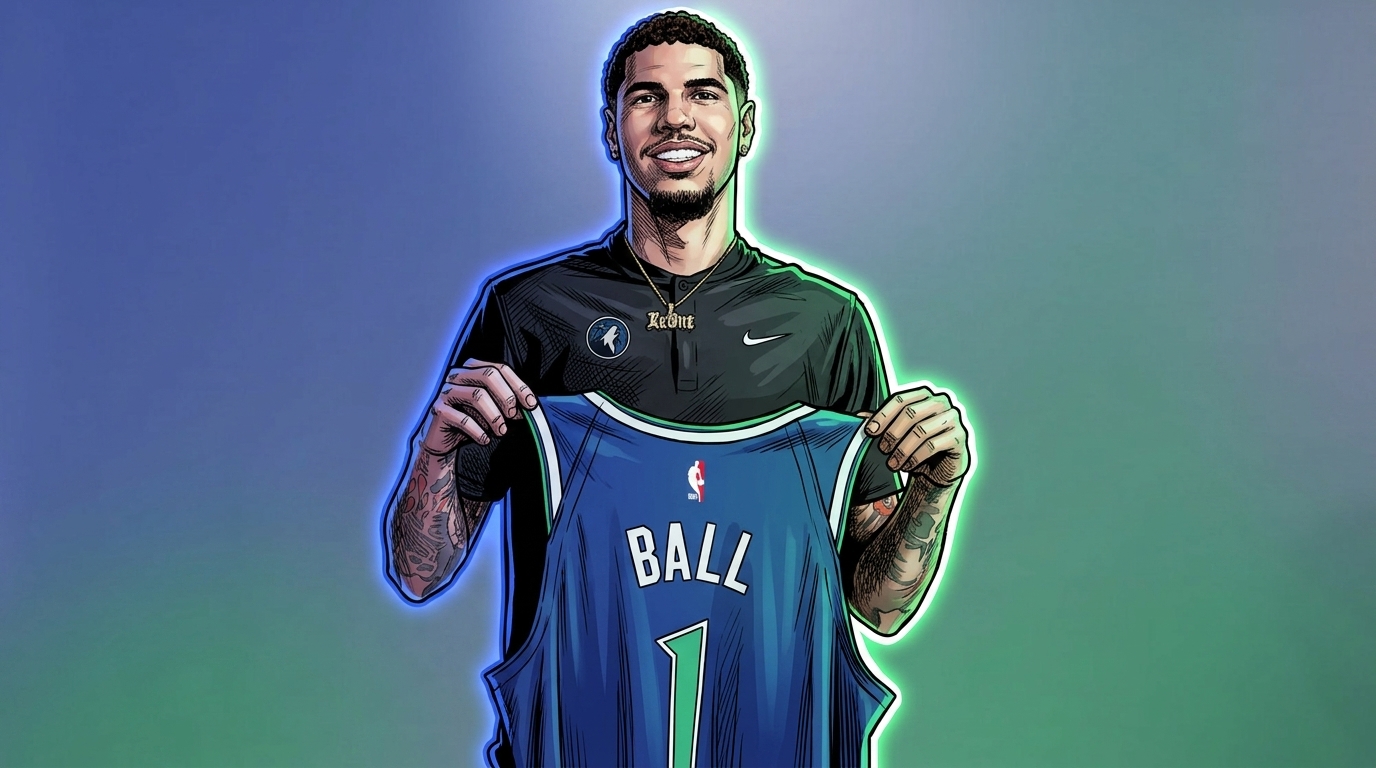
That discount request doesn’t arrive out of nowhere. The front office spent this year clearing room for exactly this kind of ask: dumping Julius Randle for the cap space, then sending Naz Reid, a first-round pick, and pick swaps to Charlotte in the LaMelo Ball trade, reshaping the roster younger around Anthony Edwards. None of that reorientation required Gobert’s money to be locked up past this season, and Ball’s own salary ate into a chunk of what the move was supposed to free up regardless. Here’s what was left over, for the record:
https://twitter.com/YossiGozlan/status/2070143856847511984
Eleven million dollars of room under a hard cap, with four roster spots still to fill, is not the financial posture of a front office eager to add another $30-plus million commitment on faith; it’s the posture of a front office hoping the guy already holding up its defense does them a favor twice. It worked out fine for Minnesota the first time Gobert took less, because he let it. Asking a 34-year-old three-time All-Star to discount himself again, on the strength of a handshake nobody’s currently offering, is a different transaction dressed up as the same one.
Gobert has done exactly what his current contract asked of him: anchored a top-tier defense, protected the rim, absorbed the possessions nobody else on the roster wants to guard. Whatever comes next is a separate question — whether he’s willing to subsidize a rebuild that was never about him, for the second time, with his own money. Krawczynski’s report doesn’t say Minnesota won’t pay; it says nobody has decided to yet, months before it starts costing something. That’s either restraint or a bill with Gobert’s name already on it, and the Timberwolves seem perfectly content finding out which one it is in February.