Josh Green spent his tenure with the Minnesota Timberwolves as trade collateral, not as a rotation piece anyone built a game plan around. He landed in Minnesota this summer carrying a $14.7 million cap hit in the final year of his contract, a number that, translated, meant the Wolves owed roughly a quality starter’s salary to a wing who didn’t have a clear path to real minutes. By Saturday, that cap hit had been shipped off to the Utah Jazz: Minnesota traded Green and cash to Utah for Cody Williams and John Konchar in return, ending Green’s Timberwolves tenure before it really started.
https://x.com/ShamsCharania/status/2093552526029115862
Minnesota didn’t move on from Green because it had soured on him as a player. The Josh Green trade was cap math, full stop: his salary was the exact-sized piece Minnesota needed to shed to duck back under the second tax apron and officially sign Jonathan Kuminga. Layer in the other half of the move, waiving and stretching John Konchar’s $6.2 million salary, which spreads roughly $2.05 million of dead money across Minnesota’s books for each of the next three years, and this stops looking like asset management. It starts looking like a front office paying real, multi-year costs just to open up enough taxpayer-midlevel-sized room for one free agent.
What Did the Timberwolves Actually Give Up for Kuminga?
The mechanics here are almost more interesting than the players involved. Minnesota is keeping Cody Williams, the No. 10 pick in the 2024 draft, whose rookie-scale contract barely dents the cap compared to what Green was making. John Konchar is a different story. The Wolves aren’t keeping him at all — they’re waiving him and stretching his $6.2 million salary over three seasons, which works out to about $2.05 million a year in dead cap space Minnesota will carry through 2029 for a player who won’t be on the roster. Saturday was the last day teams could use the stretch provision this offseason, which is why the trade and the waiver happened on the same day. Minnesota wasn’t picking its moment; it was working against a hard deadline.
Add it up and Minnesota gave up a rotation wing and voluntarily took on three years of paying a player who won’t play for them, and the return wasn’t draft capital or an established starter. It was enough room under the second apron to officially sign Jonathan Kuminga to a two-year, $12.4 million deal through the taxpayer midlevel exception. Kuminga’s deal alone had pushed Minnesota’s cap situation roughly $2 million over the second apron line, not a large number by league standards, but large enough that the signing couldn’t become official until the Wolves found a way to clear it. Green’s $14.7 million outgoing, against Williams’ rookie money and Konchar’s structured-out salary coming back, was the fix.
Kuminga’s path here wasn’t direct, either. Golden State traded him, along with Buddy Hield, to Atlanta for Kristaps Porzingis back in February, closing out a trade-request saga that had dragged on for the better part of a year. He played out the second half of the season with the Hawks, who declined his $24.3 million club option in June and turned him loose into Kuminga’s free agency market, which is how a former lottery talent ended up signing for a taxpayer-midlevel number instead of a max extension. I watched that saga unfold from the Bay Area with the specific discomfort of a Warriors fan watching a former top-10 pick become someone else’s reclamation project, and the fact that he’s cheap enough for a $12.4 million deal says as much about how his Golden State chapter ended as it does about Minnesota’s cap sheet.
Why Did the Timberwolves Trade Josh Green?
Positionally, Green never had a strong argument for staying. He profiles as a 3-and-D wing, and Minnesota already had enough bodies at that spot that his minutes were never guaranteed. He was the logical player to move for cap purposes rather than for anything resembling fit. He also happened to be attached to the single most movable contract on the roster: an expiring $14.7 million deal Minnesota picked up as a side piece in the LaMelo Ball blockbuster, one it had owned for a matter of weeks before flipping it again.
That timeline is the part worth sitting with. This wasn’t a player Minnesota drafted, developed, and eventually moved on from. It was a contract that existed on the roster largely because it was tradable, and Green happened to be the vehicle attached to it.
What Does Utah Actually Get in Josh Green?
For a rebuilding team, this is close to a clean win. The Jazz have ranked 29th or 30th in the league defensively in each of the last three seasons, and this season’s mark, a 122.7 defensive rating that landed dead last in the NBA, makes the previous three look almost respectable by comparison. Green’s career defensive rating sits at 116.6, meaningfully better than Utah’s team number, and on a roster that’s been historically bad at stopping anybody, an average-to-good individual defender is a real upgrade before he’s made a single 3-pointer.
Utah has been building toward this specifically. The Jazz also signed wing Josh Okogie to a two-year, $12 million deal in July as part of the same defensive push, and Green now walks into a rotation that includes Okogie, Brice Sensabaugh, and Svi Mykhailiuk. None of those names move the needle nationally. Collectively, they’re a bet that a historically bad defense can get fixed by stacking competent individual defenders instead of waiting on a star to arrive.
What Does This Say About Minnesota’s Championship Window?
Take the two halves of this move together and a front office’s priorities get legible fast. Minnesota gave up a rotation wing it had just acquired in the LaMelo Ball blockbuster, took on three years of dead money on a player who’s leaving the roster, and did all of it to clear space for a two-year, $12.4 million deal. Add up the cost and this reads less like asset management and more like a team spending real, multi-year value on a short-term swing.
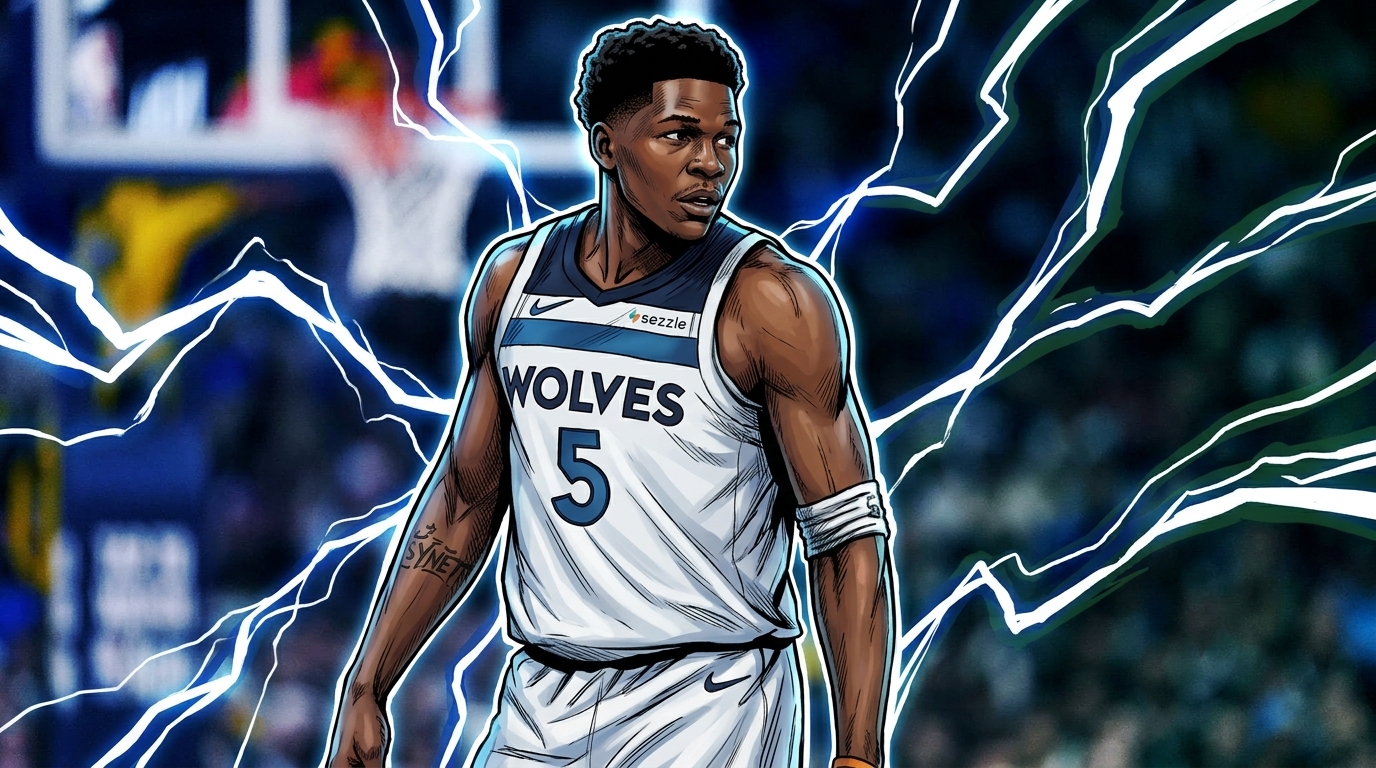
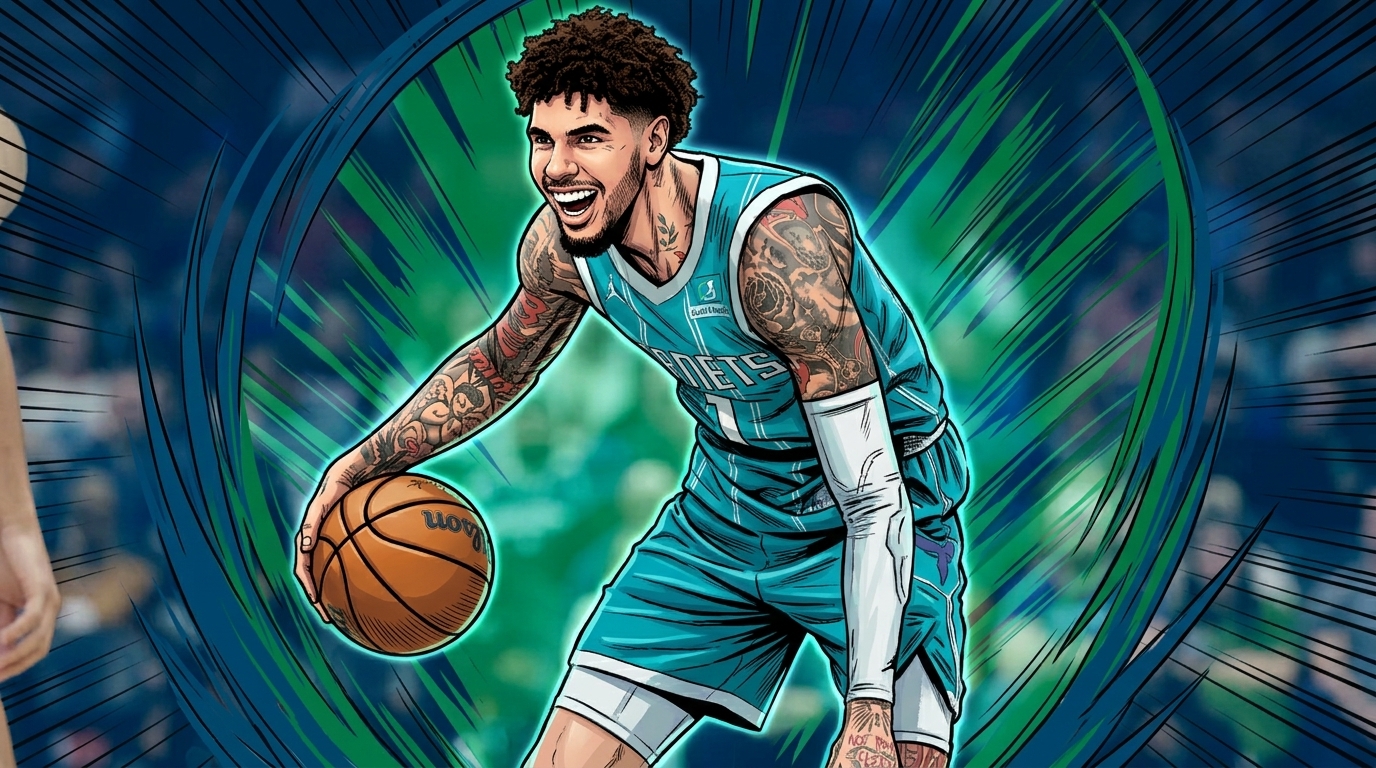
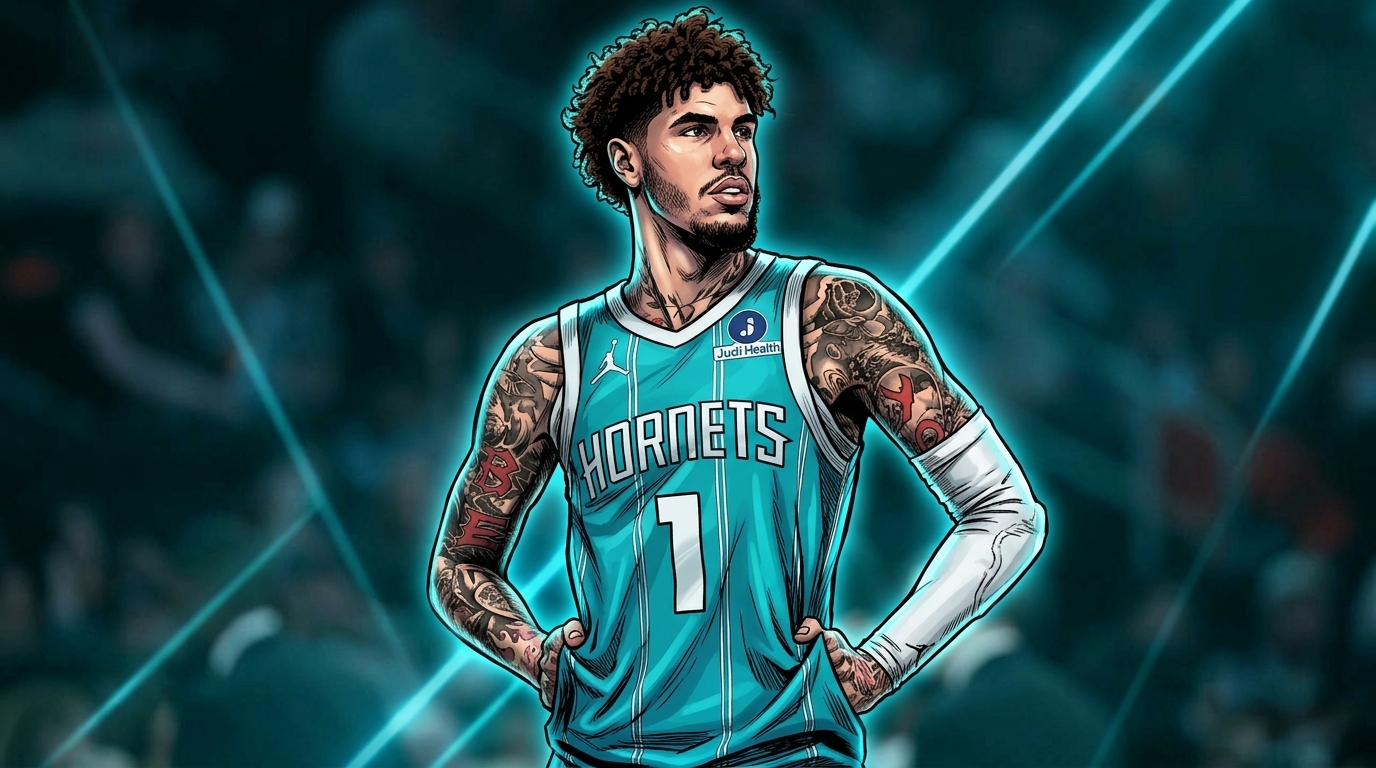
Read that against the roster it’s protecting. Anthony Edwards and LaMelo Ball give Minnesota a two-star backcourt that’s going to get expensive fast, and front offices don’t usually burn future cap flexibility on a taxpayer-MLE flier unless they believe the current group’s contention window is narrow enough that shooting and size right now matter more than optionality two years from now. Kuminga is a bet on immediate depth, not a development project. The timeline says as much as the contract does.
If Minnesota’s plan works, nobody remembers Josh Green’s month and a half in a Wolves uniform. If it doesn’t, this trade becomes the first data point in the story of a front office that spent its flexibility on a core that didn’t have much runway left to spend it on.