
Every K-pop stan account I follow has the same reflex. The second a group finishes a comeback stage, someone posts the version that never made the official broadcast — not a leak, nothing illegal, just a fan’s phone-camera close-up of the two seconds a TV director cut to the crowd instead. I’ve watched grown adults with entire spreadsheets of streaming data memorized argue for an hour about which twenty-second clip counts as the “real” performance. The official upload and the fan upload tell two different stories, and the fan version usually wins the argument for authenticity, if not the view count.
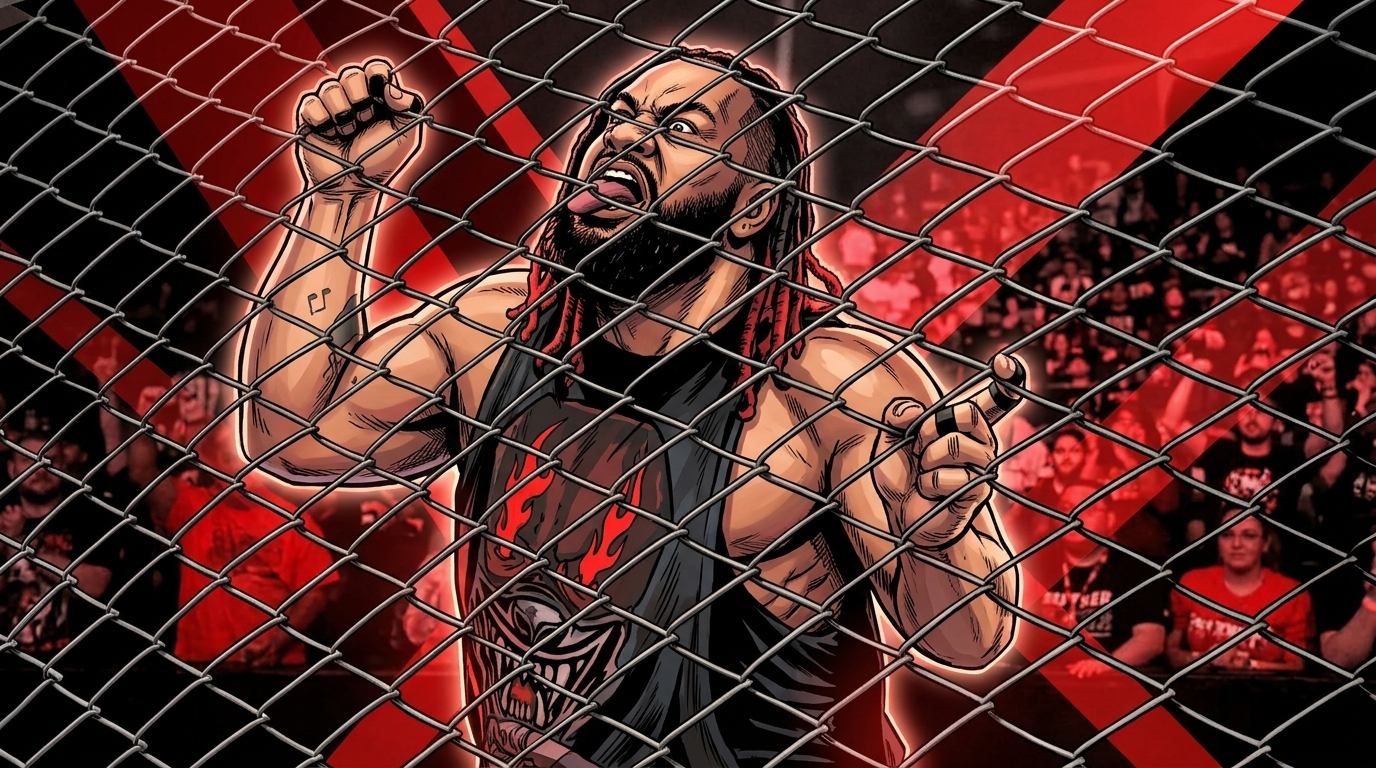
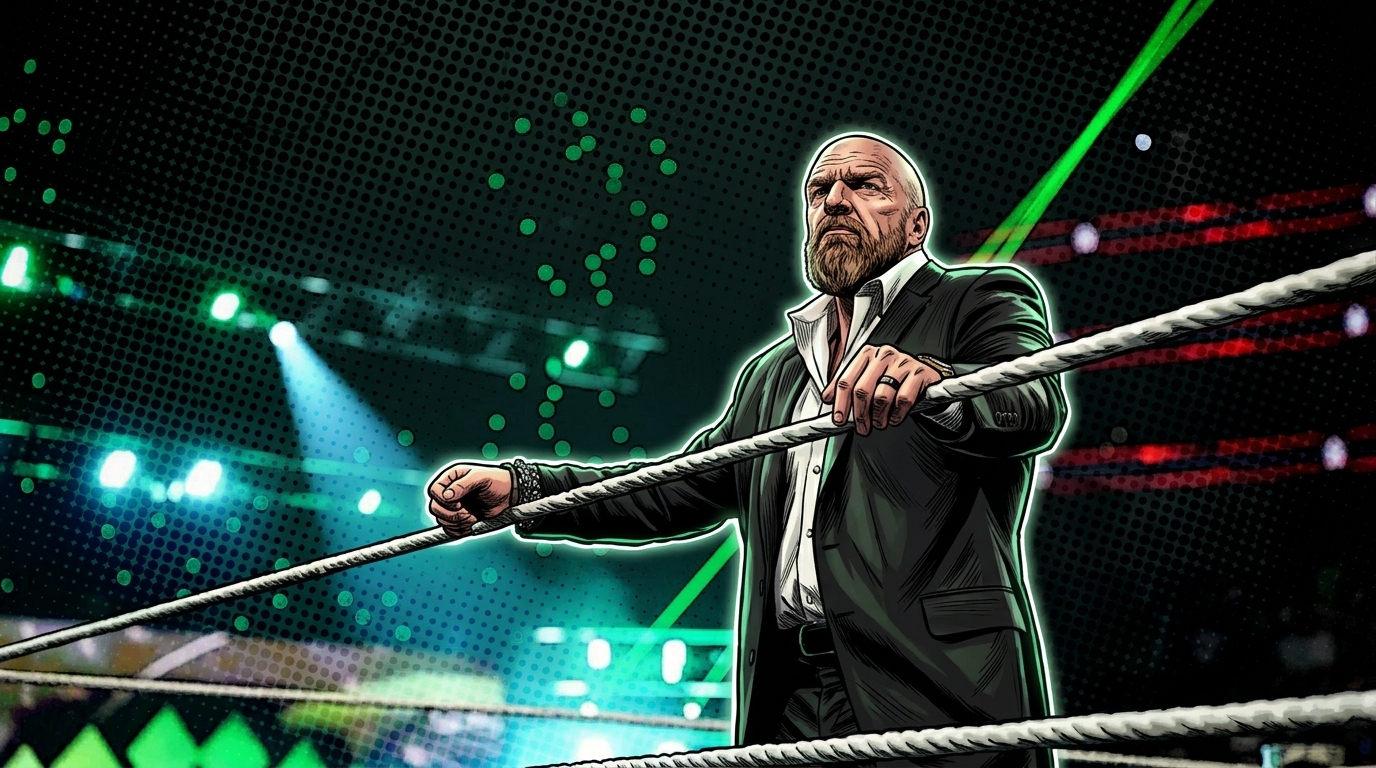
That’s the frame I couldn’t shake watching the fallout from WWE’s Aug. 31 episode of Raw, when Royce Keys, Bronco Nima, and Lucien Price jumped Jey Uso and Jimmy Uso backstage and dragged them out of a car during the attack that kicked off this entire angle. Jey ended up bloodied on camera, and Netflix’s broadcast blurred his face. Triple H, WWE’s own Chief Content Officer, posted the unedited footage on his personal accounts before the night was even over. Netflix blurred the blood, Triple H didn’t, and that gap is basically the whole story in miniature.
What’s actually interesting isn’t the blur itself. It’s how fast wrestling fans decided whose side to take. A fandom that has spent years defending WWE’s blood-and-violence house style against outside critics turned around and cheered on the company’s own executive for going around the platform that pays for the show. It was never really about the gore. It’s about who actually controls the story on WWE Raw now, and for the first time in a long time, the answer isn’t obviously WWE.
For most of its history, that question didn’t need asking. WWE’s official broadcast was the only version of the story that existed. If a spot got trimmed for time or a shot got sanitized, that was simply what happened — no comparison, no complaint, no second cut floating around to argue with. Netflix’s ten-year, $5 billion deal to carry Raw starting in January 2025 changed who holds the camera without changing that old assumption, and the assumption is the thing that broke. A streaming platform’s content-moderation team can now edit the promotion’s biggest storylines, and the promotion’s own leadership is treating that as a bigger threat to the product than any actual on-screen rival.
This wasn’t a one-time note from a nervous standards department, either. According to WrestleVotes’ reporting for Fightful Select, WWE staff feel handcuffed by Netflix’s restrictions, and some internally didn’t expect the parameters to be this intensive going in. The same reporting lists a small pattern building underneath this one incident: blood censored on Bron Breakker, a shoving match between Cody Rhodes and Gunther obscured mid-frame, Brock Lesnar’s shirt blurred because it spelled out, in plain text, an instruction to talk something and get hit for it. None of that reads like an accident. It reads like a standards document WWE never got to negotiate line by line.
Netflix has already cut away from Raw before, which is what makes this feel less like a glitch and more like a policy fans noticed before any outlet bothered to write it up as one. Here’s what was sitting in my timeline the morning after:
https://twitter.com/wrestlelamia/status/2103412487425331535
The joke works because it isn’t really a joke. A wrestling news account with a six-figure following summarized the entire situation faster than either company’s PR department managed an actual response, because there hasn’t been one. WWE hasn’t issued a statement. Netflix hasn’t issued a statement. The clearest signal anyone in either building has sent is Triple H’s own Instagram grid, and he sent it without asking anyone’s permission first.
That’s the actual story underneath the blood and the blur. Handing your distribution to a company that answers primarily to advertisers means handing over more than a Monday night time slot — it means handing over the editorial judgment on what’s too much for an audience WWE spent decades training to expect exactly this. WWE built that audience on the idea that the violence is part of the product’s honesty. Netflix inherited the audience and applied a different value system to it without checking whether the audience agreed.
I don’t know if Triple H posting his own uncensored cut is a one-off flex or a preview of how this friction gets handled from here on out. What I do know is that it’s a genuinely strange thing to watch a promotion’s own leadership treat a multi-billion-dollar streaming partner like a notes-giving executive to route around rather than a partner to answer to. If you want to watch where this goes next, the rest of our WWE coverage is probably the best seat in the house, one blurred face at a time.