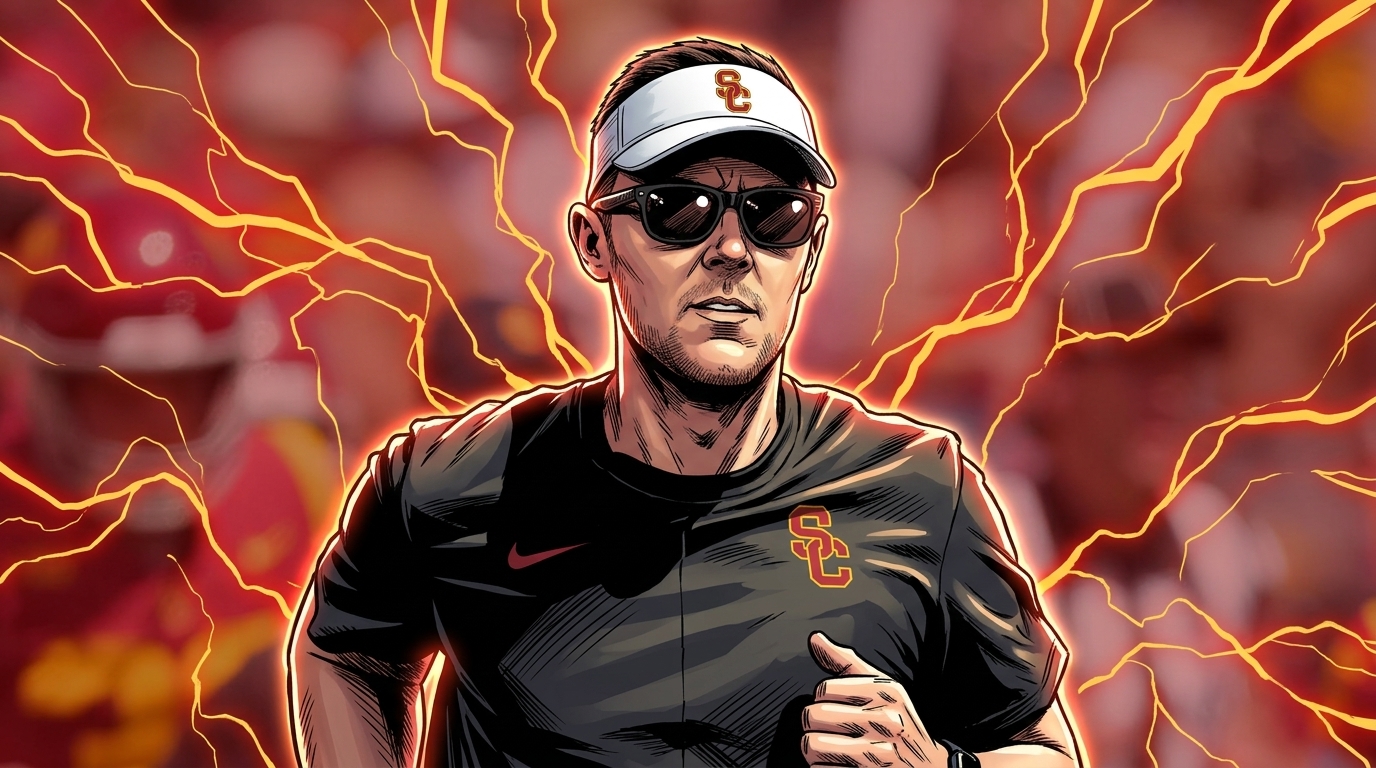

USC beat San Jose State by 16 points Saturday afternoon on national television, with the No. 1 recruiting class in the country already sitting on the roster, and the Coliseum was still visibly empty for most of it.
Officially, 51,144 people were there. Nobody who watched the broadcast believes that number; the bowl looked about a third full when USC opened the second quarter, rows of maroon seats sitting there like a bill nobody wanted to pay. It was 94 degrees at kickoff, with a heat index closer to 104, and USC enters the season ranked No. 14 in the AP poll, tied with BYU. The heat explains some of it. It doesn’t explain why a program carrying that much hype needs to be talked into believing its own city will show up.
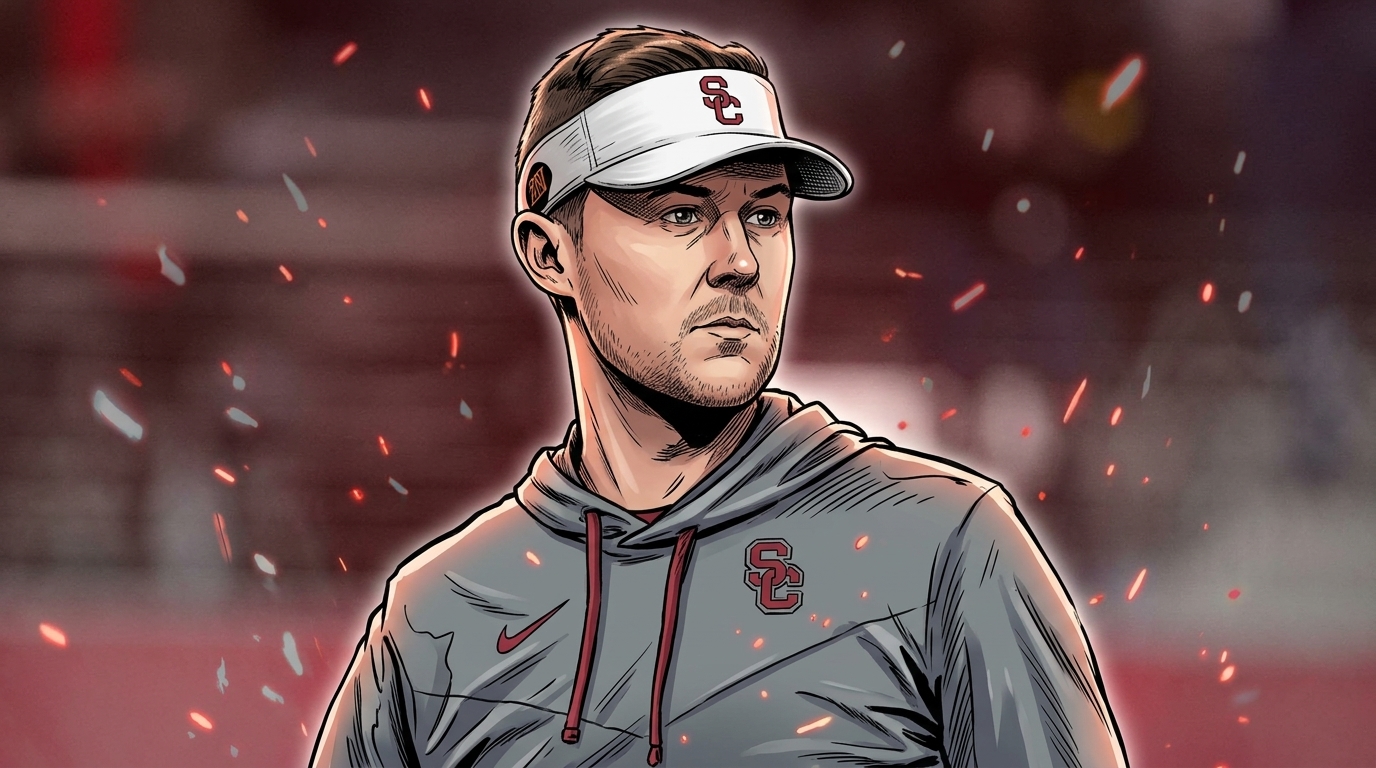
USC averaged 67,782 fans a game at home last season, and last year’s opener against Missouri State pulled 62,841 through the gates. San Jose State went 3-9 a year ago; USC opened as a 38.5-point favorite, a spread large enough to turn a football game into a formality, and tickets on the secondary market were going for as little as nine dollars. A fanbase staying home because it’s worried about the outcome would be one thing; a fanbase that has already decided the outcome doesn’t matter is a considerably worse problem for Lincoln Riley to have.
A program is a lot like a building under construction: you pour the foundation, frame it out, bring in better materials every year, and eventually you’re supposed to open the doors and let people see what you built. USC has been pouring concrete for four years now. The framing is good; nobody in the country would argue the framing is good, not with USC’s No. 1 recruiting class walking through the door this cycle, the first time a non-SEC program has landed the top class since Miami did it in 2008. But a building is only impressive while it’s still promising to be finished. At some point the scaffolding comes down, and the people who’ve been watching it get built have to decide whether the thing inside was worth the wait.
The Coliseum’s empty sections are that decision, made in real time, on national television, by a fanbase that has sat through Lincoln Riley’s playoff drought without complaint for four straight years now. He went 11-3 in year one, good enough that USC finished the regular season No. 4 in the CFP rankings before a Pac-12 title game loss to Utah knocked them out of it. He followed that with 7-5, then 7-6, then a 9-4 bounce-back last year that still ended with zero Playoff appearances. Riley is 10-0 in season openers at USC, which is either proof he can still coach or proof that he’s built an entire program around one specific afternoon a year.
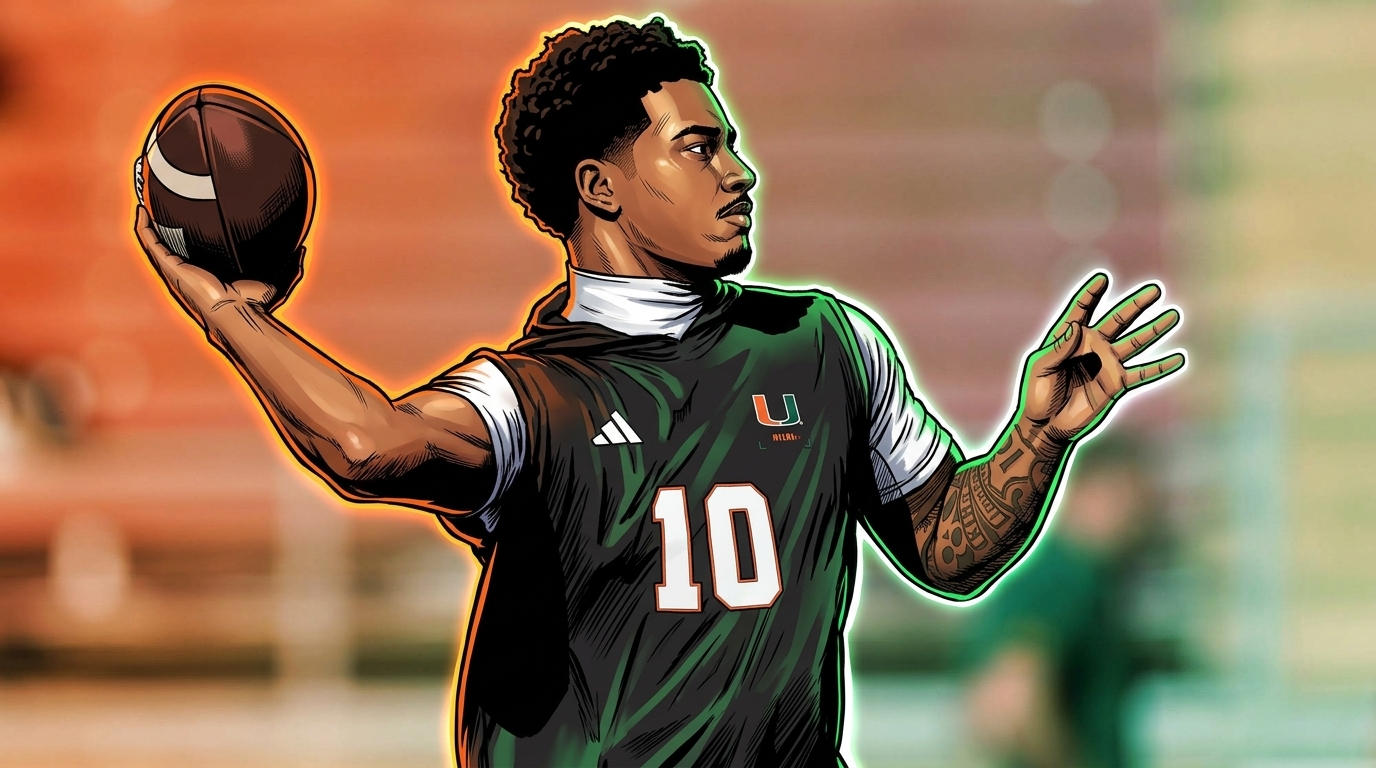
That’s the part that should actually worry him. It’s not the attendance number, inflated or not; it’s what the attendance number is measuring. Jayden Maiava threw for 286 yards and two touchdowns and USC still won by three scores against a team that lost nine games last season, and the building still couldn’t fill itself. A fanbase at a program that just signed the best class in America shouldn’t need convincing to show up for a Week 0 win over a team like that. The fact that this one apparently did is a scarier signal than anything that happened between the hash marks.
There’s a version of this where the heat gets the blame and the noon kickoff gets the blame, and by October, when USC is favored by four touchdowns over whoever’s next, the seats fill back in and everybody forgets a national audience watched a third of a 77,500-seat stadium sit empty for a 16-point win. Los Angeles noticed anyway:
https://x.com/BrooksAustinBA/status/2093774814943080833
Twelve people is an exaggeration, obviously; it works only because it’s aimed at something true.
USC didn’t lose Saturday. It just spent an afternoon proving that winning by itself isn’t enough to get anyone in Los Angeles to leave the house anymore, and that’s a bill that comes due a lot slower, and a lot more expensively, than anything on the scoreboard.