
We’ve had three weeks to argue about which of the eight WNBA playoff teams is the “real” favorite, and every one of those arguments has ended the same way: someone changes the subject to seeding math instead of naming a team. That’s the tell. When the playoffs tip off Sunday, September 27, no team in this bracket, not even the No. 1 Minnesota Lynx, walks in as a runaway pick, and we don’t think that’s an accident.
The easy version of this story is Cinderella. The Golden State Valkyries erased a 16-point deficit in the final minutes to steal the No. 2 seed against the Los Angeles Sparks on the season’s last night (the Sparks probably still hear that fourth quarter in their sleep). The real version is less romantic and more useful. A salary cap that jumped from $1.5 million to roughly $7 million this year didn’t just make players richer. It erased the roster-building advantage the league’s old powers used to get from hoarding talent on minimum contracts, and an expansion year that added two new franchises still produced the tightest bracket in league history. That’s the mechanism behind the parity, not the vibes.
What Actually Happened to the Salary Cap?
The WNBA’s 2026 collective bargaining agreement raised the team salary cap from $1.5 million to roughly $7 million, a jump SportsPro called the largest single-year cap increase in U.S. pro sports history. Minimum salaries jumped past $270,000, more than four times the old floor, and the league produced its first $1 million contracts under a $1.4 million max.
For a decade, WNBA rosters got built around a cap so tight that a max deal barely cleared six figures (this is not a typo — that’s the era we just left), and the same style of front office that could stack minimum-salary depth around one star had a real, structural advantage over everybody else. The new deal runs seven years, through 2032, and adds a revenue-sharing model that didn’t exist under the old CBA. The fight to get there got treated in a lot of corners as a paycheck story. It was actually the whole explanation for why nobody can call this bracket before Sunday.
None of this happened in a vacuum where the league just got richer for the teams that were already good. 2026 is also the first season for two expansion franchises, the Toronto Tempo and Portland Fire, bringing the league to 15 teams (Toronto and Portland get to watch this bracket from outside, for now, like every expansion class before them). Neither made the playoffs. Both exist as proof that the cap increase applies to the entire league, not just the eight teams playing this weekend, which is the part of the parity story that gets lost once the conversation narrows down to just the bracket.
How Wide Open Is This Bracket, Really?
By ESPN’s count, the gap between the No. 1 Lynx and the No. 8 New York Liberty was seven games this regular season, down from 11 last year and 17 two seasons ago. That’s the tightest top-to-bottom spread in recent WNBA history, and it’s the real evidence behind the “anyone could win it” framing, not just a feeling.
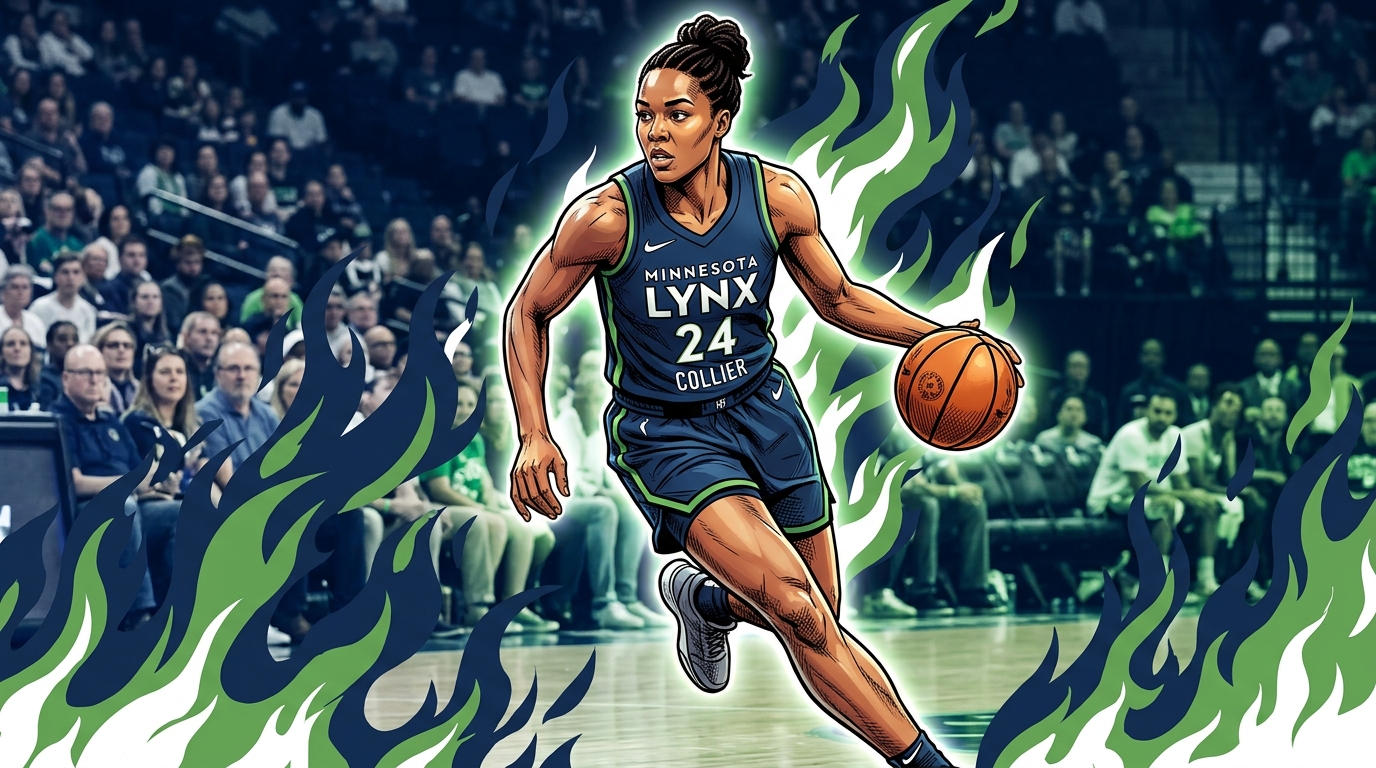
ESPN’s own preview frames this as the most wide-open postseason field in recent memory, with the Lynx as favorites but not the runaway pick, and that tracks with how their season actually went. Napheesa Collier came back from ankle surgery midseason and still helped drag Minnesota to the No. 1 seed, and that’s the version of “favorite” this bracket allows: earned, not inevitable.
The full bracket, per CBS Sports, pairs the Lynx against the New York Liberty, the Las Vegas Aces against the Indiana Fever, the Atlanta Dream against the Washington Mystics, and the Valkyries against the Dallas Wings. Sunday’s four Game 1s run back to back, starting at 2 p.m. Eastern with Lynx-Liberty, then Aces-Fever at 4, Dream-Mystics at 7, and Valkyries-Wings closing the night at 9. The first round is best-of-three, which means none of the four higher seeds gets much cushion if the opening game goes sideways.
Dream-Mystics is the series nobody will preview correctly, which is the whole point of a 4-5 matchup with a genuine coin-flip feel. That used to be rare in this league; this year it’s just Sunday at 7 p.m. Wings-Valkyries carries its own tension for a different reason: Dallas has the least name recognition of anyone left standing and nothing to lose against a No. 2 seed that just spent one night proving it doesn’t fold.
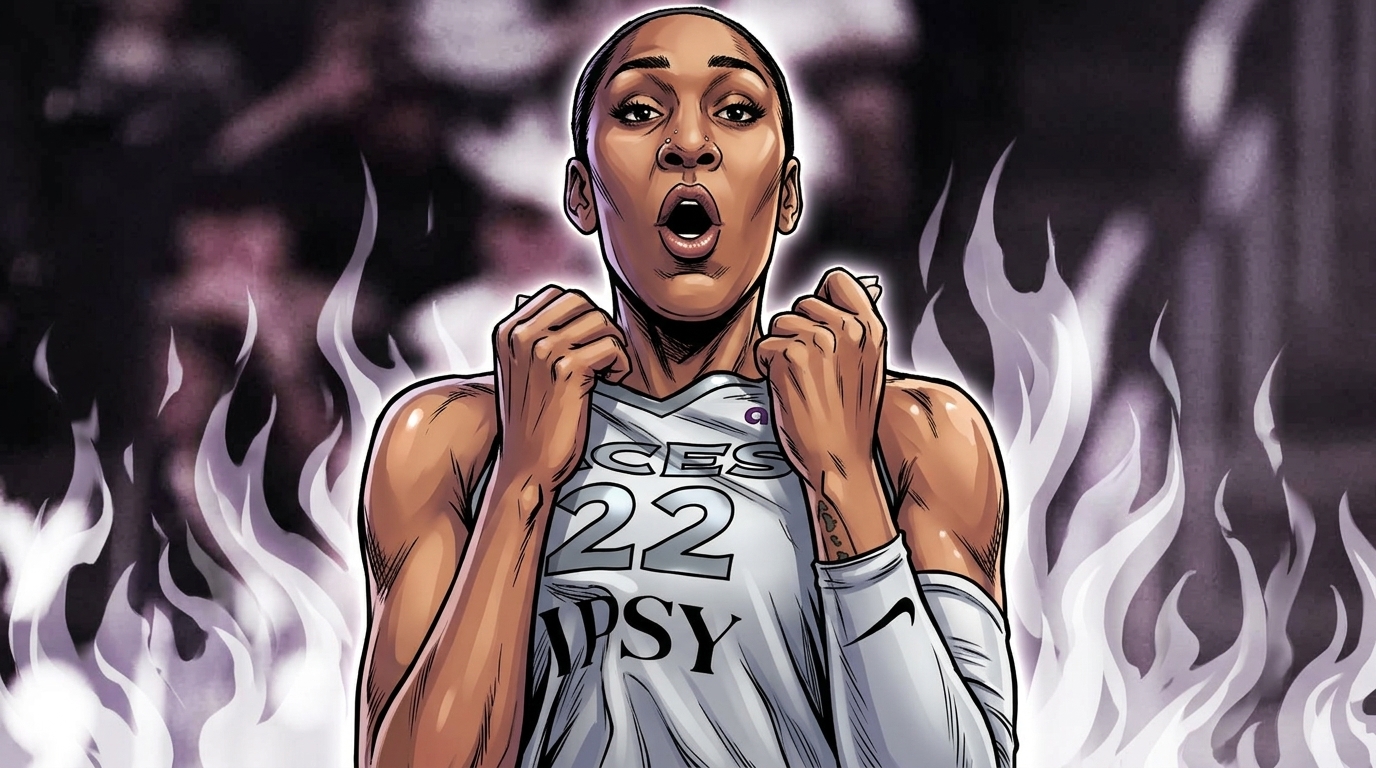
The Aces-Fever series alone could carry its own headline: Caitlin Clark and Indiana trying to solve a Las Vegas roster still built around A’ja Wilson, in a matchup that would’ve been a lopsided Aces win two cap cycles ago and isn’t now. The Valkyries, for their part, were the best team nobody was talking about all season long before the finale comeback made them the loud story.
ESPN put it plainly when the bracket locked Thursday night:
https://twitter.com/espn/status/2103339561090724186
The trophy emoji is doing some work there, but the sentiment under it could’ve come from anyone covering this league right now. Nobody has separation.
So Who Wins It?
I’ll take Golden State over Minnesota, and I don’t think that’s the safe answer. The Lynx have earned favorite status, Collier is healthy, and the No. 1 seed exists for a reason. I’m not arguing they’re a fraud. But a team that doesn’t blink down sixteen points in the final minutes of a season finale is playing with something the seeding chart can’t measure, and I think it carries into October.
I follow Bundesliga soccer with real affection for Borussia Dortmund and a permanent understanding that Bayern Munich wins anyway, because financial gaps in sports don’t close on their own. They calcify. What the WNBA just did with this cap is the opposite move, made on purpose, and the seven-game gap between the top and bottom seed is the proof it worked before the ball is even tipped. If free agency under the new cap tightens that gap even further next spring, this September stops looking like an outlier and starts looking like the new floor for competitive balance in the league.