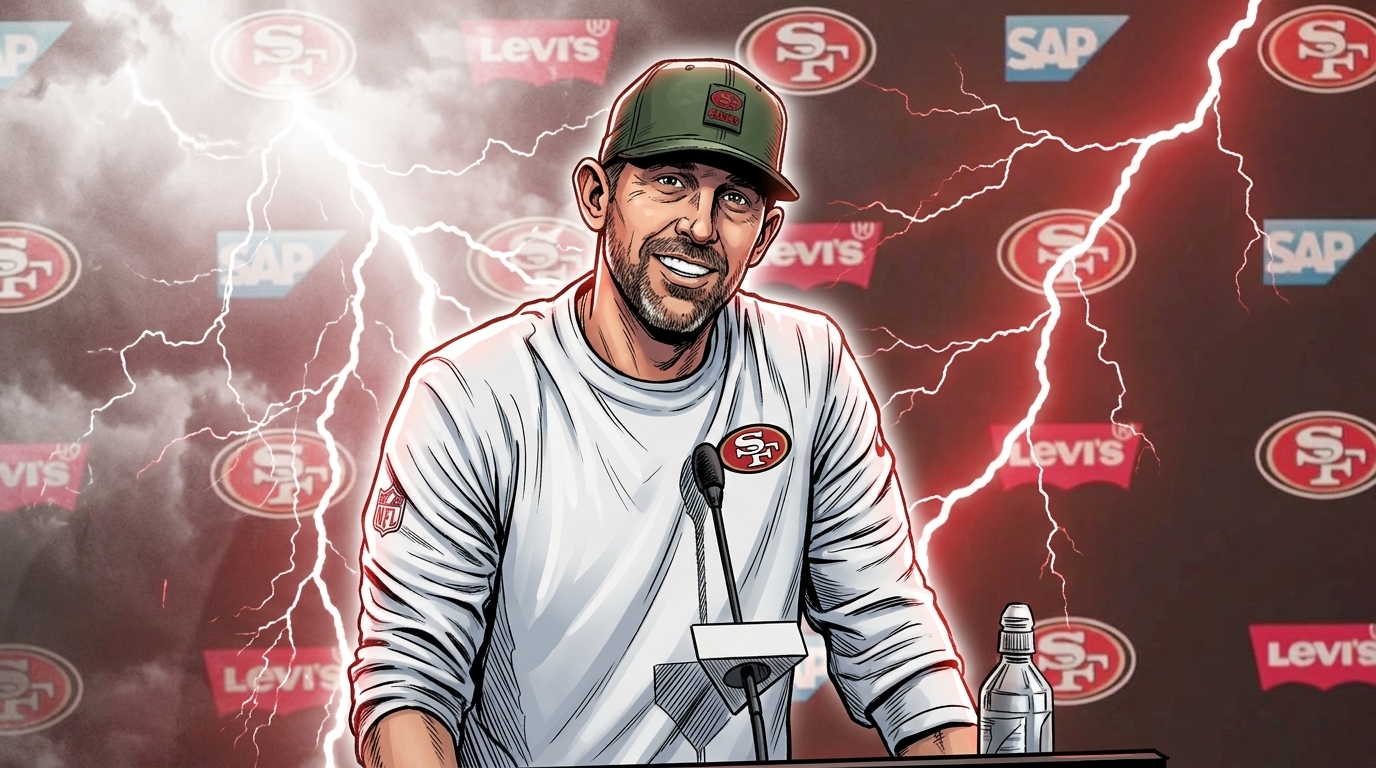

Call it the Survival Index: in a league that ages receivers out at 30, the only birthday that matters is the one where you are still standing on Sunday. By that measure, the 49ers just bought the best score in football. They acquired 34-year-old Keenan Allen from the Colts for a 2027 sixth-round pick, and they did it while already leading the league in offensive work from players 30 or older.
How old is the 49ers offense, really?
San Francisco leads the NFL in offensive snaps and offensive touchdowns from players 30 or older, and ESPN Research put the totals at 2,943 snaps and 25 touchdowns. Translate that: a huge share of the work in this offense goes to players who, by the usual math, should be fading, and a good chunk of it ends in the end zone.
The receiver market makes the picture sharper. Only five players 33 or older have 300 receiving yards this season, and the 49ers have three of them: Allen, Mike Evans and George Kittle. Three of the league’s five old and productive pass catchers sit on one roster.
The trade itself came before Tuesday’s deadline, and it was the second deal between these two teams in three weeks, after DeForest Buckner went to San Francisco on Oct. 27. Indianapolis, described as rebuilding, is handing over its leading receiver, with 40 catches this season, for a sixth-round pick in next year’s draft.
https://x.com/TomPelissero/status/2120224371361116598
Allen arrives with a résumé the calendar cannot shrink. His 1,095 career receptions are the eighth most in NFL history, seven short of Cris Carter for seventh. His offseason came with its own headlines, and his Week 9 game against Dallas was modest: four catches for 26 yards. San Francisco is betting that a career of volume matters more than one quiet Sunday.
Why does an old roster keep working?
Here is the Survival Index in plain terms. Age tells you how likely a player is to break down. Availability tells you who is actually on the field when the bill comes due. Roster builders usually treat the two as the same thing. San Francisco treats them as separate columns, and it keeps collecting players who score well on the second one.
Ricky Pearsall is the clean example. He went on injured reserve after knee surgery in training camp, and the receiver room needed a body that could produce right now. Pearsall’s injury opened a hole that a sixth-round pick can fill, which is the entire appeal of the old-veteran market: the price is low because everyone assumes the clock is ticking, and the player is already finished with his developmental years.
Think of it as depth insurance written in veterans. A young receiver has a higher ceiling and a longer runway, but he also has a roster spot that is empty if his knee does not cooperate. An older one has already shown his body can handle an NFL season, which is a form of information a scouting report cannot match. Kittle is the proof of concept: a 33-plus player still putting up 300 yards.
What does Allen change?
He gives San Francisco a third name on that 33-plus list, and a 34-year-old leading a rebuilding team in catches is the kind of player a rebuilding team has little use for. Indianapolis had Allen leading its receivers with 40 catches, and the Colts still decided that a late pick was a fair return. Rebuilding teams price in the future. Contenders price in next Sunday, and a veteran with 1,095 catches on his record is a next-Sunday asset.
Notice what the 49ers did not do. They did not pay for upside or wait on a young receiver to grow into the job. They used a 2027 sixth-round pick, the smallest chip a front office can spend, and turned it into a player ESPN says sits eighth all time in receptions. The Survival Index rewards that kind of patience with the calendar: the cheaper the pick, the lower the cost of being wrong.
The counterargument is real, and it deserves a full hearing. Snap counts and touchdown totals measure who played, not who played well, and older players carry a steeper injury risk every week they stay on the field. A 25-touchdown total could also reflect a roster that simply has few alternatives, and a 34-year-old with 40 catches on a rebuilding team is not evidence of a rising player. If Allen’s production keeps sliding, the Survival Index becomes a list of people who are merely still around.
That risk is priced into the deal, though. A sixth-round pick is the cheapest possible way to test the theory, and the theory has a built-in answer: if the oldest option is the healthy option, the oldest option is the one who plays.
Watch the Carter chase. Allen is seven catches from passing Cris Carter for seventh all time, and if he gets there in a 49ers jersey, expect other contenders to copy the move next trade deadline. The question will shift from why San Francisco collects veterans to why anyone pays more for the alternative.