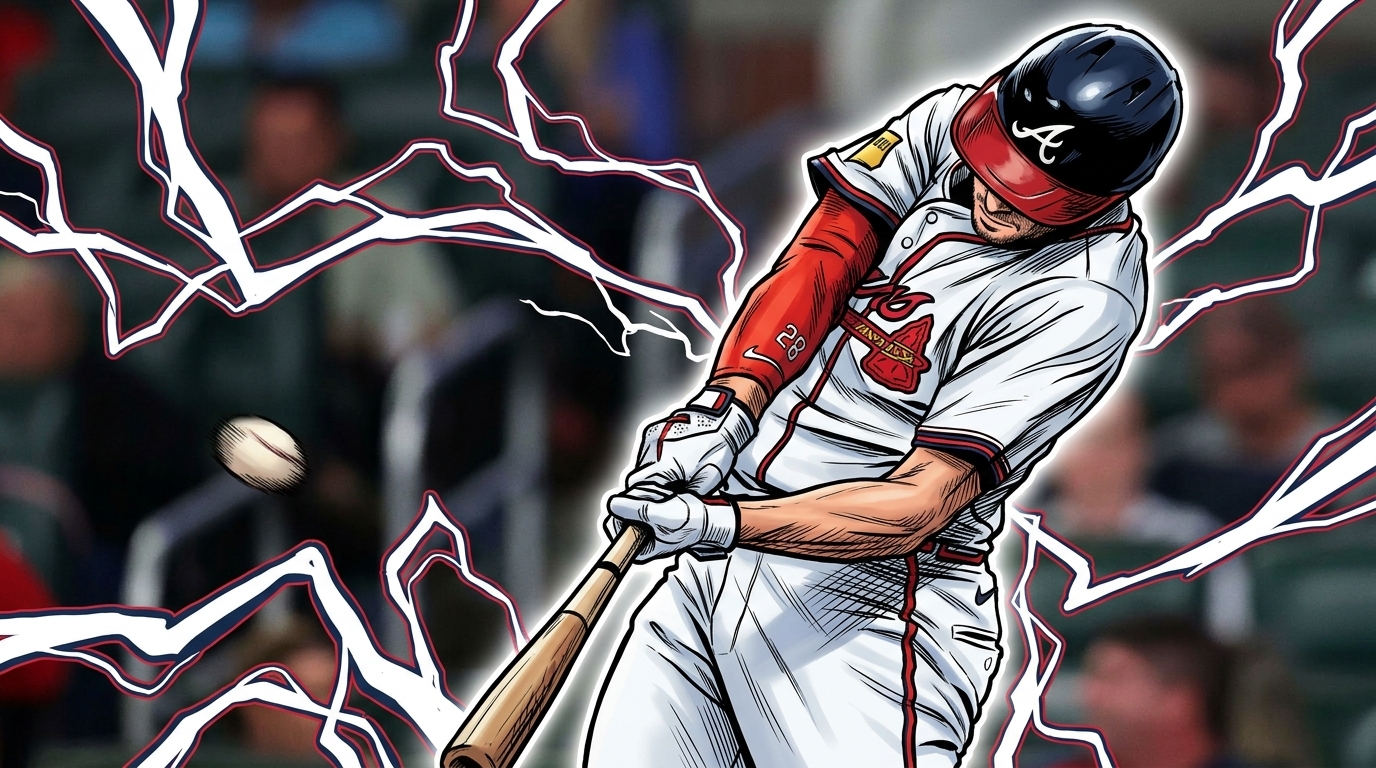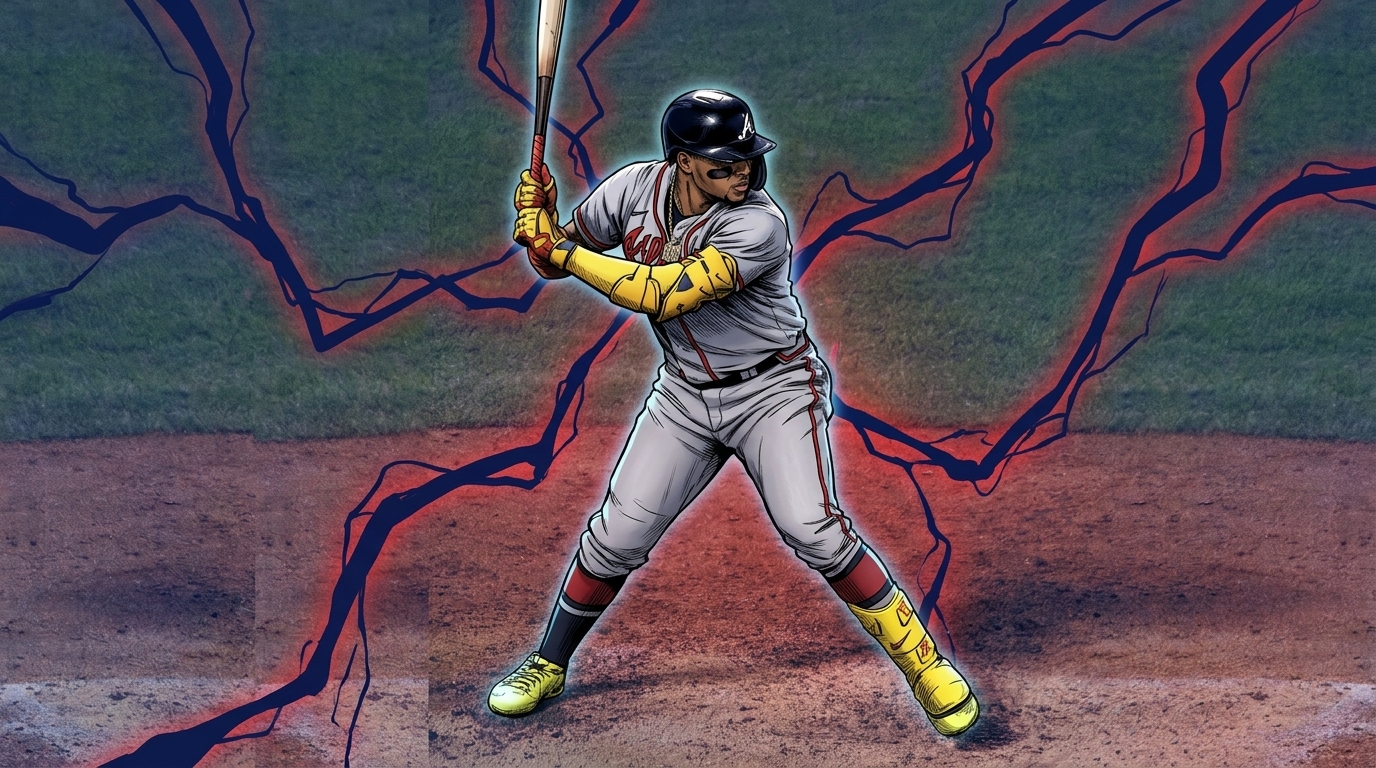

There’s a number that makes Atlanta’s five-game lead in the NL East look smaller than it should: seven. That’s how many games the Braves and Phillies play against each other over the next 10 days, and Friday night’s opener at Citizens Bank Park, a 5-2 Atlanta win, was just the first of them. Chris Sale outdueled Cristopher Sanchez, Ronald Acuna Jr. went 3-for-5, and Mauricio Dubon put the game away with a two-run homer in the eighth. None of that is the actual story here.
The actual story is what a stretch like this measures. Atlanta arrives 9-2 in its last 11 games, which is exactly the kind of form everyone will point to if the Braves pull away. But a five-game division lead with six head-to-head games left on the schedule functions more like a countdown than a cushion, and whoever’s still standing at the end of it will be decided less by who looked hotter walking in than by whose pitching staff holds up across ten consecutive high-leverage days. Sale and Sanchez both went six full innings Friday. The next six games almost certainly will not be that clean.
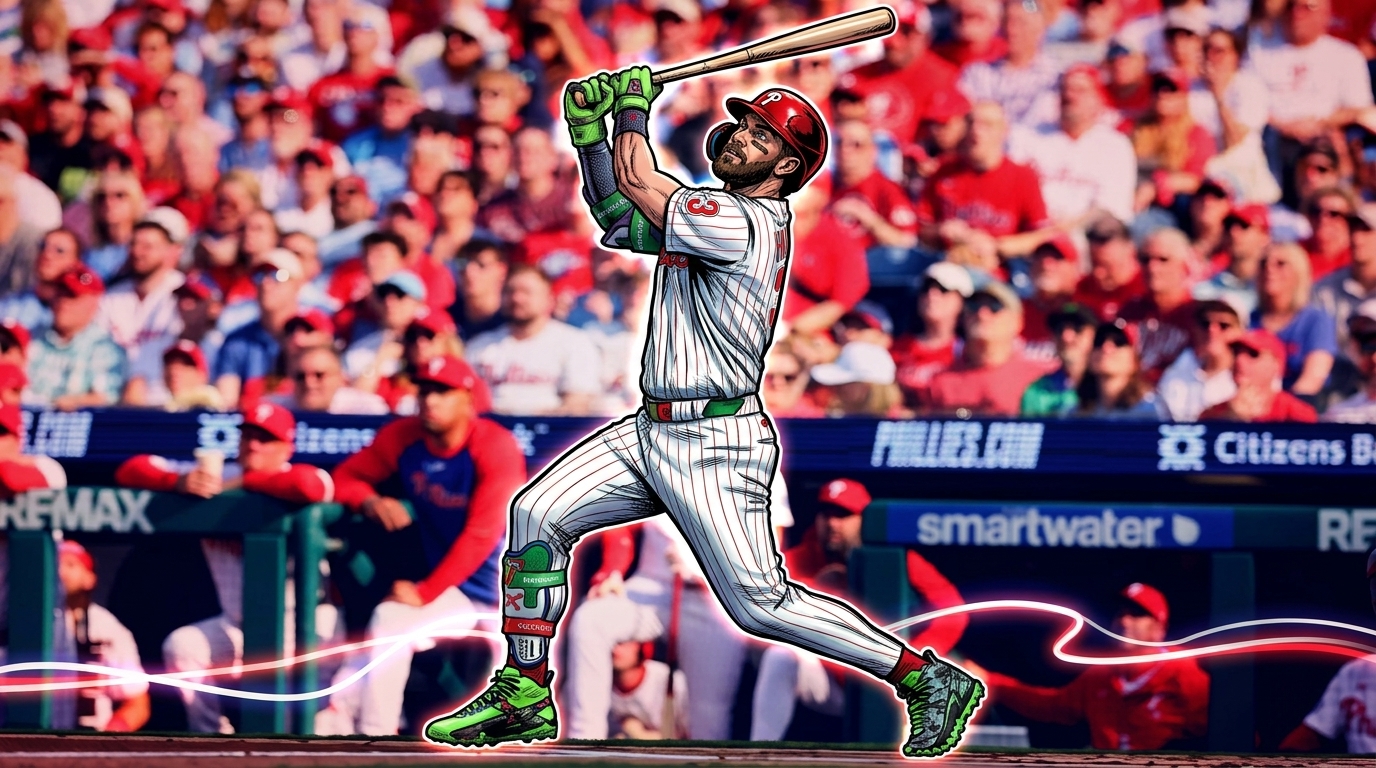
Sale improved to 14-9 with a 2.10 ERA, allowing two runs on seven strikeouts and a walk, per ESPN’s game recap. Sanchez matched him for most of the night, striking out five over six innings of his own, before Dubon’s 390-foot shot in the eighth, his 11th homer of the year, turned a tight duel into a laugher. It was the first real dent in Sanchez’s Cy Young-caliber season, and Alec Bohm’s two extra-base hits weren’t enough to cover for it. Bohm drove in both of Philadelphia’s runs, and Bryce Harper’s 35-game on-base streak, one of the longest active runs in the sport, ended in the same game.
How Many Games Do the Braves and Phillies Have Left?
The Braves and Phillies have six games left in their season series after Atlanta’s opening win. Three more come at Citizens Bank Park from September 5 through 7, then three in Atlanta from September 11 through 13, seven total meetings across a 10-day window that will likely decide the NL East.
That schedule quirk matters more than it looks. Head-to-head games move the standings twice as fast as an ordinary one, since a single result adds a win for one side and a loss for the other at the same time. Atlanta doesn’t just need to keep playing well for the next 10 days. It needs to keep beating the one team capable of erasing that cushion at double speed, one result at a time.
The Real Prize Isn’t the Division. It’s the Bye.
Winning the NL East isn’t even the biggest thing riding on this stretch. Under MLB’s current playoff format, three division winners and three wild-card teams make the field in each league, but only the top two division winners by record get a first-round bye. The Milwaukee Brewers, at 87-54, already have the best record in the National League and have effectively locked up one of those two byes without much drama, which is almost stranger than the number itself.
That leaves one bye slot open, and Atlanta and the Los Angeles Dodgers are functionally tied for it. Sale’s own results the last time he faced the Dodgers, in an uneven series last month, are part of why that race feels closer than a five-game division cushion suggests. Atlanta already lost ground to Milwaukee just before this stretch began.
https://twitter.com/MLB/status/2091267309058785316
Lose the NL East to Philadelphia, and Atlanta doesn’t just fall to second place. It falls out of bye contention completely, because only division winners are eligible for one of the top two byes. A team that’s currently in position for a first-round bye can play its way into a full wild-card round in the space of six baseball games. That’s the part of this stretch nobody’s pricing in correctly.
What Actually Decides a Seven-Game Bullpen War
Sale and Sanchez each covering six innings Friday was the best-case version of this series for both teams. It meant neither bullpen had to absorb extra work in game one of seven.
That won’t hold. I track pitcher workload the same obsessive way I track my three fantasy rotations every summer, and the pattern that worries me here is a simple one: bullpens accumulate fatigue in a straight line, and both of these staffs are about to get pulled on for six straight days against the one opponent that punishes every mistake.
Atlanta’s bullpen depth is the more interesting variable, because the Braves chose not to reinforce it. Atlanta’s decision to sit out the trade deadline looked defensible in July, when the team was still finding its footing. It looks a lot riskier now, with the division and a playoff bye both getting decided by which relief corps survives ten straight days of games that all carry the same weight as a playoff start.
Philadelphia isn’t immune to the same math. Sanchez can’t start every remaining game, and neither can Sale. Whoever’s bullpen cracks first across the next six games, not whoever’s lineup is hotter on a given night, is going to be the one still looking up at the standings when this stretch ends.
The Trade Deadline Bill Comes Due
Everyone watching this series is watching the wrong scoreboard. The box score says Braves 5, Phillies 2, and it says Atlanta’s lead is five games instead of four. Neither number tells you what actually happens over the next 10 days, because that outcome lives in bullpen logs and workload charts, not in Friday’s line score.
Give me the Braves to take the series, not because Acuna and the offense look sharper right now, but because of the asymmetry nobody’s saying out loud: Atlanta only has to split the last six games to keep both the division and the bye race exactly where they are, while Philadelphia needs to win most of them just to make this close again. A bullpen that cracks under pressure is a real risk for Atlanta. Needing to sweep or near-sweep a six-game set just to get back in the race is a bigger one for Philadelphia. Atlanta didn’t add pitching depth in July. It’s about to find out if that decision was smart patience or a bill that’s finally due.