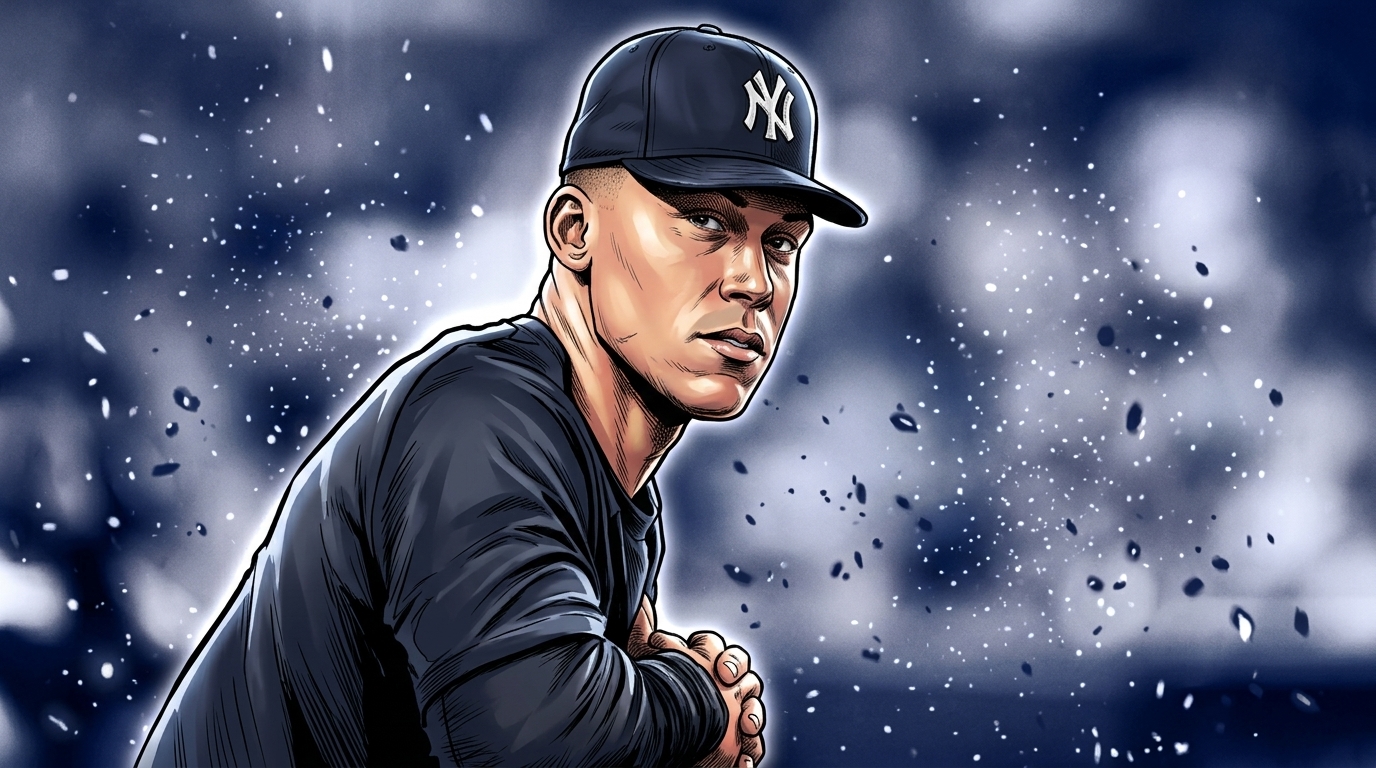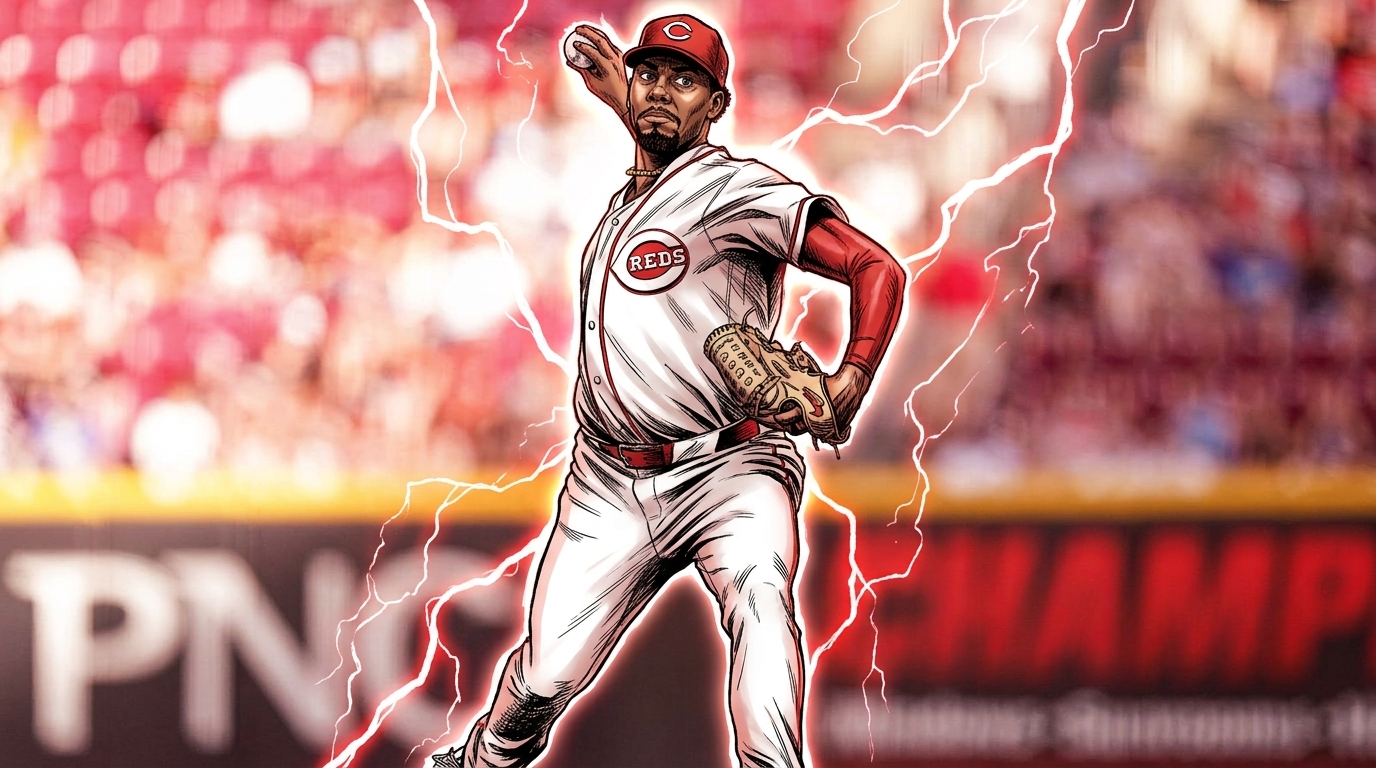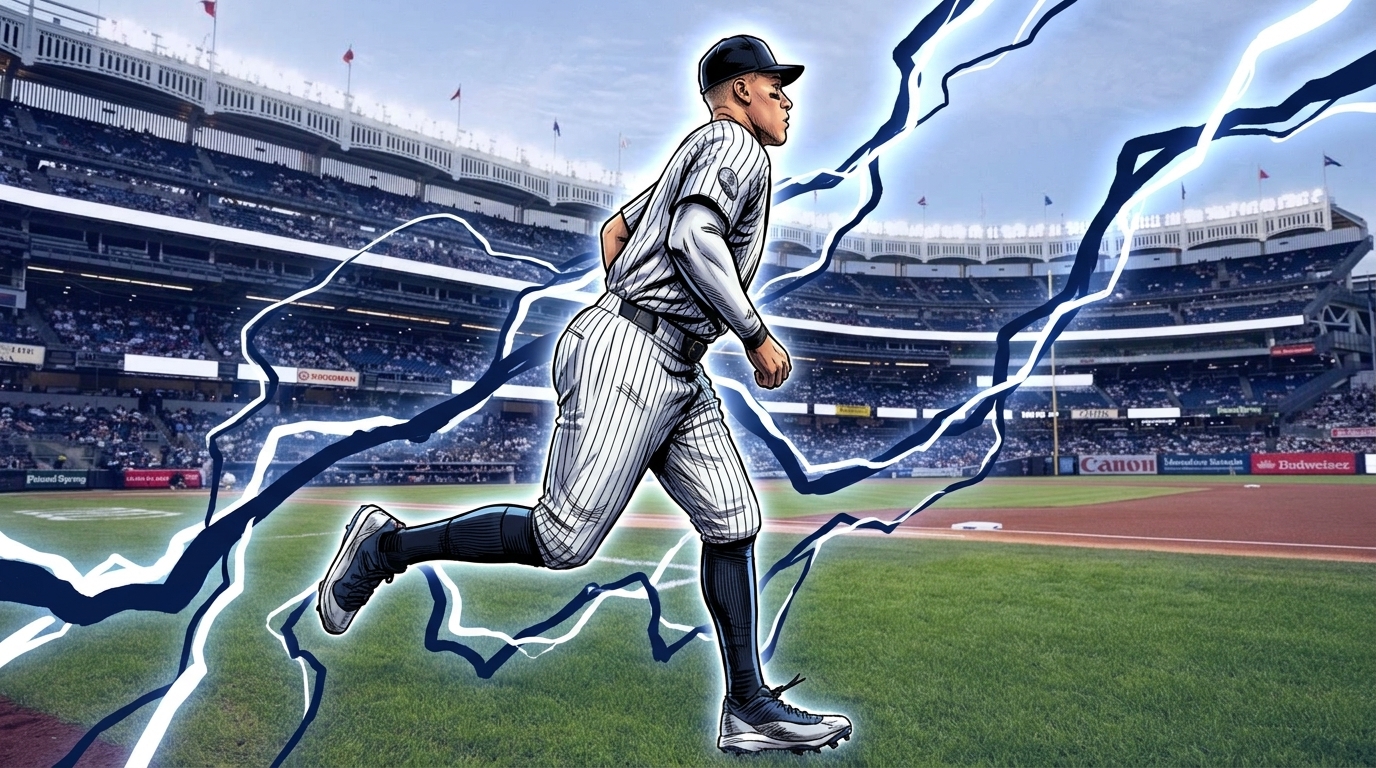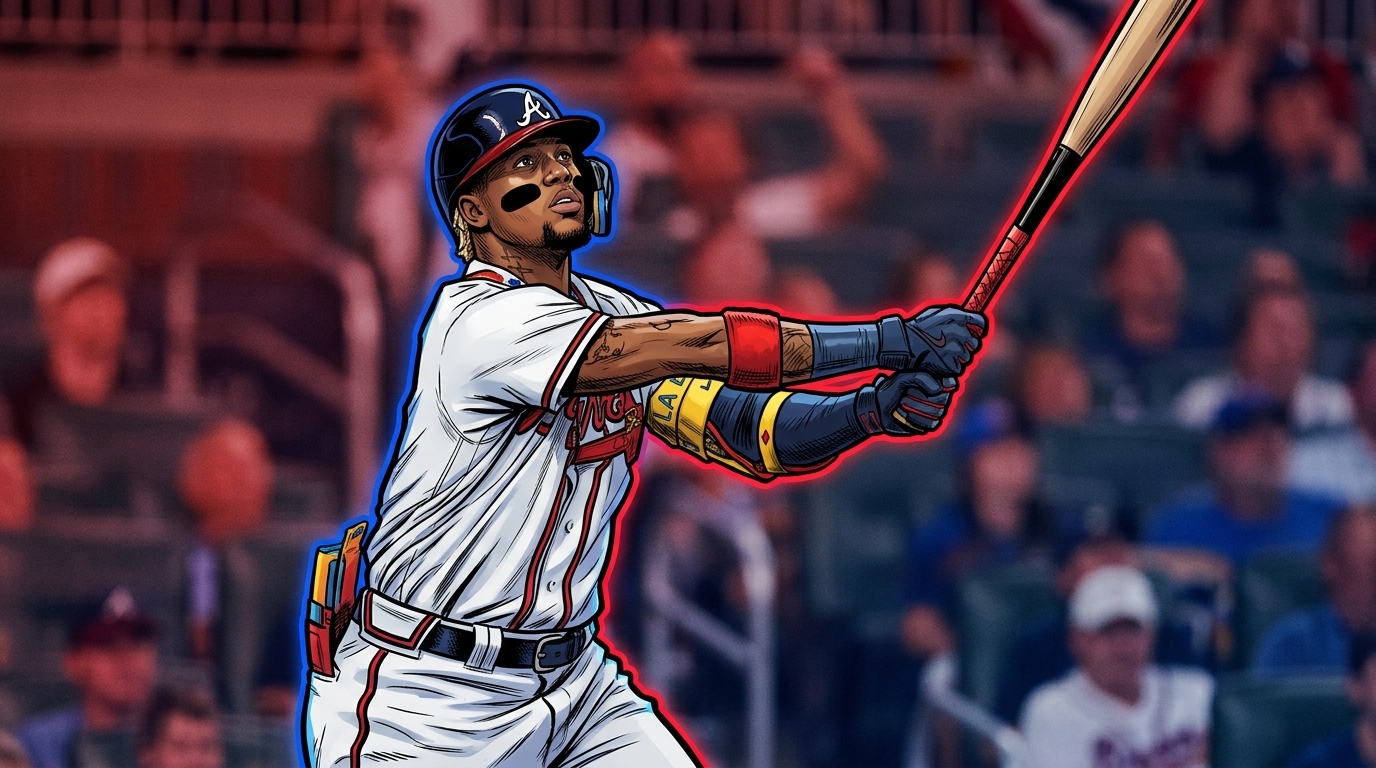

We’ve listened to a decade of explanations for why baseball expanded its Wild Card round: more urgency, fewer coin-flip win-or-go-home games, a format built to manufacture exactly the kind of night that used to happen by accident once a decade. On September 30, baseball got that night without asking for it. The Philadelphia Phillies, Astros, Boston Red Sox and Chicago Cubs all woke up Wednesday facing the same math: win Game 2 tonight, or the season ends in a decisive Game 3 that never gets played. Four teams, four ballparks, one date on the calendar, and nobody at the league office picked it.
That distinction is worth making before going further. The expanded Wild Card round exists because baseball spent years worried its 162-game season didn’t generate enough urgency on its own, and the format, explicit in its pitch, was built to turn more Octobers into nights like this one. What actually happened on September 30 isn’t that. Four different division winners independently went up 1-0 on the same day, and the format simply had room to let it happen. (The league office would very much like credit for this. The schedule doesn’t work that way.) The structure made tonight possible. The coincidence made it this good, and that’s worth sitting with before anyone hands the bracket a win it didn’t design.
How Many MLB Teams Are Facing Elimination Tonight?
Four teams are one loss from the offseason on September 30: the Phillies, down 0-1 to the Braves; the Astros, down 0-1 to the Chicago White Sox; the Red Sox, down 0-1 to the New York Yankees; and the Cubs, down 0-1 to the Padres. Win Game 2, and each series resets at one game apiece ahead of a Game 3 winner-take-all. Lose, and the season ends tonight.
The day breaks down by start time, not marquee value. Philadelphia and Atlanta went first, 2 p.m. ET on NBC, with the Braves protecting a 5-3 Game 1 win off a lineup that’s been rolling since Matt Olson’s 40th home run clinched Atlanta’s playoff spot just under two weeks earlier. Philadelphia answers with its own alarm system; Kyle Schwarber’s record-pace home run chase has kept a cold Phillies lineup dangerous all September, and it needs to be dangerous again by the ninth. The White Sox look to close out the Astros at 5 p.m. on Peacock, the Yankees host the Red Sox at 8 on NBC, and the Cubs close the night in San Diego at 10, per Yahoo Sports’ rundown of the day’s bracket.
Is This the Format Working, or Just a Coincidence?
Start with what’s actually true right now, because the live texture is doing real work in how tonight feels. The Braves briefly led the Phillies in the seventh inning on a Drake Baldwin hit, a swing MLB’s own account clearly thought was worth capturing live:
https://twitter.com/MLB/status/2105391846557909099
Philadelphia answered, and as of this writing the game is tied heading into the late innings, per ESPN’s live gamecast, with three more series still to start. (By the time anyone reads this, some or all of tonight may already be decided. That’s the nature of writing about a night instead of a result.) Atlanta’s account greeted the seventh-inning swing with the kind of unfiltered relief that only shows up when a fan base has spent two weeks bracing for an early exit:
https://twitter.com/Braves/status/2105392300549681551
None of that settles anything. It’s the appetizer for three more games that haven’t started, and that’s the entire premise of tonight: four separate fan bases staring at the same scoreboard tension on the same Wednesday, and not one of them scheduled it that way.
This is the part worth being precise about. The expanded Wild Card round was built, explicitly, to create more nights like this. Best-of-three replaced the single win-or-die game in 2022, a change MLB Trade Rumors covered as part of a deal reportedly worth an extra $85 million a year to the league through ESPN. That’s a format doing exactly what it was built to do. Four different division winners independently going up 1-0 on the same calendar day, stacking four elimination games into one Wednesday, is something else entirely: the kind of coincidence a format can only take advantage of, never schedule.
How the Wild Card Was Built to Create Nights Like This
The urgency problem predates the 12-team bracket by years. Commissioner Rob Manfred’s pace-of-play committees, and later the pitch clock in 2023, trace back to the same anxiety: a 162-game season generates plenty of baseball and not always enough reason to watch a specific Tuesday in September. Postseason expansion was the loudest answer to that anxiety, and the format delivered almost immediately. The 2022 debut round saw three of four underdogs win their series, including a 15-inning, 1-0 Guardians walk-off that one fan-analysis site flagged at the time as proof the new round could produce real theater. Four years later, the format is still capable of theater. It just isn’t the reason four teams happen to be desperate on the same night.
This specific pool of four teams already produced one tidy coincidence this season: the Cubs and White Sox actually clinched their playoff spots on the same day, a rare bright spot for a Chicago sports market that doesn’t get many. The Yankees have their own recent proof that late-season theater doesn’t wait for a schedule to command it; Aaron Judge picking the perfect night to wake up punctuated New York’s clinch, and the Yankees carry that same 1-0 series lead over Boston into tonight’s Game 2.
What Happens if Tonight Doesn’t Repeat
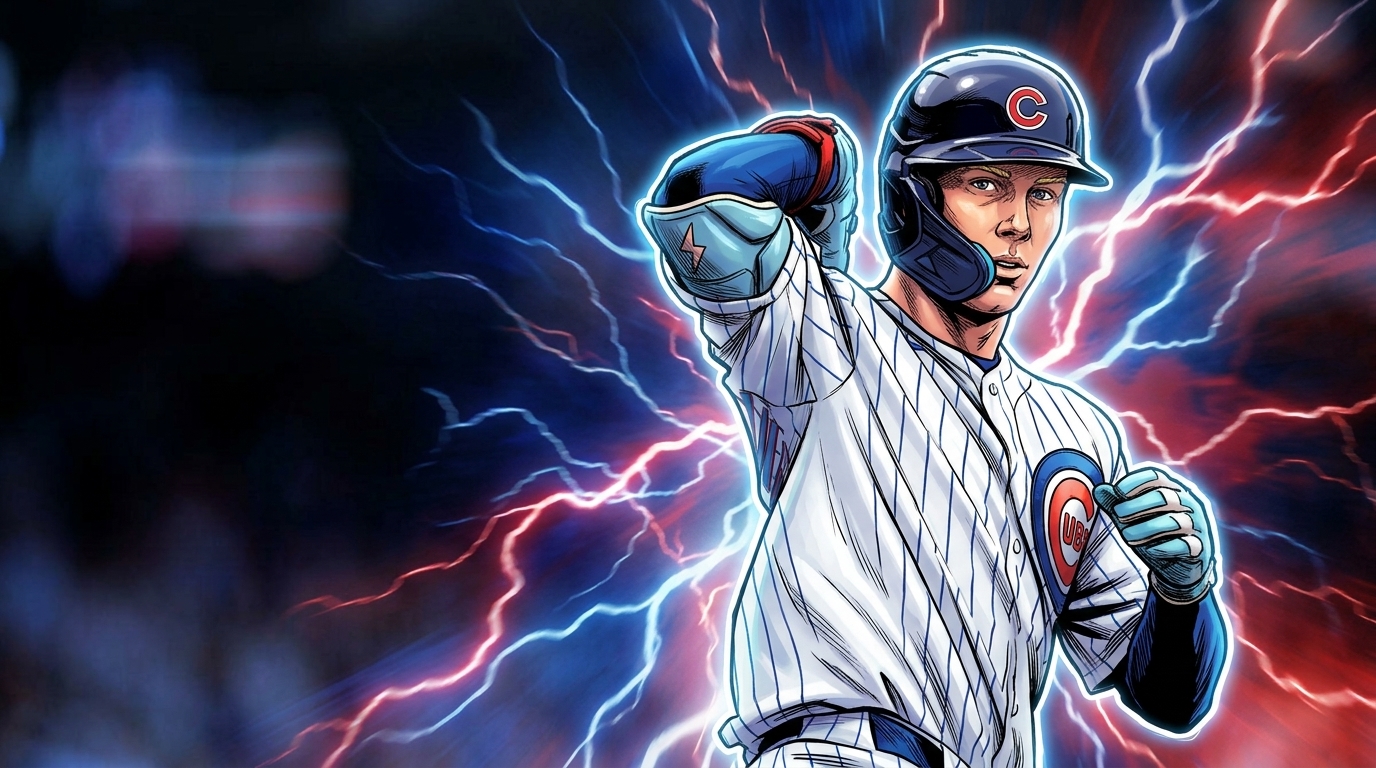
The Cubs-Padres game closes the night at 10 p.m. ET on Peacock, and it’s the one I’ll watch stomach-first instead of analyst-first. I grew up a Brewers fan in Milwaukee, which means I’ve spent a decade rooting against the Cubs on principle, and Wrigleyville-adjacent chaos on a random Wednesday still gets my attention even from Denver. (Nobody get used to that. It doesn’t happen for the White Sox game.) Chicago’s lineup leans on whoever gets hot against San Diego’s bullpen, with outfielder Pete Crow-Armstrong part of the group the Padres have to solve if the Cubs are going to push this series to a winner-take-all Game 3.
I think the honest answer to how much credit baseball deserves for tonight is: not much, and that’s fine. The format made a stacked elimination night possible. Four separate division races colliding into the same Wednesday is what made it this good, and no scheduling algorithm gets to take a bow for that. Three of tonight’s four games haven’t thrown a first pitch yet. Whichever ones turn into the specific chaos the Wild Card round was actually built for will be the story people are still telling in April, not who built the bracket.