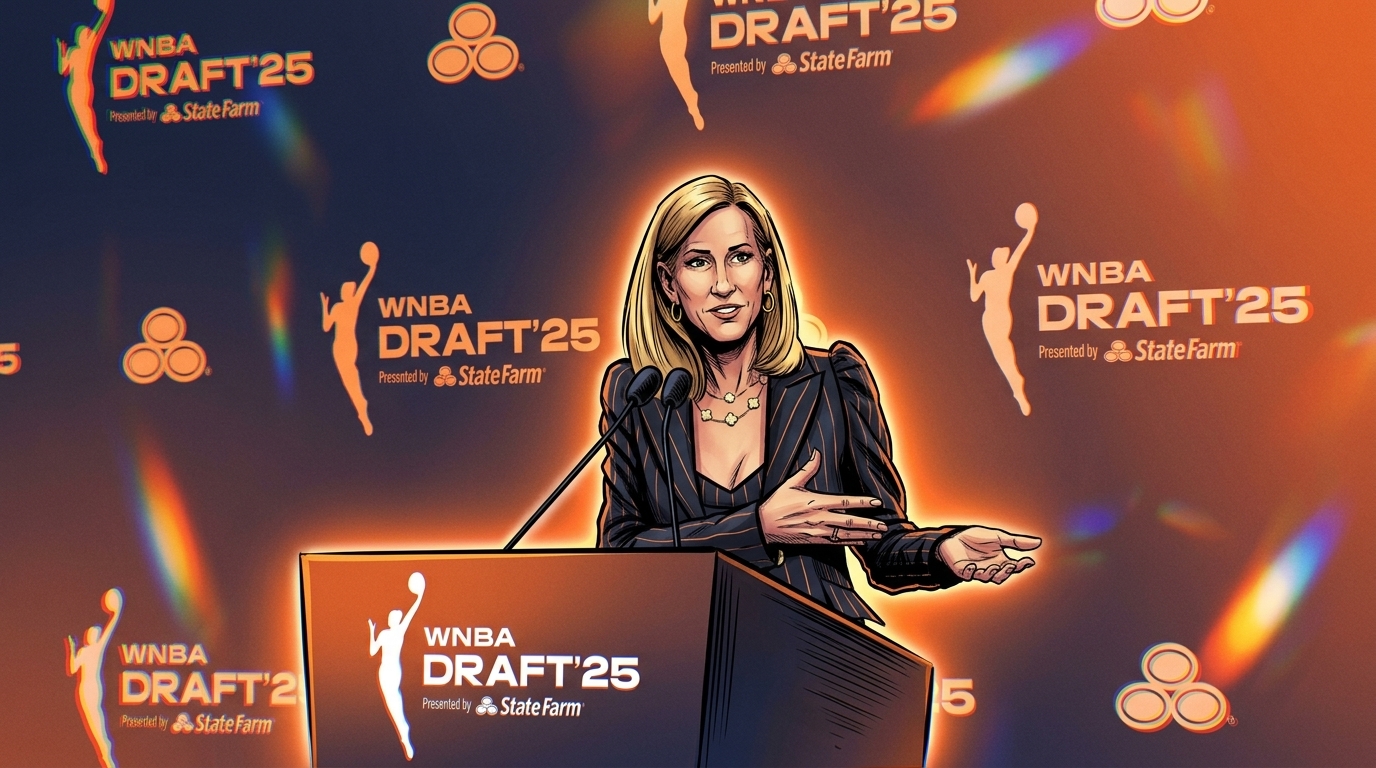

We’ve spent seven years tracking the WNBA by its balance sheet: franchise values, media rights, expansion cities. Now we’re tracking an exit interview instead. Cathy Engelbert announced this week that she’ll retire as WNBA commissioner at the end of 2026, closing out a tenure that took the league from a business nobody in finance wanted to talk about to one everybody suddenly wants a piece of. She isn’t leaving because the project failed. Engelbert turned the WNBA into a $460-million-a-team business, and she’s walking away right as the bill for that growth comes due.
Why Is Cathy Engelbert Retiring as WNBA Commissioner?
Engelbert announced she’ll retire as WNBA commissioner at the end of 2026, after more than seven years in the role and 40 years in business overall. Her tenure took average franchise values from roughly $10 million in 2019 to about $460 million now, while also producing real friction with players over pay, scheduling, and accountability.
In her own statement, Engelbert said that after more than seven years at the WNBA and more than 40 total years in business, she’d made the decision to retire. She followed it with a line that reads a lot more like a victory lap than a resignation: “I retire knowing we have built something bigger, stronger and more enduring than we could have imagined,” she told NBC News. Adam Silver, who has spent this same stretch defending his own league’s labor peace in public, called her tenure “the most significant period of growth in the league’s 30-year history.” (He would know.)
Richard Deitsch, who covers sports media as closely as anyone in the business, flagged the timing of the announcement as a story in itself:
https://x.com/richarddeitsch/status/2095888643692834887
He’s right to frame it that way. A commissioner’s retirement usually gets a news cycle. This one is getting a business-press autopsy, which says something about how far the coverage expectations have shifted along with the valuations.
The Number That Explains Everything
The number underneath Engelbert’s exit is $10 million to $460 million: the rise in average WNBA franchise value from 2019 to today, according to ESPN’s retrospective on her tenure. That’s the fastest valuation climb any North American sports commissioner has presided over in a stretch this short, and it’s the single stat that explains both her legacy and her exit.
(Sportico’s own math lands closer to $427 million, which is the kind of discrepancy that only matters if you’re the one writing the check.) Viewership is up roughly 454 percent since 2019, and attendance about 70 percent, per the league’s own figures. The media rights deal is now worth more than $3 billion, an 11-year agreement spanning Disney, Amazon, and NBCUniversal that would have been unthinkable when Engelbert took the job. Commissioners in older, richer leagues spend entire decades chasing gains like that; Engelbert got there before her second term was even halfway finished.
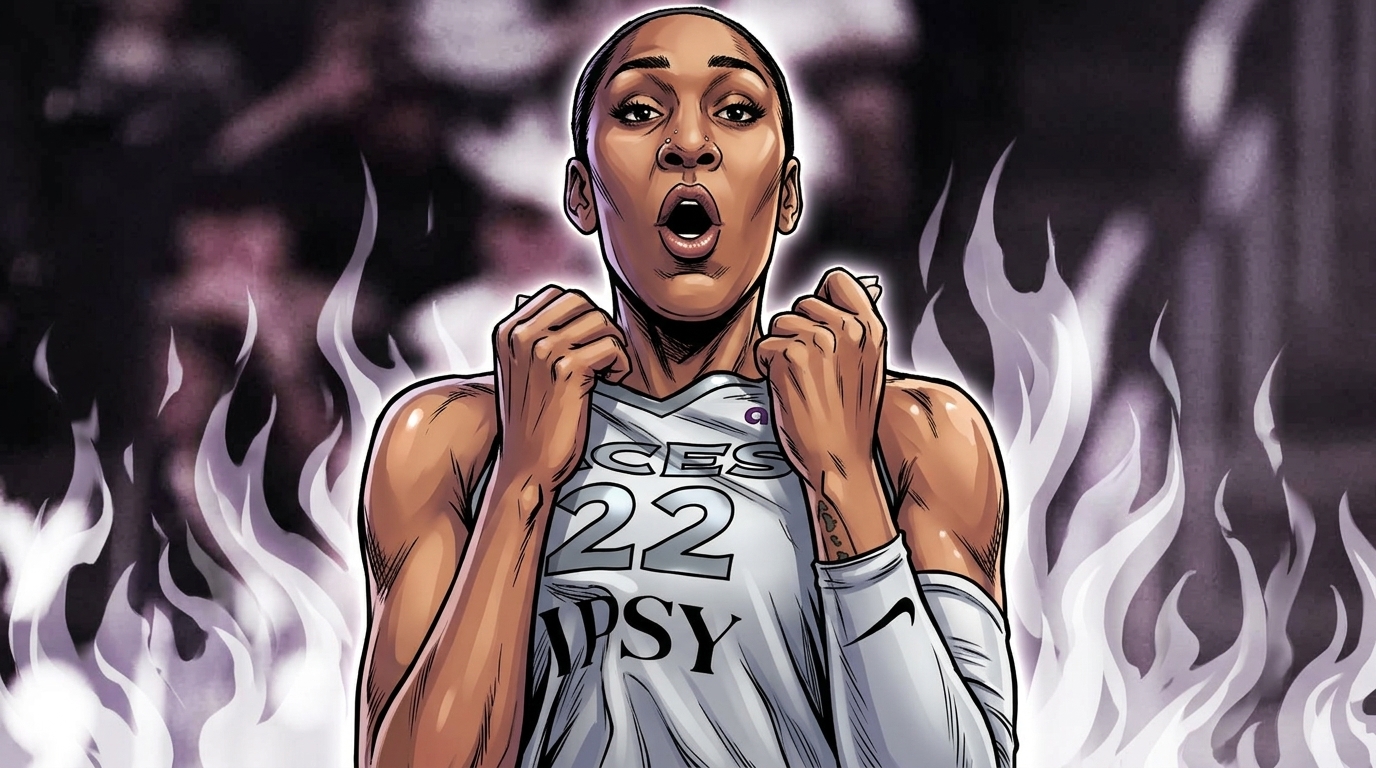
None of that happened by standing still. The WNBA is expanding from 12 teams to 18 by 2030 — Golden State already in, Toronto and Portland arriving in 2026, then Cleveland, Detroit, and Philadelphia by the end of the decade. Engelbert also negotiated two collective bargaining agreements, including the one this past March that produced the league’s first $1 million player salaries and its first real revenue-sharing model. That’s the kind of number that changes what a max deal means for a franchise like the Las Vegas Aces and a player like A’ja Wilson — five years ago, this league would have laughed at the idea of paying anyone like an NBA rotation player.
Growth this fast comes with friction, and the WNBA’s version of it has been loud. The same expansion math that added six cities also strained a commissioner’s ability to referee the league’s own labor-equity fights over pay and scheduling, and it’s no coincidence that this March’s CBA talks got tense enough to leak into public view. A league moving this fast doesn’t get the luxury of a quiet negotiating table.
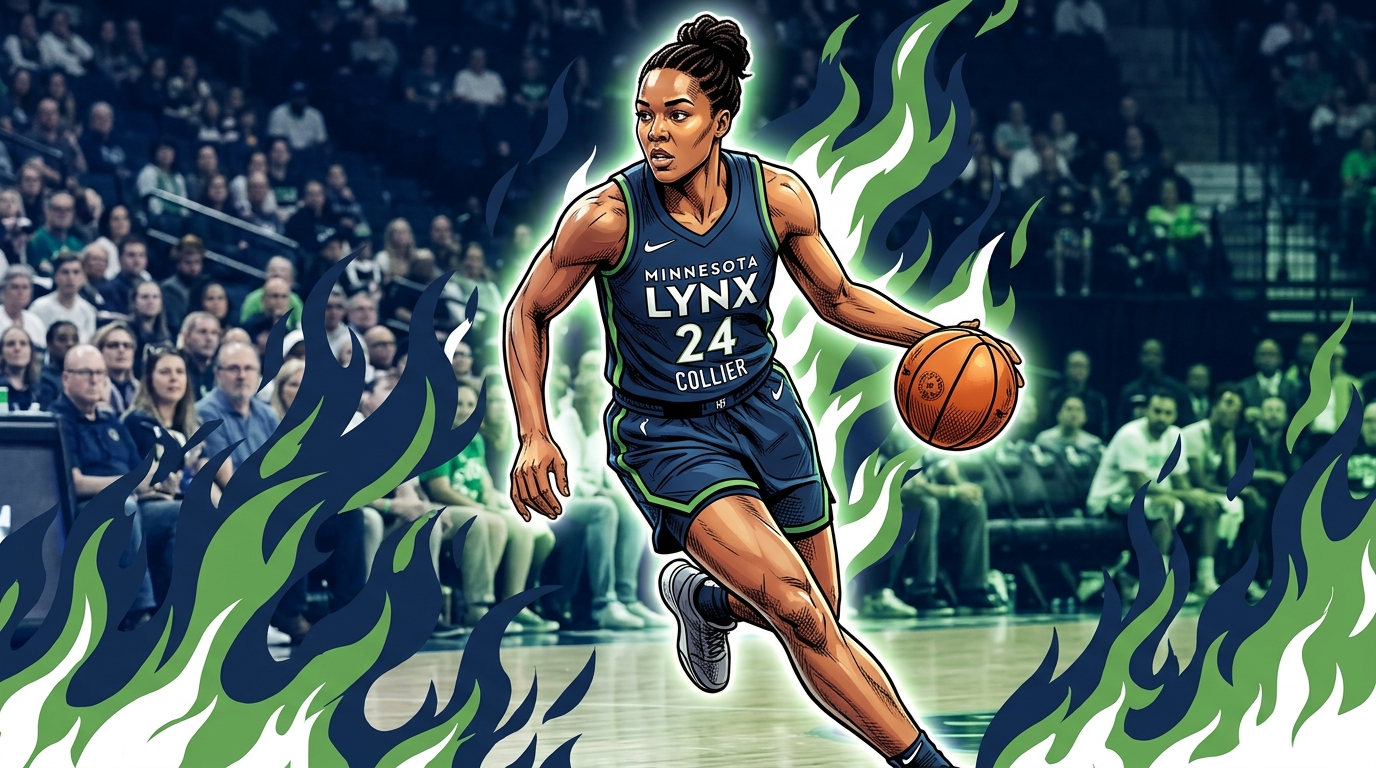
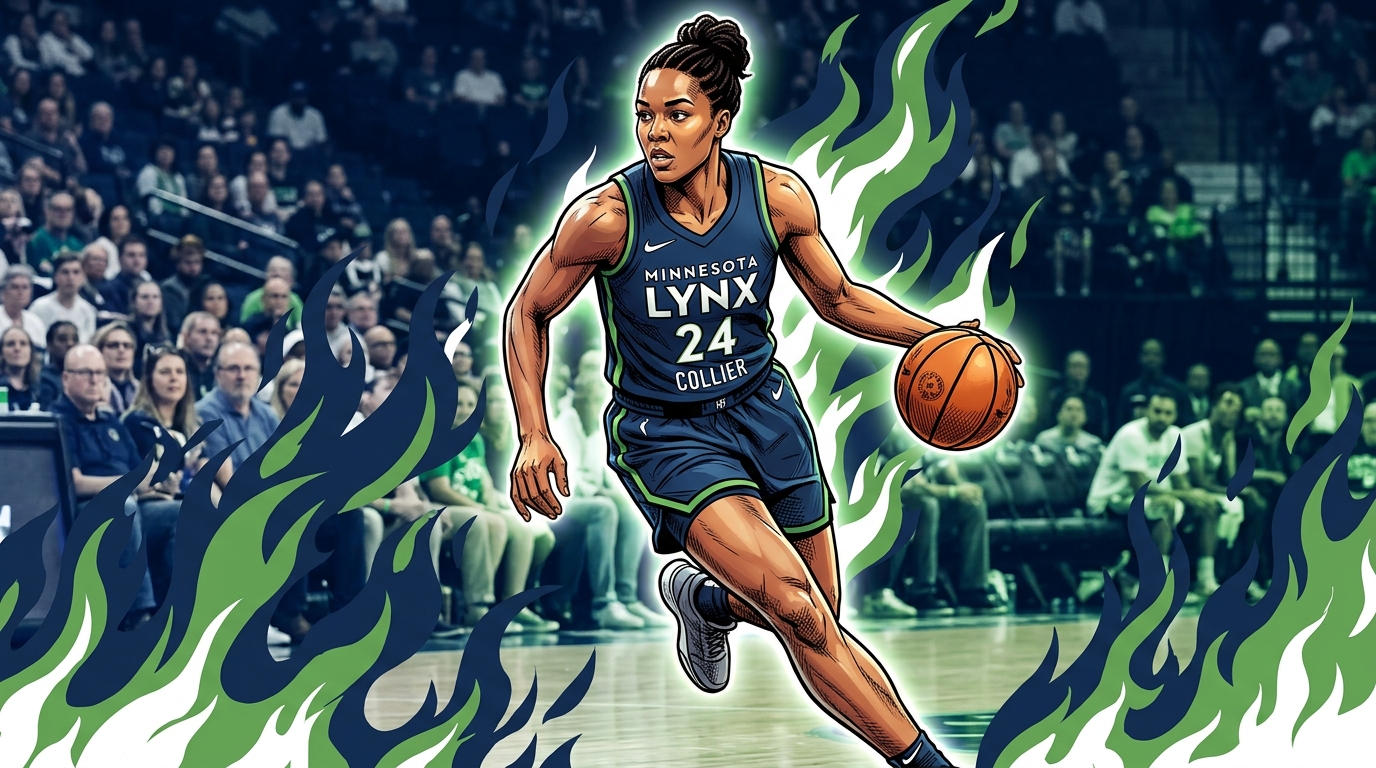
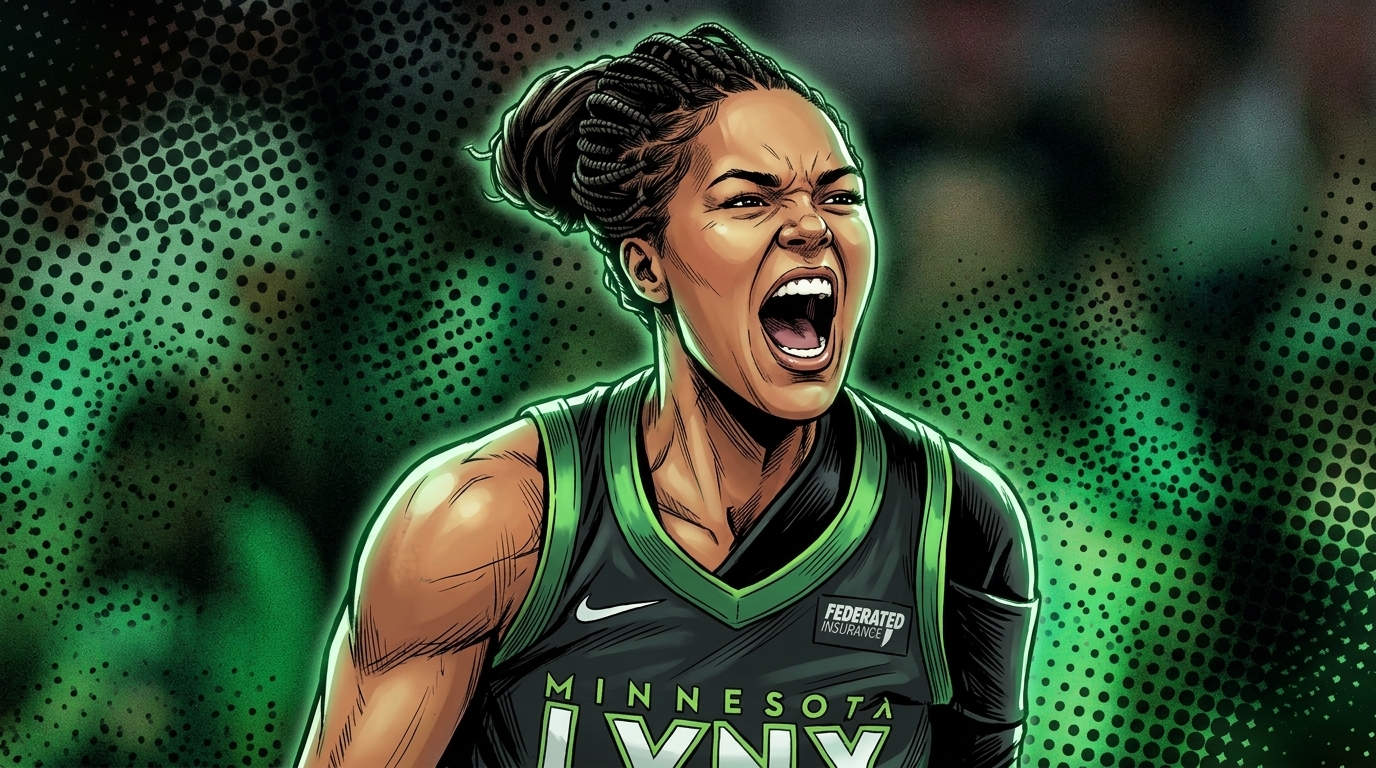
The clearest evidence of that strain showed up in 2025, when Minnesota Lynx star Napheesa Collier used her exit interview to call the league’s leadership tone-deaf, saying at one point that the WNBA has “the worst leadership in the world” over what she described as a lack of accountability from the league office, including how it had handled tension involving Caitlin Clark — comments Collier later called “a little dramatic.” The specifics of what set her off matter less here than what the outburst represented: a star player, in the same season as Napheesa Collier’s return from the injury that fueled her criticism, deciding the person running the league needed to hear it in public instead of in a memo. I spent two years compiling research notes for television analysts who read them back on air without ever crediting the work, so I have a low tolerance for institutions mistaking a talking point for actual accountability. Collier’s complaint reads like someone who hit that same wall from the inside.
I don’t think Engelbert is leaving because of one bad exit interview. I think she’s leaving because that exit interview was a symptom of a job that had outgrown the management style that built it.
What Comes Next for the WNBA?
No successor has been named. Engelbert has said she’s been developing a mix of internal and external candidates for months, which suggests the league wants continuity in its business operations more than a fresh face at the podium. Whoever takes the job inherits a $3 billion media deal, six new markets, and a players’ union that just found out how loud it can get.
It’s not a coincidence that players have already been floating replacements with actual locker-room credibility instead of another outside hire; the accountability gap Collier described isn’t something a corporate turnaround résumé fixes on its own. Terri Carmichael Jackson, who runs the players’ union and has sat in every one of those tense CBA rooms, put it about as diplomatically as anyone could: “We didn’t always agree, but we absolutely shared a belief in what this league could become and in building a better future for the women at the heart of it.” That’s not a ringing endorsement. It’s also not a shot. It’s what you say about a boss you fought with and still respected.
My best guess is the league promotes from inside its own business operation rather than hiring another outside executive with a growth-stock résumé, because the job now is less about proving the WNBA can grow and more about proving it can be trusted by the people who make it worth watching. Engelbert answered the growth question about as definitively as any commissioner in recent memory. She’s leaving the trust question to whoever takes her chair, and that one’s harder.