
We noticed the DraftKings tweet before we noticed the injury report ahead of tonight’s opener against the Patriots, and that ordering says something. On Wednesday afternoon, hours before Seattle and New England kicked off the season, the DraftKings account posted a casual giveaway pitch tied to tonight’s $20 Wednesday Kickoff Millionaire promotion, phrased less like corporate copy and more like a streamer teasing free stuff to whoever happened to be scrolling an hour before a Super Bowl rematch.
https://twitter.com/DraftKings/status/2097721276647326050
That tweet is a small data point inside a bigger shift: sportsbooks aren’t running their Week 1 promos from the commercial break anymore; they’re running them from inside the same feeds as the games, competing for the same attention. I think that distinction, sponsor versus programmer, quietly collapsed sometime in the last year, and this week made it visible.
Consider what else was competing for the same oxygen. An account called @Pickwith456 posted a same-game parlay at odds of +1058 hours before kickoff, captioned in the screenshot-bait format that’s become its own genre on football Twitter. (Not a handle built for trust, which seems to be exactly the point.)
https://twitter.com/Pickwith456/status/2097711618574471482
That post is a stranger’s bet dressed up as content, not journalism, and it was pulling real engagement in the same hours actual football news was trying to land ahead of a genuinely big game. Seattle hosting New England at Lumen Field is the first Super Bowl rematch in the Kickoff Game slot in a decade, with the Seahawks defending the title they took off the Patriots seven months ago, in the middle of the Super Bowl rematch NBC bumped to Wednesday. Somewhere in that window, a parlay screenshot from an anonymous account was outperforming the buildup to the game itself.
None of this happens without the permission the NFL built into this season’s sports betting partnership structure. The league enters 2026 with three official sportsbook partners for the first time (DraftKings, FanDuel, and new entrant Fanatics), each wired into real-time official stats, Next Gen Stats, and BetVision through Genius Sports, plus the rights to use NFL marks in their own promotion. That access is the plumbing. What DraftKings did with the giveaway tweet is what gets built on top of plumbing once nobody’s stopping you.
It helps to remember how fast this ladder got climbed. Odds showed up on NFL broadcasts as a tasteful crawl in the early years of legal sports betting, treated the way injury designations are treated: informational, clinical, easy to scroll past (nobody has ever screenshotted a Tuesday questionable tag). Then came the in-game bet button, the sponsored red zone, the pregame show built loosely around a point spread. Every one of those steps still looked like sponsorship, a business paying for proximity to the product it was near. The DraftKings DM giveaway is not proximity. It is an account behaving like it has an audience, an inbox, and a reason to exist that has nothing to do with the game it is nominally there to advertise.
The books aren’t leaving that parlay-screenshot dynamic to chance, either. This year’s profit-boost tokens and parlay-forgiveness offers are built to reward exactly the type of long-shot, high-multiplier bet that screenshots well, with same-game parlays getting extra weight in the incentive math. A rando hitting +1058 isn’t an accident the marketing department tolerates so much as an outcome it designed for. (Somewhere a product manager is treating screenshot virality as a KPI, and I don’t think that’s a knock so much as an admission of how NFL parlay culture actually works in 2026.)
None of this is unprecedented in isolation. Betr Picks, co-founded by Jake Paul, already packages betting picks in an influencer-style feed instead of a traditional sportsbook interface, proof that betting-as-content was a viable lane before the league’s three incumbents fully committed to it. What changed with the DraftKings NFL Kickoff giveaway is that the biggest player in the room started acting like the smallest ones.
That arrangement isn’t free of friction just because it’s profitable. DraftKings, FanDuel and Fanatics spent $43 million making sure nobody regulates them the way promotion this aggressive tends to invite scrutiny, and the sharps are already fading Seattle’s number on the same Wednesday night game the DMs and parlays are circling. The betting layer and the football layer are tangled enough now that you can’t fully separate marketing spend from market movement, or a giveaway DM from a line move. State regulators have been slower to notice social promotion than they were to notice television ads, mostly because a tweet doesn’t trigger the same review a Super Bowl commercial does. That gap is closing, but it hasn’t closed yet, and this week’s giveaway ran straight through the middle of it.
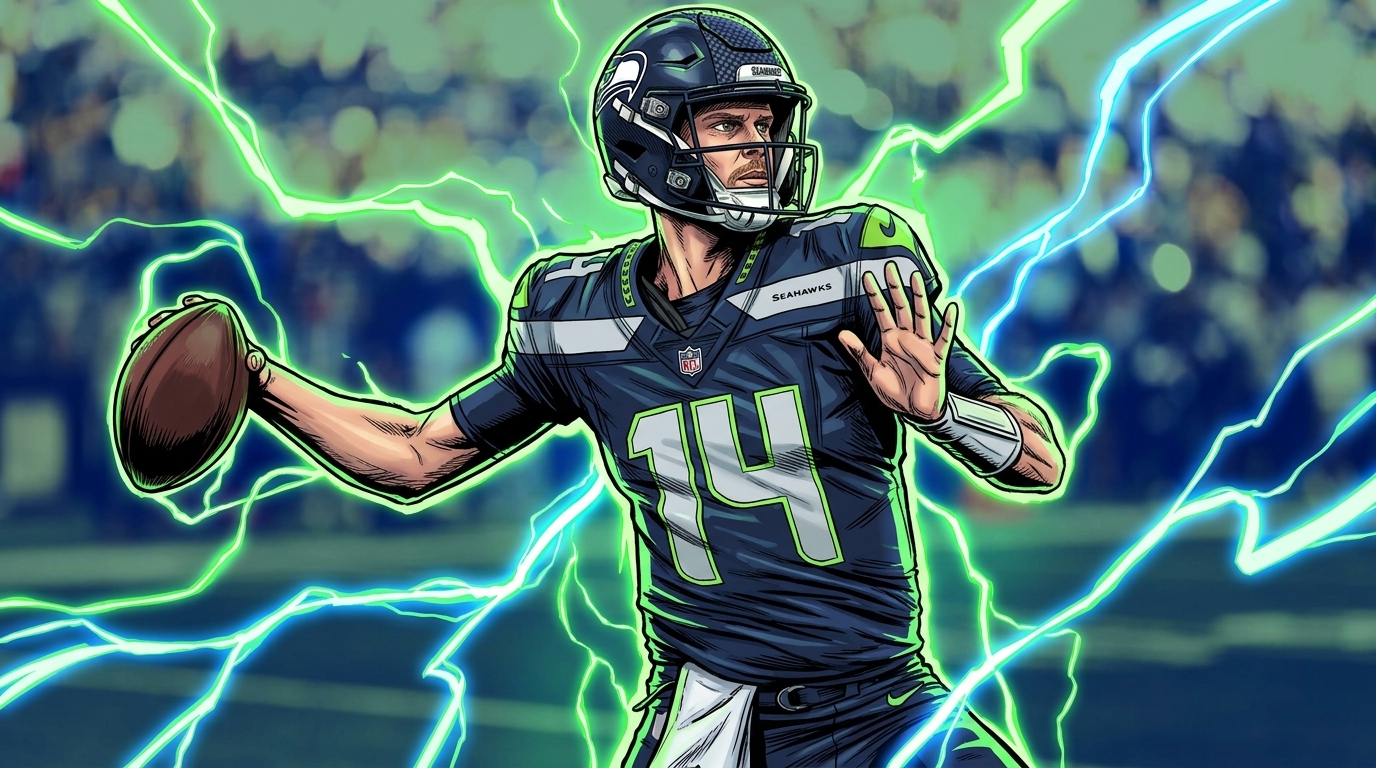
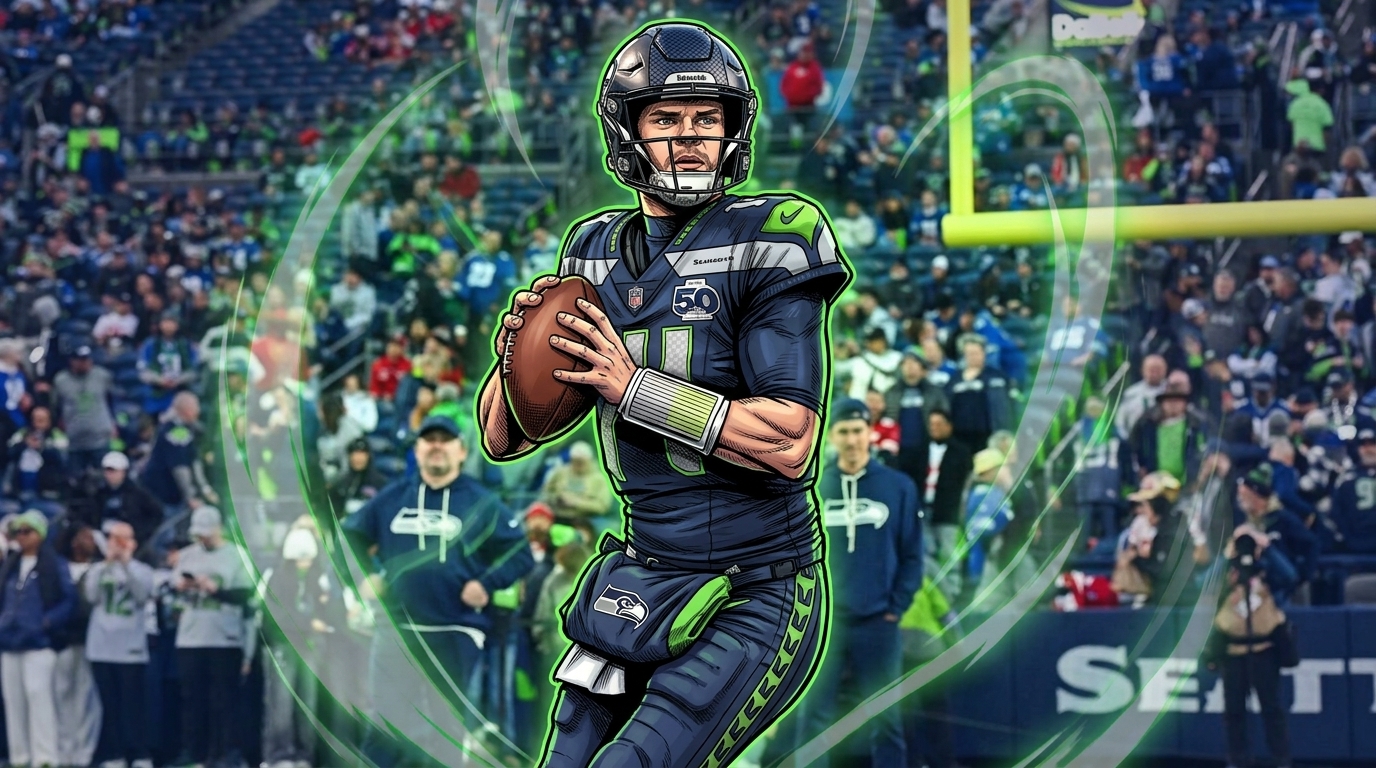
I believe the useful way to think about tonight is a broadcast split, not a broadcast expansion. The actual game, Sam Darnold and Jaxon Smith-Njigba defending a title against Drake Maye, Christian Gonzalez and a retooled Patriots offense that now runs through A.J. Brown, still has players, a scoreboard, and consequences that outlast a single news cycle. The parlay feed and the DM giveaway have none of that. They have volume, speed, and an engagement model that doesn’t require anyone to watch a snap. This is the same trick cable news perfected two decades ago: you don’t need the event, you need people arguing about the event. The sportsbooks stopped waiting for a window in the broadcast. They built their own, and this week it occasionally out-drew the original.
What to watch for now is whether the leagues let this stay a Week 1 novelty. If the DraftKings DM giveaway works the way a streamer’s giveaway works (high engagement, low real redemption, mostly a funnel), expect FanDuel and Fanatics to run their own version by Week 3. If a regulator or a broadcast partner decides the gap between sponsor and co-programmer has closed too far, that’s the story worth tracking this fall, not whether Seattle covers on a Wednesday night in September.