
Dream’s Finals Venue Problem Is the WNBA’s Real Story
The Atlanta Dream spent the 2026 season proving they had outgrown their own arena, and the first time it actually counted, the league’s answer was to send them right back to it — bumped out of their own upgrade by a Sombr concert and the Atlanta Hawks’ own schedule.
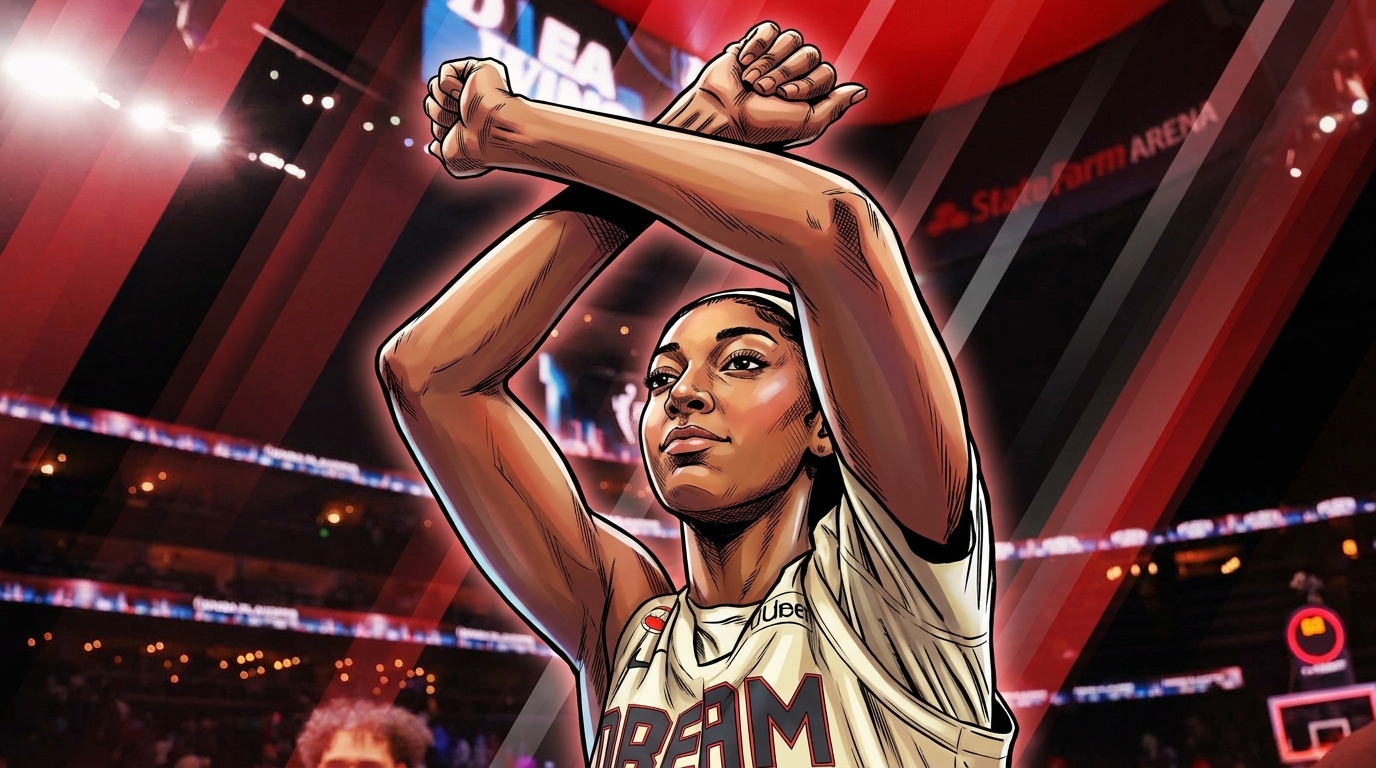
Gateway Center Arena, the 3,500-seat room in College Park where the Dream have played most of their home dates all year, is the real address; nobody exiled anyone. The actual problem is undersizing: the building was never built to host the three biggest games in franchise history, and the fix for that, a signed, dated move into the Hawks’ 16,888-seat State Farm Arena starting next season, doesn’t take effect in time to help with this one. The Finals opened Oct. 17 against the Golden State Valkyries; by the time the series reaches Games 3, 4 and 6 on Oct. 22, 24 and 29, the building the Dream were promised will be hosting someone else’s concert and someone else’s basketball season instead.
The league already knows what demand for this team sounds like. It added five games at State Farm Arena mid-season, and Dream president and COO Morgan Shaw Parker said at the time that the move would let the team “share that atmosphere with even more people” than Gateway Center could seat. That’s the entire case for the upgrade, made with ticket sales instead of adjectives. So when the roster that generated that demand closed out the Dream’s sweep of the Liberty to reach the franchise’s first Finals since 2013, the obvious move was putting the season’s three biggest games in the building that was supposedly sized for a crowd Gateway Center had already turned away.
Instead, State Farm Arena got booked out from under them: a Sombr concert holds Oct. 22, and the Hawks’ own regular-season calendar, including their home opener, claims Oct. 24 and 29. An ordinary October basketball game, the kind that happens eighty-two times a year and means nothing on its own, outranked a championship in the scheduling hierarchy of its own arena. The Dream tried the alternates, McCamish Pavilion (8,600 seats) and Gas South Arena (12,750 seats), and neither materialized. For a stretch, nobody could even confirm where the games would be played, which is its own quiet indictment for a league that has known the date of its championship for about as long as leagues have existed. The answer, arrived at by elimination rather than design, was the 3,500-seat room the Dream are already under contract to outgrow.
The closest analogy is a company that earns the corner office, signs the lease, picks the paint, and then discovers on the one day the board actually convenes that a wedding reception has the new suite booked, so the meeting happens instead in the cubicle everyone thought had been vacated a year ago. Nobody disputes that the promotion is real; it’s scheduled, dated, signed. It just isn’t effective yet, and the championship doesn’t wait for paperwork.
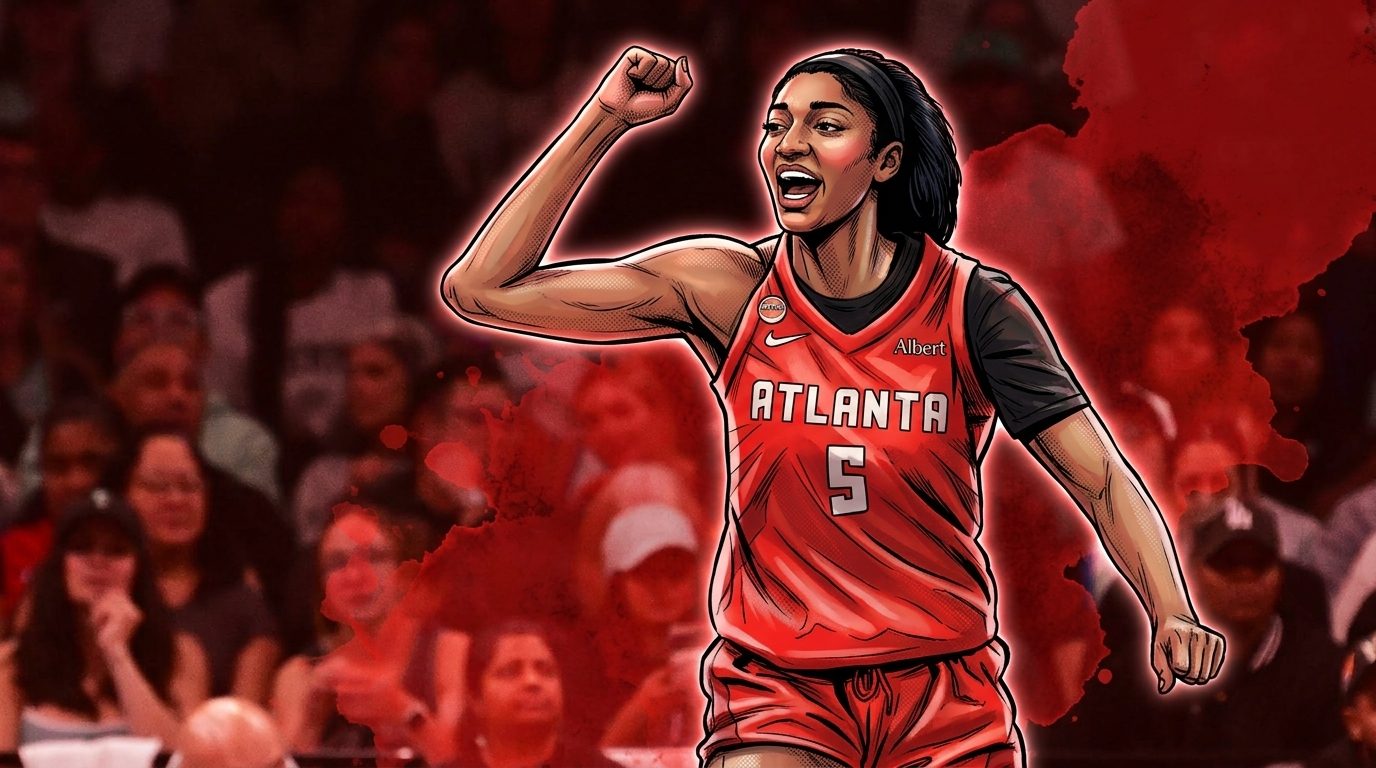
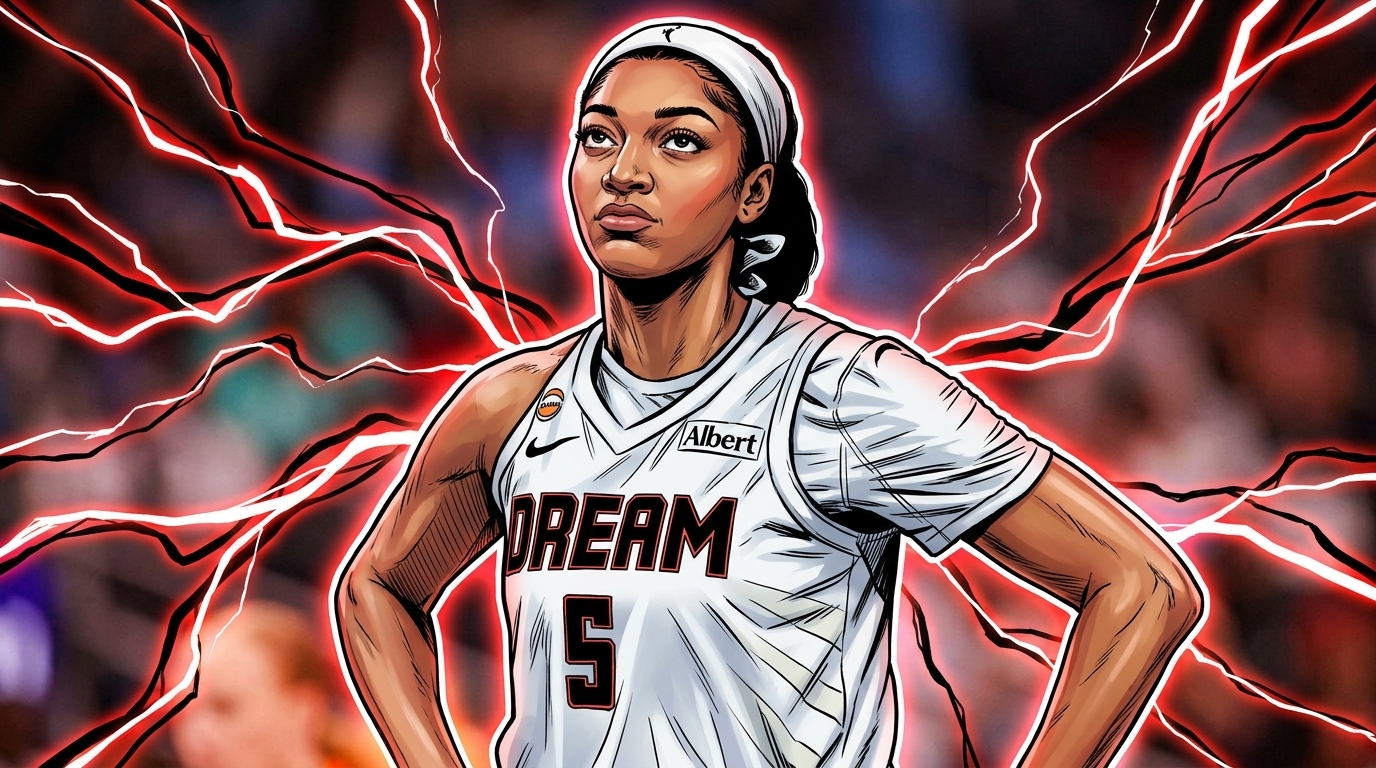
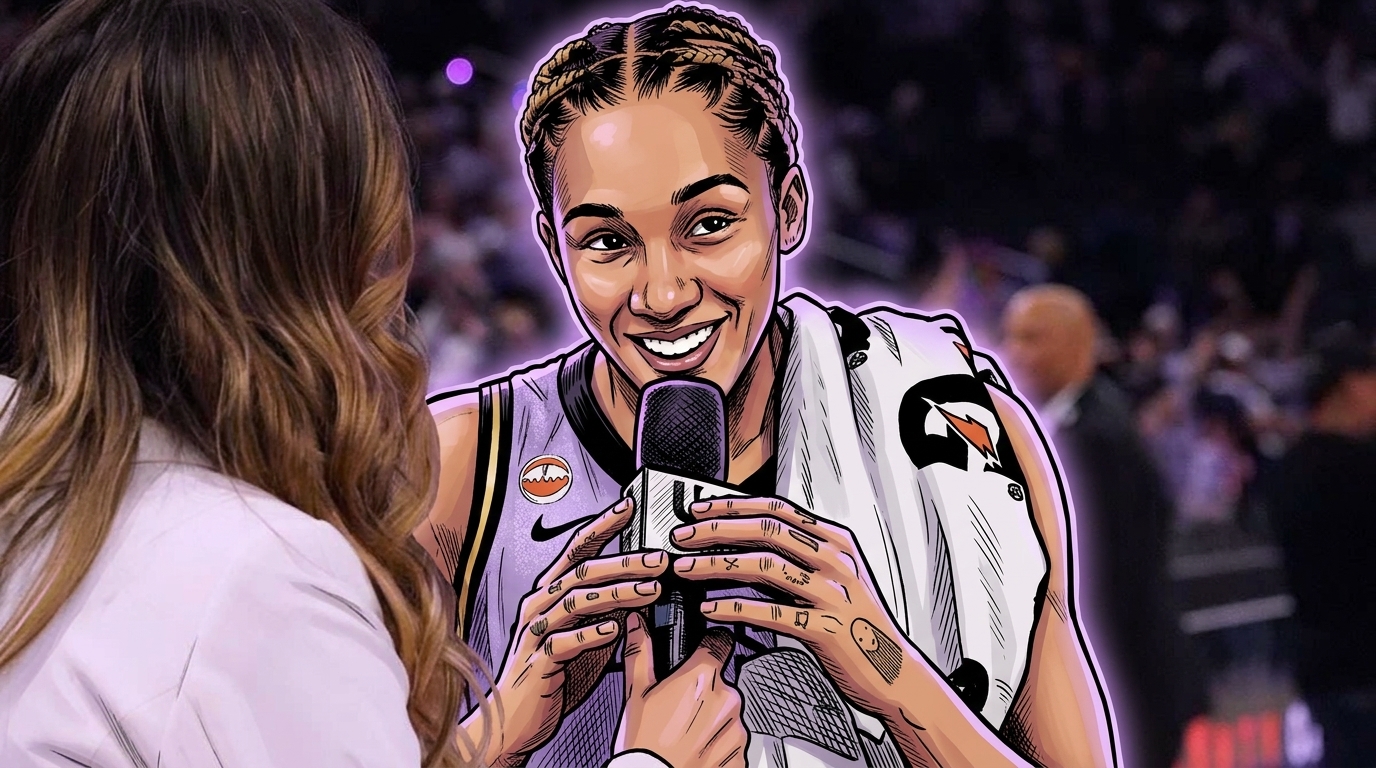
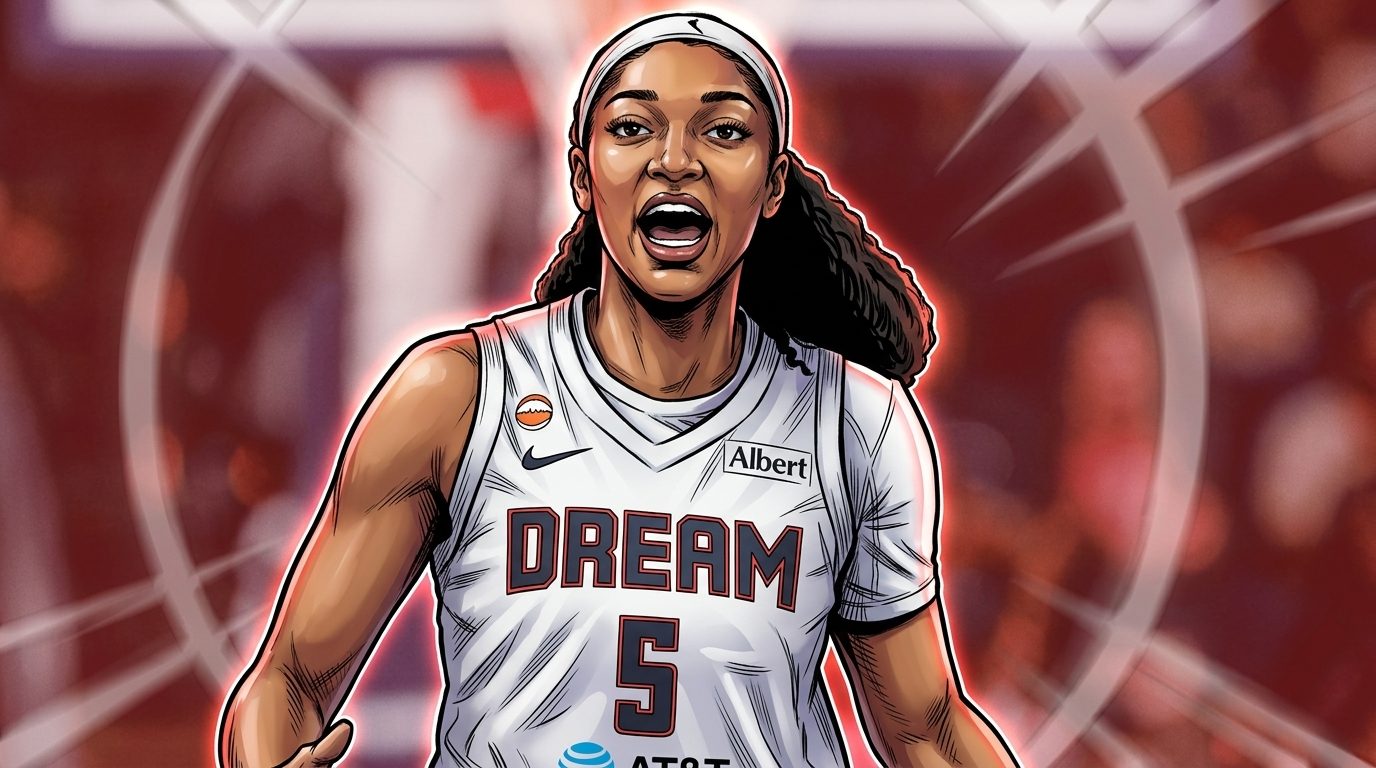
Meanwhile the Golden State Valkyries, the team standing between Atlanta and a title, will host their home games at Chase Center, capacity 18,064 — more than five times the room the Dream are stuck using. This is happening in the same season the WNBA spent every broadcast window pointing at the league’s attendance numbers all season the way a man points at a watch he hasn’t finished paying off. The growth is real: Rhyne Howard set the league’s single-season three-point record and led the WNBA in steals per game, and Angel Reese helped build the kind of demand that got State Farm Arena added to the schedule in the first place. None of it bought the Dream priority over a touring musician.
https://twitter.com/espn/status/2109632684188168404
The WNBA likes to talk about momentum as though it physically relocates buildings; mostly it just redecorates press releases. The Dream earned an upgrade this season and got five regular-season games out of it before the calendar reverted to type the moment a touring musician needed the room first. Call it a championship. Just don’t expect the seats to match the TV deal.