
The NFL didn’t just ban Zxavian Harris and Dae’Quan Wright from signing anywhere until 2027: it made sure the only two people paying for a league-wide eligibility mess are the two who had the least power to create it in the first place.
I’ve spent enough of my free time reading NLRB rulings to recognize this move on sight. An institution builds a system, the system breaks in a way that’s genuinely nobody’s fault, and then everyone with real leverage steps back while the two people with none absorb the entire bill. That’s what happened to Harris, a defensive tackle, and Wright, a tight end, this week. It happened in the most bureaucratic, memo-driven way possible, which somehow makes it worse.
Start with who these two actually are, because most of the coverage flattens them into a legal abstraction. Harris and Wright played last season at Ole Miss, good enough to help push that team to a College Football Playoff semifinal. Both went undrafted in the 2026 NFL Draft, signed as free agents, went to camp, and got waived. That should have been the end of it. Instead, they joined several dozen other athletes suing in Louisiana state court for a fifth year of college eligibility, chasing new NCAA rule changes and a coach they trusted: Lane Kiffin, who had just left Ole Miss to take the head job at LSU.
The SEC’s answer was to unanimously pass a rule barring member schools from rostering former professional players, backed by penalties that read like a threat because they were one: a half-season suspension for the head coach, a fine equal to half the program’s annual budget, and the loss of the school’s league voting rights. File that away as the SEC’s threatened penalties nobody actually paid, because nobody ever did.
A Louisiana judge had already sided with the players over the SEC by the time any of this reached LSU’s roster: William Jorden granted a preliminary injunction blocking the NCAA and SEC from punishing any school that rostered the plaintiff-athletes. The door to LSU was open, legally, cleanly, on the record. The SEC’s response wasn’t to accept that loss. It sued LSU directly in federal court and put LSU’s own conference membership on the table.
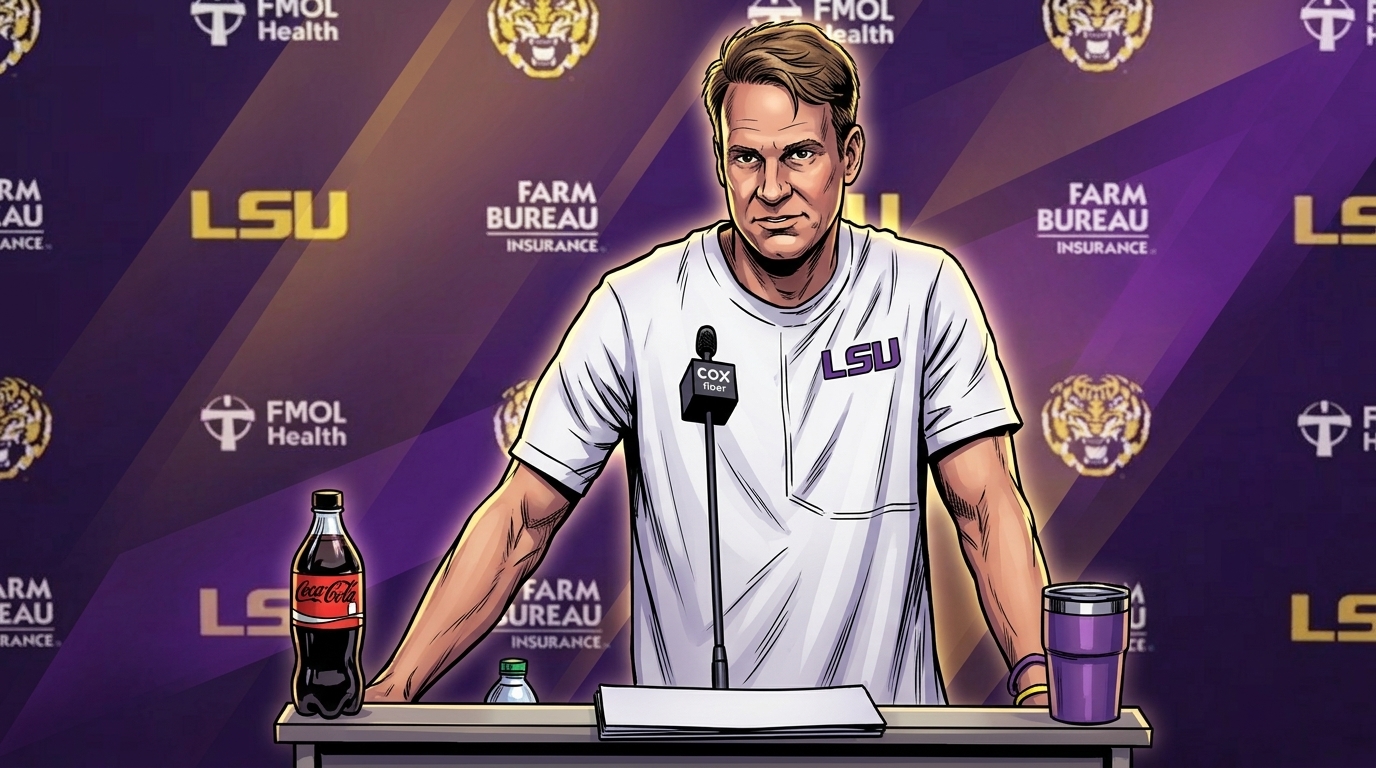
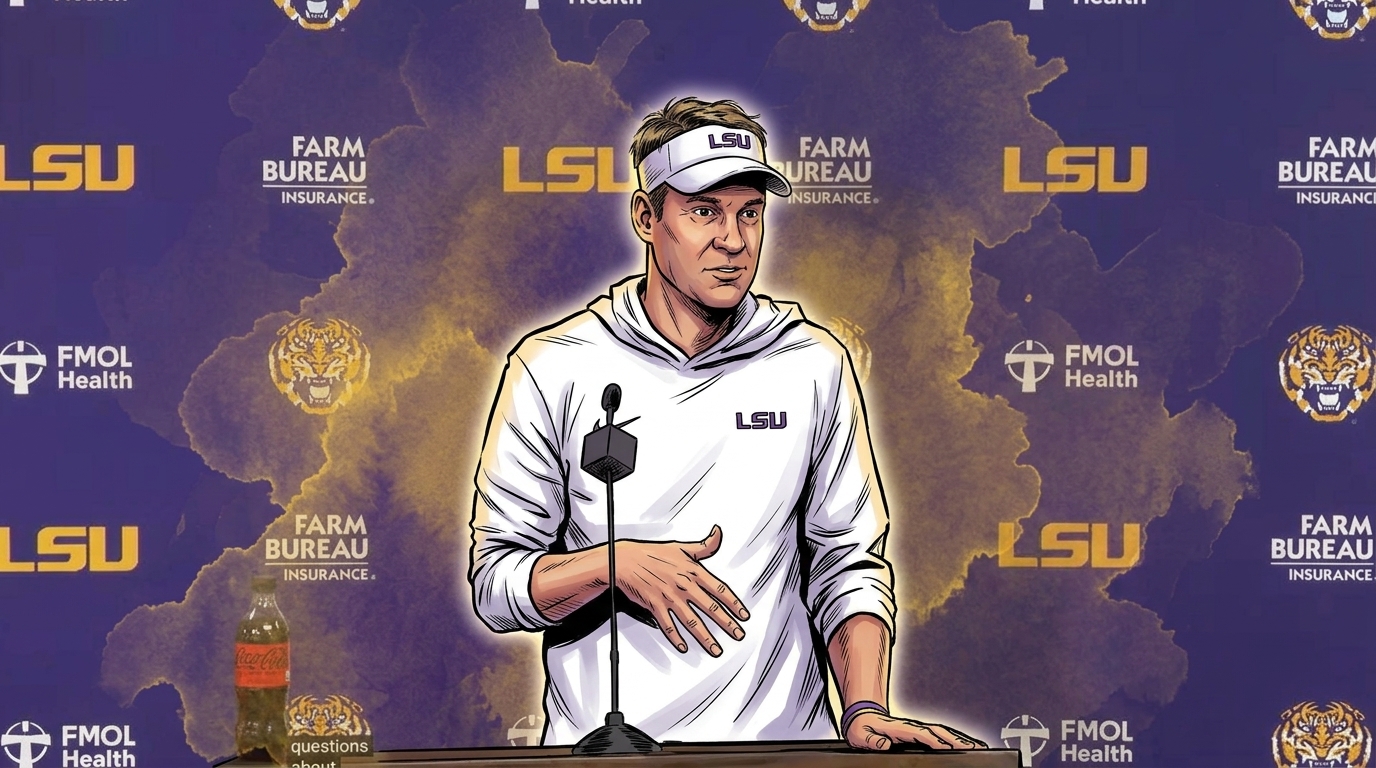
Facing an actual expulsion threat instead of a hypothetical fine, LSU picked itself. Kiffin benched both Harris and Wright for the season opener against Clemson, telling reporters:
“That wasn’t easy. As much as I feel for the players … I had to make a decision that is for the big picture of LSU.”
This is the same coach who spent this entire fight taking legal advice from ChatGPT, and even he understood which way the institutional wind was blowing. LSU had already benched both players once, days after winning in court, then filled its roster to the full 105-player limit, closing off any legal path to add them later. That still didn’t make the SEC go away. As late as September 16, the same week the NFL sent its memo, LSU’s president was privately pressing the SEC to drop its federal suit and skipping a conference meeting where LSU’s own expulsion was reportedly still on the table.
LSU beat the SEC in state court. It folded to the SEC in federal court anyway.
Then the NFL piled on. Last Wednesday, the league’s Player Personnel Department sent a memo to all 32 clubs, first reported by NFL Network’s Tom Pelissero, confirming Harris and Wright are barred from signing with any club for the remainder of the 2026 season. Yahoo Sports laid out what that actually means in practice: the NFL locking Harris and Wright out until 2027, no workouts, no visits, nothing.
Pelissero posted the league’s exact language, if you want to see it for yourself.
https://x.com/TomPelissero/status/2100305944965943628
Read the memo text closely, because there’s no ambiguity in it: Harris and Wright “were eligible for the 2026 NFL Draft, returned to college and participated with their college football team after the opening of NFL training camp, and therefore, they are ineligible to visit, try out with or be signed by NFL clubs during the 2026 NFL season.” Nowhere in that sentence is there an acknowledgment that these two are casualties of a fight they didn’t start.
The NFLPA’s response barely qualifies as pushback:
“We are aware of the memo and are in touch with each of the players’ representatives. We will explore all options to ensure each player’s rights are protected within the Collective Bargaining Agreement.”
Wright’s agent said his client is looking at his legal options. Nobody has filed a grievance yet. Nobody knows if one would even work.
Right now, Harris and Wright are locked out of both levels of the sport at once. No college roster spot, because LSU is full and the season is already underway. No NFL club allowed to so much as work them out until 2027. Two players, zero income, a year removed from a national semifinal.
And the NCAA, the SEC, and LSU? Not one dollar, one suspension, one lost vote among them. The SEC wrote a rule threatening real punishment and never had to collect on it, because LSU flinched first and declined to roster anyone at all. The NCAA created the eligibility chaos that required a state court injunction to sort out, and it faces zero fallout from any of it. There’s no theft here, no perjury, nothing that would make headlines on its own. It’s a bullshit arrangement dressed up as institutional caution: build the system, let it break, hand the whole bill to the two guys who can’t fight back. Harris and Wright will spend the next calendar year finding out exactly what that costs.