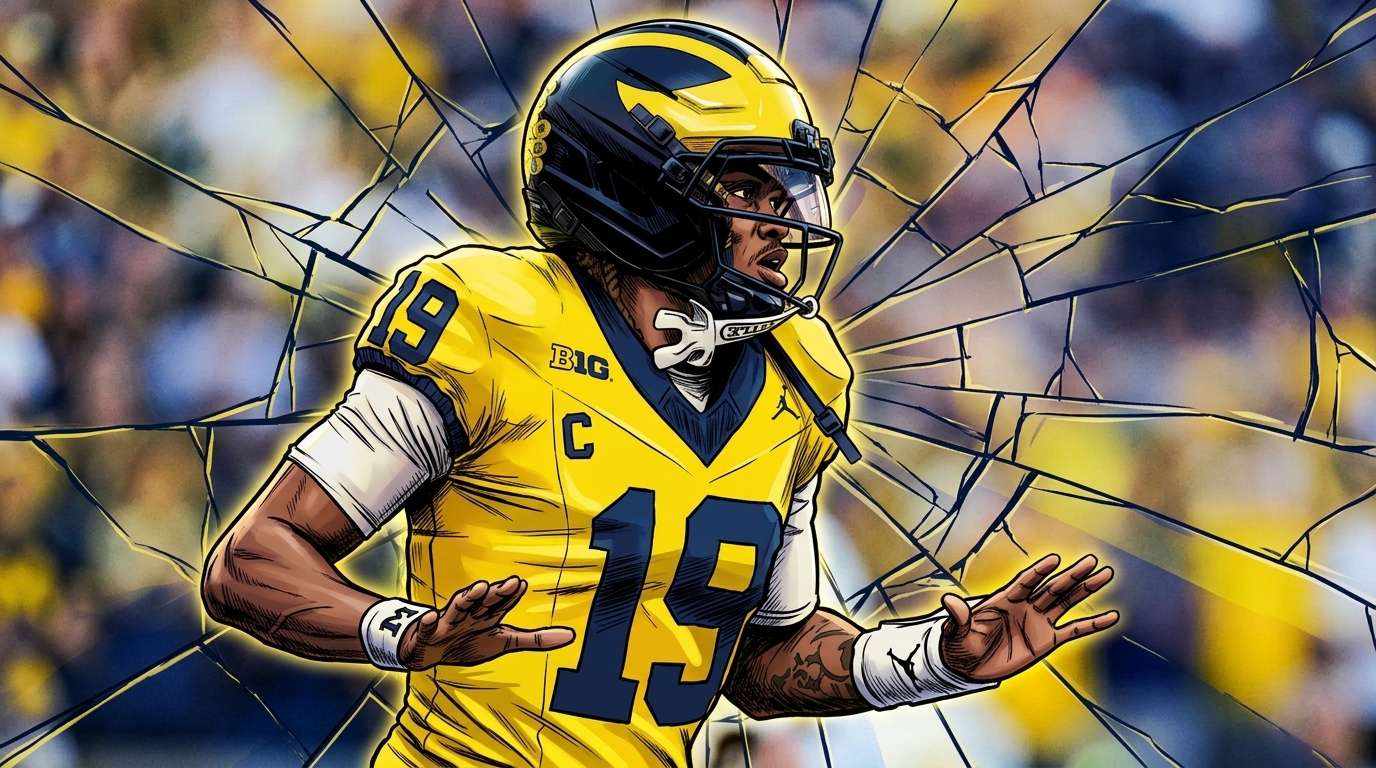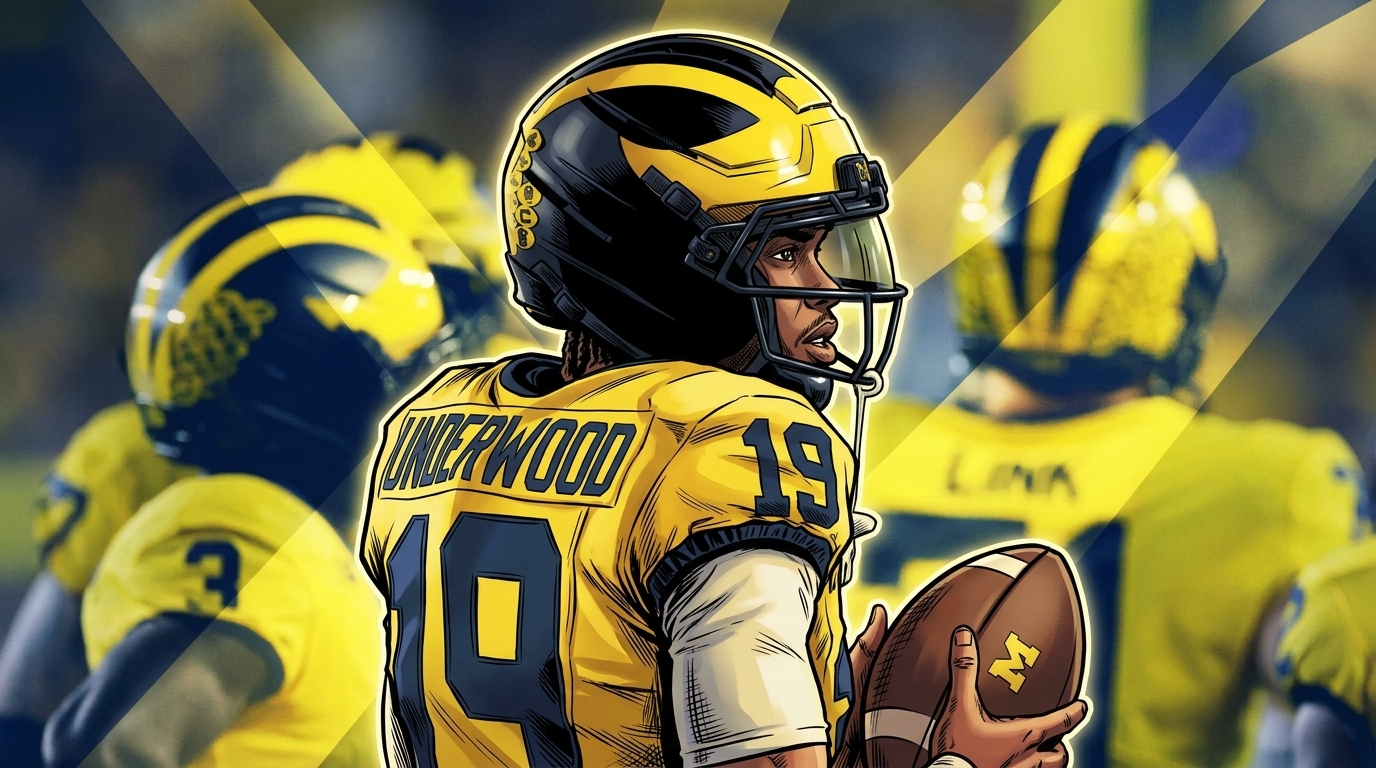

The Mid-American Conference just asked two governing bodies to do something college football insists never happens: reverse a final score after the fact. On Tuesday, the conference filed a formal appeal with the NCAA’s FBS Oversight Committee and the College Football Playoff, asking both to recognize the Western Michigan Broncos, not the Michigan Wolverines, as the winners of Saturday’s 13-12 game in Ann Arbor.
The short version, for anyone who missed the phantom second that decided the game: Bryce Underwood’s first Hail Mary fell incomplete as time expired, officials reviewed the play, and one second went back on the clock after a ruling that a Western Michigan defender had touched the ball from out of bounds. Underwood’s second attempt found JJ Buchanan for a 47-yard touchdown, and Michigan won by one.
That much was reviewable in real time, and it was reviewed; the MAC isn’t disputing the replay booth’s authority to put time back on the clock, it’s disputing which clock the booth used to do it. The conference’s stated grounds are specific: it says the Big Ten’s replay crew read the time off its own internal replay feed instead of the official program clock everyone watching at home saw, adding one second that, in the MAC’s telling, should never have existed.
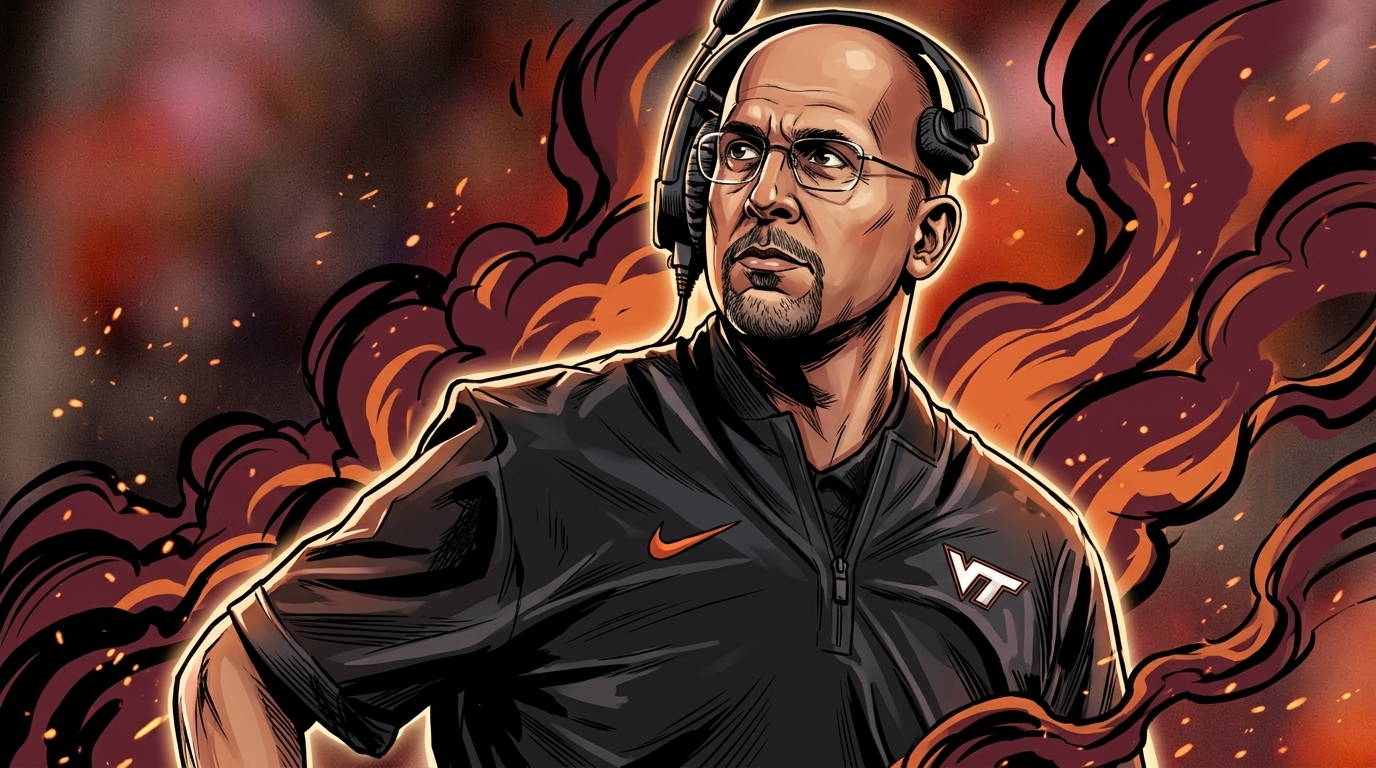
Two days before any of that paperwork existed, MAC commissioner Jon Steinbrecher had already ruled on the matter himself, and ruled the other way. Asked about the ending on Sunday, he said the process was followed, and given that, you have to go with that decision. That’s about as complete an institutional shrug as a commissioner can offer — the review happened, the review holds, everyone moves on. By Tuesday, Steinbrecher had filed actual paperwork arguing the opposite. “This was not a judgment regarding the proper amount of time to place on the clock,” he wrote in the appeal. “It was an error in the application of the established replay protocol governing this specific end-of-game timing situation.” Sunday: the process worked. Tuesday: the process failed, in writing, to two governing bodies at once. Somewhere in those 48 hours, Steinbrecher’s confidence in his own conference’s officiating recourse collapsed, and he decided the embarrassment of admitting it beat the alternative of saying nothing.
Filing an appeal you already expect to lose is a specific kind of institutional act; it isn’t advocacy so much as archiving. Think of it as sending a strongly worded letter to a landlord who has already re-keyed the locks. You know the letter isn’t getting you back into the apartment. You send it anyway, because the next time there’s a dispute, you want a paper trail showing you complained through the proper channel while everyone else just fumed about it online.
The MAC knows results don’t get overturned after a game is final; a conference petitioning two governing bodies to do it anyway isn’t really addressed to Michigan, the Big Ten, or even the NCAA. It’s for the next time a MAC team gets clipped by a call against a Power Four opponent, so Steinbrecher can point back to September and say the conference went on record when it mattered.
Western Michigan’s own president, Russ Kavalhuna, made the subtler version of the same complaint, saying the Big Ten’s replay review process isn’t “as good as it could be” and calling for the broadcast feed fans watch to be synced with the feed replay officials actually use. That’s a smaller ask than “give us the win,” and it’s also the one with an actual chance of changing something; conferences don’t get to retroactively flip results, but they can get a timing standard fixed before the next disputed second matters somewhere else.
The appeal landed on college football social media about how you’d expect a doomed reversal request to land — nobody thought it would work, and everybody wanted to watch anyway.
https://twitter.com/CFBKings/status/2097393691245642159
The wider reaction split along a predictable line: half amused a conference actually tried it, half annoyed on Western Michigan’s behalf that trying appears to be the ceiling for a MAC program in this spot.
https://twitter.com/UnderdogCFB/status/2097391535008485516
None of this changes Michigan’s record. The NCAA has no mechanism for erasing a win nearly a week after it happened, and the College Football Playoff isn’t going to set a precedent that invites every aggrieved program to relitigate a disputed replay call in the middle of a race for twelve spots. Steinbrecher almost certainly knew that before he signed anything.
What the filing actually demonstrates has nothing to do with a 47-yard touchdown that wasn’t. It’s that the commissioner of a conference just out-officiated by the Big Ten’s own review booth trusts the sport’s enforcement mechanism so little that he’d rather lose a formal appeal on paper than let the result stand unchallenged. For more of that particular flavor of institutional confidence, check our college football coverage; the season is one game old, and the sport is already showing its work.