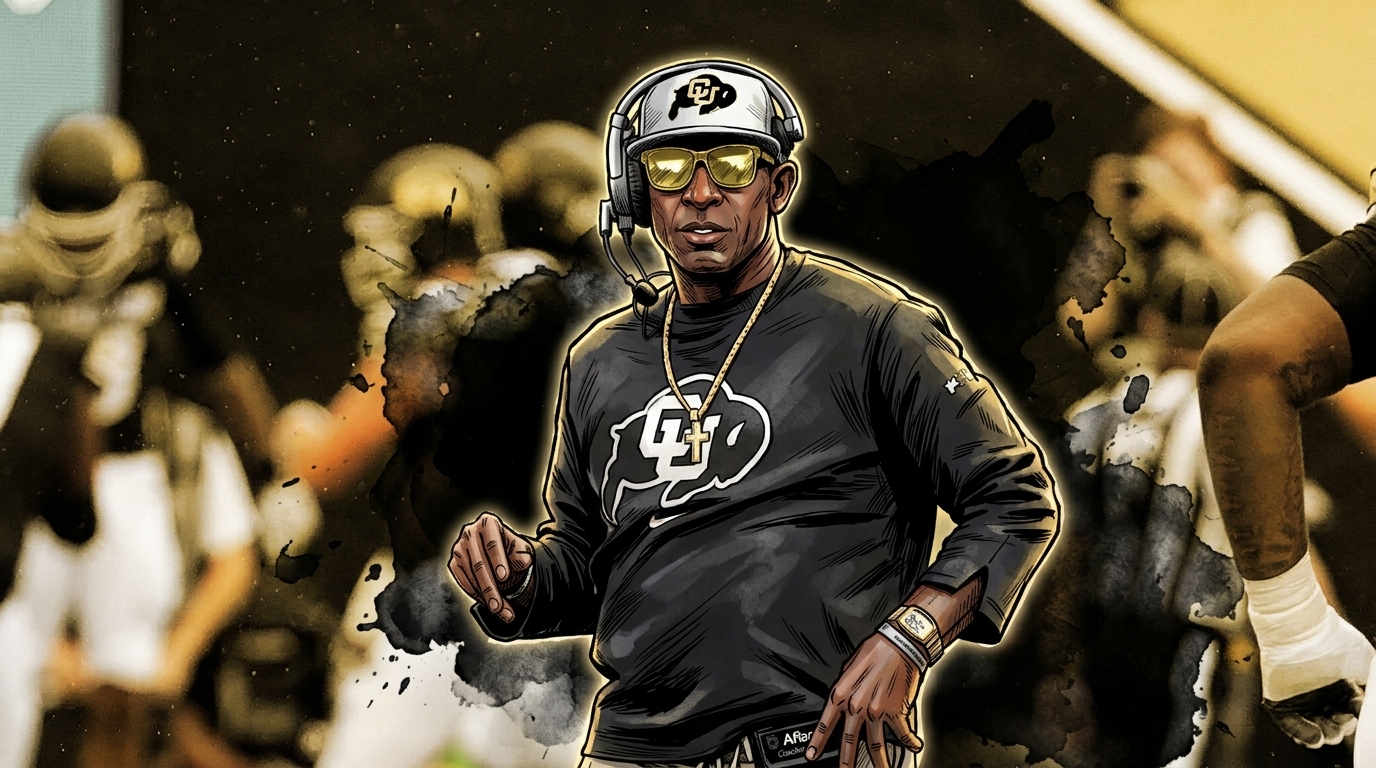

Deion Sanders has built an employee handbook for a workforce that, according to the NCAA’s own paperwork, does not exist.
The Colorado Buffaloes are docking players $2,500 for a no-show at practice and $2,000 for skipping film, according to a fine schedule obtained by Outkick that also covers missed conditioning work ($1,500 to $2,000), skipped treatment ($1,500), and social media conduct (up to $5,000). Show up late instead of not showing up at all and the number drops, but the money is still real: $500 for a late arrival to practice, $400 for a late arrival to a meeting.
https://twitter.com/CFBAlerts_/status/2015603288951894053
Every dollar figure in that breakdown traces back to a program that is also, separately and loudly, lobbying for a salary cap. The entire NIL and revenue-share system is a legal construction built around a single insistence: that this money is compensation for a name and likeness license, never wages for labor; Sportico’s legal analysis zeroes in on the obvious problem a fine schedule creates for that insistence. Nobody writes a licensing contract that docks the licensor for missing a staff meeting. That’s a workplace rule, enforced with a workplace penalty, against people the NCAA has spent years insisting aren’t workers.
Every real employee handbook operates the same way. It doesn’t just describe expectations; it attaches a dollar figure to each violation, because dollar figures are the only language a legal department fully trusts. Colorado’s fine schedule reads like a locker-room pay stub, a line-item tariff for attendance, conduct, and meeting attendance, denominated in the same currency the players are actually paid in. The fines come straight out of NIL and revenue-share checks, so a missed walkthrough functions as a pay cut and a late film session is a smaller one.
A handbook only matters if someone enforces it, and Colorado is enforcing this one with the seriousness of an HR department running a probationary review. The only thing missing from the paperwork is the word that would make all of it official.
Colorado’s position is that these fines are tied to conduct and attendance rules, not NIL licensing terms or how a player performs on Saturdays, which the school says keeps the whole arrangement within NCAA guidelines. That’s a tidy distinction on paper. It falls apart the moment you remember that showing up to practice and film is the most basic definition of a job there is; I don’t buy that docking someone’s pay for missing a meeting is a conduct issue rather than a labor one. Sportico’s read fits into the NCAA’s other losing legal arguments this year: the association keeps insisting these athletes aren’t employees while building systems, fine schedules included, that run exactly like employment does.
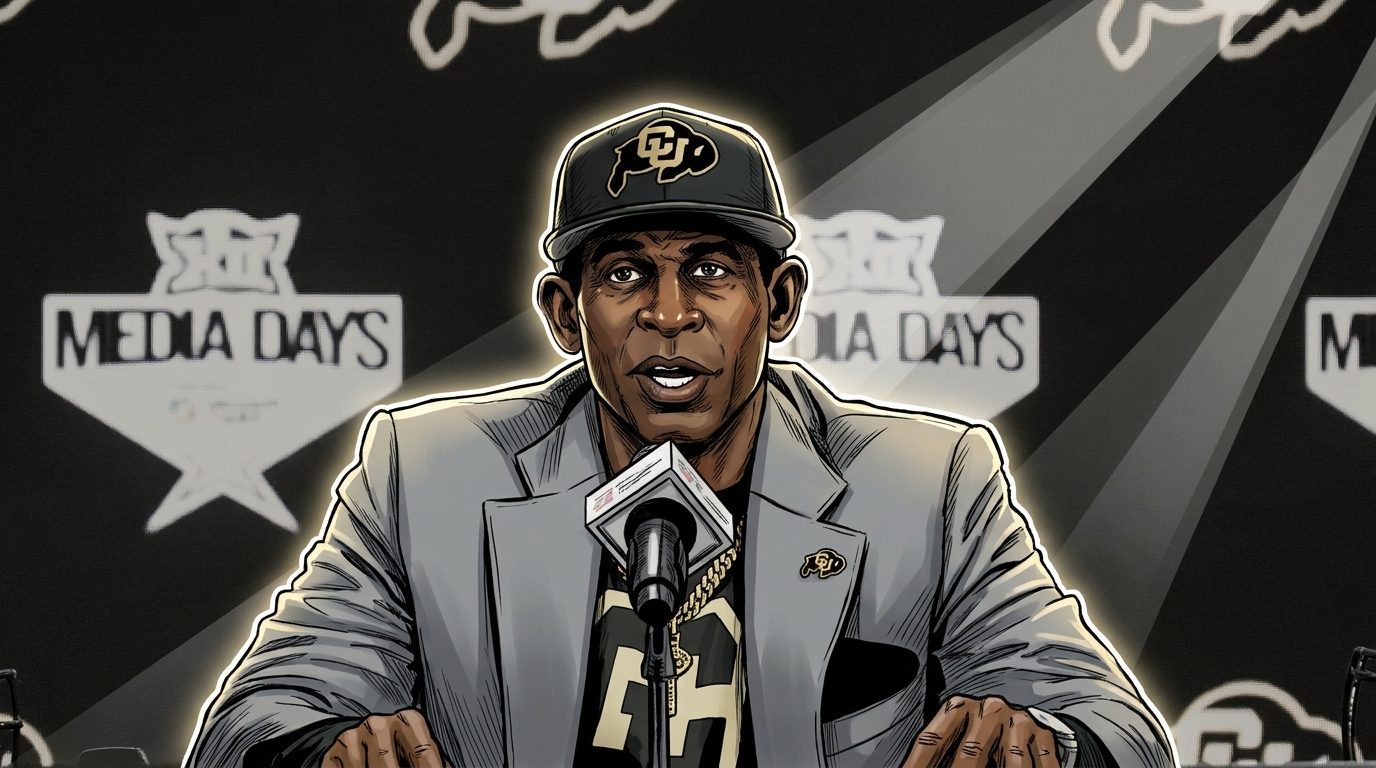
There’s a decent irony buried in Sanders’ own career. In 1995 he signed a seven-year, $35 million contract with the Dallas Cowboys, the richest deal in NFL free-agent history at the time, built around a base salary of just $178,000 and a signing bonus of nearly $13 million specifically to route around the salary cap. The maneuver worked well enough that the NFL rewrote its contract rules afterward. Thirty years later, Sanders is building the cap himself, fining players like a front office while publicly pushing, since Big 12 Media Days in 2025 and repeatedly since, for the NFL-style salary cap that would turn his own fine schedule from a legal liability into a line item.
The current revenue-share framework exists under the House v. NCAA settlement, which lets schools pay athletes directly but caps the total at $20.5 million per school for the 2025-26 academic year, a figure built explicitly around the idea that none of it counts as employment. Sanders wants a salary cap anyway, an actual one, openly structured and openly enforced, which is an odd thing to lobby for if the current arrangement is supposedly not employment at all.
Sanders built his reputation on being louder than the room he’s in, and the fine schedule is the first time that instinct has produced boring, specific paperwork instead of a highlight. A gray suit at a podium insisting he just wants rules everyone can see is either the most honest thing happening in college sports right now, or the first exhibit in the case that eventually ends it.