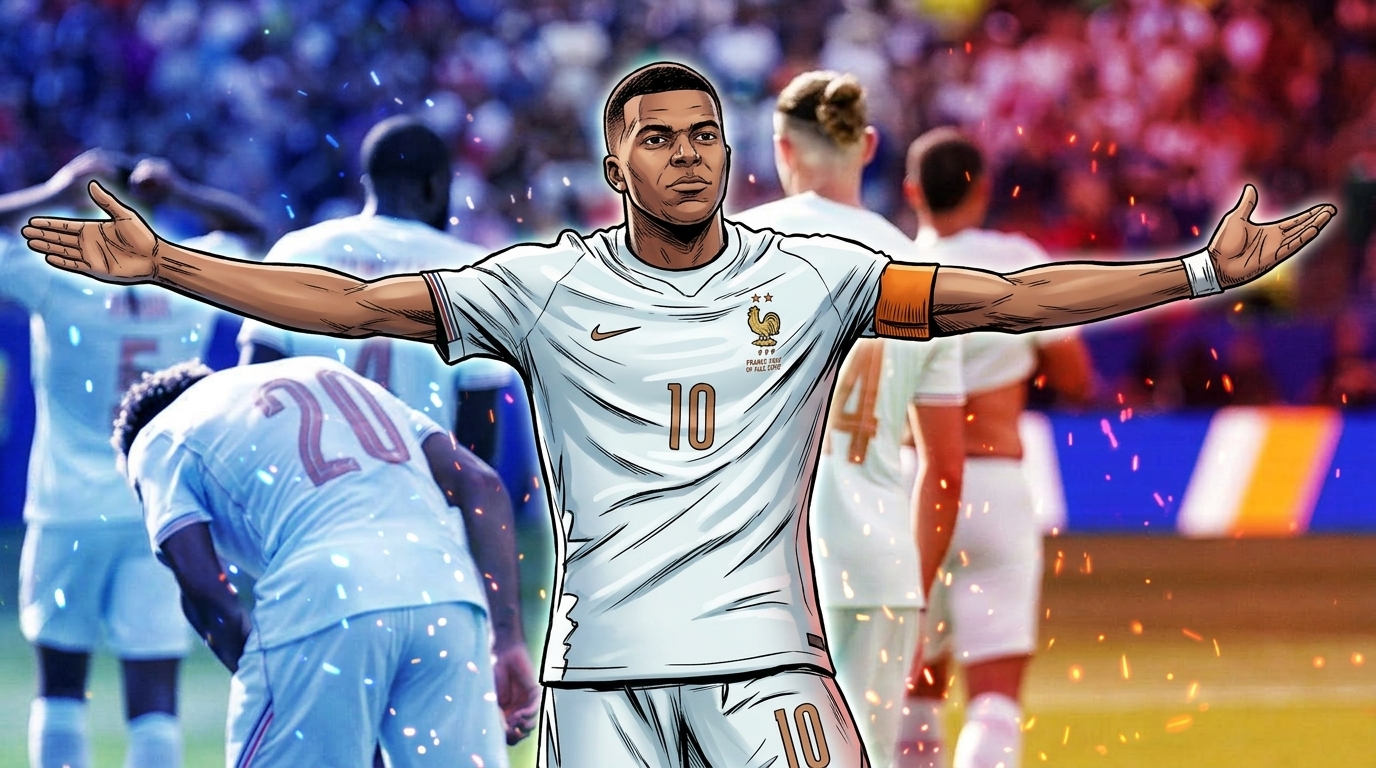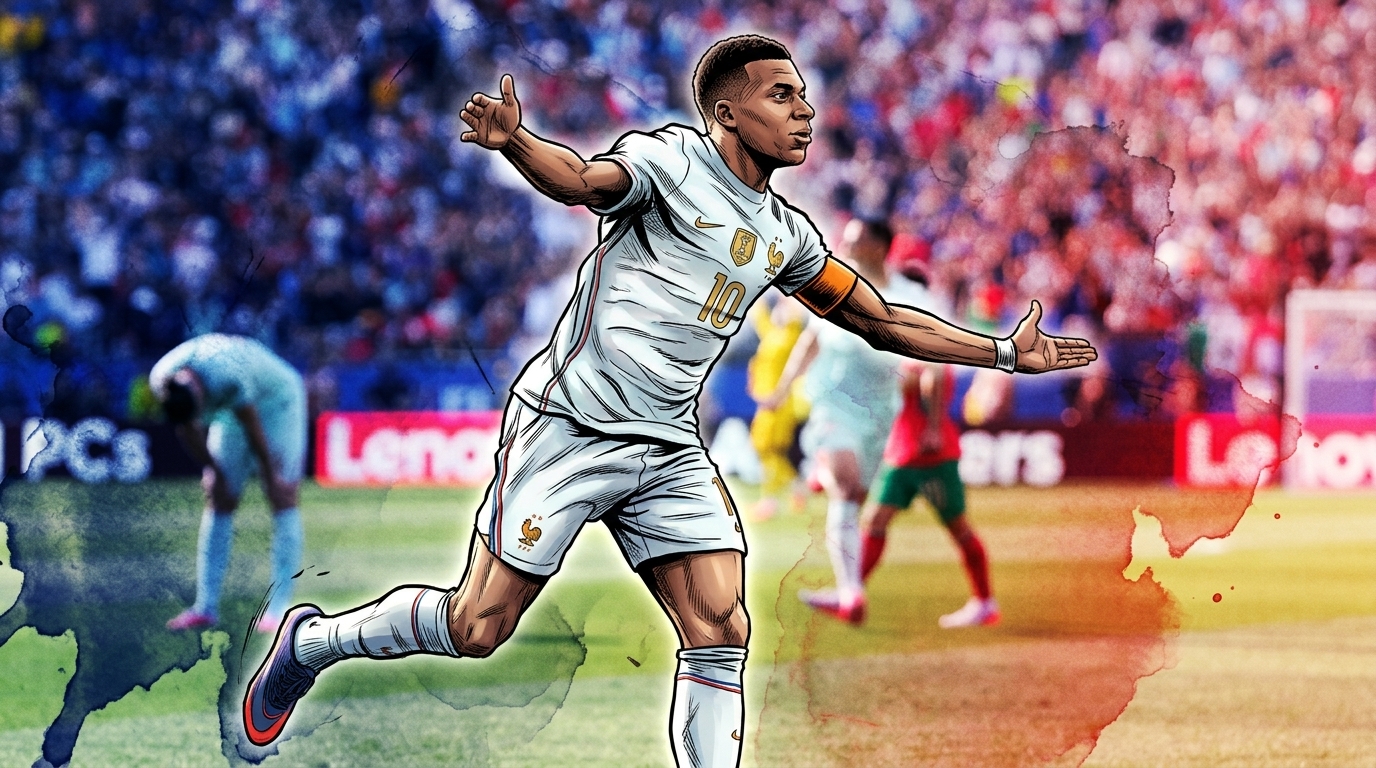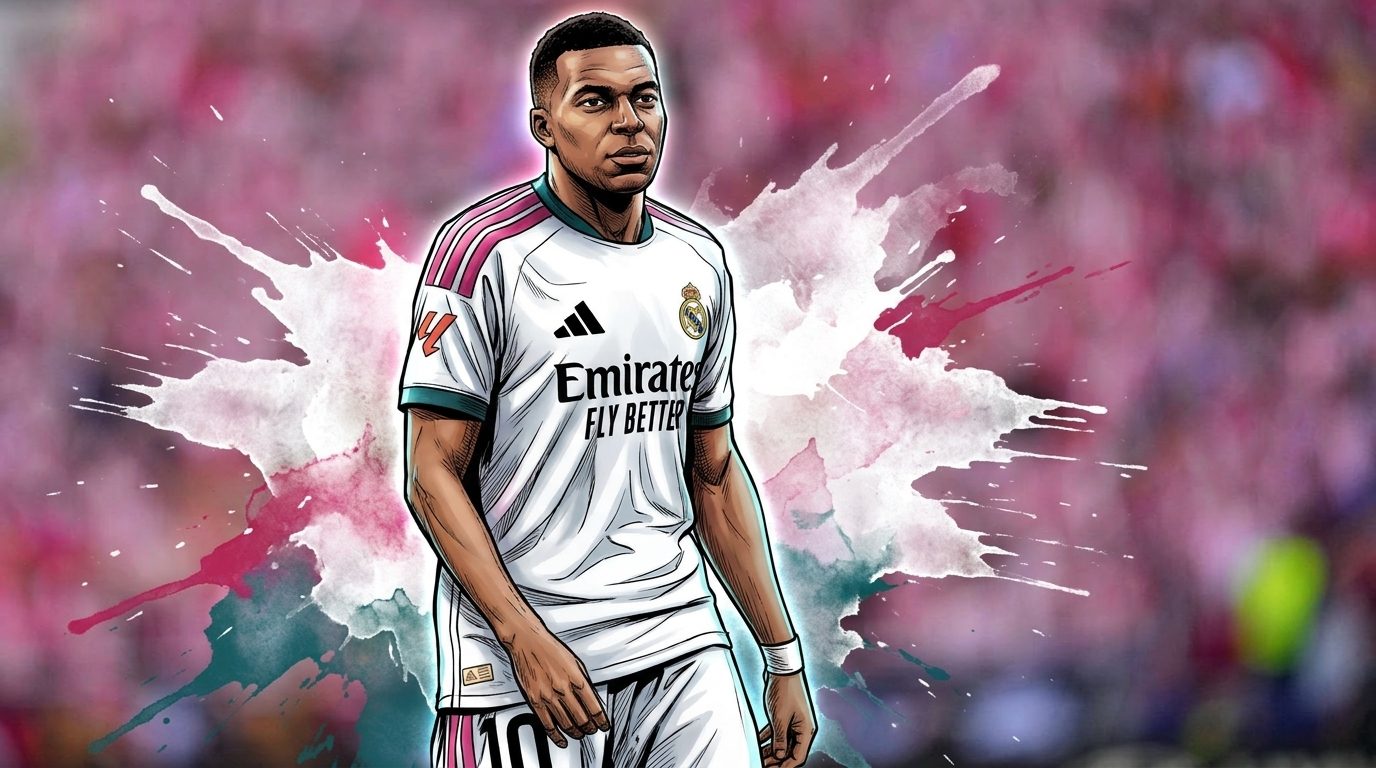

Kylian Mbappé, fresh off breaking the World Cup’s all-time scoring record this summer, just lost three Chinese sponsors for describing Mao Zedong accurately, and the sentence that follows that one has to do all the explaining, because the offense was accuracy. On the French talk show “The Bridge,” hosted by his Real Madrid and France teammate Aurélien Tchouaméni, Mbappé was asked for his favorite meme of himself; he picked one that put his face on the body of, as he put it, “a Chinese dictator,” meaning Mao Zedong, a man who has been dead since 1976 and whose dictatorial résumé isn’t seriously contested anywhere outside the companies that just fired Mbappé for mentioning it.
Three companies terminated him inside the same news cycle on October 27: Dongpeng, a beverage maker; Mengniu, the country’s largest dairy producer; and Milkground, which sells cheese. CCTV, the state broadcaster, had already suspended its La Liga coverage and pulled his ads the night before, which settles the question of which came first: the political reaction, or the corporate one copying its homework.
Here is Dongpeng, in full: the company maintains a “zero-tolerance policy towards any behaviour that offends national sentiments.” Here is Mengniu, cutting all cooperation because it opposes “any words or actions that hurt the feelings of the Chinese people.” Milkground said something close enough to both that reprinting it would just be plagiarizing the first two. None of these statements argue that Mbappé was wrong, because that was never the metric; three competitors in the dairy and beverage aisle do not converge on identical phrasing within hours by independently drafting their outrage, they converge on it by reading the same memo.
Nobody drafts “zero tolerance” from scratch at 2 a.m. That phrase has a template.
Treat Mbappé’s deals with Dongpeng and Mengniu less like endorsement contracts and more like broadcast licenses: the kind a radio station holds, revocable the moment the signal says something the license-granting authority doesn’t approve of. The money was never really paying for his finishing or his shirt sales; it was renting access to an audience that a government-adjacent broadcaster can grant or withhold on a Monday night. Mbappé didn’t violate a contract clause so much as the terms of a license he didn’t know he was operating under, for stating something true about a dead revolutionary.
That’s worth sitting with longer than the sponsor count. The size of the reaction is disproportionate to the size of the offense only if the offense was ever really about Mbappé, and it wasn’t — it was about reminding the world, even briefly, that the license can be pulled, and three companies rushed to prove they understood the rules better than the player they’d spent two years courting for his face and his finishing.
https://twitter.com/MadridXtra/status/2114945363119374515
Dongpeng’s statement reads like it passed through four rounds of committee review, and it probably did; “zero tolerance” is a strange phrase from a company that had unlimited tolerance for Mbappé’s face selling energy drinks until Monday afternoon.
He’d built actual goodwill in China before this, too, known there under the nickname “Guigui.” That history makes the cleanup cleaner, not messier: it was never really about whether people liked him, it’s that Mao Zedong remains close to the one subject in Chinese public life still treated as untouchable, nickname or no nickname, sponsorship or no sponsorship.
Mbappé himself apologized in three languages (English, Mandarin, French), writing that his comment was “ill-judged” and that he now understood it had hurt people in China and in Chinese communities abroad. He never disputed the clip. There was nothing to dispute: he said something factually sound about a man who ruled by force and died fifty years ago, and the apology wasn’t really for the sentence, it was for being overheard saying it somewhere the wrong people were listening.
None of this threatens Mbappé’s career in any real sense; he’s still the best player at the biggest club in the world, still going to score plenty of goals this season, still going to be fine. What it threatens is the idea that China’s soccer money was ever a normal market instead of a tap that shuts off the moment someone upstream decides the water’s politically contaminated. Mao Zedong has been dead for fifty years and he just cost three different companies their quarterly sponsorship line on a 27-year-old center forward; make of that what you will about which one of them actually has staying power.