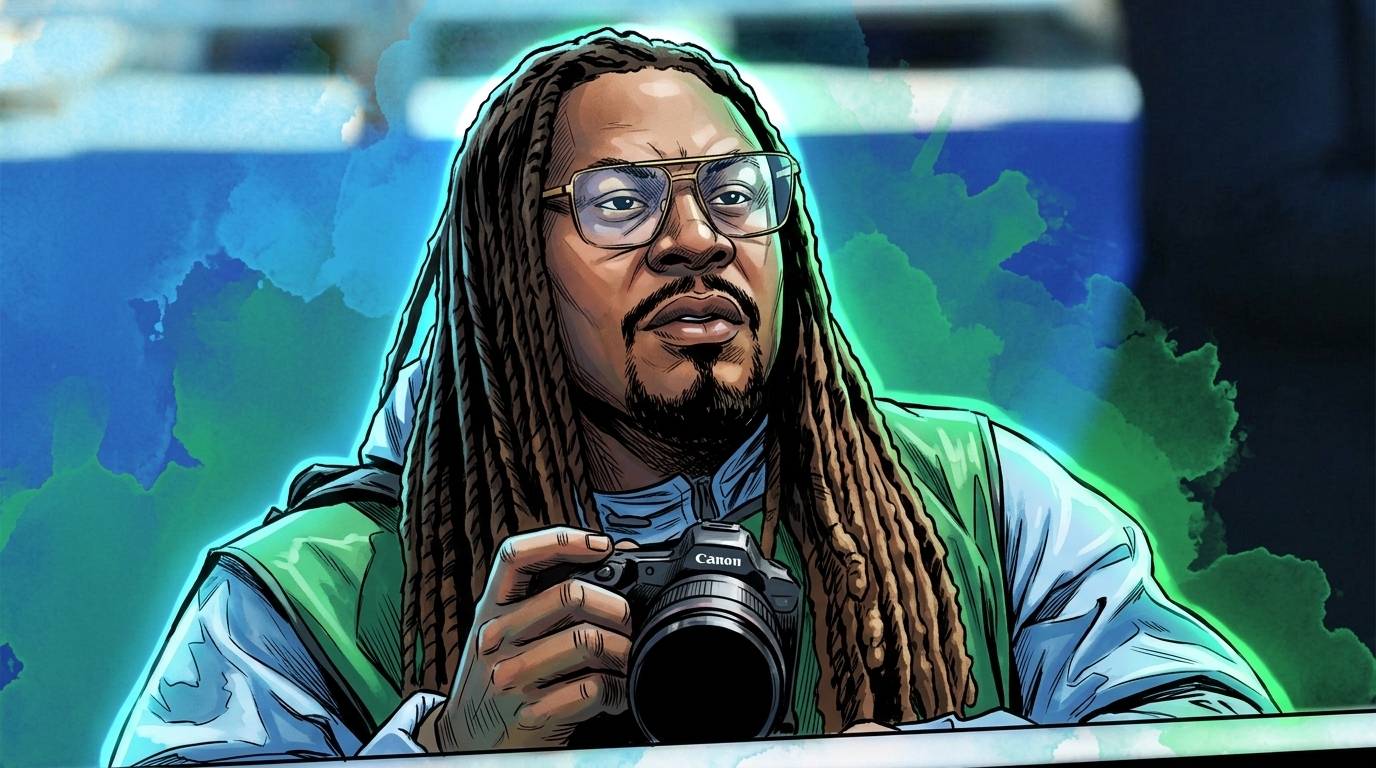

I watched Dan Campbell stop a press conference to tell a story about a cloud of cigar smoke, and I kept waiting for him to get to the point. He didn’t, really. He just kept describing the smoke, and the office, and a guy who scared him a little at the 1999 scouting Combine, and it took me a minute to realize the smoke was the point. Campbell wasn’t eulogizing a game plan. He was describing the last time a man in that job got to be fully, unmanageably himself in front of a camera.
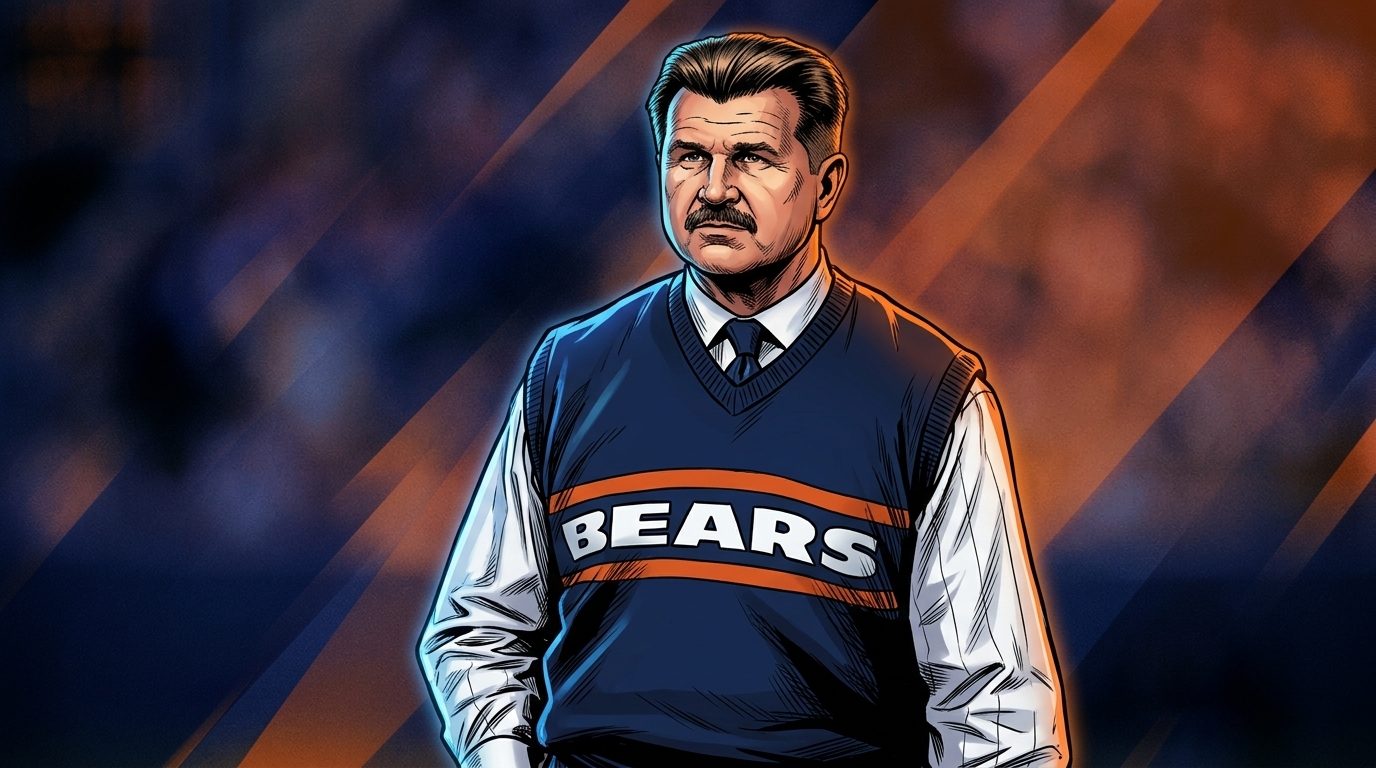
Mike Ditka died Friday at 86, and within hours the tributes were everywhere: Chicago Bears alumni, broadcasters, a White Sox manager, current head coaches who never played a down for him. The specific shape of that reaction is doing more work than the obituary facts alone. What nobody’s saying out loud is this: the people posting today aren’t really mourning Ditka. They’re mourning a version of NFL authority the league has spent years engineering out of existence, and Ditka just happened to be the last guy standing who had it.
The résumé is enormous on its own terms. Hall of Fame Class of 1988. Rookie of the Year with the Bears in 1961, the first tight end to post a 1,000-yard receiving season. A Super Bowl VI ring as a player in Dallas, where he scored the game’s final touchdown. Then Super Bowl XX as the Bears’ head coach, a 121-95 record across fourteen seasons in Chicago and New Orleans, and a distinction only one other person in Canton shares: he was the first person enshrined there to win championships as a player, an assistant, and a head coach. Tom Flores joined him in that club in 2021. The Bears called him “Player. Coach. Legend.” Roger Goodell said he “epitomized football” and “served as an ambassador for the game.” Both are true and neither explains why a Lions coach got choked up about cigar smoke on live TV.
What explains it is what Ditka was allowed to say, the kind of lines GiveMeSport still rounds up every time he comes up. Asked why he seemed irritated at a 1999 Saints press conference, he didn’t deflect. He asked the reporter back, “What do you care?” Asked to compare a sportswriter to a three-week-old puppy, he said the puppy had the edge: “In six weeks, the puppy stops whining.” On Jim McMahon’s shoulder surgery, he delivered a line that would end a modern coach’s season in one media cycle: “The shoulder surgery was a success. The lobotomy failed.” None of that reads as charming in a vacuum. Reckless is closer to it. But it was a real person’s unfiltered temperature, broadcast without a filter between the thought and the microphone, and that specific thing does not exist in today’s NFL at any level above high school.
Every coach who tweeted about Ditka this week operates inside an apparatus built to prevent exactly what made him memorable. Matt LaFleur says what media training and ownership risk-tolerance allow him to say, and the same goes for the coach running things in Chicago now: Ben Johnson’s current Bears are proof the allowed band keeps narrowing, even in the city that made Ditka famous. None of that is a knock on either of them individually: it’s the water everyone in that chair swims in now, and they know it, which is probably why the tributes read less like press releases and more like confessions.
I want to be careful here, because it would be easy to call this performance and move on, and I don’t think that’s honest. Watch the footage of Campbell mid-sentence, searching for where the story was going. That’s not a man managing an image. Grief like that doesn’t get manufactured for a podium. The read I’m making doesn’t require the grief to be fake. It just asks why this particular loss hit this particular group of guarded, handled, perpetually-on-message men hard enough to crack the handling, even for thirty seconds.
Because that’s the part that lingers. The family’s statement, posted by Jarrett Payton, called Ditka “the heart of our family” and said he’d be “missed beyond measure and remembered forever.” That’s language anyone would recognize from any loss, nothing performative in it at all.
https://twitter.com/paytonsun/status/2108575266477920611
Set that against Jay Glazer saying he learned “soooo much” from Ditka about generosity and about life, and you start to see the shape of it: people who knew him are grieving a man, and people who only knew of him are grieving something closer to a possibility. The possibility that an NFL job could still leave room for a personality instead of a brand.
I don’t think the league is bringing that back, and I’m not sure the tribute wave is asking it to. Mostly it reads like a group of people standing around an open door that closed before most of them got a say in it, trying to describe what the room used to feel like. I don’t know what to do with that, except notice how many of them showed up to describe it the same way.