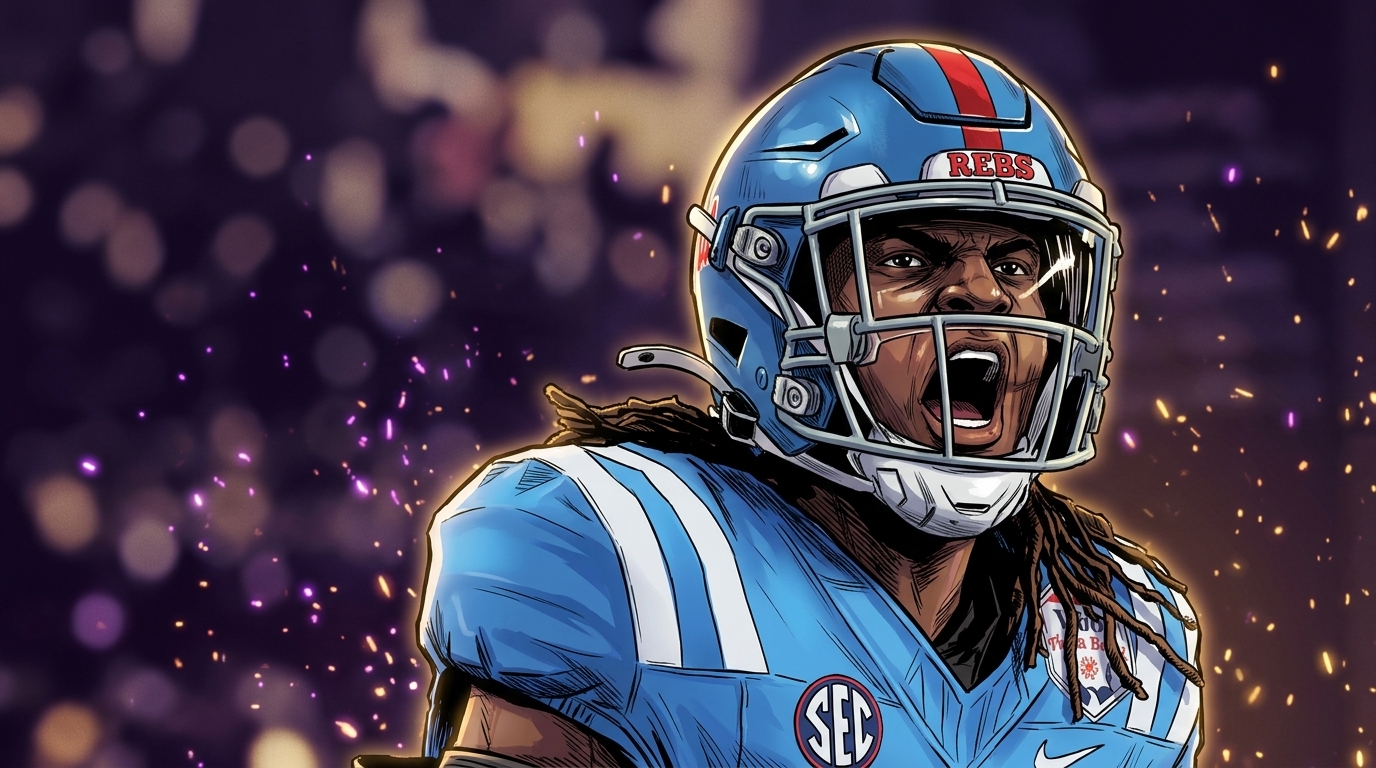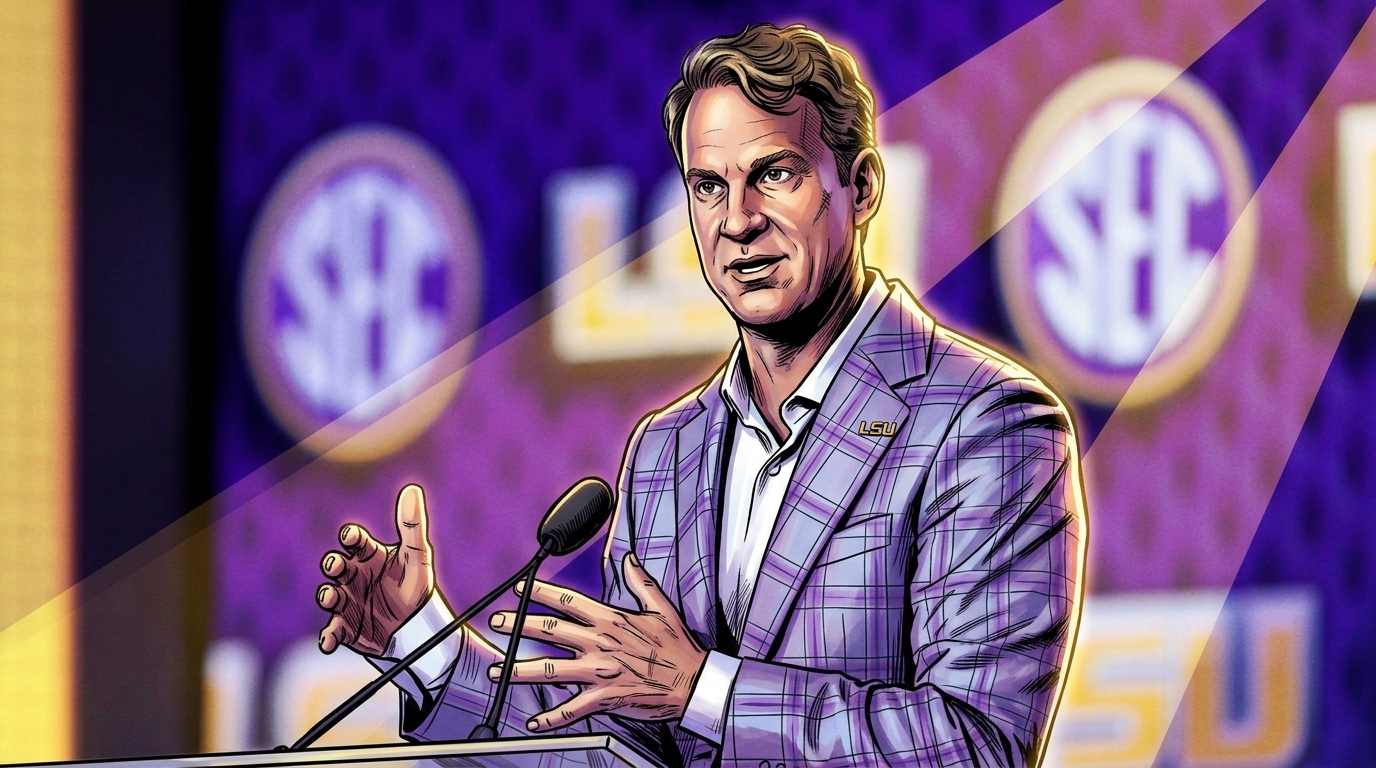

A federal court told close to 300 football players they get a year of college eligibility back, eligibility they were legally owed in the first place, and the response from a chunk of NFL front offices was to start quietly threatening the guys who actually use it. I grew up reading about labor law instead of, like, having friends, and I still can’t find a version of this story where the league comes out looking like anything other than a landlord who loses an eviction case and keys the tenant’s car on the way out.
There are two different punishments getting flattened into one story, and the gap between them is the actual scandal, not the lawsuit everybody’s already sick of covering. NFL EVP Troy Vincent put the official rule in writing, and it’s not insane on its face. Any player who leaves an NFL roster to go back to school sits out the 2026 season and becomes a free agent in 2027. One year, transparent, applies to everyone the same way. Fine. That’s a rule a union can look at, argue about, live with.
Then former NFL and LSU defensive lineman Breiden Fehoko posted this:
https://x.com/BreidenFehoko/status/2095512550750183927
Fehoko isn’t the league. He’s a guy relaying a private conversation with unnamed execs, which means what’s actually being threatened here was built to never show up in a memo, a press release, or a collective bargaining session. It’s the sequel nobody voted on: not “you sit out a year,” but “you never play in this league again, and we’ll just never explain why.” A one-year ineligibility clause is a rule. An unwritten blackball is a warning shot fired at exactly the players who can’t afford a bad word getting around, because most of them are 21, uninsured against injury, and one torn ACL away from having made this whole decision for nothing. Winning your case in court shouldn’t cost you the rest of your career, and treating it like it should is a shitty look for grown men running billion-dollar franchises.
Colts GM Chris Ballard, at least, said the quiet part with his chest. Asked about players going back to college, he didn’t hedge:
“The stupidest shit I’ve ever heard.”
That’s a general manager calling a legally protected choice, made by a kid using rights a court just confirmed he has, the stupidest thing he’s ever heard. Ballard isn’t griping about cap strategy or scheme fit here. In his professional opinion, wanting the education and development reps you were denied the first time around is a character flaw. Ballard’s franchise will still happily roster players who’ve been arrested for worse than reading a court ruling correctly, so let’s not pretend this is about character.
Louisiana Governor Jeff Landry, of all people, is the one who’s named the actual dishonesty in how this gets covered. He didn’t call the players anything. He called the “NFL players” label disingenuous, at best, because these are kids the NCAA and their own schools had already told were done, done enough that signing a pro contract was the only option on the table before a court said otherwise. Guys like Zxavian Harris, who left the Saints to chase a return, or Dae’Quan Wright, headed to LSU out of Cleveland’s building, or Blake Cotton, trying to get back onto a roster after Denver. None of them broke a rule. They used one a judge handed them.
SEC commissioner Greg Sankey testified defending a brand-new penalty structure built specifically for this, fines, coaching suspensions up to half a season, schools losing conference voting rights for rostering a returning ex-pro, and admitted under oath that no precedent for any of it existed before now. The Big Ten already voted to ban these players outright. The Big 12 was headed the same direction. Add the Big Ten’s ban on NFL players returning to college football to a labor market where the league itself is floating unwritten career death sentences, and you get a closed loop: win in court, get punished on both ends anyway.
This is what a chilling effect looks like when it isn’t happening to someone with a union rep and a paper trail. Nobody needs to write a blackball into a rulebook when a former player can just tweet the threat on the league’s behalf and let 300 twenty-something guys do the math themselves. You don’t need enforcement when the fear does the work for you. Landry’s called this a legal mess of the SEC’s own making, and that’s as close as anyone with actual institutional power has come to admitting the quiet part matters. Everyone else with a microphone is busy relitigating the NCAA’s five-for-five eligibility mess instead of the much simpler question sitting right in front of them: what happens to a right you win in court if the people who lost just make it too expensive to ever use?