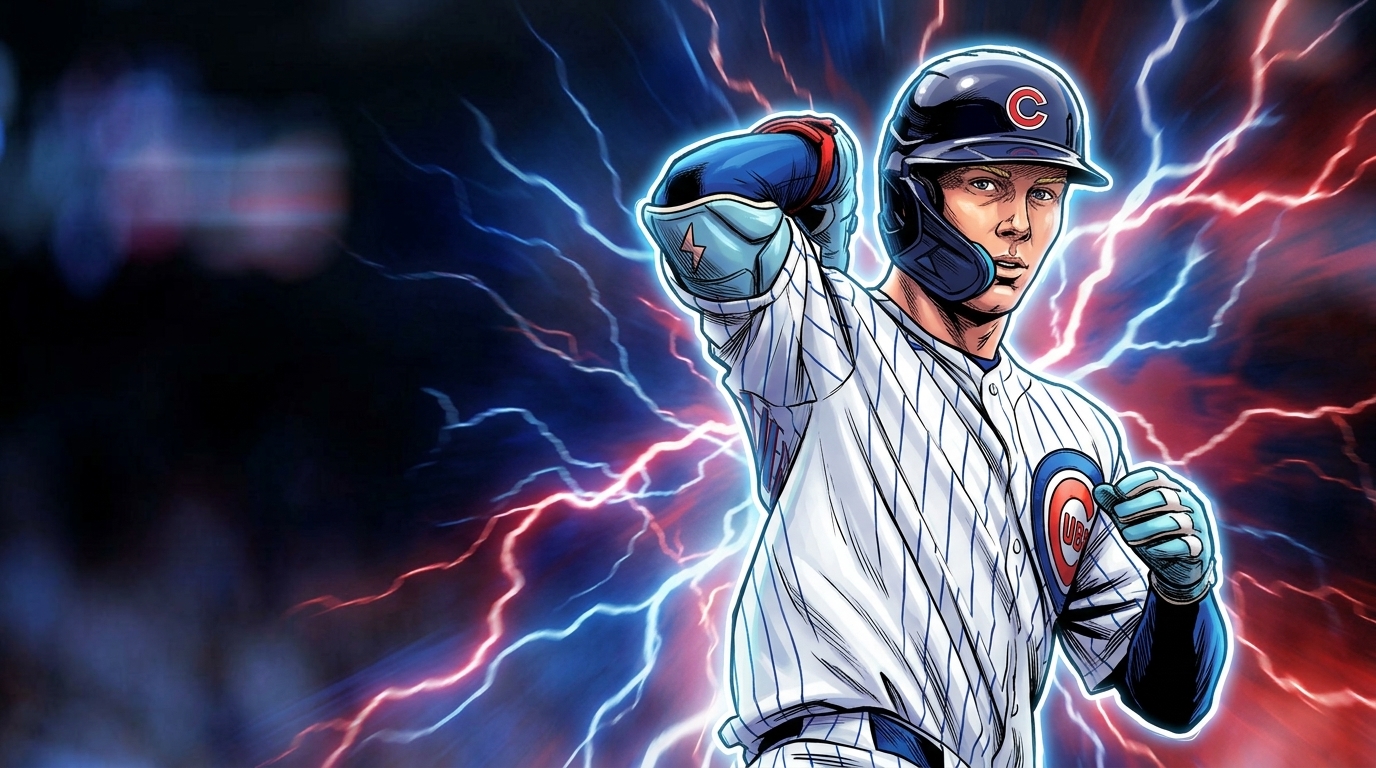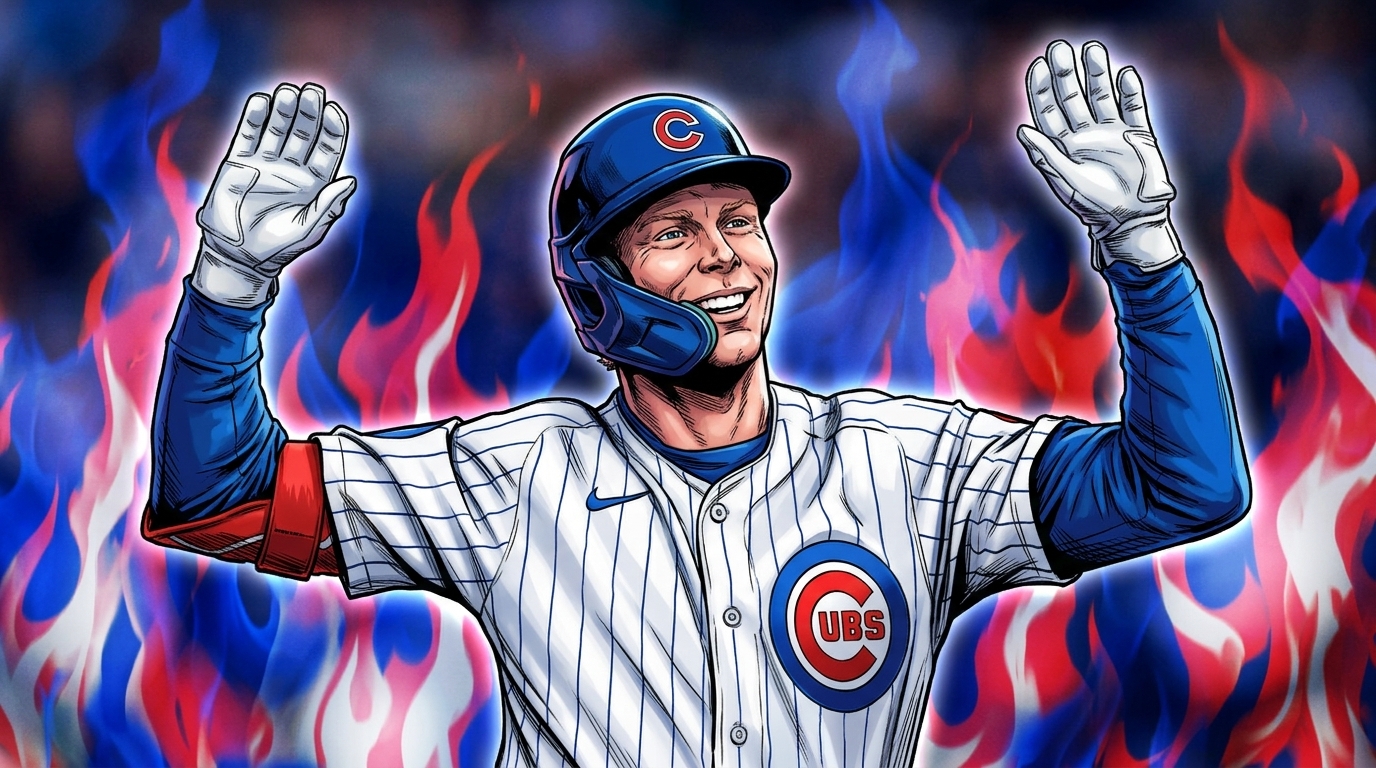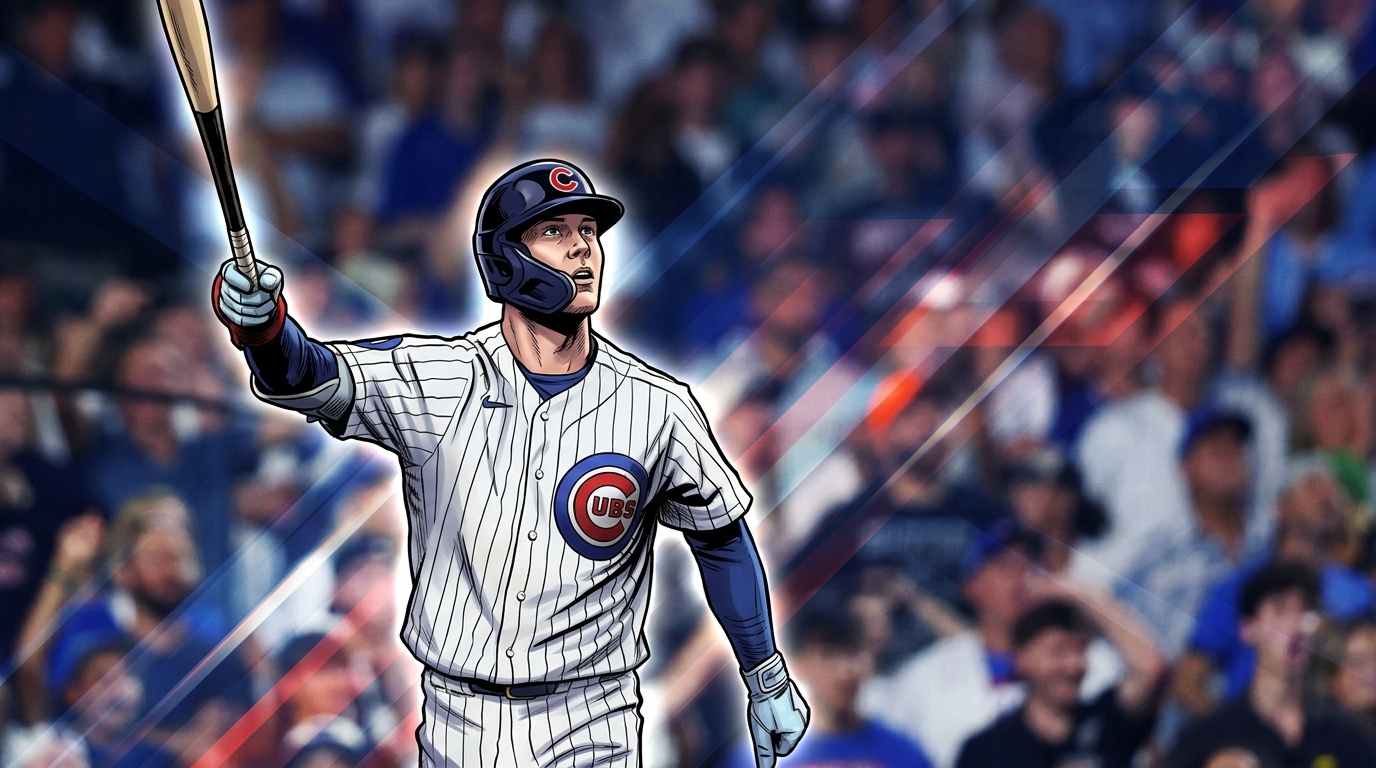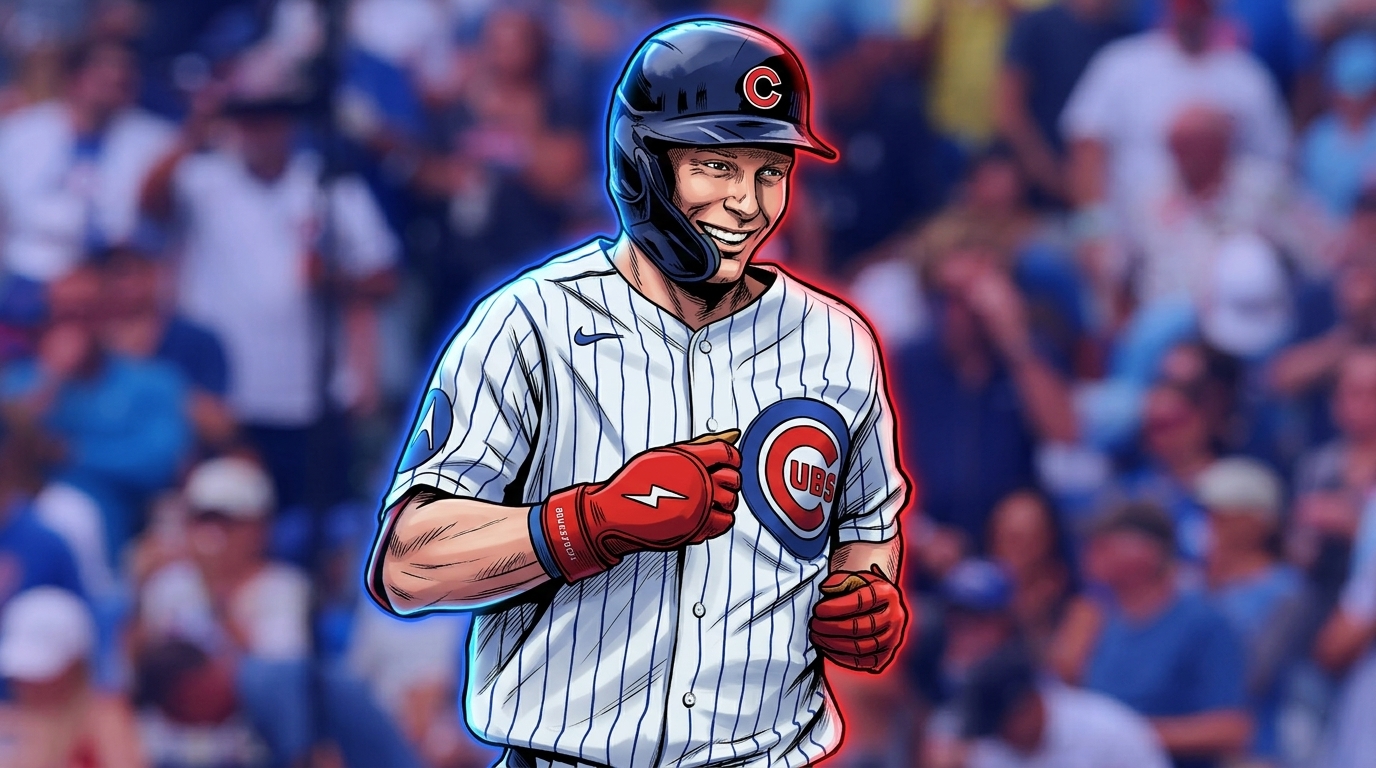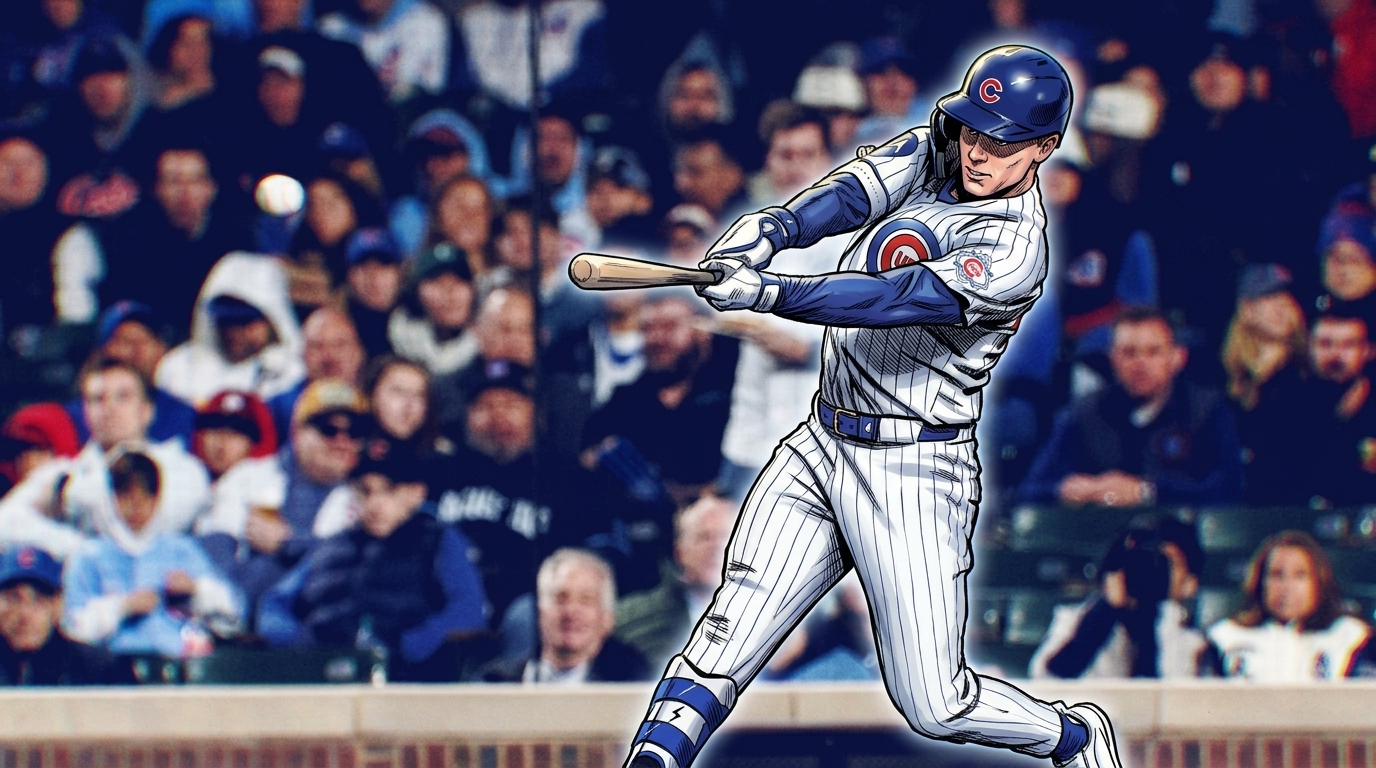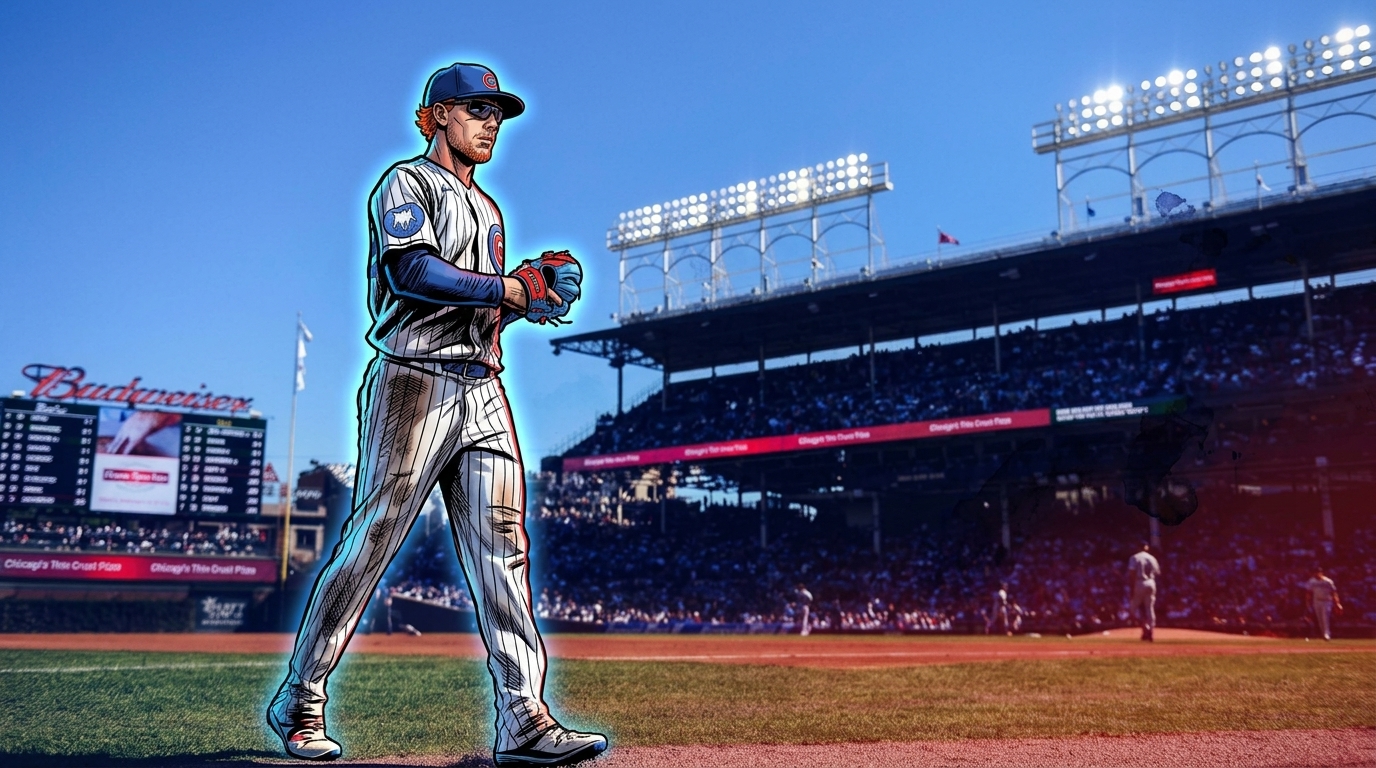

Pete Crow-Armstrong finished Thursday afternoon with a stat line that only six players in major-league history had ever produced, and by the time the highlight shows wrapped that night, the lead story in baseball still wasn’t about him.
Crow-Armstrong stole his 40th base in the first inning against the Marlins at Wrigley Field on Thursday, closing out the 40/40 club weeks after he’d already cleared 40 home runs. Final tally: 45 homers, 40 steals, a season CBS Sports is now placing next to Rogers Hornsby and Sammy Sosa in the Chicago Cubs record book. He’s the seventh player to ever do this, per ESPN, and the more I sat with that number, the less it explained why he isn’t the headline of his own sport this week.
How Rare Is a Real 40-40 Season?
The full list is Jose Canseco in 1988, Barry Bonds in 1996, Alex Rodriguez in 1998, Alfonso Soriano in 2006, Ronald Acuña Jr. in 2023, and Shohei Ohtani in 2024. Six players across nearly four decades of modern baseball, and now Crow-Armstrong. That’s the whole club.
That group includes two inner-circle talents from a different era of the sport, two active MVP-caliber stars, and Soriano, whose 2006 season is the outlier of the bunch: a career year he never fully replicated again. Getting into this room at all says something. Getting in at 24 says something else entirely.
Why Does Crow-Armstrong’s Age Matter So Much Here?
Crow-Armstrong is 24. Only two of the six players who beat him to 40-40 did it at that age or younger: Jose Canseco, who was still 23 for most of his 1988 season, and Alex Rodriguez, who managed it at 22. Every other name on that list, Acuña included, was already older than Crow-Armstrong is right now.
I checked the birthdates myself, since neither source drew this specific line and I run enough fantasy baseball projections to know a claim like this needs the math shown, not just asserted. Acuña, born in December 1997, was 25 for the entirety of his 2023 season, a year older than Crow-Armstrong is today, despite being the name most people would reach for first if you asked them to picture a young 40-40 talent. Bonds was 32 in 1996. Soriano was 30 in 2006. Ohtani was 30 in 2024. Strip those three out and the only players who’ve ever pulled this off before turning 25 are a 23-year-old Canseco and a 22-year-old Rodriguez, two of the most feared right-handed bats of their generation. Crow-Armstrong isn’t just in the 40-40 club. He’s in the smaller room inside it.
What Does Leading MLB in WAR Actually Mean?
Crow-Armstrong leads every player in baseball in Wins Above Replacement, 9.8 by Baseball-Reference’s version and 10.6 by FanGraphs’, which means no player anywhere in the majors has been worth more to his team this season than a 24-year-old center fielder most national broadcasts aren’t leading with.
WAR bundles hitting, defense, and baserunning into one number that estimates how many extra wins a player is worth compared to a readily available replacement. Leading the entire sport in it, ahead of more than 750 active major leaguers, means Crow-Armstrong has been the single most valuable player in baseball this season by the game’s best attempt at measuring total value. The rest of the line backs it up: a .280/.374/.577 slash, 107 RBI, 119 runs scored. That .374 on-base mark means he’s reaching base on nearly four of every ten trips to the plate, and .577 slugging is the kind of number that usually belongs to a corner slugger who doesn’t also swipe 40 bags.
He got there partly on a home run that broke a 56-year-old franchise mark. His 43rd homer of the season, against the Braves, passed Billy Williams’ Cubs record for most home runs in a season by a left-handed hitter, set back in 1970. That’s not the Cubs’ outright single-season home run record; Sammy Sosa still owns that one with 66 in 1998. But going through a Hall of Famer’s number that had stood since Nixon’s first term, in the same year he went 40-40, is the kind of coincidence that should be leading a SportsCenter open on its own.
His teammates have noticed, even if the rest of the sport is slower to catch up. “The fans are aware of it in a fun way,” Nico Hoerner told ESPN. “We’re aware of it as well. He’s handled it really well. It’s an incredible accomplishment.” When Crow-Armstrong got to second on steal No. 40, Wrigley Field stood up and chanted “M-V-P” while he saluted from the bag, which tells you the people actually watching this season already know what it is.
The Cubs put the moment on their own account, and the ovation sounds louder than most Chicago crowds get for anything short of a walk-off:
https://twitter.com/Cubs/status/2103189901332328722
So Why Isn’t This the Biggest Story in Baseball?
Because baseball’s national conversation runs through its biggest markets regardless of who’s actually having the best individual season, and this week that machinery is pointed at Aaron Judge’s wild-card availability, Ben Rice’s surprise 40-homer breakout, and Ohtani’s return from the injured list, not a center fielder in Chicago outproducing all of them.
To be fair, it’s not that nobody’s noticed. CBS Sports has already staked out the position that Crow-Armstrong should win the NL MVP unanimously, stacking his season against Hornsby, Sosa, and Ernie Banks in the same paragraph: company he doesn’t need to grow into, because he’s already standing in it. Swipe covered the chase toward this exact number a month ago, back when 40-40 was still theoretical instead of a box score line. The Wrigley chants were real. That buzz exists, and it’s not manufactured.
It’s just regional, and it’s competing for national oxygen against a full slate: Judge trying to drag the Yankees into October, Vladimir Guerrero Jr. still fielding questions about the $500 million extension he already signed, Max Scherzer’s future, and Ohtani’s own MVP case now that he’s back from the IL. None of that is Crow-Armstrong’s fault, and none of it makes his season smaller. It just means a genuinely historic year, in a market that isn’t New York or Los Angeles, gets treated as a subplot instead of the plot.
Vote on merit instead of market size, and this isn’t close. Give me Crow-Armstrong for NL MVP, and give him the September he’s actually having instead of the one getting covered.