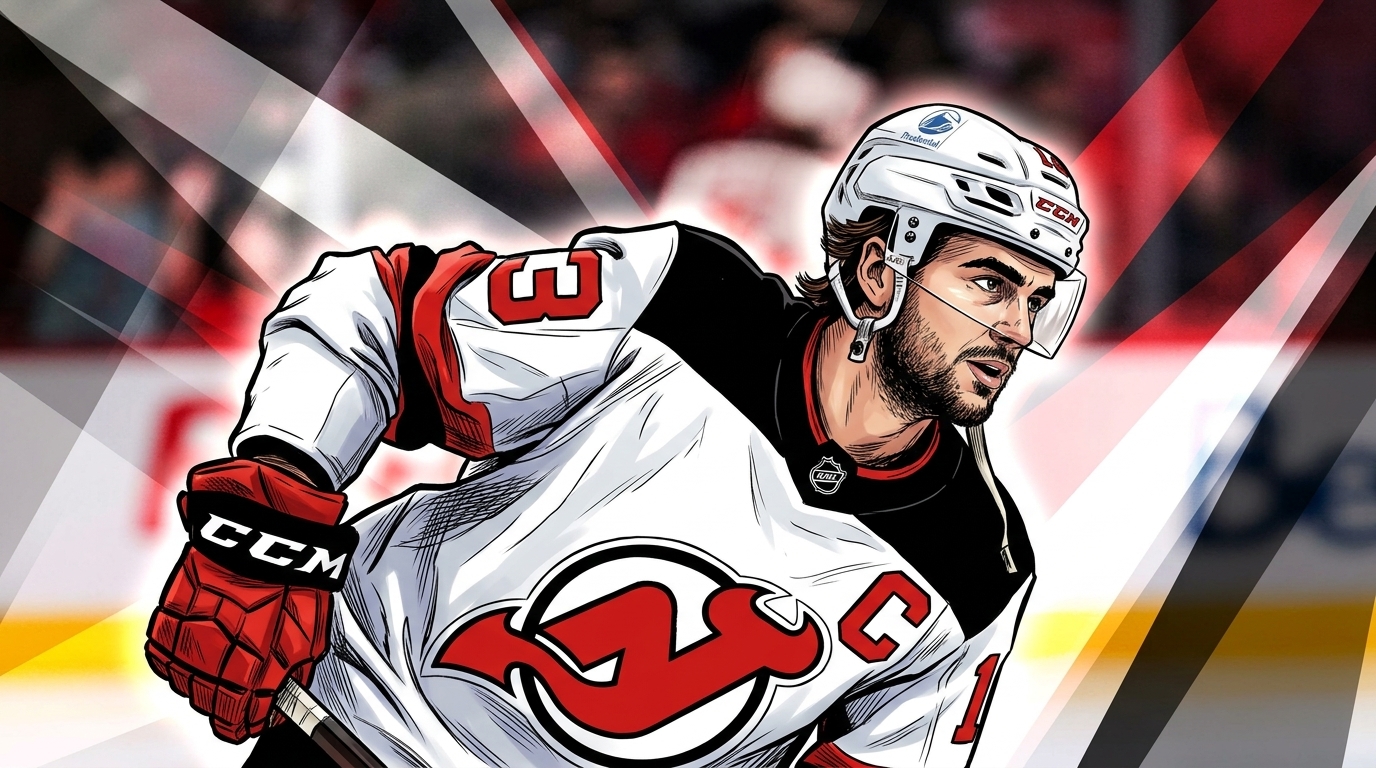

The Nashville Predators just traded a 24-year-old coming off a career year for two draft picks that won’t suit up for an NHL game until 2028 at the earliest, and somehow nobody in the organization said the word “rebuild.” Not once.
I’ve watched enough front offices dress up a fire sale as asset management to recognize the tell. It’s always a word like “flexibility,” reached for the moment ownership needs the fanbase to stop counting what just left the lineup. Strip the language away and what’s left is a team quietly conceding the season without ever admitting it’s rebuilding, because “rebuild” costs season-ticket renewals and “flexibility” doesn’t.
Evangelista posted a career-high 56 points last season, 12 goals and 44 assists in 81 games, per TSN. He’d played 259 regular-season and playoff games for Nashville across four seasons and racked up 143 points doing it. He wasn’t a pending free agent the Predators were at risk of losing for nothing, either. He had a year left on a two-year deal worth $3 million against the cap, already signed, already cheap, already producing.
New Jersey has him now. Nashville has a conditional 2028 first-round pick and the Devils’ own 2028 second, and neither one turns into a hockey player for two full years, if ever — just two more entries in this year’s draft-pick trade frenzy that’s swallowed up half the league’s actual talent.
General manager Chris MacFarland called it a cap play: “The trade provides us with flexibility from a roster and salary cap standpoint to make additional improvements to our team.” Fine, except Nashville reportedly had roughly $7.7 million in cap space heading into this deal, even before accounting for the NHL’s cap jump that’s already loosening everyone’s books. That’s not cap distress. That’s asset management dressed up as strategy, and calling $7.7 million in breathing room a constraint is bullshit with a spreadsheet attached.
Nobody in Nashville’s front office named a single target that flexibility was actually for. That’s the tell.
MacFarland’s other explanation was positional. Nashville is “very forward heavy,” he said, and didn’t “have the right mix of darts to throw” this summer. Roster construction is a real problem. It is not solved by trading away a 24-year-old who just posted a career year and getting back nothing that plays a game of hockey until 2028.
Ask the person who renewed their Predators season tickets this summer how a shortage of “darts to throw” is supposed to land. Fans on X didn’t buy the spin either. “Why are you trading the only young player that had any sort of promise for that? Are you trying to piss off your fanbase?” one fan asked, and Sportskeeda rounded up plenty more like it, including one fan mocking the return with a Family Guy meme, joking that a first- and second-round pick “could be anything. It could even be a player like Luke Evangelista!” More than a few argued he could’ve been the face of the franchise. They were saying that in real time, about a 24-year-old who’d just posted the best season of his career, while the trade was still trending.
The Predators’ own account posted the news like it was routine business.
https://twitter.com/PredsNHL/status/2094949721601142849
It wasn’t routine. Teams that are actually building toward something extend their 24-year-old top-six wingers. They don’t ship them out for picks that vest two years down the line while sitting on nearly eight million dollars of breathing room. Nashville didn’t rebuild. It just declined to use the word, and left the people who paid for the tickets to work out the difference on their own.