
The San Antonio Spurs announced this week that they’re leaving their regional cable carrier for an exclusive streaming deal with DAZN, and I need someone employed by an NBA franchise to explain, without laughing, why “exciting new partnership” is the phrase they keep reaching for when what they actually mean is “we found a fourth way to charge you for something you already paid for.” I’ve watched this same press release get copy-pasted by team after team since July. Gift. Access. Innovation. It’s none of those things. It’s a toll booth with a new coat of paint, and it’s bullshit.
Start with who eats this. It isn’t the league, and it isn’t Spurs Sports & Entertainment, which just handed the keys to its local broadcasts to a company most of America still associates with soccer highlights. It’s the fan who grew up on the Wolves, moved to San Antonio for a job, and now runs two separate $19.99-a-month subscriptions just to watch two teams that one cable package used to cover for a single price. Following more than one team now means paying more than one bill, every month, forever, and that fan doesn’t get a press release, just a growing credit card statement.
What the Spurs are actually selling: a Monthly Pass for $19.99, a Season Pass for $119.99, and an “Ultimate” tier for $24.99 a month or $139.99 for the year, per TV Tech’s reporting on the deal. Season ticket holders get 20 percent off, because nothing says premium partnership like a loyalty discount on a service replacing the thing you already had. Sign up through the Fan Club by September 9 for a little more off, the streaming-era version of a mattress store’s “sale ends Sunday” banner that’s hung in the window since March. Twenty-two games will air over the air through a local partner still to be named. The Spurs haven’t locked that down either, and it’s already being sold as an upgrade.
The Spurs made the whole thing official on X:
https://twitter.com/spurs/status/2095150618012791011
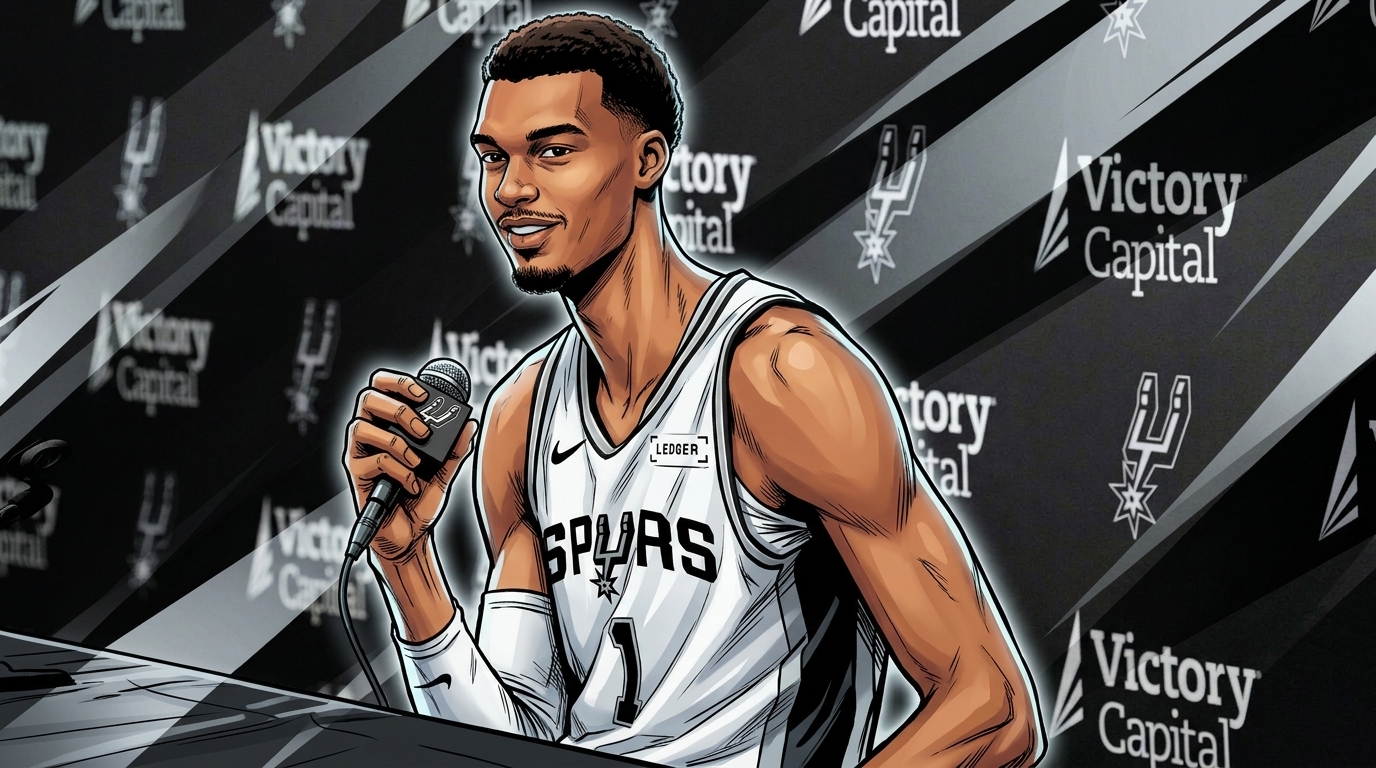
Frank Miceli, the team’s Chief Commercial Officer, described the deal this way: “Partnering with DAZN gives Spurs fans an easy and innovative platform to follow Spurs game action and additional behind-the-scenes highlights.” Notice what that sentence doesn’t say. It doesn’t say cheaper. It doesn’t say more accessible than what fans already had. It says “easy” and “innovative,” two words executives reach for exactly when the real news, that you’re paying more to watch the same games, would sound bad stated plainly.
None of these numbers are unique to San Antonio. The Cleveland Cavaliers signed their own DAZN deal at $19.99 a month and $139.99 for the season-long Ultimate tier, on a five-year, roughly $20-million-a-year contract. Indiana’s Pacers went DAZN on August 20th at the identical price points, plus 22 free games. I already ran the Pacers’ own math on their DAZN deal when that one landed, and it hasn’t changed since, it’s just wearing a different jersey. Every one of these deals uses the same $19.99-a-month script, down to the cent.
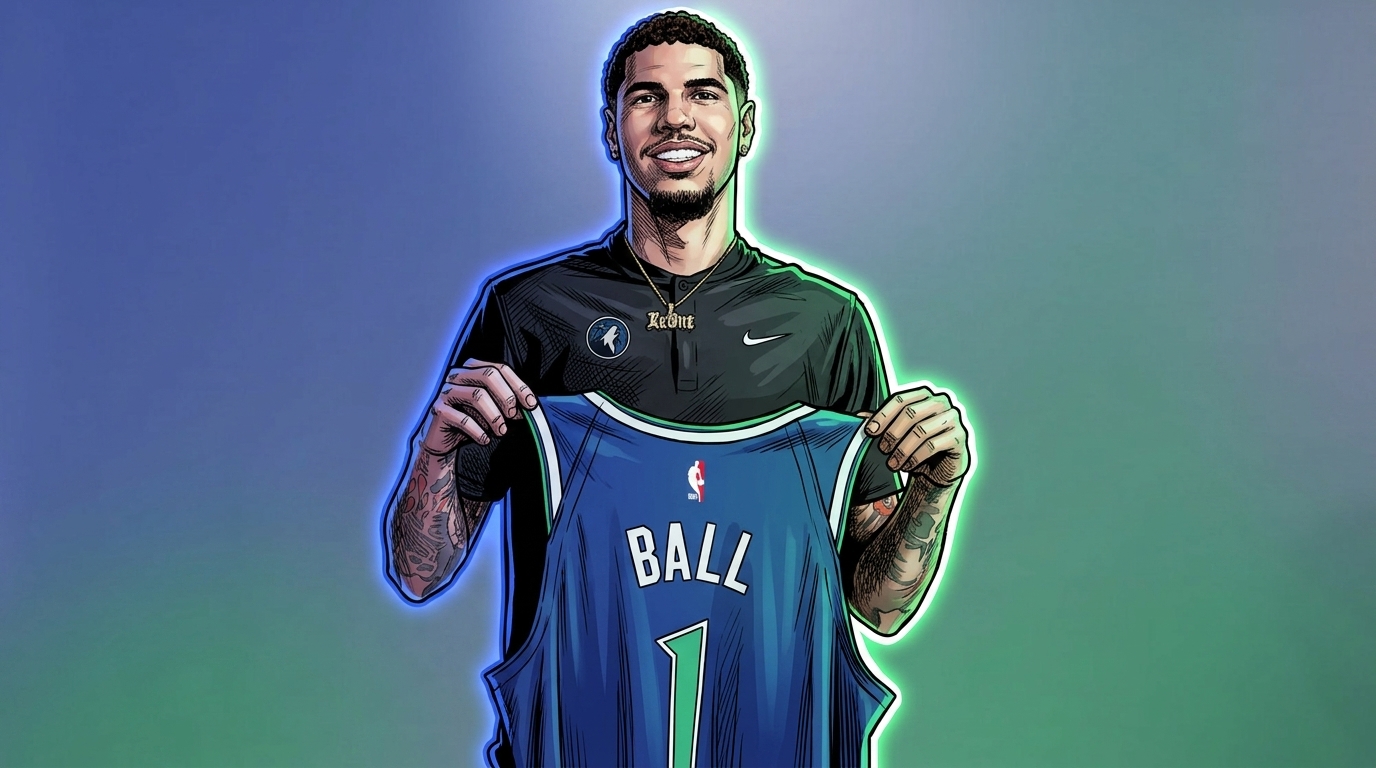
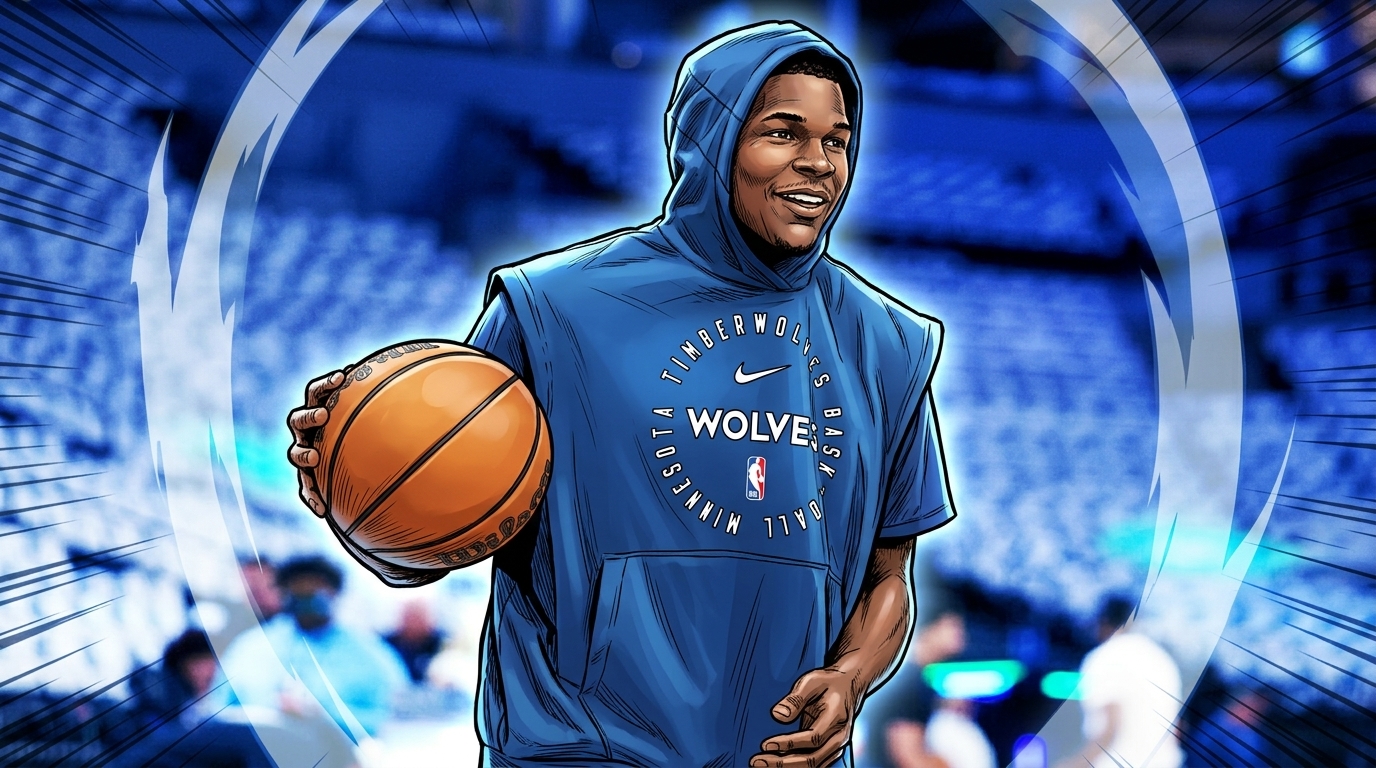
Minnesota was first, back on July 30th, when the Minnesota Timberwolves signed with DAZN and everyone treated it as a curiosity. It wasn’t. The Spurs are the fourth team to make this exact move this summer, and Memphis is reportedly close enough to its own deal that by the time you finish this, it might already be five. Stack that line up and it stops looking like four independent decisions and starts looking like a new tax on being a fan of more than one team.
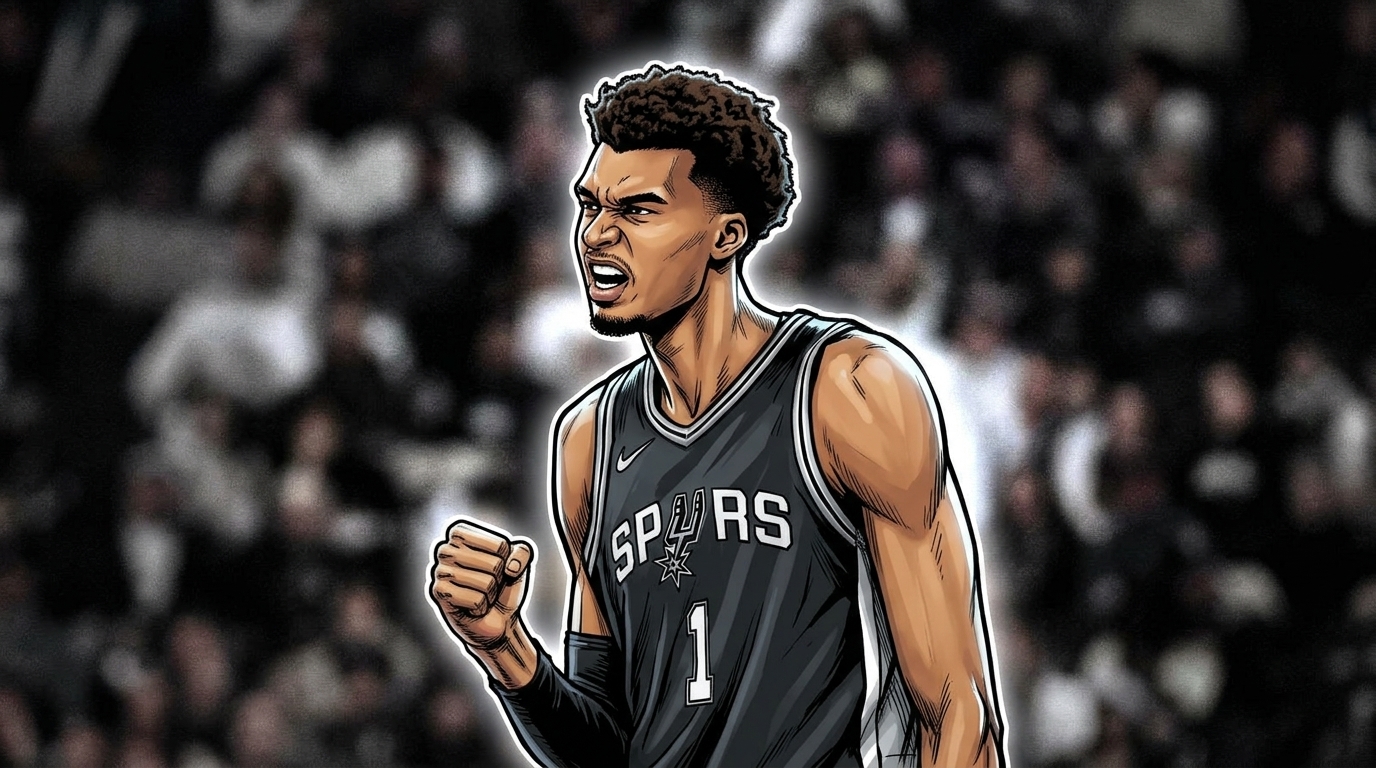
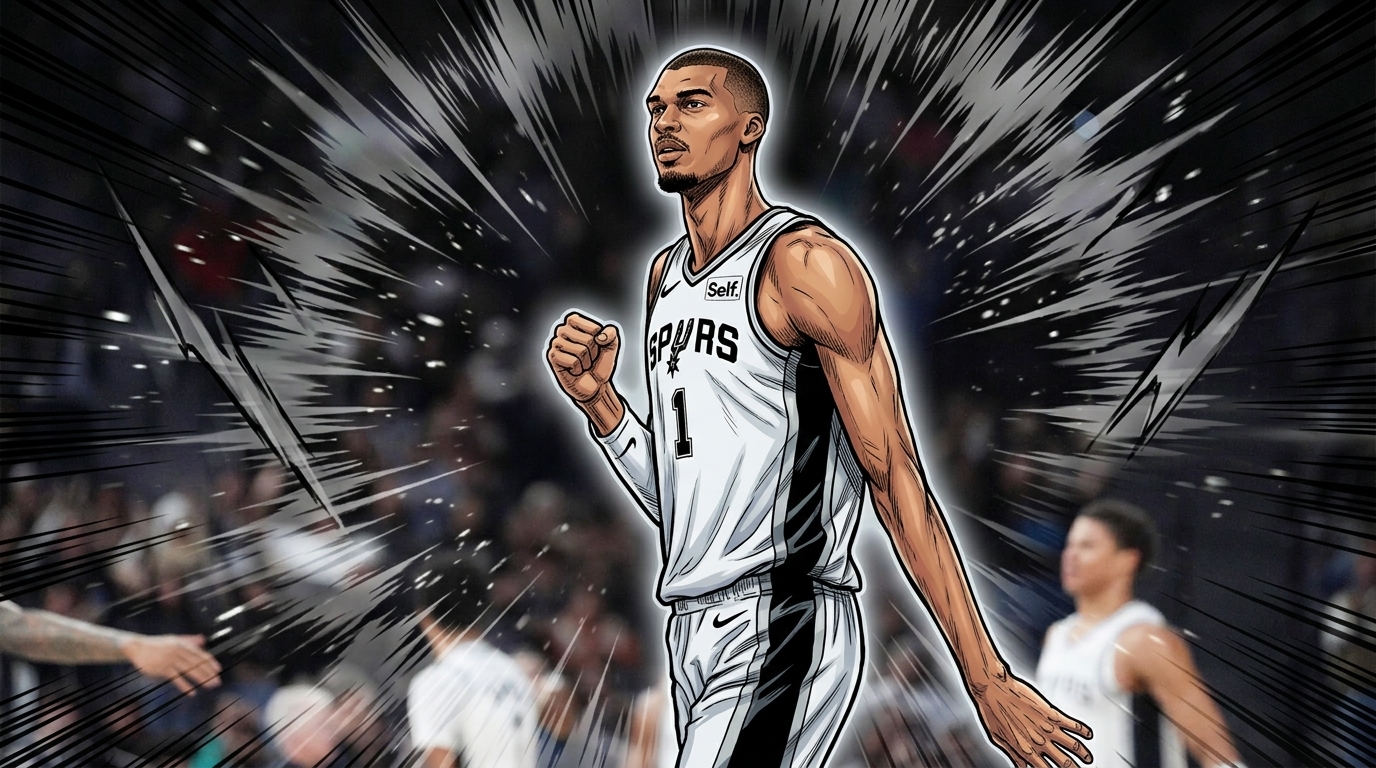
The player San Antonio is building this rollout around is Victor Wembanyama, a seven-foot-four problem the league would happily beam into every American living room for free if it meant more casual fans found the sport. Instead he’s gated behind a login screen unless you live somewhere covered by one of those 22 over-the-air games. Want to watch the best two-way big man since peak Kevin Garnett? That’s $19.99.
None of this happened because DAZN showed up with a better offer out of nowhere. Main Street Sports Group, formerly Diamond Sports Group, formerly the operator of FanDuel Sports Network, collapsed for the second time in two years after limping out of a 2025 bankruptcy. Thirteen NBA teams got their regional network pulled out from under them and had to scramble for a new local partner with a season bearing down. That part isn’t a grift. Regional sports networks were a dying business model and somebody was always going to go under. What happens next is the grift: dressing up an emergency scramble as an “exciting new partnership,” the way Miceli just did, instead of telling fans the old system broke and this is the patch.
And it’s not just an NBA problem. Ask anyone who’s tried to add up what it now costs to legally watch a full NFL season, stacking a half dozen apps just for their own team’s out-of-market games. ESPN raising its own prices the same month that four NBA teams rolled out identical $19.99 tiers isn’t a coincidence. It’s the same market deciding, all at once, that the fan who follows more than one team is the customer who can absorb the most subscriptions before giving up and reading a recap instead.
The NBA wants its own local streaming hub by 2027-28, which is either the real fix or a fifth version of this press release with better production values. Until then, the math stays simple: four teams, four separate logins, a fan base told over and over that paying more for less is the exciting part. I’ll believe San Antonio’s “partnership” is about access the day the Spurs let a season-ticket holder skip the loyalty discount on a service nobody asked if they wanted in the first place. Spare me the “exciting” until then.