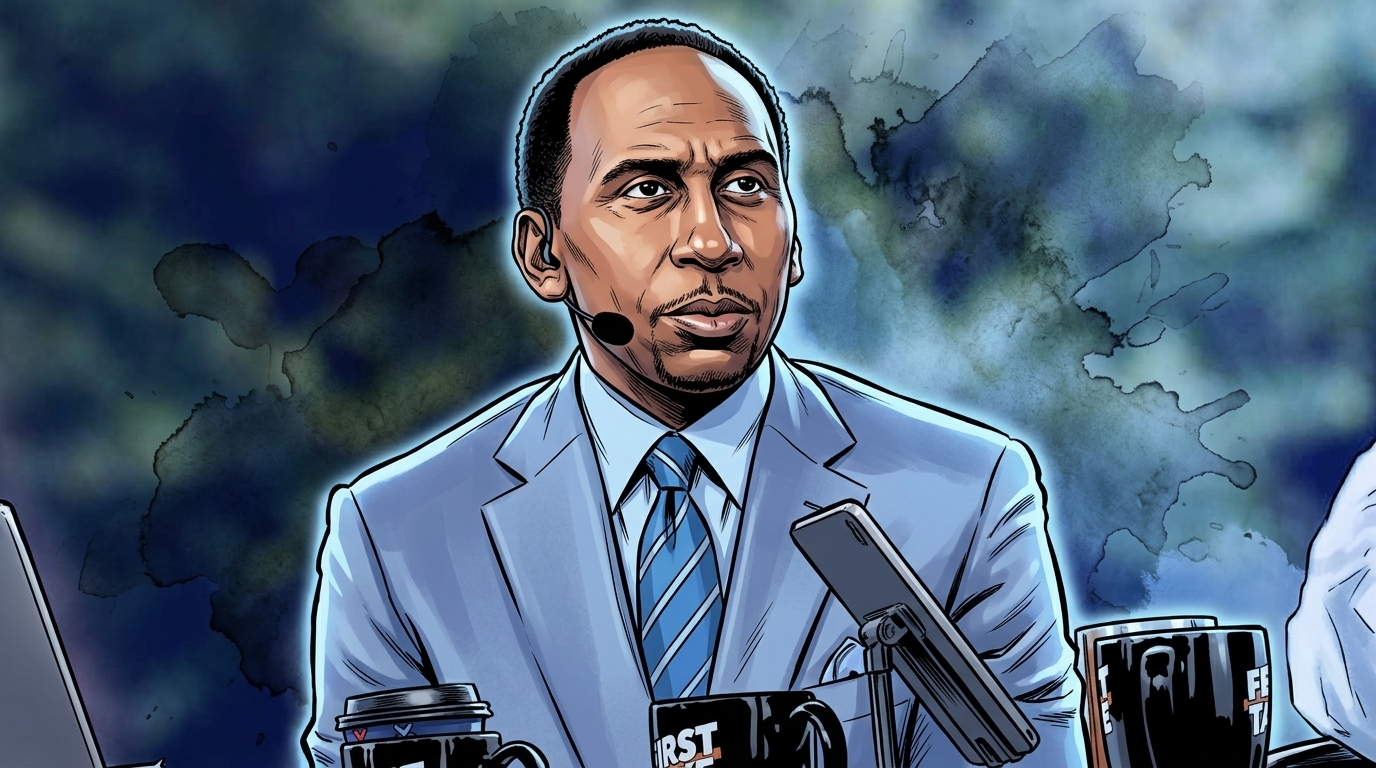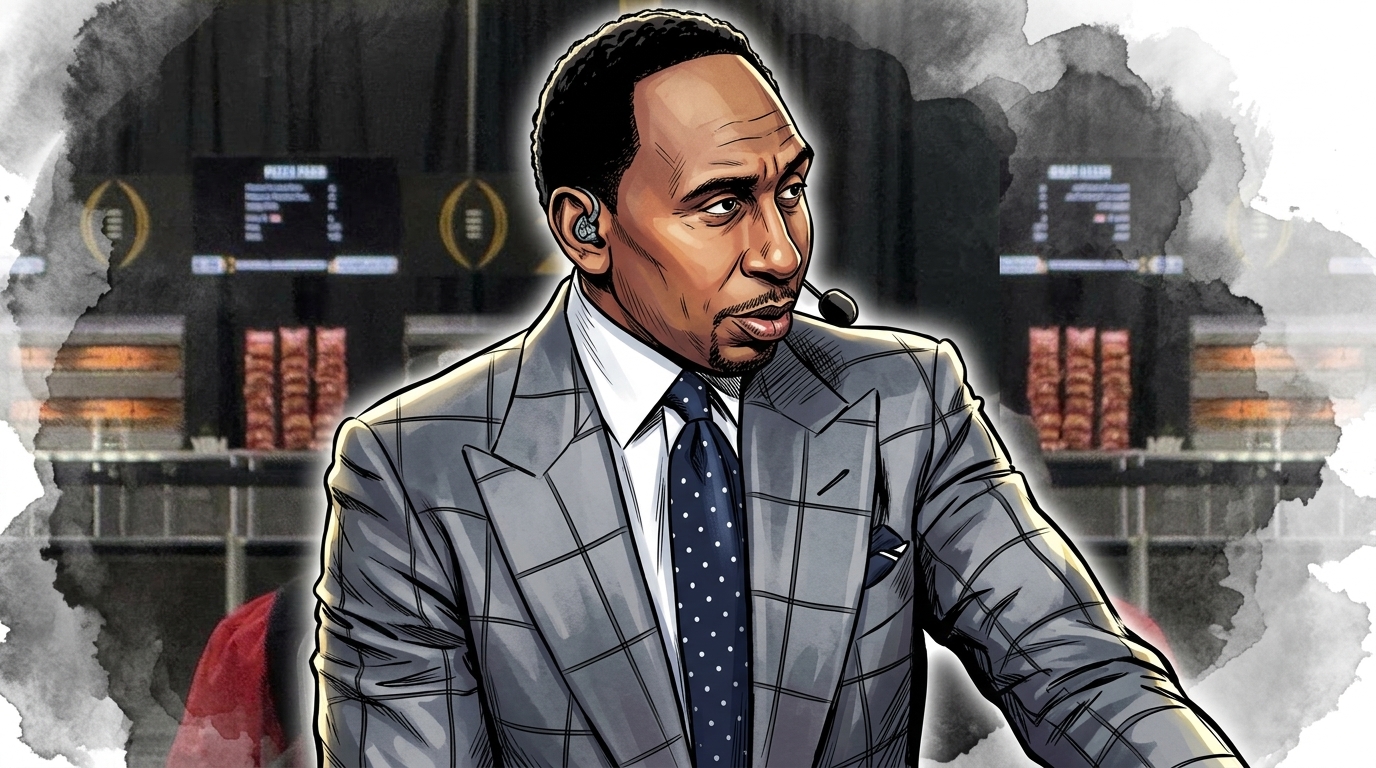

Stephen A. Smith went on the air back in July and said he was “not happy” that ESPN had laid off Ryan Clark, and I kept waiting for the next sentence, the one where the guy making nine figures a year offers to give some of it back. It never came. I’ve watched this ritual before: somebody loses a job, somebody else gets emotional about it on television, and the org chart above both of them doesn’t move.
Clark, an NFL analyst at the network since 2015, found out live, during a break in an NFL Live broadcast, that his job no longer existed. He didn’t come back for the rest of the show.
In the same round, ESPN cut Karl Ravech loose, a 33-year company man who’d been there since 1993, anchored Sunday Night Baseball back when ESPN still held those rights, and kept calling MLB games long after NBC took the package away. His final broadcast was a Dodgers-Phillies game. This was never really about whether Stephen A. is a hypocrite for staying financially quiet. It’s about whether ESPN’s budget ever left room for him to be anything else.
ESPN chairman Jimmy Pitaro confirmed the cuts were tied to Disney’s wider cost-reduction push after the network absorbed NFL Network’s assets. Smaller than the bloodbath ESPN ran in 2023, sure. Still the same math, just a lighter version of it.
Stephen A. reacted on his show a day or so later. He said he was “not happy about this decision one bit”, that “the bosses know I’m not happy about this decision,” that Clark, whose work breaking down NFL film had been part of the show for a decade, was “arguably the best NFL analyst in America” and “my brother.” He said it “ain’t going to be the same” without him. Then, in the same breath, he told the audience to “be grown-ups and understand these are the kinds of things that happen when layoffs happen.”
That’s the whole racket. Grieve loud on camera, comply quiet everywhere else.
Emmanuel Acho, run out of FOX Sports himself in a programming purge at FS1, wasn’t buying the grief, and good for him, because it was bullshit. Addressing Smith directly, Acho said he and Pat McAfee “both have enough power to go to the executives and say, I don’t want him to get fired.” Acho had already taken a $25,000 pay cut himself so the money could stay with a colleague, and he called that figure “laughable money compared to the $20 million Stephen A. is making.”
Twenty-one million a year is just the ESPN side.
Smith’s deal there runs five years and $105 million, and that’s before the separate three-year, $36 million contract he signed with SiriusXM for his own show. Stack the two together and you get north of $30 million a year, for one guy, in a division that laid off a three-decade employee and a well-regarded analyst in the same news cycle. McAfee isn’t far behind: ESPN is reportedly negotiating an extension worth $60 to $65 million a year, though that figure covers his whole production, not just his personal check.
My brother works in city government in Trenton, and the one thing he’s taught me about municipal budgets is that nobody ever actually runs out of money. Somebody just decides, in a room you weren’t invited to, what the money is for. ESPN’s room works the same way, and Ravech and Clark found out which side of that decision they landed on with zero notice.
None of this makes Stephen A. a hypocrite exactly, and that’s the more useful read, and the more depressing one. ESPN didn’t stumble into a payroll that pays one debate-show host north of $30 million while cutting a three-decade employee loose mid-broadcast. That’s the design. The megacontracts and the layoffs get decided in the same budget cycle, by the same people, justified by the same math. They’re one decision wearing two faces. ESPN’s highest earners stayed exactly where they were the whole time this played out, and being not happy costs Stephen A. Smith nothing. It’s a free emotion. It never touches the $105 million, never touches the SiriusXM money, never shows up on a single line of his contract.
Smith’s comments made the rounds on X almost immediately, because they always do:
https://twitter.com/big_business_/status/2079627605083332928
Watch it and notice the tell: real anger about a friend, zero language about money. That’s the same split ESPN’s executives are counting on every time this happens.
Ryan Clark and Karl Ravech are the two people actually paying for that budget math, and no amount of on-air heartbreak changes their unemployment status. If Stephen A. wants to prove he meant it, the number he needs to say out loud isn’t “not happy.” It’s whatever amount of his own money he’s willing to put on the table. Until he says that number, go read the rest of our media coverage for the next guy who gets to feel bad about it for free.