
I have read more K-pop trainee reflection letters than I’d ever admit to a room full of people who take sports seriously. They’re their own genre — an idol comes back from shoulder surgery or a hiatus and posts a long, handwritten-feeling note to fans about what the time away taught them, and the comments spend days deciding whether the vulnerability reads as earned or performed. I think about that genre every time an athlete publishes one of these.
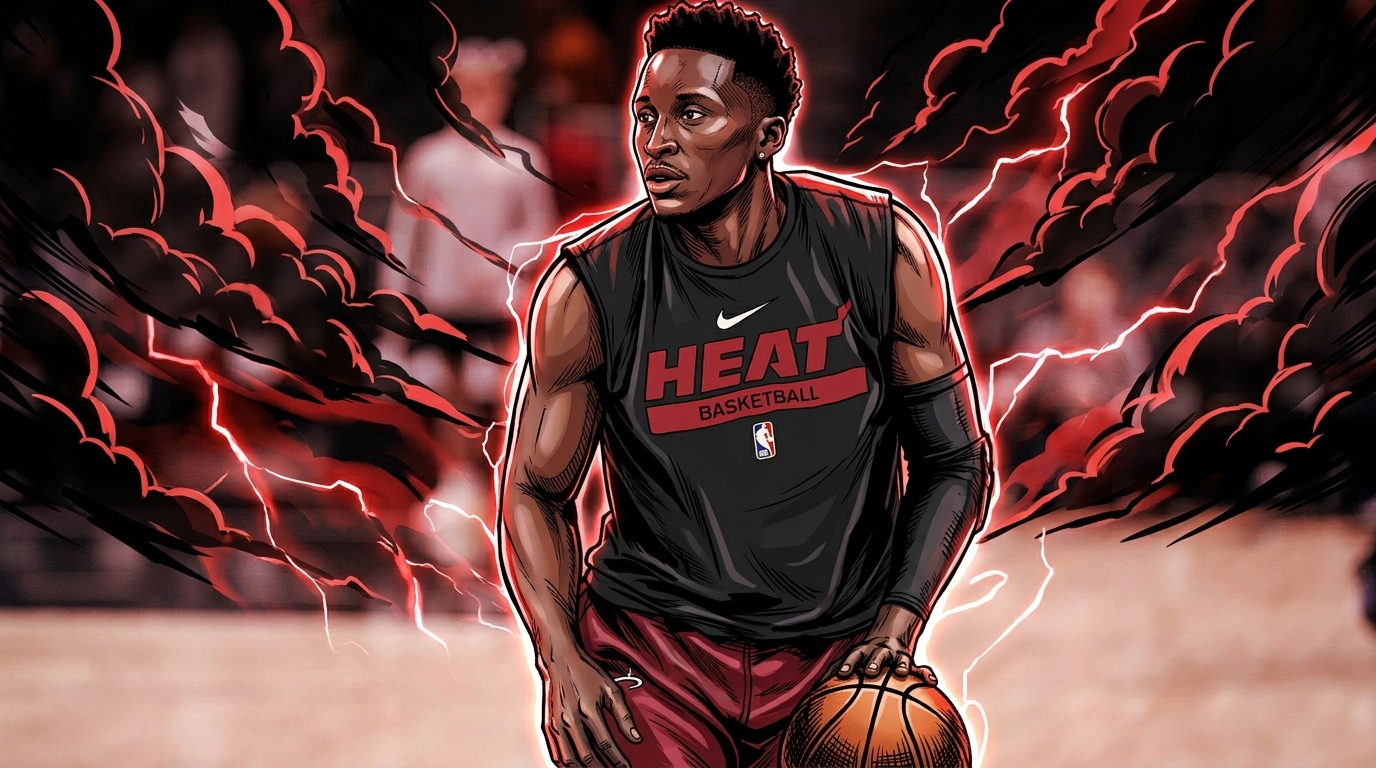
Victor Oladipo published one this week, addressed to NBA general managers on The Players’ Tribune, asking for one more shot at a roster spot. Read as a pitch, it’s a thin one. No team has been reported as pursuing him, and 30 front offices don’t hand out contracts because a player wrote well. Read as anything else, it’s a referendum on how much sympathy we’re willing to extend to a guy we watched get robbed by his own body in real time, and what that says about which comeback stories we actually want to believe in.
Oladipo is 34 now, a two-time All-Star and former No. 2 overall pick who spent his best basketball with the Indiana Pacers before a ruptured quad tendon in January 2019 rerouted everything. He never played more than 42 games in a season again. Four years later, with the Miami Heat, he tore the patellar tendon in his other knee in April 2023, and he hasn’t played an NBA game since.
The letter itself is careful in a way roster pitches usually aren’t. Oladipo writes about the psychological toll of chasing the player he used to be, about going through therapy, about how this rehab finally let him stop chasing what 2019 took and start dealing with what was actually in front of him. He writes about wanting his daughter to see him as someone who faced the hard parts instead of avoiding them. He calls the whole thing a love story with the game itself: the injuries, the letter, the attempt to come back, all of it.
Here’s the paragraph doing the most work in it: “I believe my body is finally right. I believe I still have GREAT (and more importantly WINNING) basketball in front of me. I believe I can be a valuable contributor to an NBA locker room. And what I’m asking for right now is an opportunity to prove it.” Oladipo posted it himself, capital letters and all.
https://twitter.com/VicOladipo/status/2094773804656459781
That’s not a sentence written for a general manager. It’s a sentence written for everyone else reading over his shoulder.
Even the coverage can’t agree on a register. ESPN framed it as a plea for a second chance. Yahoo’s headline reached for the word “begs”. That gap is its own small story: dignified self-advocacy in one outlet, desperation in another, depending on which word a headline writer grabbed first. Readers react to how it gets described to them, not just to what he actually wrote.
There’s a pattern to which comeback pitches earn this much grace, and it has a name: the internet’s sympathy machine for injury-robbed talent, running exactly as designed. That machine runs hottest for players who got hurt at the worst possible moment, hurt enough that we never saw the ceiling, not hurt in a way that makes the ask feel entitled. Oladipo fits the shape almost too well: a first-time All-Star at 26, a season and a half of special basketball, then a knee that never let him finish what he started with the Pacers he made an All-Star with. The letter isn’t really telling front offices anything they didn’t already know. It’s asking the rest of us to keep extending sympathy we’ve apparently been storing since 2019.
Compare it to Ben Simmons’s own comeback attempt, which tends to get read as skepticism first — a guy whose reputation for avoiding hard parts predates the back injuries. Oladipo gets the opposite benefit of the doubt because the injuries came first and the narrative got built around them, not the other way around. Simmons isn’t the villain in that comparison — the split just proves these letters get graded on more than health.
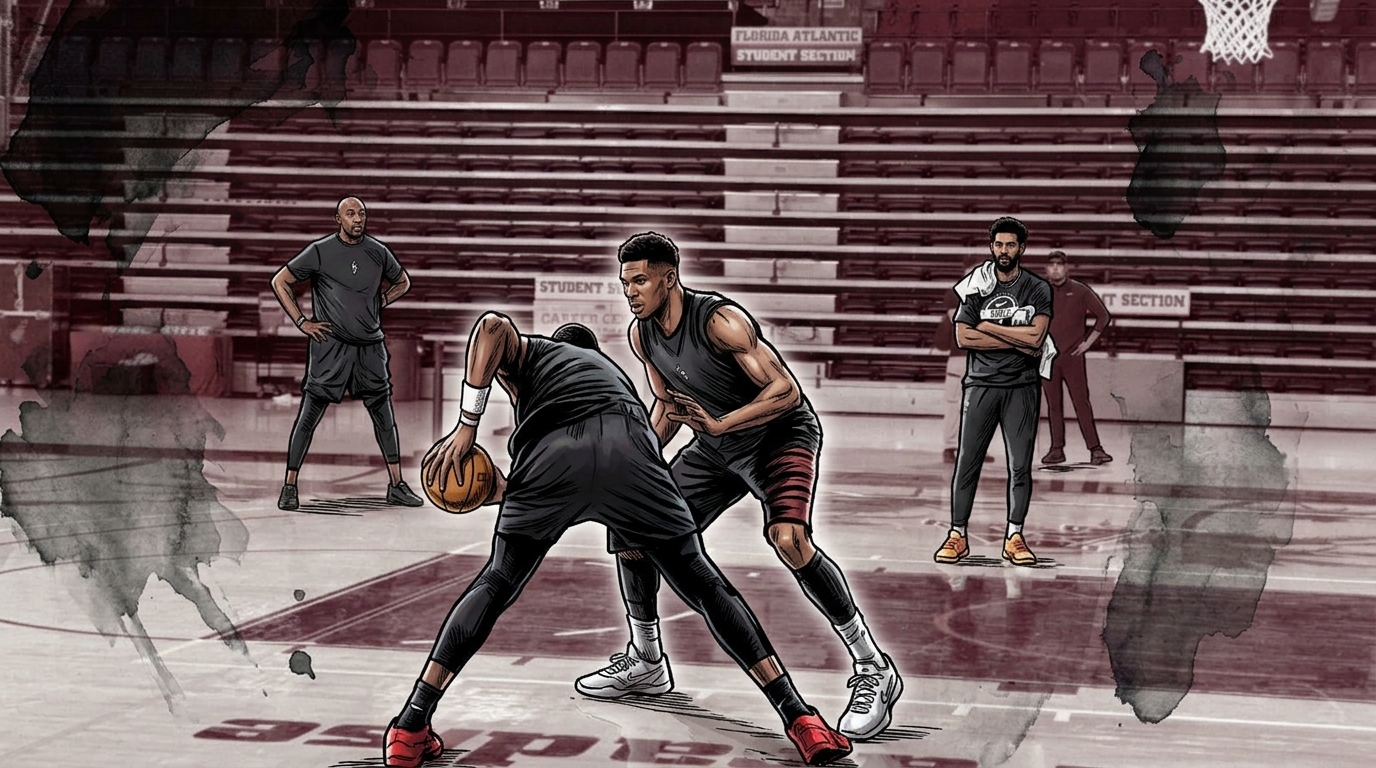
None of this happens in a vacuum. Oladipo spent last season grinding through 26 G League games with the Wisconsin Herd, averaging 13.5 points, 4.6 rebounds and 3.8 assists, modest numbers for a two-time All-Star and exactly the unglamorous box-score rehab these arcs require before anyone takes the health talk seriously. In July, during Summer League in Las Vegas, he ran the pro-day workout he held for front offices in July, a private session built to answer the health question before he ever had to write a paragraph about it.
The honest counterargument is that none of this moves anything. GMs don’t sign players off open letters; they sign them off workouts, medical reports and roster fit, and nothing here changes what a team doctor finds during an actual physical. If Oladipo gets a training camp invite and an honest NBA return this fall, it will be because of the pro day, not the prose.
But the letter did its real job the moment it published, and that was never about a roster spot. It gave a few million people a clean, low-stakes place to put sympathy they’ve apparently been storing since 2019, for a guy whose prime got repossessed by his own knees, twice, in front of everyone. Whether any of the NBA’s 30 general managers read past the first paragraph is almost beside the point. I don’t know if Oladipo plays another regular-season minute. I know exactly why we wanted him to ask.