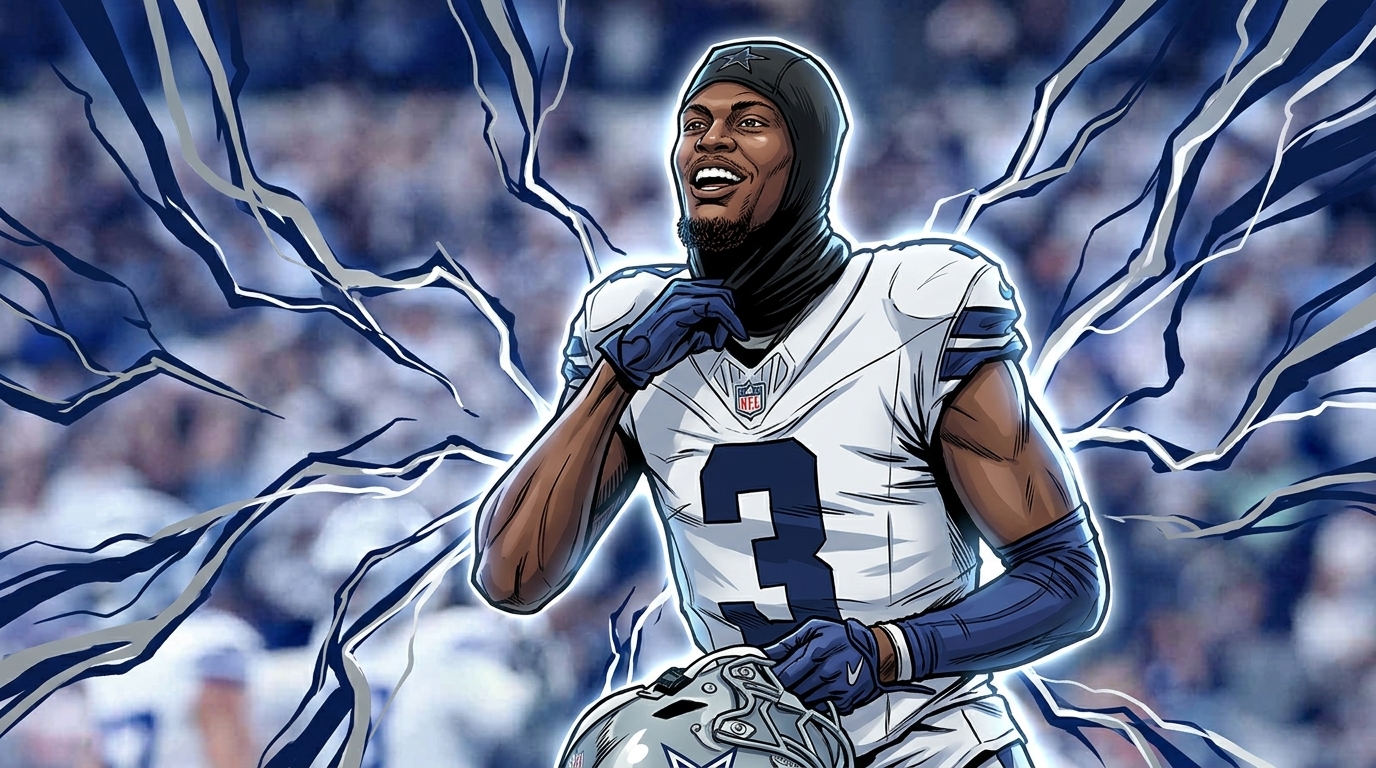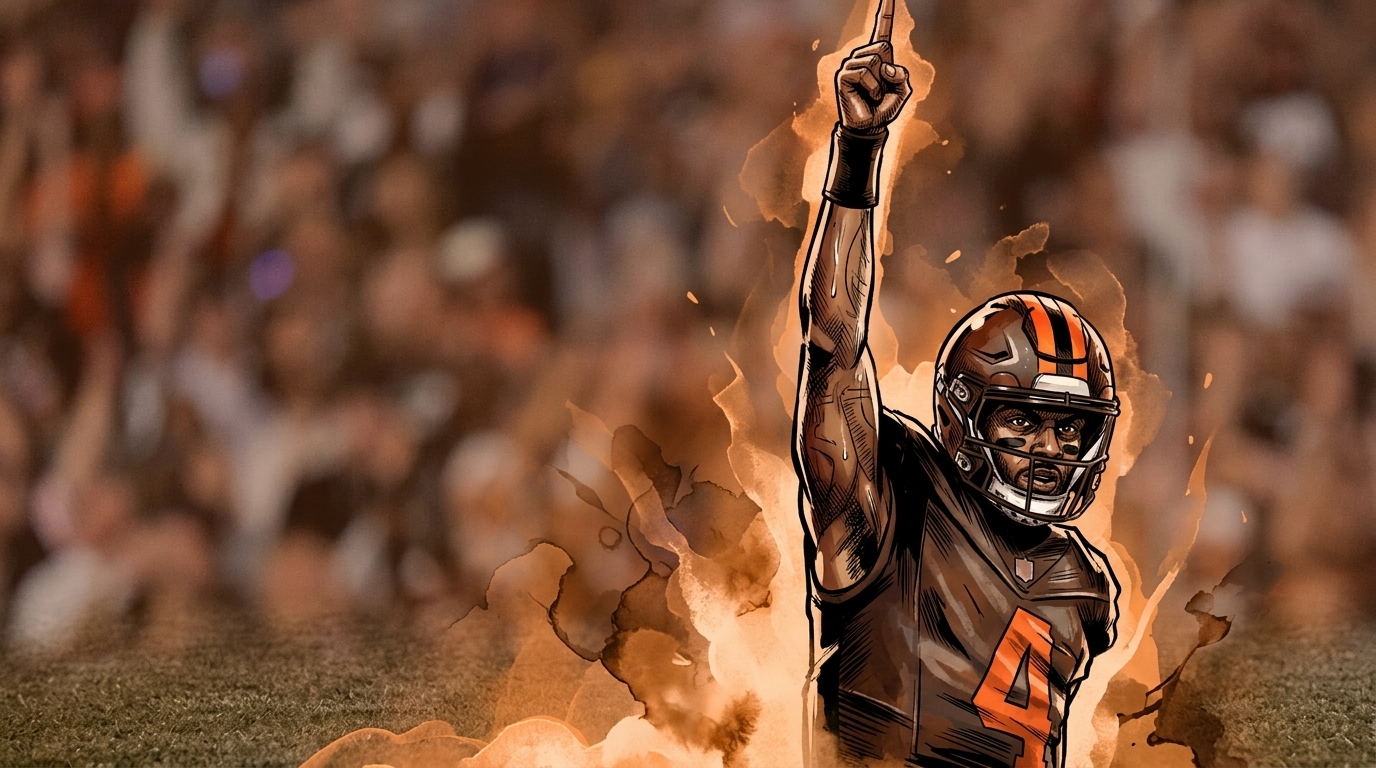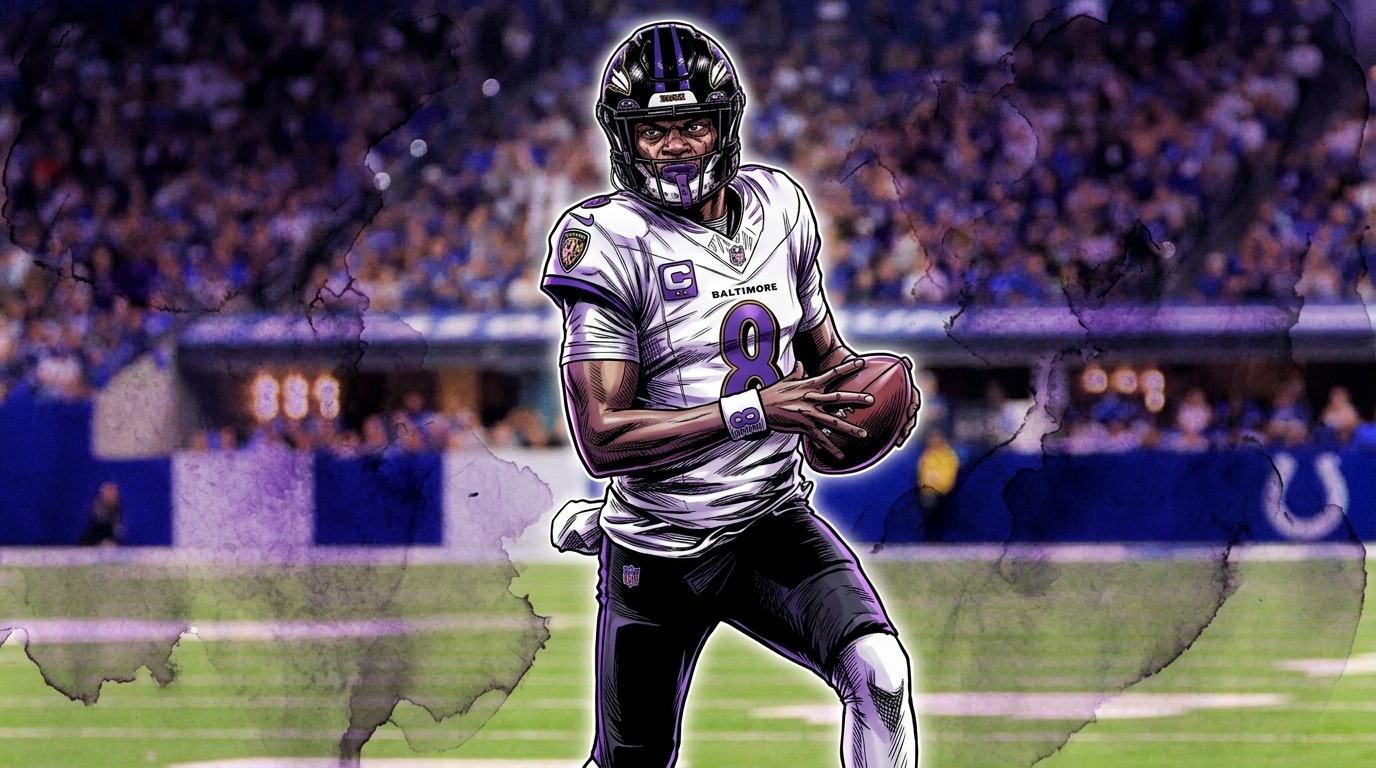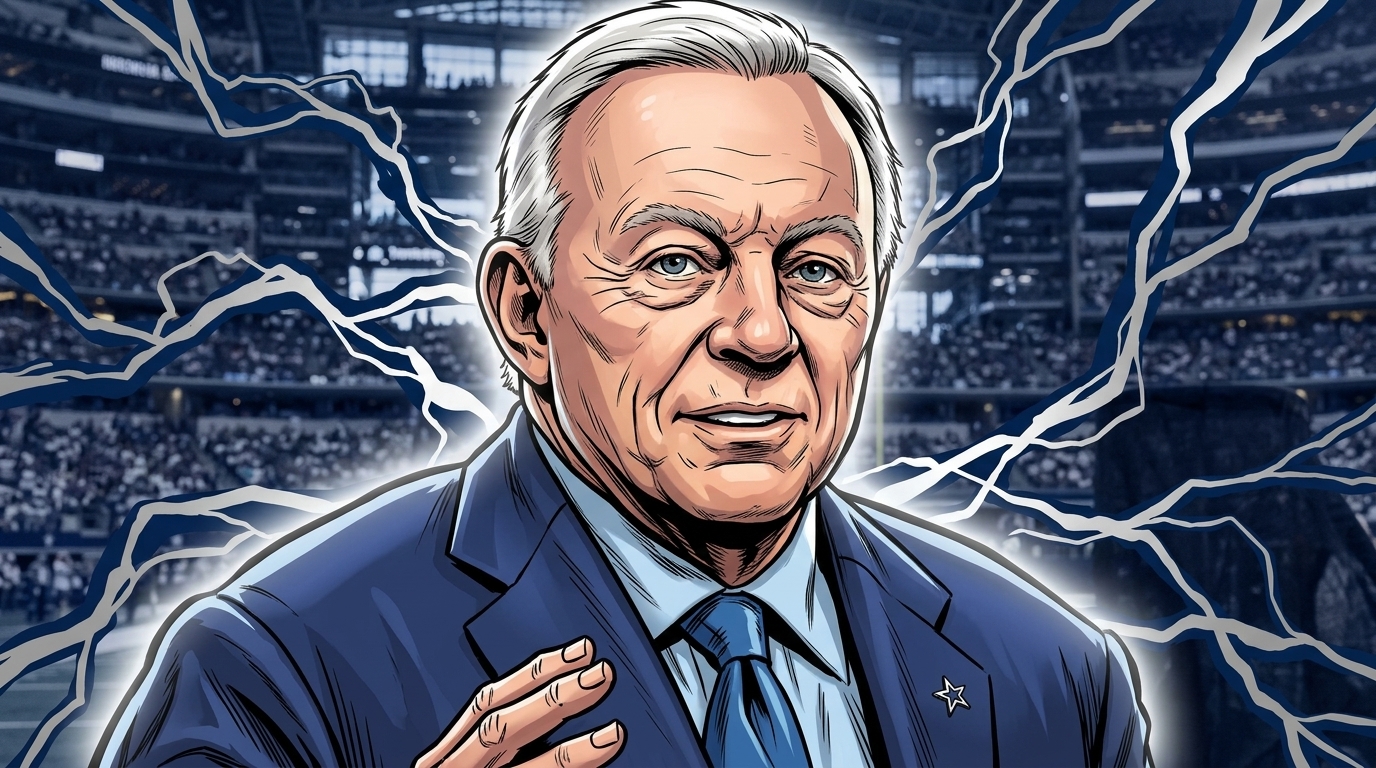

We’ve seen this shape before: a team with a hole on the offensive line watches a former first-round pick lose his grip on a starting job somewhere else, and within days a deal gets done that everyone has an opinion about and nobody agrees on. The Cowboys sending two future draft picks to Pittsburgh for tackle Broderick Jones is exactly that shape, except the disagreement here isn’t really about the trade. It’s about which version of Broderick Jones just walked through the door in Dallas.
The terms, per ESPN’s report, are simple enough: Pittsburgh sends Jones and a 2027 fourth-round pick to Dallas, and the Cowboys send back a 2027 third and a 2027 sixth. What isn’t simple is what that exchange means, because the two loudest grade pieces on it can’t agree on the premise. One says Pittsburgh fleeced Dallas. The other says Dallas’s front office forced a reluctant partner into a deal it never wanted to make. Read them side by side and neither one centers the detail that actually answers the question: Pittsburgh’s own personnel decisions over the past year already told everyone whether Jones was still viewed as a long-term left tackle. He wasn’t.
Some background on the player, since the coverage mostly assumes you already know it. Jones was the No. 14 overall pick in 2023, taken after Pittsburgh traded up from 17 to get him. His first year as a full-time starter, in 2025, ended in Week 12 with a season-ending neck injury that required spinal fusion surgery after he left a game against the Bears. He wasn’t cleared to practice again until 2026 training camp — roughly eight months of rehab standing between him and a football field.
That timeline matters because of what Pittsburgh did while he was rehabbing it. The Steelers used the 21st overall pick in the 2026 draft on tackle Max Iheanachor. They had also already been repositioning Troy Fautanu, their 2024 first-round pick, to left tackle, the exact spot Jones plays. Two first-round investments at the same position, made while the incumbent was still on the roster and still owed a starting job on paper. (Trade season always produces two grades for every deal, one from each fan base’s group chat. This is the rare case where a third party, the actual depth chart, already cast a vote.) Teams don’t spend that kind of draft capital on a position they think is settled.
That context is basically the whole argument in Sports Illustrated’s Steelers-focused grade piece, where Noah Strackbein notes Jones was on the fringe of being cut outright, sitting behind Dylan Cook and Iheanachor on the post-injury depth chart. His conclusion is that a third-round return for a player who might not have made the 53-man roster is “way more than anyone ever imagined,” and he calls it a clean win for Pittsburgh.
Sports Illustrated’s Cowboys-side piece tells a different story. It frames Pittsburgh as a team that wasn’t actively shopping Jones but was “willing to listen,” and it puts Jerry Jones and Dallas’s front office in the role of aggressor, the side that pushed a deal through against a hesitant trade partner. (The headline alone tells you which way that piece leans.) Same trade, same day, two entirely different power dynamics. (Two SI verticals disagreeing this hard on the same news cycle is, at this point, basically a feature of the format.) Everyone agrees this has Jerry Jones’s fingerprints on it, a proactive strike at a position of need instead of patience. Nobody agrees on whether the fingerprints actually helped him.
None of that is really in dispute. What’s missing from both pieces is why it matters who was more aggressive, when the more useful question is why Dallas needed to make this move at all. The answer’s sitting on the current depth chart. Tyler Guyton, the Cowboys’ 2024 first-round tackle, has been dogged by durability problems, a knee injury that cost him camp reps in 2025, then a high-ankle sprain that ended his season early. Terence Steele, on the other side of the line, has allowed 23 sacks and 147 pressures over the last three seasons, with seven penalties in each of those years. That’s the gap Dallas is actually filling, and it’s a gap that exists regardless of who “won” the negotiation.
I spent two years compiling trade notes and depth-chart research for TV analysts who read exactly one headline before going on air, and this is the precise kind of gap that used to make it into their scripts unchecked: two contradictory storylines sitting side by side, with the answer one search away in the transactions log. Dallas isn’t buying a proven, top-of-the-market left tackle here. It’s buying a change-of-scenery bet on a player his own team had already started pricing out, at a position where the alternative was running out two starters with real, documented flaws. The “first-round-caliber return” framing only holds up if you assume Jones was still a top-15 tackle in Pittsburgh’s own eyes. By their roster conduct, across multiple offseasons, they said otherwise.
Here’s how the news actually broke, for anyone who missed the timeline:
https://twitter.com/AdamSchefter/status/2093819383256662020
This isn’t a new pattern in the league, either. Draft slot has never guaranteed anything past year one, and we’ve watched another front office’s bet on a former first-round pick going sideways plenty of times. Jones is the same idea, compressed: a first-round tackle whose market value reset the moment health and a crowded depth chart got involved, no matter where he went off the board in 2023.
So who won it? I think the Steelers-side framing has this right, not because Pittsburgh triumphed in some dramatic sense, but because the return matches what the player was actually worth to the team giving him up. A third and a sixth for a talented, oft-hurt tackle who was already ticketed for a backup role reads a lot closer to fair value than a heist in either direction. Dallas isn’t landing a top-15 left tackle. It’s landing a talented one with something to prove and a full healthy season still unverified, which is a real bet, just not the bet the “Steelers were hesitant” headline wants you to believe it is.
What happens next is the actual test, not the grade sheets. Watch Dallas’s line once pads come on in earnest: if Jones settles in ahead of Guyton or Steele on merit, this looks like a shrewd buy-low. If he’s fighting for reps the way he was in Pittsburgh, the roster-conduct read holds up for a second team in a row. Keep an eye on the rest of the NFL trade coverage this week, too, because tackle-needy teams watching this price point are almost certainly making calls of their own right now.