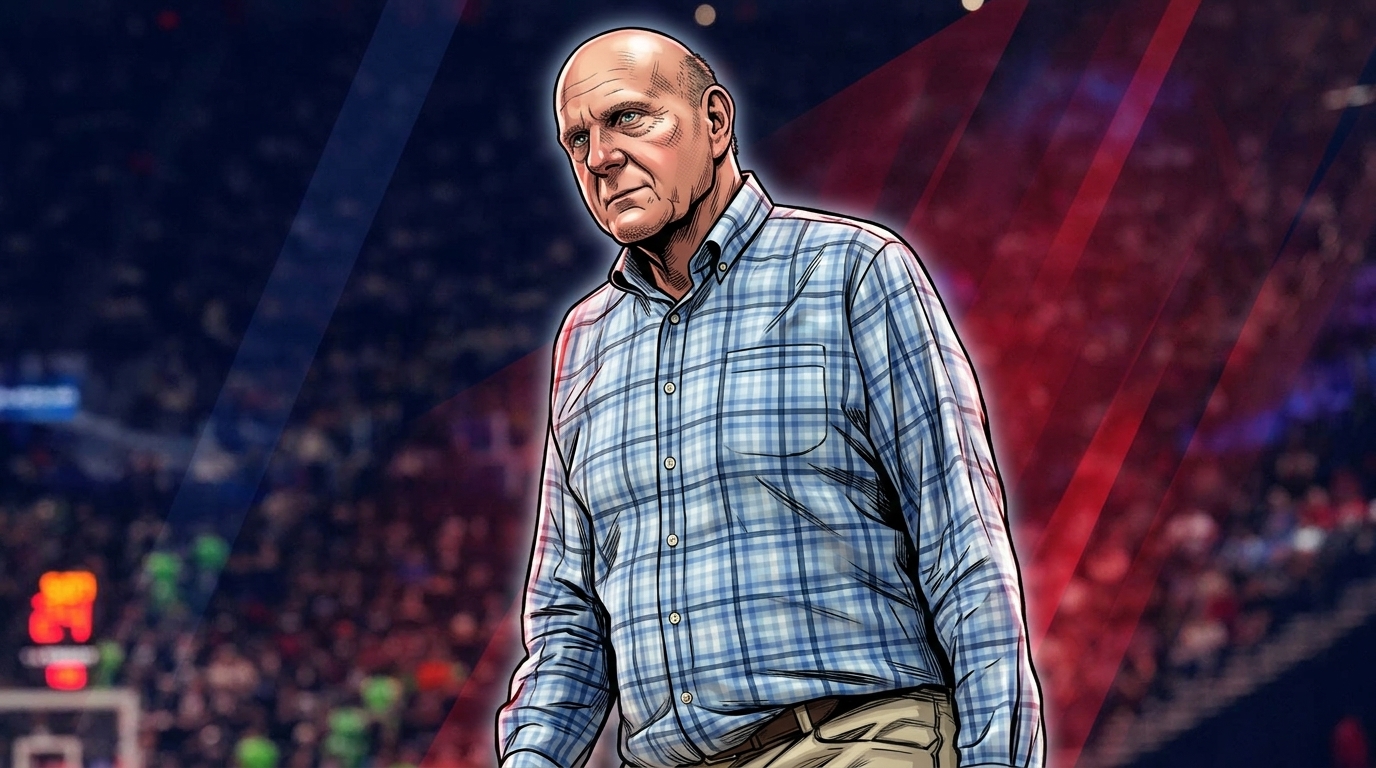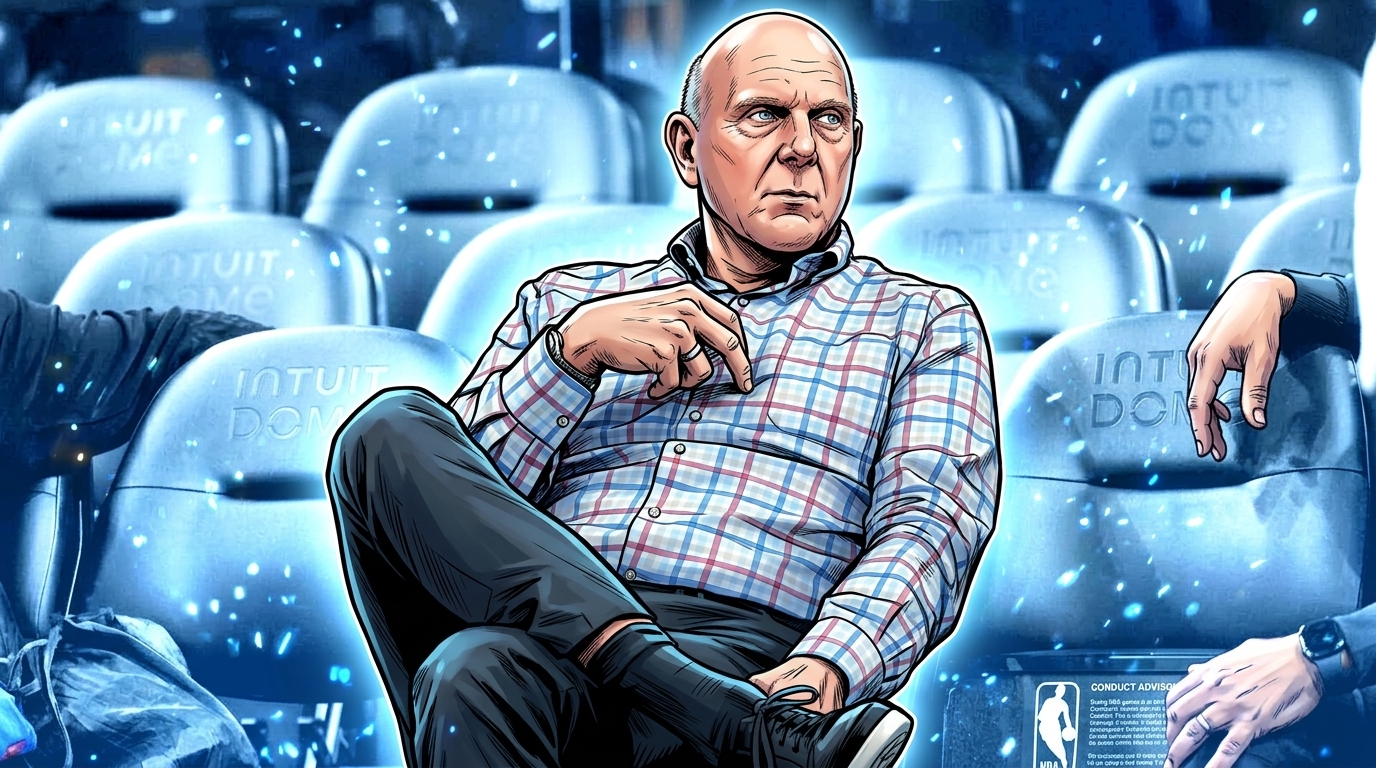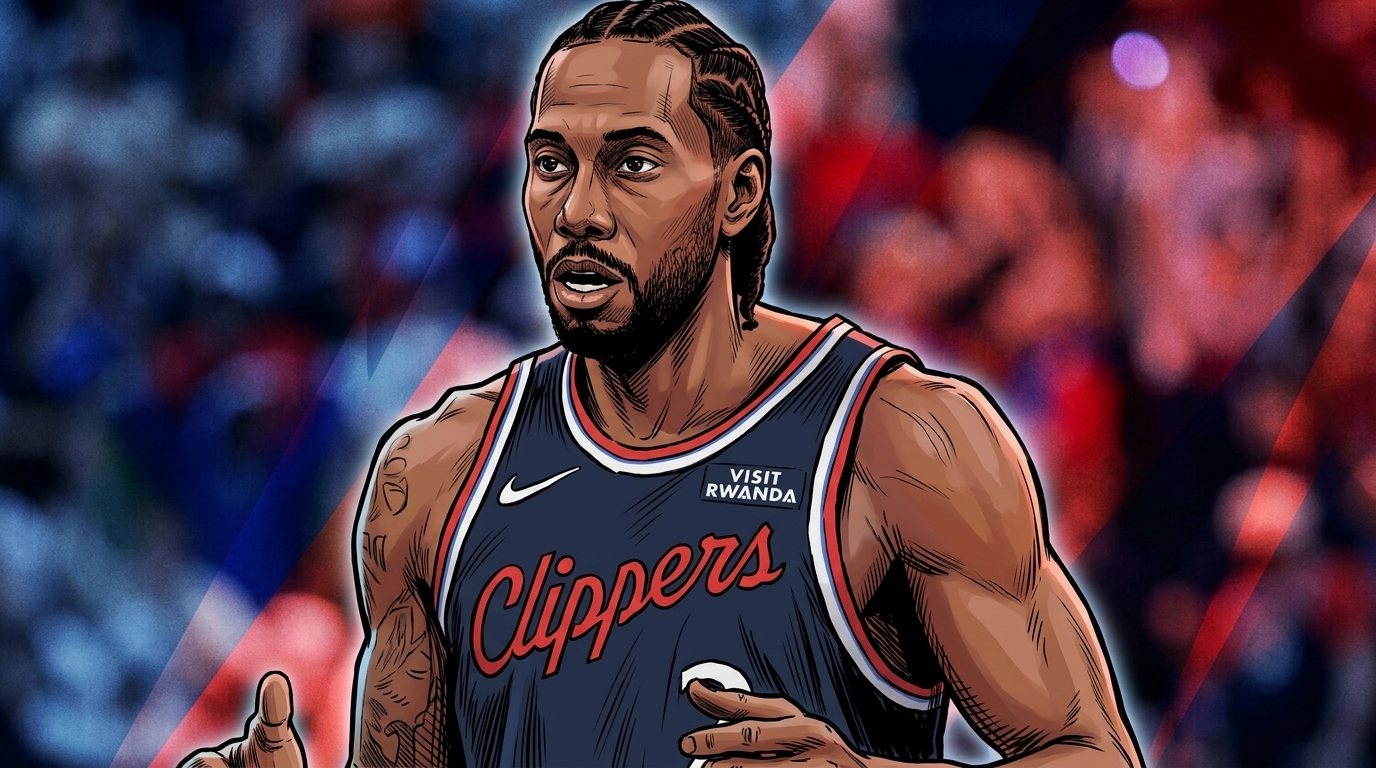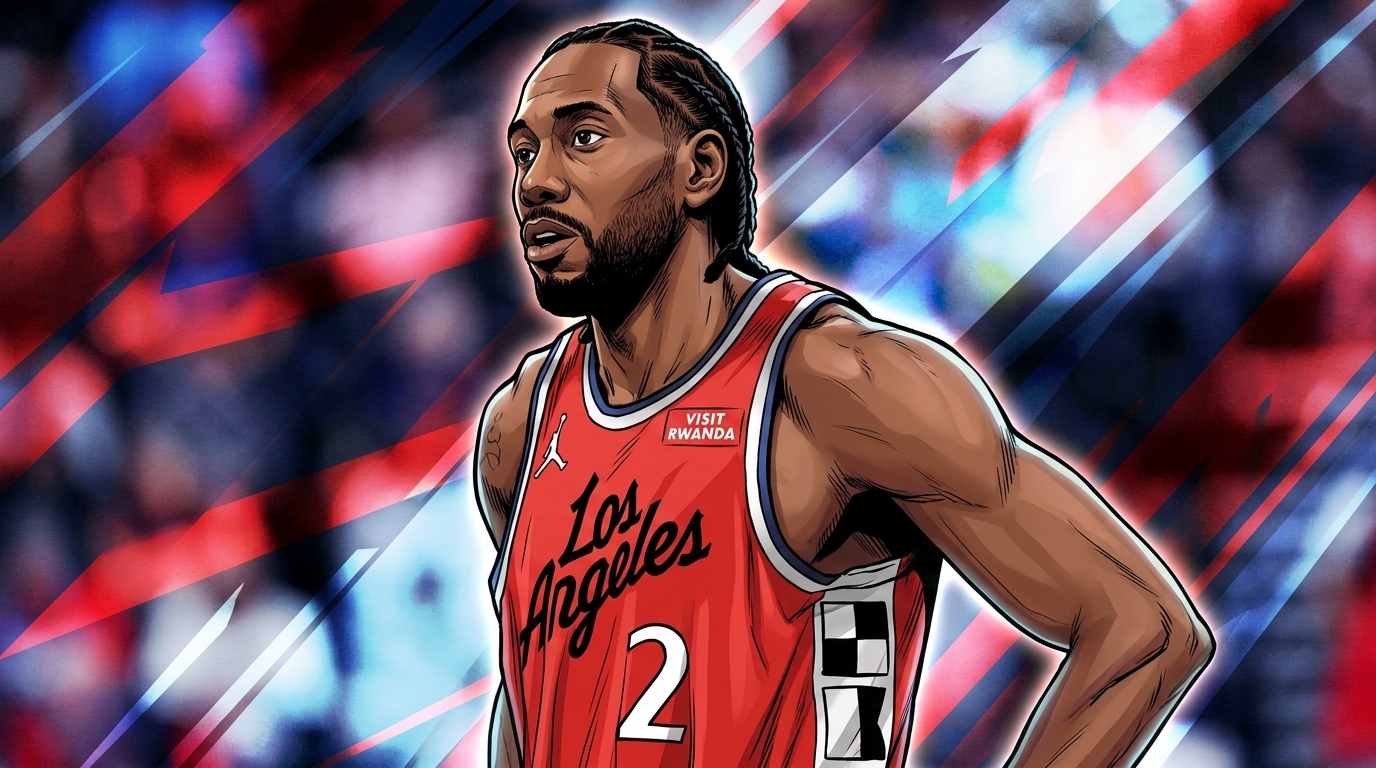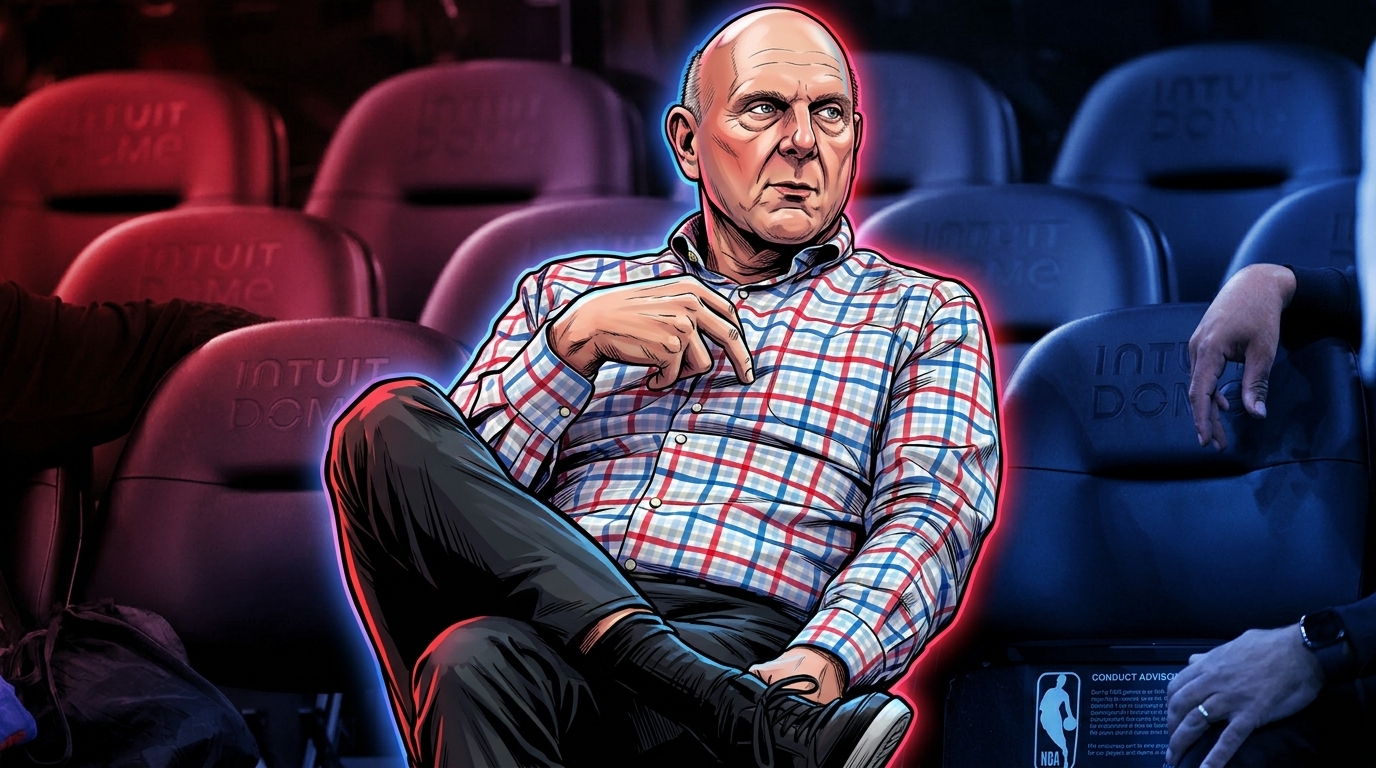

A Los Angeles attorney named John Gibson is now the governor of the Los Angeles Clippers, and Steve Ballmer, the man who actually owns the team, is not allowed inside the building to object. This isn’t a hypothetical about what happens when a billionaire gets caught rigging the salary cap around a superstar; it’s just what happened. The NBA suspended Ballmer for one year following an investigation that found the Clippers funneled off-court income to Kawhi Leonard through four companies doing business with the team, arranged endorsement deals on his behalf, and covered his personal expenses — the Aspiration scheme that got him here, if the name rings a bell.
The league did not treat this as a rounding error. The Clippers absorbed the $30 million fine and the five forfeited first-round picks, the largest fine in NBA history, spread across the 2029 through 2033 drafts, while Leonard himself was fined $700,000 and several other Clippers executives drew their own suspensions. The league tacked on five years of compliance monitoring, the corporate equivalent of a parole officer checking in on a schedule.
Ballmer’s suspension locks him out of his own team in terms that read like a restraining order. No games, no practices, no All-Star Game, no Emirates Cup, no Finals, no draft, no combine, for the Clippers or any of the other twenty-nine franchises; no influence over a single personnel or business decision. He was required to hire an interim president of basketball operations and, separately, get an interim governor approved to run the entire operation in his place, which is how a trial lawyer ended up inheriting an NBA franchise.
The Clippers’ official response was a statement that reads like a threat aimed at nobody in particular: “We vehemently reject the NBA’s findings, which are the result of a heavily biased investigation seeking to justify a predetermined narrative rather than facts and evidence.” That’s the denial an organization issues when it expects the whole thing to blow over. It would land better if the organization issuing it weren’t currently run by a lawyer the league had to sign off on because nobody trusted the owner to be left alone with it.
Ballmer’s personal statement landed softer: “sincere regrets,” an apology to fans, employees, and fellow owners, confirmation that the fine is paid and the rest of the penalties are being honored, alongside a note of “disagreements concerning the findings.” That’s roughly what a settlement sounds like out loud: pay up, comply, and mention on the way out that the math still feels wrong.
Think of Gibson’s appointment as the league sending in a substitute teacher, except the regular teacher got suspended for something closer to fraud than a sick day, and the district isn’t leaving him a lesson plan. Gibson didn’t get the job because he understands a max extension or the luxury-tax apron; he got it because he spent years representing the Clippers in litigation, including the fight over Donald Sterling’s forced sale to Ballmer in the first place, and the league needed someone whose judgment it could vouch for on short notice. He’s there so the room has an adult in it.
That’s the part getting lost under the fine and the draft-pick math: the NBA didn’t just punish Ballmer financially, it stripped him of the presumption that comes standard with owning a professional sports franchise, the presumption that you get to run it. A $30 million check is an expense line for a man worth tens of billions; losing the right to sit in your own arena for a year, with a stranger approved to make the calls instead, is a different kind of penalty.
The NBA has done this before, to the Suns. Phoenix owner Robert Sarver drew his own one-year suspension in September 2022 after an investigation found, among other things, that he’d repeatedly used a racial slur; the league fined him $10 million and had Sam Garvin, the team’s vice chairman and alternate governor since 2007, installed as interim governor for the duration. Garvin was already inside the building; he’d been Sarver’s guy for fifteen years. Gibson has never run business operations for the Clippers or anyone else; he’s outside counsel who happened to know where the bodies were buried in the Sterling sale. The NBA has now run two disgraced owners through the same process, and the second time it didn’t even bother finding someone from inside the family.
The league’s penalties aren’t the end of Ballmer’s exposure, either. A separate DOJ investigation into the same arrangement is still open, which means federal investigators might not be finished with the Clippers’ books long after the NBA’s compliance monitors have moved on.
The Clippers made it official today: Gibson will serve as interim Governor and CEO, with the league’s approval, closing out a question that had been sitting open for weeks. A lawyer is now the Clippers’ governor, running a franchise he spent years defending in court, because the league decided that was a safer bet than Ballmer’s word.
Shams Charania had it first, the way Shams Charania has everything first:
https://twitter.com/ShamsCharania/status/2102071612338036970
Gibson now signs off on trades, answers to a five-year compliance program, and runs a roster built around the fallout from a $700,000 fine, all without the man who wanted him there allowed anywhere in the room to help.
The Clippers have their governor. They just don’t have their owner, and won’t for another eleven months — a real penalty for cap circumvention, or a very expensive year off, depending on how much you think Steve Ballmer actually wanted to be at shootaround.