
Is the NBA’s Clippers investigation actually settled? The league wants us to believe so — a $30 million fine, five forfeited first-round picks, a suspended owner, a case file stamped closed. We’ve watched leagues declare stories over before and watched the declaration not hold. This one already isn’t holding, because the two parties who are supposed to agree on what happened don’t.
Three separate accounts of the same stretch of Clippers history are circulating right now, and they don’t line up. The NBA’s own findings, announced September 2, are one version. Steve Ballmer’s camp, in a statement rejecting those findings outright, has offered a second, and claims the league told them something different in private than what it announced in public. Pablo Torre’s ongoing reporting on Ballmer’s personal investment in a company called Aspiration is a third thread, one that predates the league’s investigation and hasn’t stopped moving since the fine landed. A $30 million penalty and some draft picks only close a book that everyone agrees on the ending of. Right now, the owner’s own representatives are on record saying they don’t.
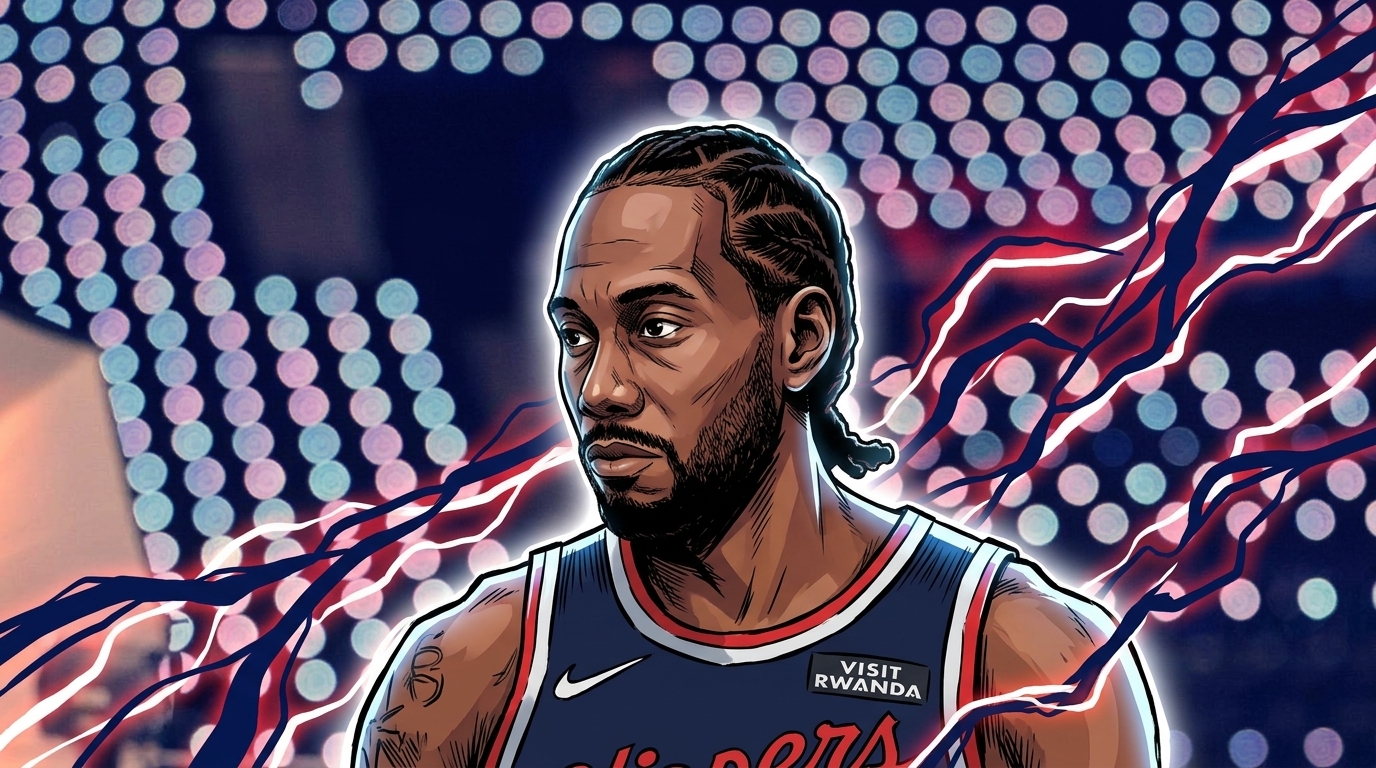
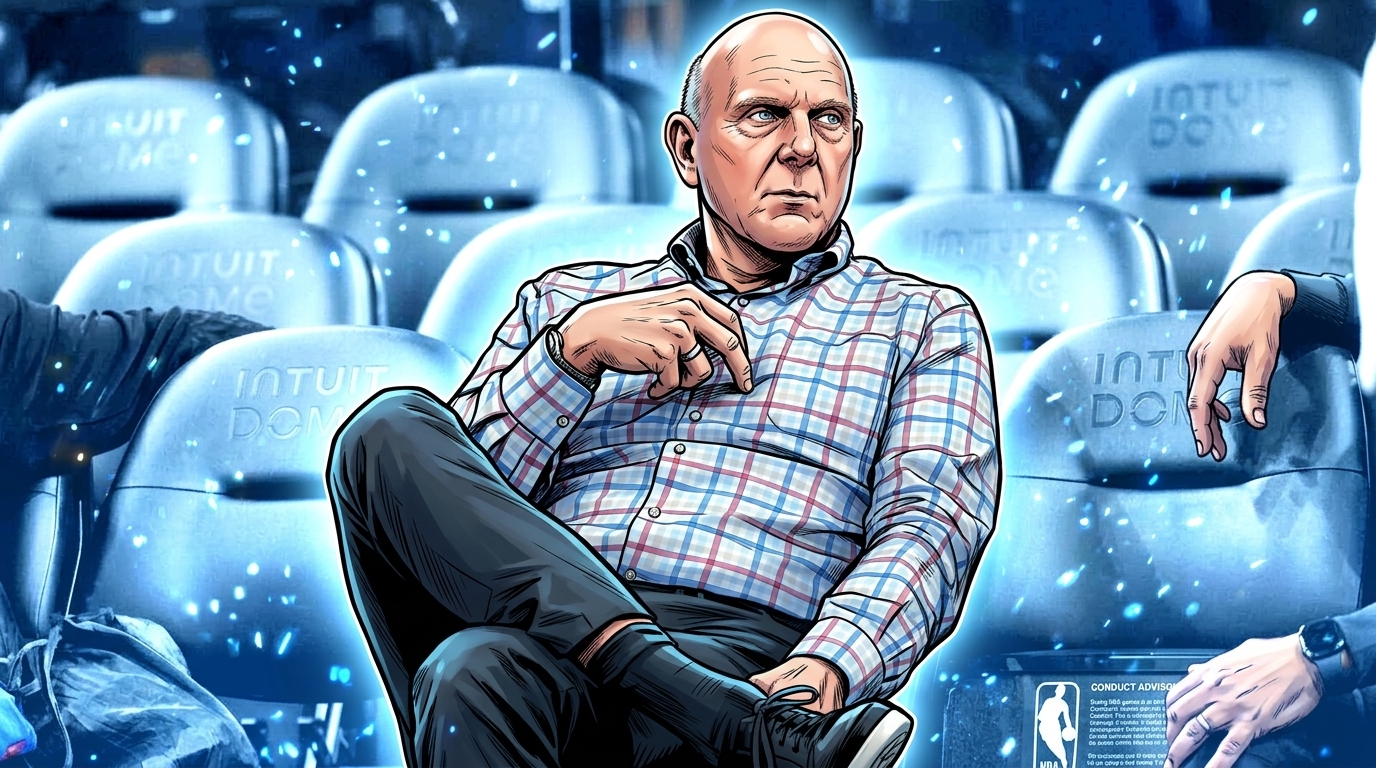
Start with what the league actually announced. On September 2, the NBA hit the Clippers with the harshest salary-cap circumvention penalty in its history: a $30 million fine, forfeiture of five first-round picks running from 2029 through 2033 (including one the team had acquired from Indiana), a full year’s suspension without pay for Ballmer, a matching one-year suspension for basketball ops president Gillian Zucker, and six months for team president Lawrence Frank. Kawhi Leonard himself was fined $700,000 but not suspended, a distinction that matters for the punishment itself, which fell almost entirely on the men who run the Clippers rather than the player who benefited from the arrangement.
(Ballmer and Frank both said, when the investigation opened, that they welcomed it — confident it would show the team had abided by the rules. It did not.)
The Kawhi Leonard Aspiration investigation started as a podcast story, not a courtroom one. Pablo Torre reported in September 2025, drawing on internal documents he says include emails, contracts, and bank statements, that Ballmer personally invested $50 million in Aspiration, a now-defunct “green bank,” through a personal LLC in September 2021. That was the same month the Clippers separately signed a $300 million sponsorship making Aspiration the first founding partner of the Intuit Dome. Seven months later, Aspiration signed Leonard to a four-year, $28 million endorsement deal that a former Aspiration employee described to Torre as a no-show job. Ballmer added another $10 million personal investment in March 2023. Layer in a run of Clippers-organization payments to Aspiration for carbon credits — $3 million, then $32 million, then $21 million across 2022 — plus $2 million from co-owner Dennis Wong, and the combined total moving from Ballmer, the team, and its ownership group into Aspiration over those eighteen months reaches $118 million, according to Torre’s document trove.
A podcast beat the league’s own investigators to that paperwork by nearly a year. Sit with that for a second before moving on.
That’s where this stops being tidy. The Clippers’ reaction to the NBA’s punishment wasn’t contrition. It was open rejection. In a statement covered by Awful Announcing, the team called the findings the product of “a heavily biased investigation seeking to justify a predetermined narrative rather than facts and evidence.” Ballmer’s attorney, David Kelley, sent a letter to commissioner Adam Silver, later posted publicly, calling the process “flawed from the outset” and a “witch hunt” that denied the team basic fairness: notice, a chance to respond. The team says it’s exploring “every legal remedy.” That is not the posture of an organization that accepts the case is closed. It’s the posture of one that believes it’s still being litigated.
Steve Ballmer’s camp is disputing the NBA’s investigation findings on a stranger point too: the Clippers say the league’s private communications to them didn’t match what the NBA announced publicly, a claim about two different stories living inside the same institution, one for the room, one for the press release.
Torre’s sharpest recent point is about how one of those stories got out first. In August, ESPN reported, citing sources, that the NBA found “no evidence” Ballmer funneled money to Leonard through sponsors. Torre and outside analysts called that framing technically accurate and directionally wrong: the ESPN report claiming Ballmer had been cleared landed weeks before the league’s actual findings, which detailed exactly how Ballmer’s personal investment and partnership structure enabled the arrangement, and which produced the harshest cap-circumvention penalty the NBA has ever issued. Those two outcomes don’t come from the same set of facts. You don’t get “no evidence” and a historic punishment out of one investigation. I read more media-criticism newsletters than is healthy for a person who isn’t a media critic, and this is a clean case study in how an early, sourced story can outlive its own accuracy just by landing first. Torre’s argument, and I think he’s right, is that the Clippers’ camp shaped that early story before the league’s real conclusions ever reached the public.
He’s kept pulling on it since. Here’s his latest:
https://twitter.com/PabloTorre/status/2097671637801873517
None of that is proof of anything beyond what’s already public. It’s a reporter refusing to let a closed file stay closed, still asking why the money kept moving between Ballmer and Aspiration for eighteen months after the sponsorship deal that started it. We’ve now had three “final” versions of this story in twelve months — the ESPN version, the NBA’s version, and the Clippers’ rejection of the NBA’s version. None of them have matched each other.
I think the league’s findings are closer to correct than the Clippers’ rejection of them; the penalty is too severe, and too specific, to be the output of a predetermined narrative. But I don’t think the story ends where the NBA wants it to. Torre’s Aspiration reporting predates the investigation, survived it, and is still generating new documents and new figures months after the league considered the matter resolved. An investigation that surfaces a $118 million money trail and stops at a $30 million fine has left something on the table. My guess is it isn’t the last number we hear.
There’s a practical stake in this too. The Leonard-to-Raptors trade, Brandon Ingram, Gradey Dick, two firsts, two seconds, and swaps heading to the Clippers, was agreed to on June 30 and shelved in July pending the investigation. With Leonard unsuspended and the league’s process technically finished, that trade path is open again. “Technically finished” is doing a lot of work in that sentence when the man the findings are about hasn’t accepted a word of them.
Watch two things from here: whether the Clippers actually file the legal challenge they’ve threatened, and whether Torre’s Aspiration reporting produces documents the league’s investigators didn’t already have. If it does, the NBA doesn’t get to reopen the case just because the timing is embarrassing. It reopens because Torre already did the work to force the question.