
There’s a number worth sitting with before either Chicago team takes the field again: zero. That’s how many teams in modern MLB history had gone from three consecutive 100-loss seasons directly into a playoff spot, until Thursday, when the Chicago White Sox did exactly that with a 9-1 win over the Kansas City Royals. Roughly two minutes later, close enough that no source pins an exact split beyond “minutes apart,” the Chicago Cubs clinched their own wild-card spot with a 2-1 win over the Miami Marlins at Wrigley Field, Seiya Suzuki tying it with a home run before Nico Hoerner drove in the go-ahead run.
The easy version of this story is the coincidence: two Chicago teams, one afternoon, both punching their playoff tickets close enough together that it’s the first time in either franchise’s history it happened on the same day. The version worth actually writing is what that coincidence is covering up. The Cubs clinching is a well-built roster doing what well-built rosters are supposed to do in late September. The White Sox clinching is the finish line of a rebuild that had no business arriving on schedule, in a sport that eats rebuild timelines for breakfast.
Two completely different clocks landed on the same minute. That’s the actual story.
Two Minutes, Two Completely Different Timelines
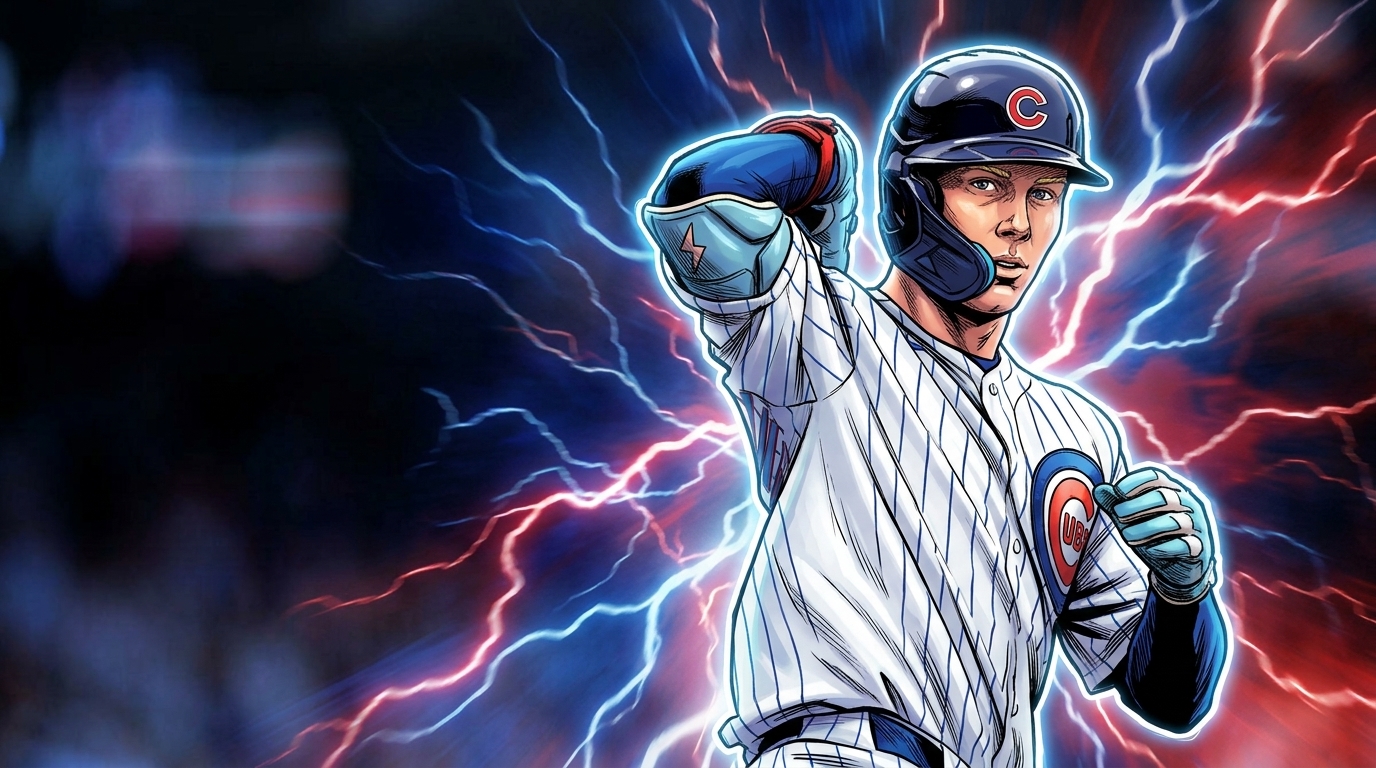
Start with what actually happened, because it happened fast. The White Sox closed out Kansas City first. The Cubs finished off Miami minutes later, and the order matters less than the shape of each win. Suzuki’s homer tied the Cubs’ game before Hoerner’s go-ahead RBI put it away, a tidy, professional close from a team that had been positioned to make the postseason for most of the summer.
The White Sox game had a different texture entirely. It was a blowout, not a nail-biter, and it came from a lineup that spent three straight years forgetting what winning baseball looked like before remembering all at once.
How Rare Is a White Sox Team Three Years Removed From 121 Losses?
Translate the record first, because “121 losses” doesn’t mean much until it’s set next to the rest of the sport. The White Sox went 61-101 in 2023, then 41-121 in 2024, an MLB modern-era record for losses in a single season, then 60-102 in 2025. That’s three straight years of finishing with triple-digit losses, the kind of stretch that usually ends in a sold franchise or a decade-long teardown, not a playoff berth the very next year. No team in MLB history had gone from three consecutive 100-loss seasons straight into October before this White Sox team did it. The engine behind it is mostly two bats: Munetaka Murakami and Miguel Vargas both hit 33 home runs this season, and the return pieces from the Garrett Crochet trade are already paying dividends. Kyle Teel homered and scored three runs in the clinching game itself, a fitting return on an ace the Sox traded away specifically because they weren’t ready to compete yet. That’s the White Sox’s playoff-contender case in one sentence: the teardown produced the players who ended it.
Have the Cubs and White Sox Ever Made the Playoffs the Same Year?
Yes. The Cubs and White Sox have made the playoffs together only four times: 1906, 2008, 2020, and 2026. The first three were separate clinches on different days. Thursday marked the first time both teams clinched on the same day, minutes apart.
The most recent overlap, 2020, is worth a second look because of how differently it ended. That was the pandemic-shortened season, and both Chicago teams went out fast in the best-of-three wild-card round: the Cubs swept by Miami, the White Sox falling to Oakland two games to one. Neither run lasted a week. Whatever happens this October, Chicago has already cleared the bar that tripped it up last time. Both teams are in, and both have more than a three-game window to make something of it.
The Cubs Still Have a Seed to Figure Out
The Cubs’ clinch settled whether they’re playing in the 2026 MLB Playoffs. It didn’t settle where. Entering the weekend, Chicago was tied with Philadelphia for the second wild card and a game behind San Diego for the top spot, which puts their possible seeds anywhere from hosting at Wrigley to a road trip to Atlanta. They close the regular season with a doubleheader in Boston, so the seeding question resolves in the next few days, not on Thursday’s box score.
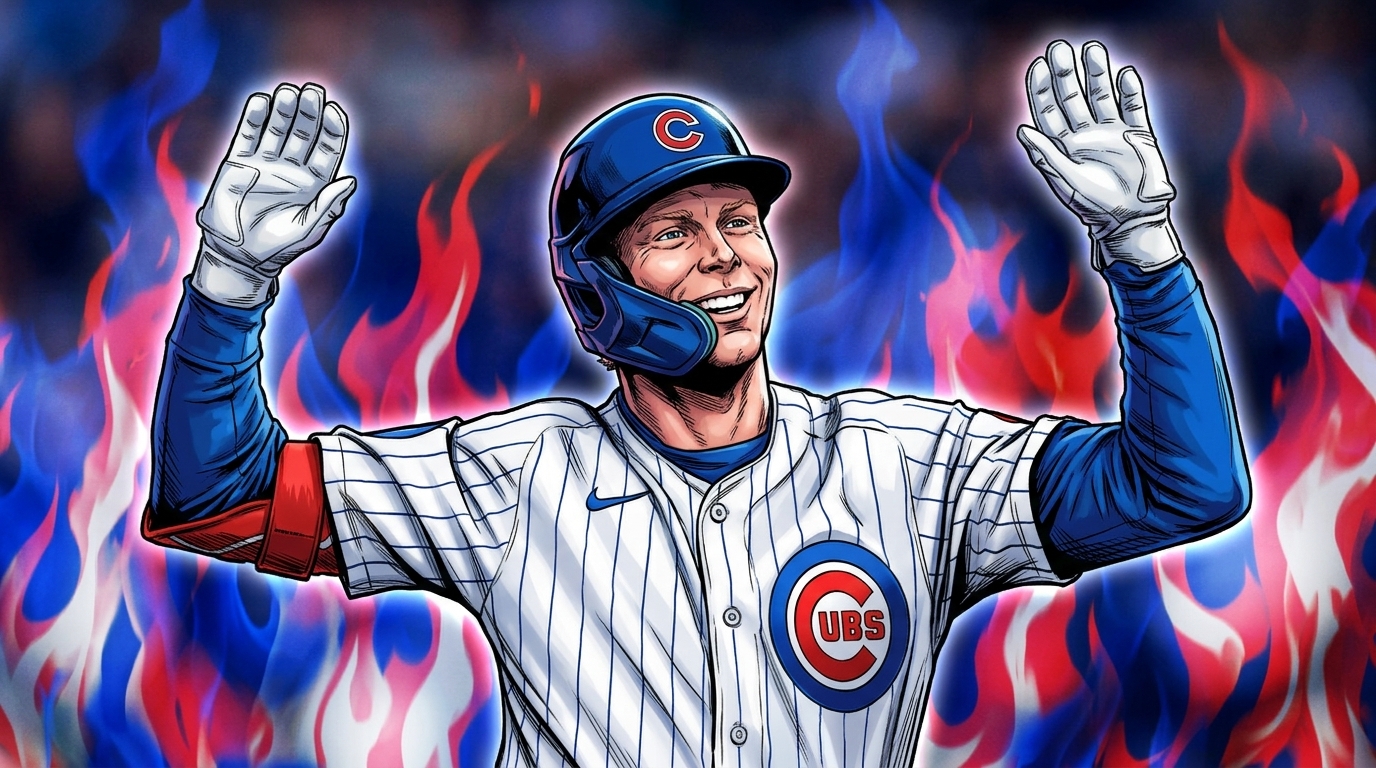
That uncertainty got a little lost in a season that produced its own headline on the same afternoon. Pete Crow-Armstrong stole his 40th base Thursday to join the 40-40 club, 40 home runs and 40 stolen bases in the same season, which makes him the seventh player in MLB history to do it and the third in the last four years, after Ronald Acuña Jr. in 2023 and Shohei Ohtani in 2024. He came into the day hitting .280 with an NL-leading 169 runs, 45 home runs, and a .949 OPS, both tops in the league, numbers that put him at the front of the NL MVP conversation. It’s the same player who turned in his leadoff-and-walk-off day back in August, which in hindsight looks less like a peak and more like a checkpoint.
https://twitter.com/MLB/status/2103235623943631162
None of that changes what actually decided Thursday, though. The Cubs were supposed to be here. The forecast for this roster pointed at October for most of the year, and Crow-Armstrong’s MVP case is the kind of story that gets written about contenders as a matter of course. The White Sox weren’t supposed to be anywhere near this conversation three years ago. That’s the half of Thursday that will still be worth talking about in April.