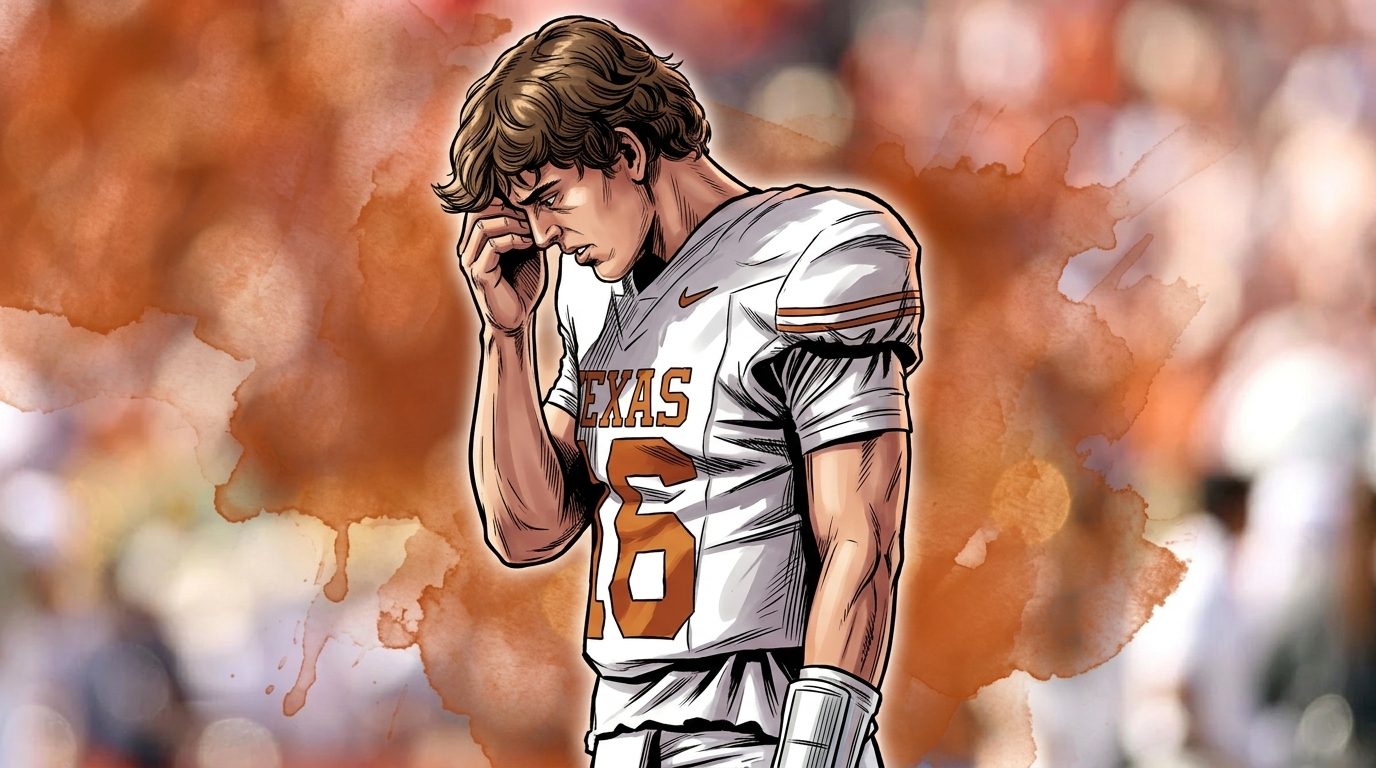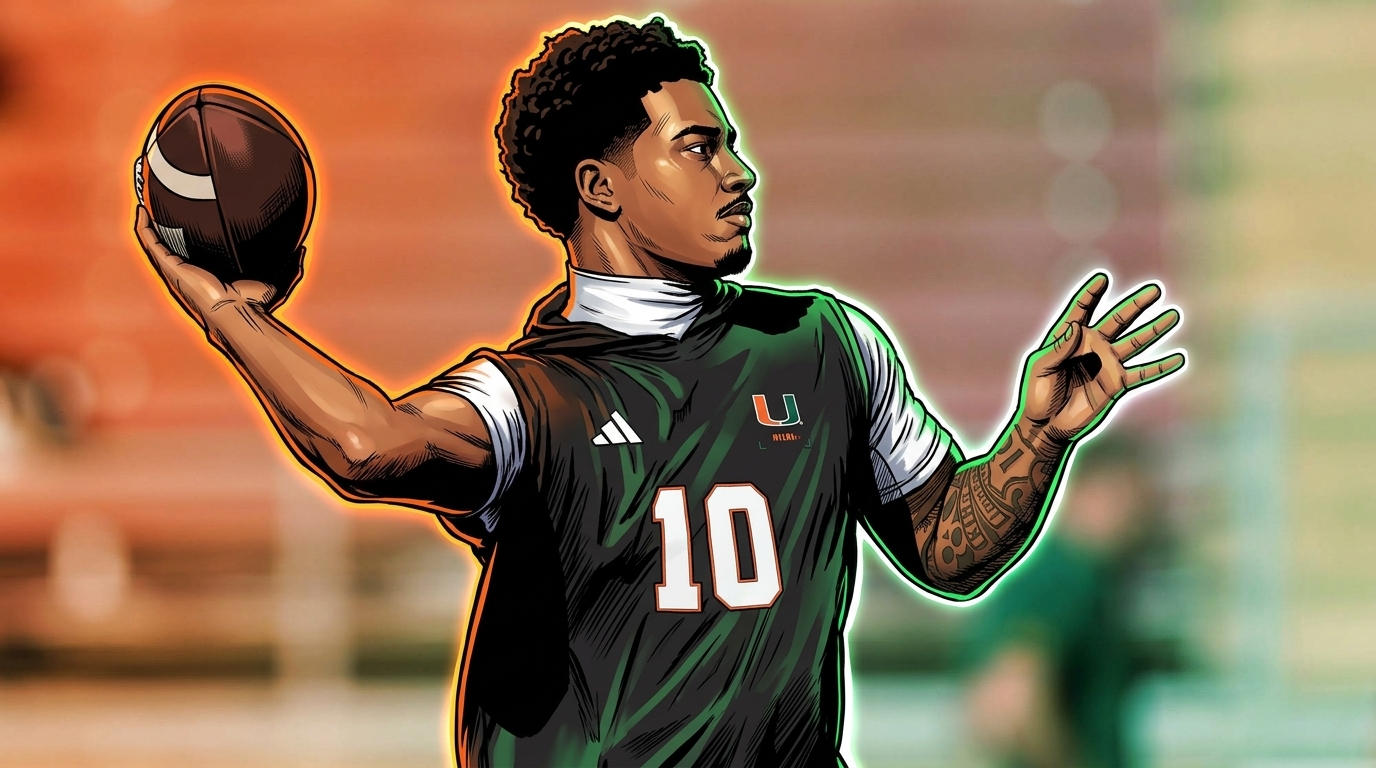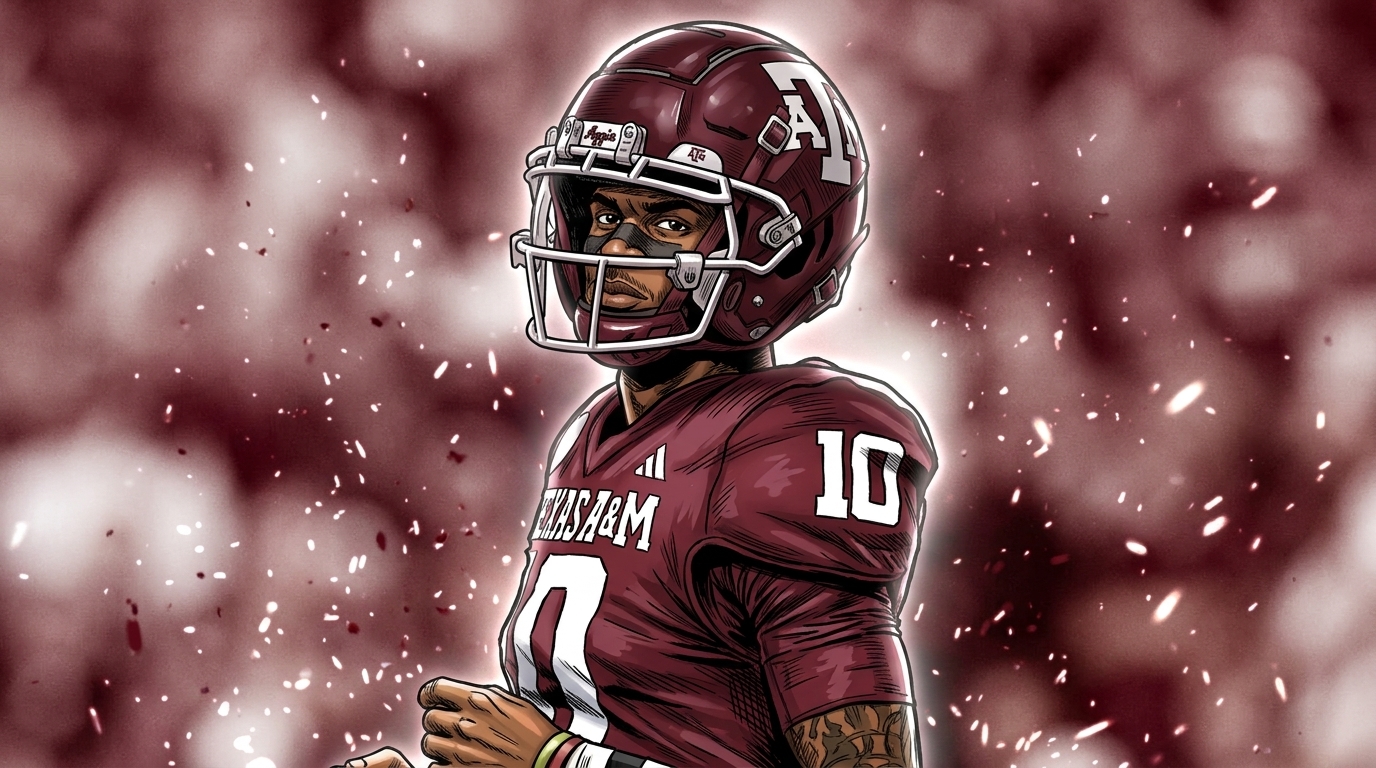

Marcel Reed got doxxed for losing a football game, and I’m not interested in the polite word people keep reaching for instead. I don’t care how bad Texas A&M looked against Kentucky. I don’t care that the Aggies walked in undefeated and ranked No. 9. Nobody earns the right to blow up a 22-year-old’s personal phone from 18 different states because he lost, and I’m done pretending “accountability” is what that actually is.
It’s harassment. It’s bullshit wearing a jersey.
Here is the sequence, because there’s nothing complicated buried in it. Texas A&M lost to Kentucky, 31-21, at home. The Aggies fell from No. 9 to No. 23. That’s a rough Saturday, the kind that happens to ranked teams four or five times a season and gets forgotten by the next kickoff. It is not a referendum on Reed’s character, and it sure as hell isn’t an invitation for strangers to go find his cell number.
But that’s exactly what happened. Reed told On3’s Carter Karels what the hours after the loss actually felt like: “I kind of had a feeling it happened, because I got calls like back to back to back to back. I’m pretty sure I got called from like 18 different states.” Eighteen states’ worth of people decided a college quarterback’s personal line was a comment section they could dial straight into. Reed’s version of fighting back was turning the phone off and watching somebody else’s college football for the rest of the night.
Then he changed his number, which should be the headline and somehow keeps getting buried under the final score. Strangers had his phone number within hours of the loss. Not a fan-forum handle, not a burner account: his actual number, the one his family and his teammates use. Newsweek’s writeup calls it a doxxing incident, and that word is doing real work, because doxxing isn’t fandom running a little hot. It requires somebody to hunt down private information and hand it out on purpose.
That hunt has an ecosystem behind it, even when nobody wants to name it out loud: recruiting sites, fan forums, NIL-adjacent content accounts, all stitched into an industry that treats teenagers and 21-year-olds like public utilities who owe a performance and a working phone line on demand. The NIL system already broke one teenager this year, and Reed just found the version of that story where the money shows up before any of the protection does. A pro quarterback has a front office standing between him and that world: security, a press office, a number nobody outside the building has ever touched. Reed has a roster page and whatever gets sold or scraped off it. College football is already two different leagues, one where programs and boosters move real money and one where the players eat all the exposure with none of the protection. That gap is not an accident. It is the business model.
Here’s Reed saying it in his own words, not mine:
https://twitter.com/On3/status/2103590120561811461
Most people watching from outside didn’t do any of this, and I want to be fair about that part. Yahoo Sports gathered up the reaction and it ran hot in Reed’s favor: “this is pathetic,” “leave the kid alone,” people saying flat out that these kids carry more pressure than anyone watching from a couch. That’s true, and it matters, because the story here was never that an entire fanbase is uniquely rotten.
The story is that “most people didn’t do it” has never once slowed down the people who did. Reed gets a new number and gets back to work. The apparatus that produced eighteen states of harassment in one night stays exactly where it is, fully funded, waiting for whichever kid loses next.