
Two weeks into the 2026 season, the best explanation for the NFL’s early standings has nothing to do with quarterback talent. We’ve watched Brock Purdy go two full games without taking a sack, the Cincinnati Bengals rebuild their offense around protecting Joe Burrow’s body, and Aaron Rodgers get sacked six times behind a Pittsburgh line that can’t buy him a moment to throw deep. None of that showed up in a single preseason ranking. All of it is the actual story of the league right now: offensive line play, not the quarterback taking the snap, is deciding these games.
San Francisco Hasn’t Allowed a Sack Since Before Purdy Was Alive
That’s not literally true (the record dates to 1982, when the NFL started counting sacks as an official stat, back when Bill Walsh was still running the building), but it gets at the scale of what’s happening in Santa Clara. San Francisco has played two games this season and given up zero sacks, the first time in 44 years of official record-keeping that this franchise has opened a season sack-free across its first two games.
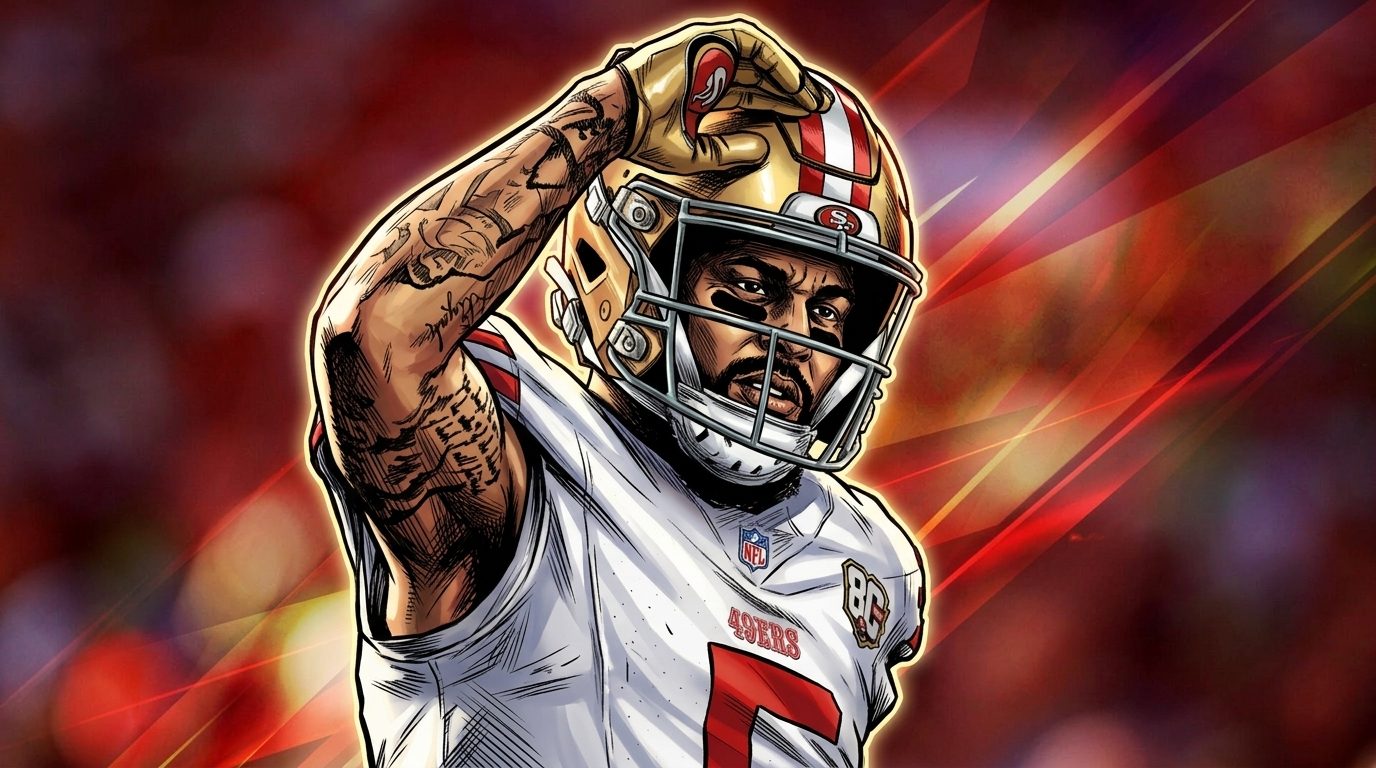
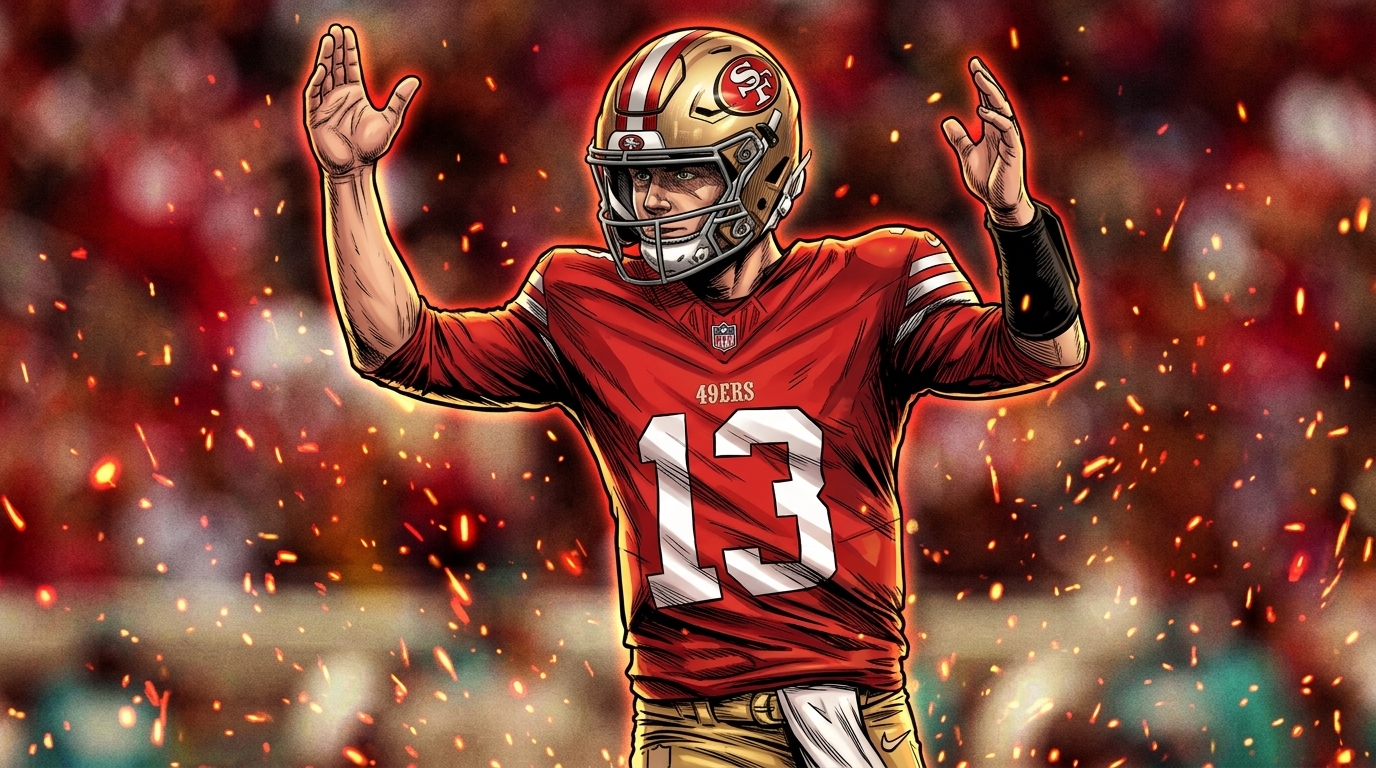
Purdy has taken full advantage of it — completing 80.4% of his throws for 492 yards, five total touchdowns and one interception through two weeks. His second game, a win over Miami, might be the best statistical afternoon any starting quarterback has produced all year: 20-of-22 passing for 287 yards and two touchdowns, plus a rushing score. No quarterback in NFL history had completed 90%-plus of his passes for 285-plus yards with multiple touchdowns and a rushing score in the same game before Purdy did it against the Dolphins.
San Francisco’s own local NBC affiliate summed up the gap between Purdy and the rest of the league in five words this week (the type of dig only an in-house account can get away with before someone in HR notices):
https://twitter.com/NBCS49ers/status/2101799426704716236
It reads like a shot at every team stuck cycling through backups and benchings this month, because it is one. None of what Purdy is doing happens without the protection in front of him.
Why Is Cincinnati Suddenly Playing Not to Lose?
Cincinnati is 2-0, and the plan behind it barely resembles a Bengals offense at all. Burrow is lining up under center more than he has in years, and the passing game has taken a back seat to a defense that held Houston to six points in Week 2. It’s the same formula that got the Bengals to a Super Bowl in 2021: protect the quarterback, lean on the other side of the ball, and let Burrow pick his spots instead of asking him to win every week by himself.
There’s a specific reason for the caution. Burrow told reporters after the Houston win he was sore but not concerned, “good to go” for whatever comes next. That quote means more next to the tape than it does on its own: right tackle Amarius Mims allowed zero pressures on 34 pass-block snaps against a Houston front that includes Danielle Hunter and Will Anderson Jr., a 93% PFF pass-block win rate through two weeks that would top most positional rankings in football.
Here’s the part that gets left out when people call this a remade Bengals offensive line. The other four linemen in that same Houston game graded below 60.0 by PFF. Cincinnati has built a plan that’s working through one exceptional player, not a unit, and that’s a meaningfully more honest story than “the Bengals fixed their offensive line.”
Pittsburgh Is Proving the Inverse
Not every offensive line is having a year like San Francisco’s. Pittsburgh’s is having the opposite one. Rodgers has been sacked six times in two games, two in a Week 1 win over Atlanta and four in a Week 2 loss to New England, and he still hasn’t completed a single pass that traveled 20 or more air yards. Nobody else in the league has thrown that often into that range and come away empty every single time.
I grew up watching Rodgers throw for Green Bay for over a decade, so this version, sacked and stuck checking down, is strange to watch. None of it fits the version of the Steelers most people signed up for when Rodgers arrived in Pittsburgh for the final season he’d announced before taking a single snap in the building.
The Steelers are 1-1, kept afloat by a defense playing better than the offense in front of it. T.J. Watt currently leads the NFL in sacks, which means Pittsburgh is watching its own defensive line dominate while its offensive line can’t buy Rodgers a full three-count. It’s the San Francisco story told in reverse: take away a quarterback’s protection and his margin for error, and even a future Hall of Famer can’t manufacture explosive plays out of nothing.
So Why Are the Raiders and Vikings 2-0?
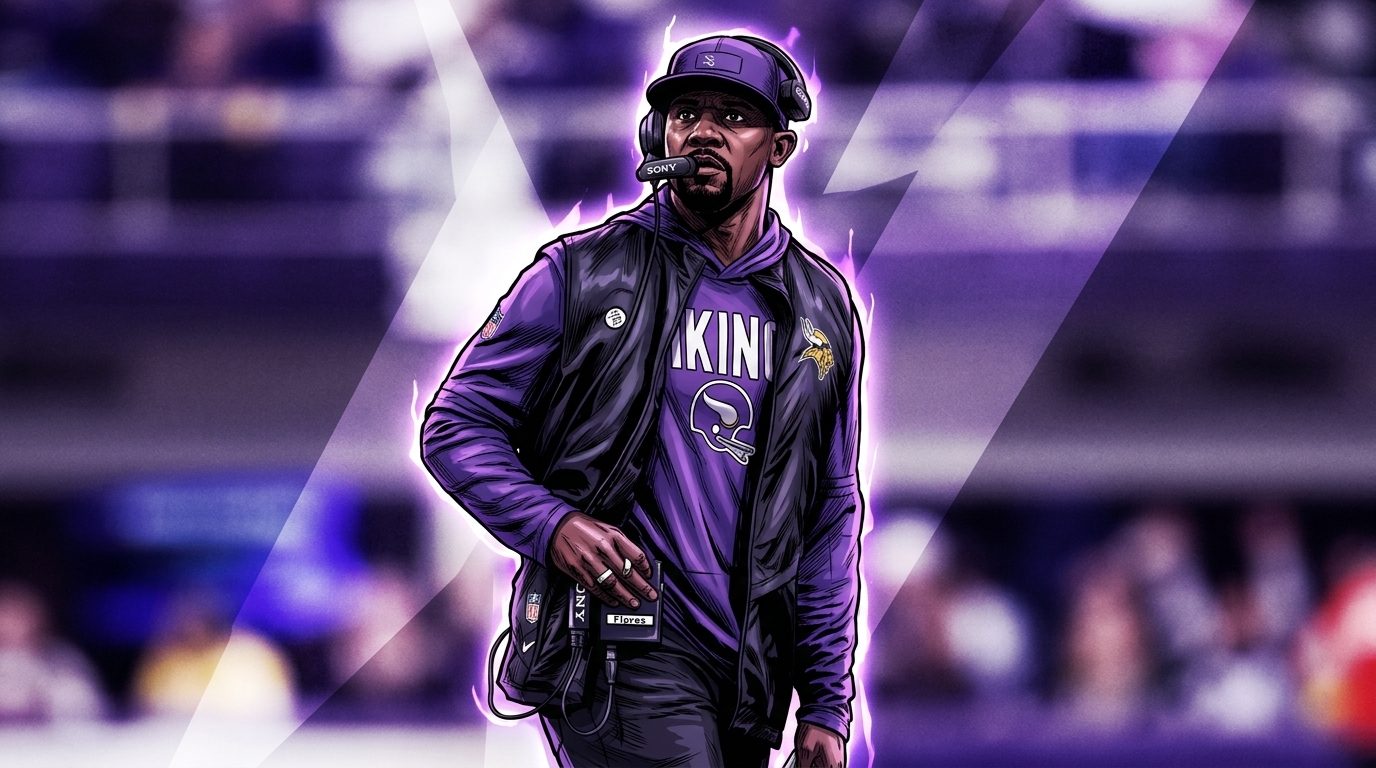
The Raiders and Vikings are 2-0 because of defense, not offense. Las Vegas is tied for the NFL lead in sacks, and Brian Flores’ blitz-heavy scheme in Minnesota has carried both wins. But both offensive lines have also quietly rebuilt their pass protection this year, which is the same trench-level shift deciding games everywhere else in the league.
Not every 2-0 team fits the pattern above, though. Eight teams are sitting at 2-0 entering Week 3: the Bills, 49ers, Seahawks, Chiefs, Bengals, Eagles, Vikings and Raiders. The Seahawks belong on that list for an obvious reason (they’re the defending Super Bowl champions, and Drew Lock has played well enough filling in for an injured Sam Darnold that nobody in Seattle is panicking). The Raiders and Vikings are the two nobody projected here in August.
Las Vegas is 2-0 with Kirk Cousins now running the offense after the Raiders traded Geno Smith to the Jets, but Cousins isn’t why the Raiders are undefeated. Their defense is tied for the NFL lead in sacks. Minnesota is 2-0 with Carson Wentz at quarterback after benching J.J. McCarthy, and that isn’t why the Vikings are undefeated either. Flores’ scheme is the actual headline in Minneapolis, generating pressure that makes opposing quarterbacks look like they’ve never played the position.
It would be a cleaner story to say both teams are winning because their offensive lines suddenly fixed pass protection. It’s also not accurate. Defense is what’s carrying both records right now. But look one layer past the win column and there’s a second story sitting right next to the first: both lines have gotten dramatically better at protecting their own passer too, independent of whether that protection is the reason they’re winning yet.
The Raiders allowed an NFL-high 64 sacks across all of 2025. They allowed zero in their Week 1 opener this year, on a roster the league didn’t bother scheduling for a single primetime game. Going from 64 sacks allowed in a season to zero in the next opener is a full rebuild of the offensive line, whatever role it played in the 2-0 start.
Minnesota’s line deserves the same credit, allowing just two sacks and eight pressures through two games while working through the Vikings’ quarterback shuffle behind it. Wentz has had far more room to operate than you’d expect from an offense that just changed quarterbacks.
Put these four situations next to each other and you get a clearer picture of the 2026 NFL season than any preseason power ranking managed. I think offensive line play is this season’s real swing variable, more than quarterback talent, more than scheme, more than anything a magazine cover tried to sell in August. San Francisco has the best protection in the league right now, and Purdy’s numbers prove it. Cincinnati is manufacturing that same protection through scheme and one outstanding tackle, and it’s been enough to win two games while the rest of the line catches up. Pittsburgh is the cautionary version, a proven quarterback getting neither protection nor answers down the field, and it could turn into a wasted final season if the line doesn’t fix itself. And the Raiders and Vikings make the point from a different angle. Their defenses are why they’re 2-0 today, not their offensive lines. But those same offensive lines went through the same overhaul the passing game is rewarding everywhere else in the league, a Raiders line that erased 64 sacks worth of history in one afternoon, a Vikings line playing its best football in years. Whichever side of the ball is doing the winning, the trenches are the story.
Watch what happens when the calendar turns instead of the personnel. Purdy will eventually take a sack (probably in Week 4, against a front that isn’t several years removed from relevance, but I could be wrong). The real test is whether Cincinnati’s plan survives a game Mims doesn’t win by himself, and whether the Raiders and Vikings still look like defense-first teams once opposing coordinators finish adjusting to Flores’ pressure packages and Las Vegas’ pass rush. If the lines hold when the competition catches up, this isn’t a two-week story. It’s the shape of the season.