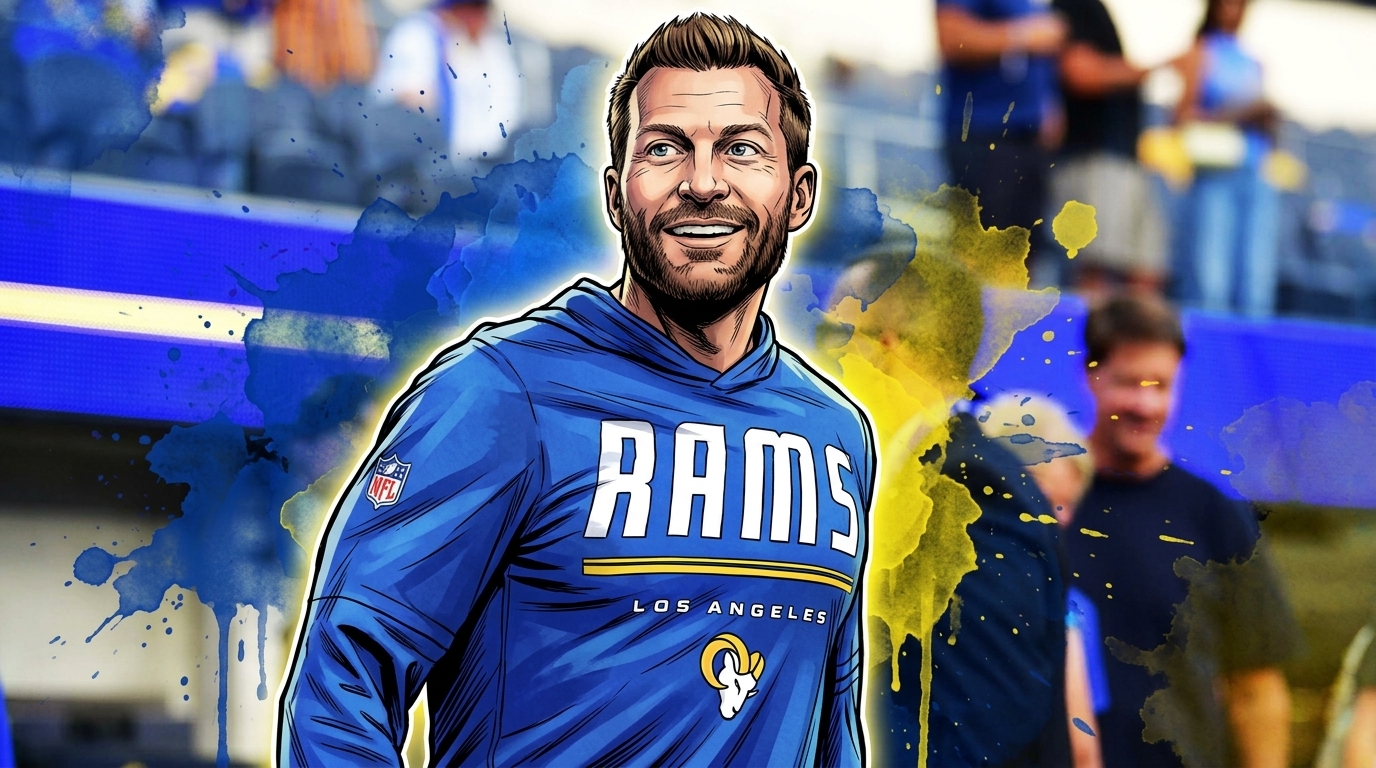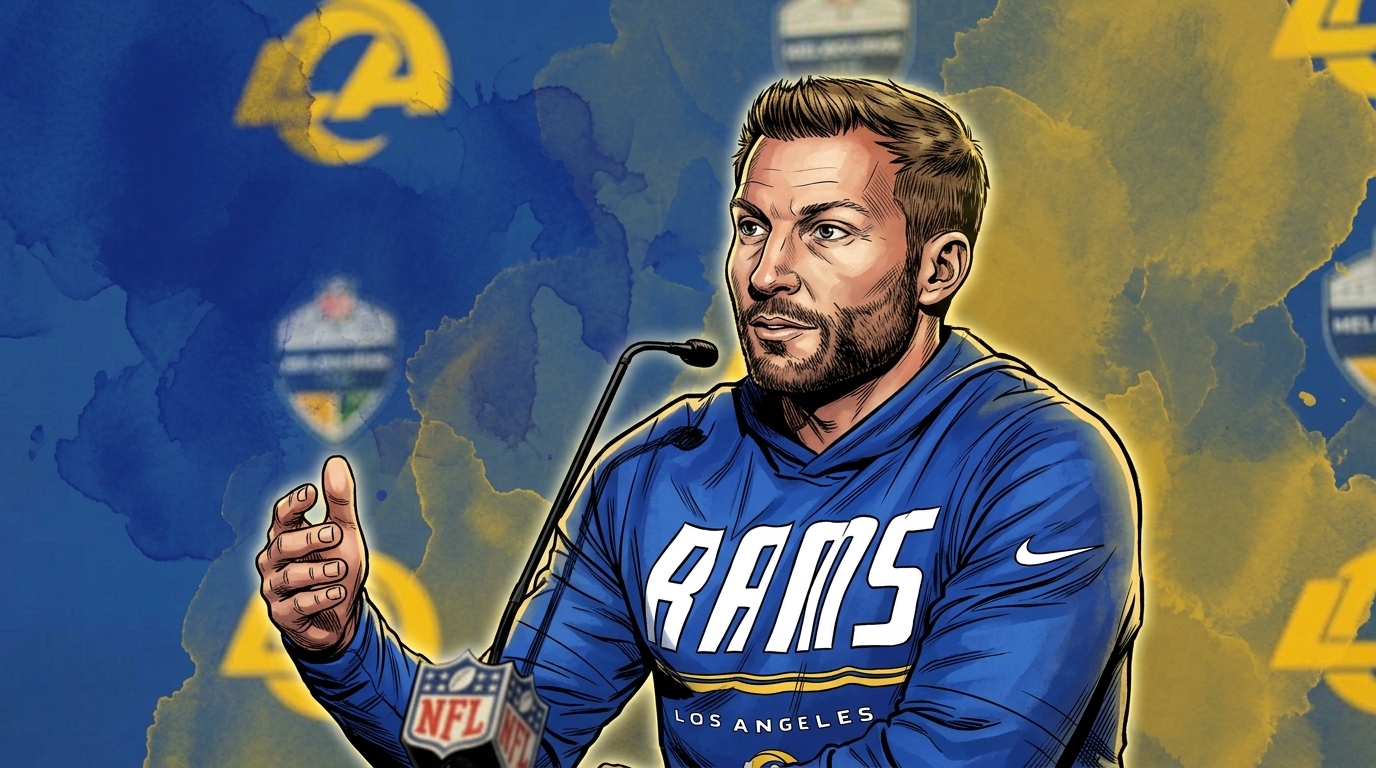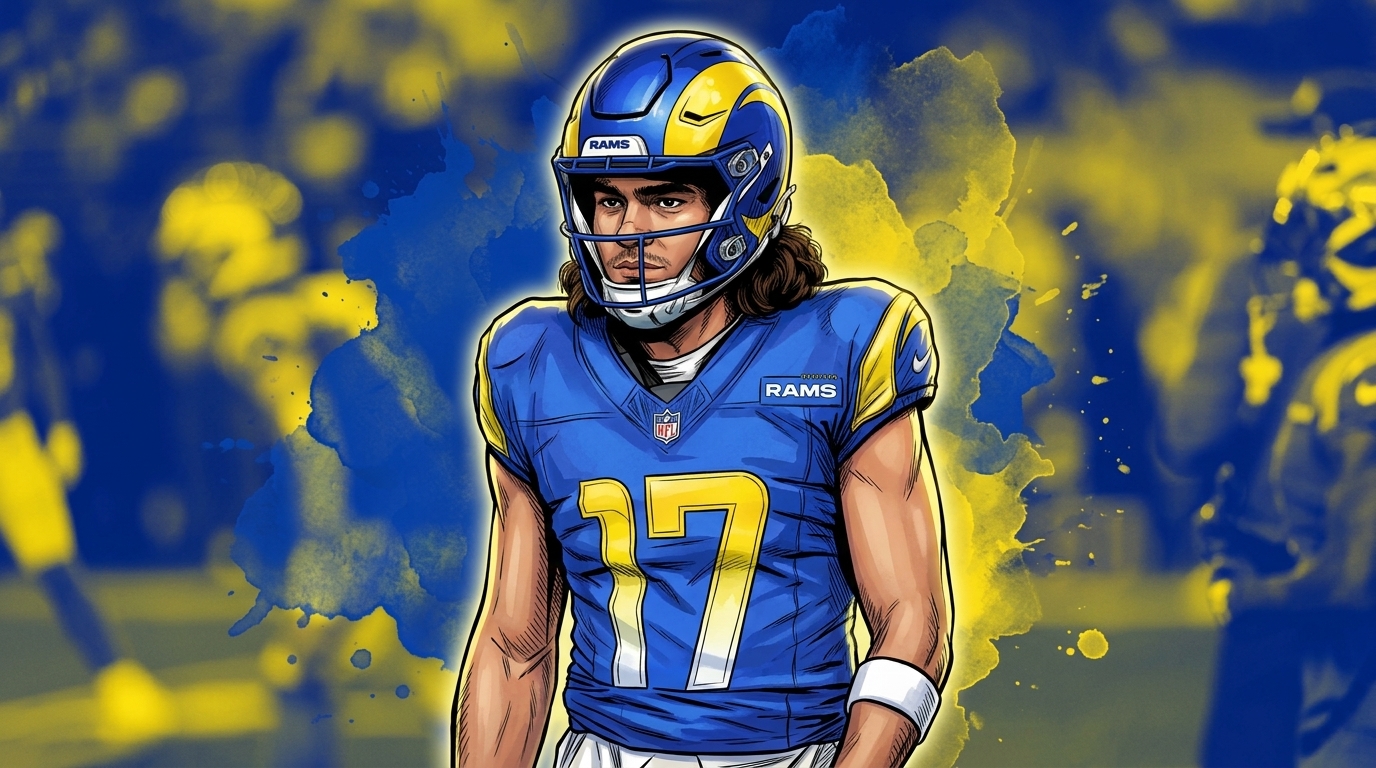

Sean McVay says Puka Nacua’s hip injury is “not making great progress” heading into Week 3, then in the same conversation insists it’s nothing to worry about long-term — that’s not an update, that’s two contradictory sentences stapled together so nobody can quote him being wrong later.
Listen to the actual words instead of the reassuring tone they’re delivered in. McVay described the injury as “like some of the things that can almost be like pre-hernia,” which isn’t the phrase teams reach for over garden-variety soreness. He was careful to clarify Nacua doesn’t actually have a hernia, but that specific a description doesn’t come from nowhere.
Coaches don’t reach for anatomical specificity by accident. That level of detail usually means someone looked at a scan and saw a shape worth describing, not a coach improvising a metaphor on the fly.
Now put that next to “not making great progress.” Two descriptions like that, from the same coach in the same press conference, should worry you more together than either one does on its own.
Then comes the pivot to reassurance. The injury isn’t “any sort of long-term threat,” McVay said, and “usually time is the best thing that allows that thing to heal.” That’s true of nearly every soft-tissue injury in football, right up until it isn’t.
It’s the sentence a coach reaches for when he’s not ready to announce something worse and can’t promise something better either.
McVay softens news like this often enough that the pattern is recognizable to anyone who sits through his weekly pressers: describe it precisely, then immediately walk the precision back with reassurance.
The official injury report for the Rams lists this as a hip issue. McVay’s own words put it somewhere closer to the groin, and that gap between the label and the coach’s actual language matters more than either designation by itself. Injury reports exist to satisfy the league, not to explain what’s actually happening to a guy’s body.
https://twitter.com/UnderdogNFL/status/2103116655606022416
That tweet is McVay’s answer in full, unedited. It’s shorter than his own explanation of what “pre-hernia” means, and somehow it says less.
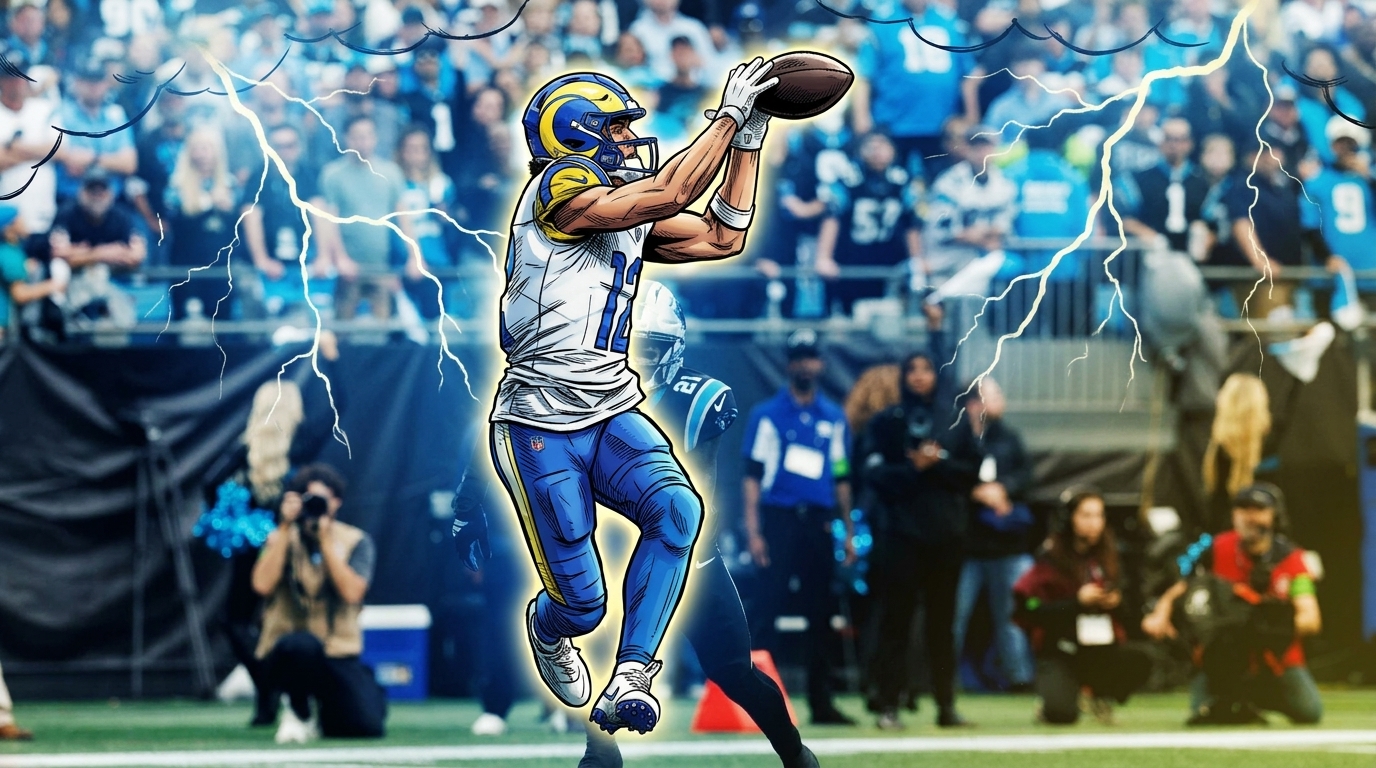
Nacua played through the Week 1 loss to the 49ers in Melbourne, catching five of nine targets for 74 yards including a 41-yard grab, then tweaked something in practice afterward. He sat out Monday night against the Giants entirely. Now the Rams play the Denver Broncos on Sunday Night Football in Week 3, a game with a national audience and a coach who still hasn’t given a straight answer about his best receiver. Nobody, not McVay, not the injury report, not this article, actually knows if he plays.
I spent two years freelancing for $50 a piece before this job, which means I’ve read enough vague copy dressed up as information to recognize the genre. McVay’s update is that genre: technically true, carefully unresolved, built to survive being wrong in either direction. It reads like it was written by someone worried about being fact-checked, which, considering the audience, it probably was.
Nacua’s the best receiver on this roster, and his franchise tag situation is exactly why every one of McVay’s careful non-answers lands harder than it should. The Los Angeles Rams don’t have the luxury of a coach who won’t commit to a diagnosis. “We’ll see” isn’t caution.
It’s a coach stalling for time he doesn’t have.