
Two Septembers ago, I found out I no longer had a job because of a Slack message from someone I’d exchanged maybe four sentences with in three years at that company. Around the same time, a friend at a different outlet, a reporter with no seat at any masthead meeting, got a phone call from her own editor-in-chief asking what the newsroom should look like next. Nobody voted her into that conversation. She was just the person whose byline people already recognized.
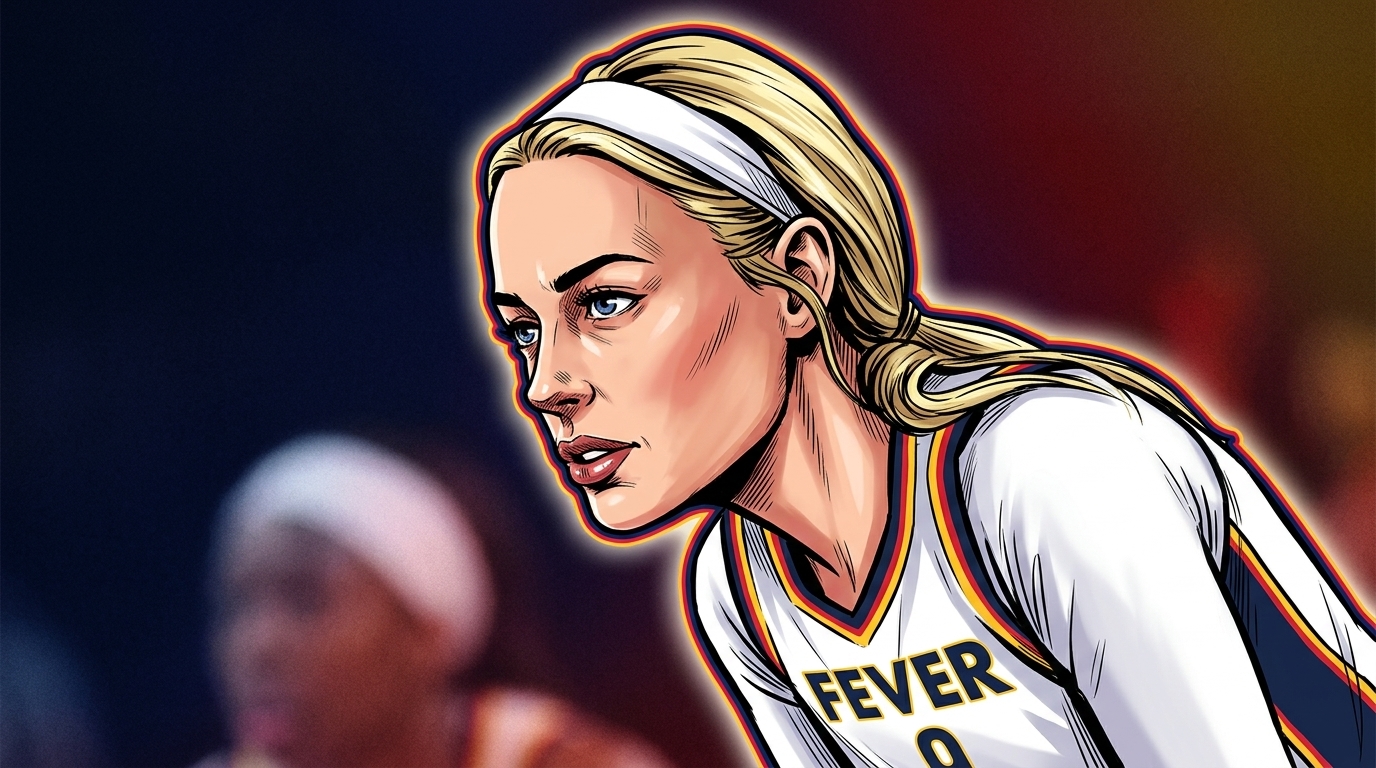
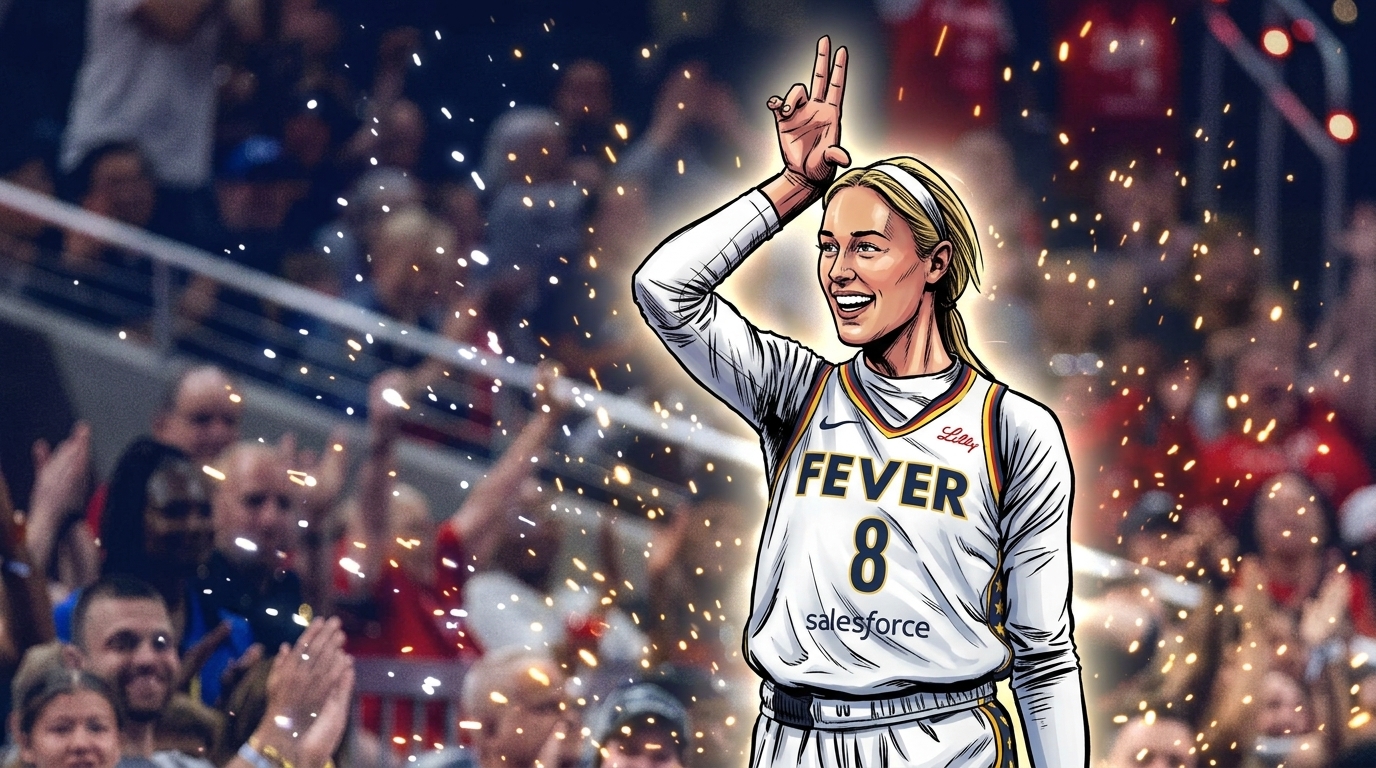
That asymmetry is basically the plot of the last two weeks in the WNBA. Cathy Engelbert announced on September 4 that she’s retiring as commissioner at the end of this season, and Adam Silver, the NBA commissioner who hired her the first time and gets final say on her replacement, has been making calls about who takes over next. One of those calls went to Sophie Cunningham, a guard for the Indiana Fever who holds no formal role in league governance whatsoever. The conversation that became public wasn’t with the person whose job title says she represents every player in the league. Whether that’s Silver smartly going to whoever the audience actually listens to, or a quieter signal about whose voice counts, isn’t something I can resolve. But it’s worth sitting with the fact that this is the version of the story we got.
Engelbert’s exit is the least contested part of any of this. After six years spent expanding the league commercially, she’s leaving on her own terms, and she reportedly handed Silver a multi-year succession plan with a shortlist of internal and external candidates for him to choose from. Silver has said publicly that the job requires “somebody who is going to help unify the players with the players and the players with ownership,” a phrase so committee-tested it could headline a corporate all-hands, and he’s noted the timing works given the league just locked in a new long-term CBA.
Cunningham has no seat on any league committee, no vote on that CBA, no formal channel to ownership beyond whatever standing her own public profile buys her. She told ESPN she’s talked to Silver “a couple times” already, through the ordinary machinery of being a marketable athlete: her agents, her business reps, the apparatus that exists because she’s a name people want to hear from, not because anyone elected her to anything. She called Silver “a great guy” who was “very knowledgeable and full of wisdom,” a compliment that costs nothing and reveals plenty about the register of the exchange. Friendly. Informal. Closer to a business lunch than a search-committee interview.
When asked who should actually get the job, Cunningham deflected. “I have no one,” she told Fadeaway World, sketching a type instead of a name: a unifier, someone players-first, who keeps communication open and respects the locker room while still answering to the owners who sign the checks. She used the same conversation to flag something concrete about her own workplace, telling Silver the league needs to fix its back-to-back scheduling, a granular complaint you only get from someone who plays four games in five nights instead of watching from a suite.
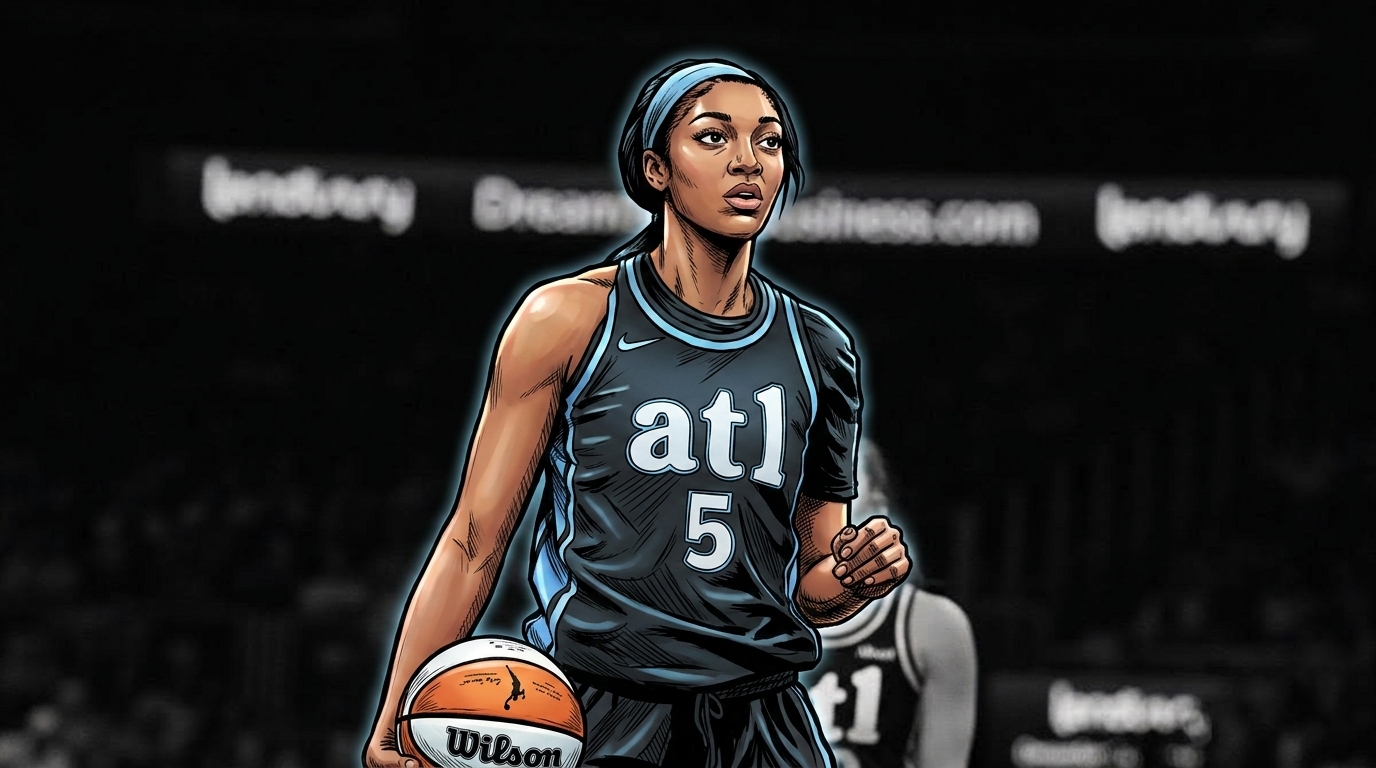
The next WNBA commissioner search is already revealing who gets heard before it’s produced an actual finalist. The names circulating are unconfirmed and carry no formal announcement: Yardbarker has floated WNBPA president Nneka Ogwumike and former player Swin Cash, while Yahoo Sports has added NBA deputy commissioner Mark Tatum to the list. Ogwumike would be a strange and fitting choice precisely because of what her current job already is.
Nneka Ogwumike and the WNBPA’s formal channel with Silver looks nothing like a friendly business call. Their most recent public exchange wasn’t about who runs the league next season. It was a pointed disagreement over collective bargaining. Silver suggested the union lacked urgency in CBA talks, and Ogwumike pushed back publicly, saying “we have certainly had a sense of urgency, so much” and noting the union had already dropped its revenue-share ask from 40 percent to 28, while the league moved from 13 to 14.5. That’s a separate negotiation from the commissioner search, and I don’t want to flatten the two into one storyline just because they involve the same two names. But the temperature of the only channel with actual teeth tells you something on its own: not warm, not chummy, not an exchange built to produce a quotable “great guy” soundbite.
None of this is unique to the WNBA. Any institution whose public profile outgrows its formal structure ends up running these same informal channels, calling the person the audience already listens to because the alternative is a memo nobody reads. This league spent the year proving how fast that profile can move, from this year’s All-Star rollout to a media rights deal that made Cunningham recognizable to someone like Adam Silver in the first place. That’s the same machinery that makes her a starter worth building campaigns around on a Fever roster already carrying the league’s biggest spotlight, and what put her comments into the public record of the Engelbert-replacement search, while Ogwumike’s public record with Silver right now reads like a negotiation transcript.
I go back and forth on whether this is smart or a little troubling, and I’ve landed on both, which my podcast co-host tells me isn’t actually a take. Maybe Silver called Cunningham because he wanted an honest, low-stakes read from someone with nothing to gain from flattering him, and that’s a genuinely savvy way to sound out what players want from a new commissioner. Or maybe it’s just easier to call the guard with the big platform than to sit across from the union president and get told, again, that her members’ patience has a floor. I don’t know which one this is.
https://twitter.com/TheDunkCentral/status/2100023884758016096
What I do know is that if you want to find out how an institution actually distributes trust, its org chart is the wrong document to read. Watch who gets the phone call. Whether that lines up with who holds the title is the question the rest of this search is going to answer, one way or another. For more on how this league keeps outrunning its own infrastructure, the rest of our WNBA coverage is a good place to keep watching.