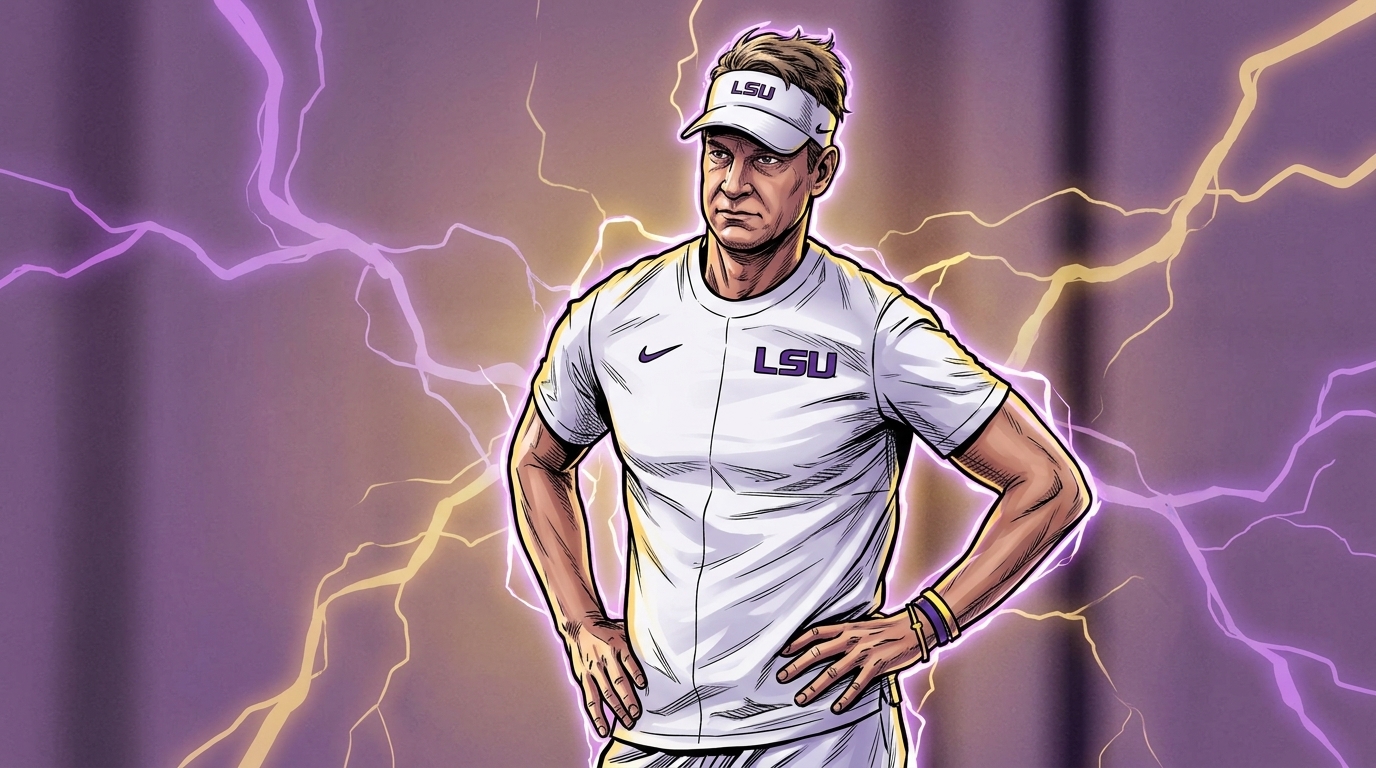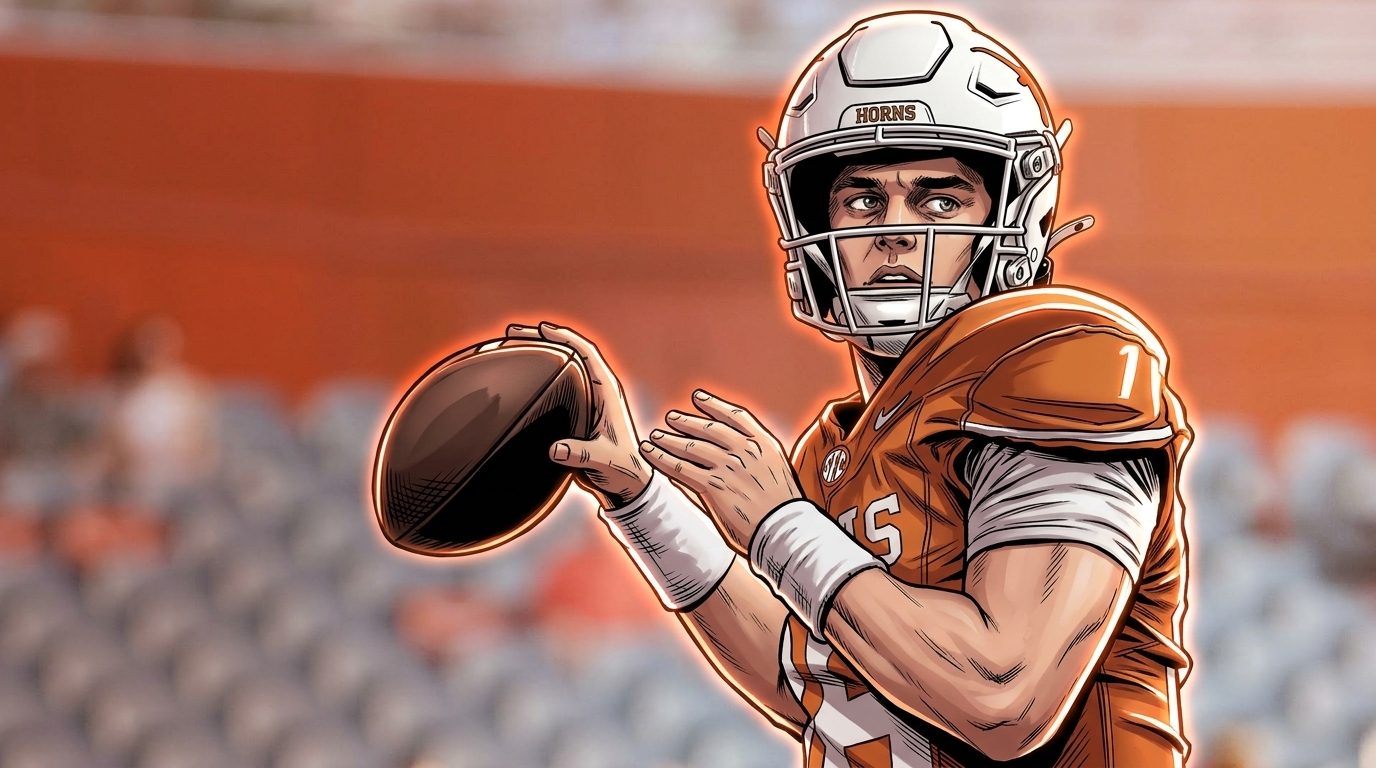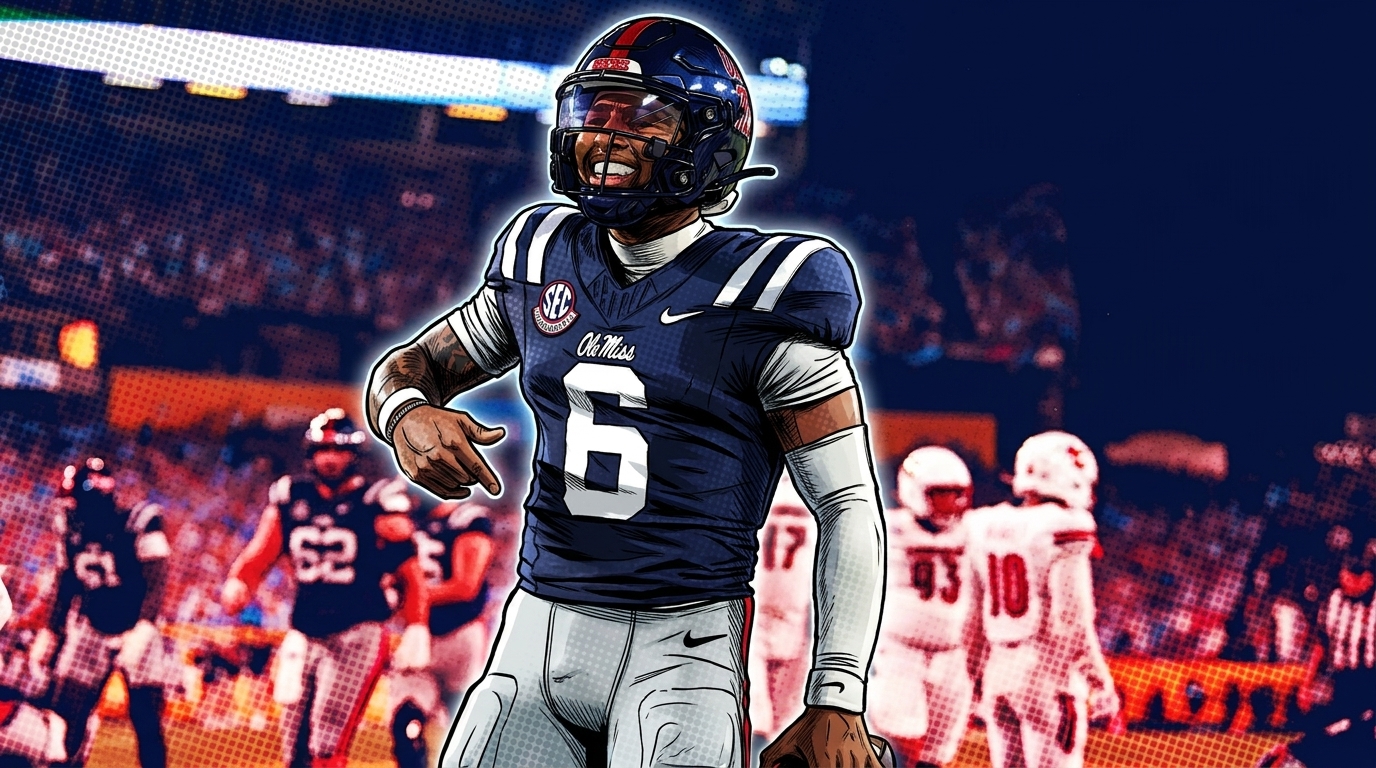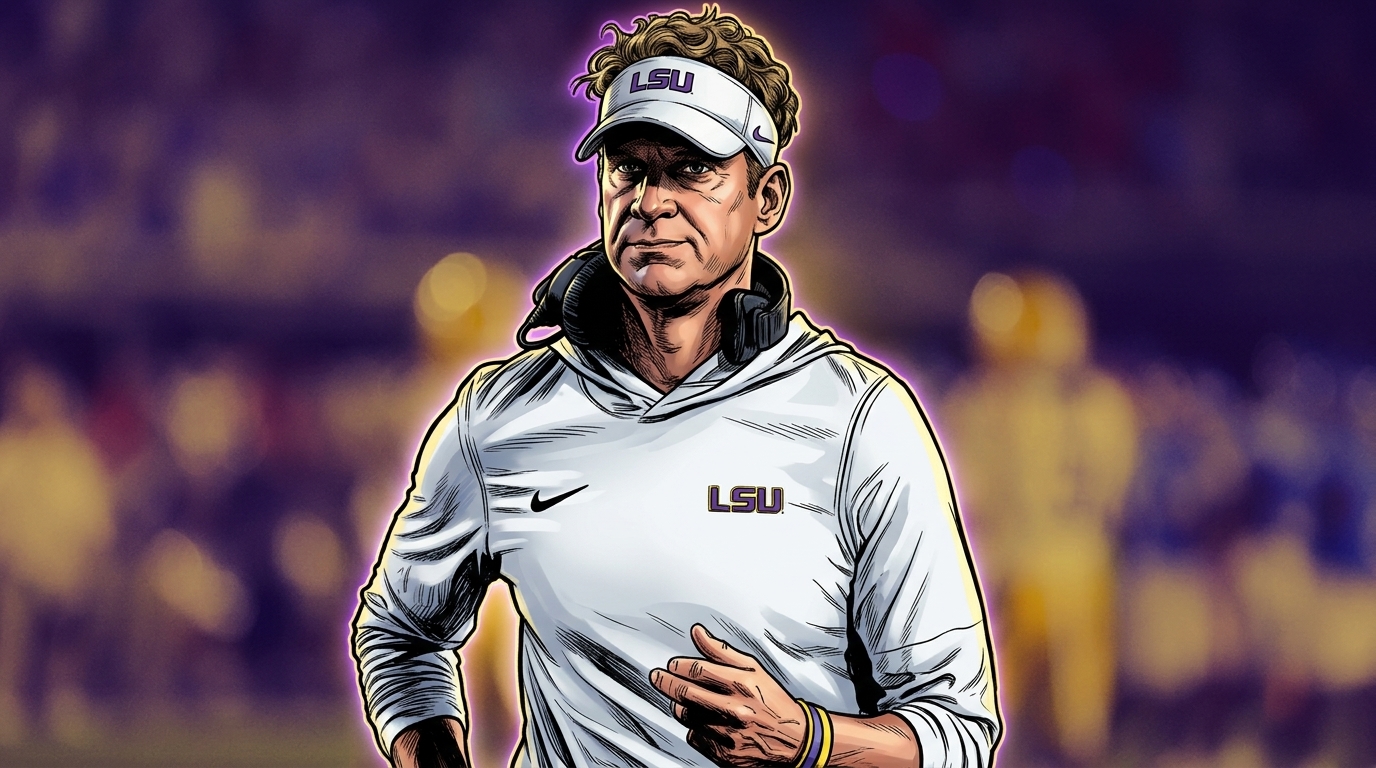

We’re four weeks into the season, and the rankings are moving for reasons more interesting than “the previous No. 1 lost.” Texas is the consensus No. 1 team in the country, holding 58 of the poll’s 69 first-place votes. Ole Miss jumped four spots to No. 4 in a single week, after beating the coach who left for a bigger job over the winter. And outside Vaught-Hemingway Stadium, that coach, Lane Kiffin, now running LSU, got a live-television welcome built almost entirely out of profanity. Three headlines, one Saturday, and they’re the same story told three different ways.
Put them side by side and the throughline isn’t really about the Texas Longhorns, the Ole Miss Rebels, or Kiffin individually. It’s about a sport that genuinely doesn’t know who’s good yet, and a television show that keeps flinching from that uncertainty by parking itself on the same five campuses it already trusts. Oxford, this week, was the one College GameDay stop that actually felt alive for a game nobody circled as a top-five matchup back in August — proof, sitting in the same week as the poll movement and the backlash tweets, of what the show does right when it lets itself wander somewhere uncertain.
This week’s college football rankings, week 4 of the season, read less like a settled hierarchy than a document of a sport that hasn’t decided who’s good yet.
Why Did Texas Jump to No. 1?
Texas didn’t take over this week; it took over three weeks ago, upsetting the then-No. 1 Ohio State Buckeyes in Austin on Sept. 12. The Longhorns held the spot this week by beating UTSA 30-6, while Ohio State, now No. 7, still hasn’t climbed back into the conversation.
That single result in Austin has done more to shape this season’s hierarchy than anything since. Arch Manning has quarterbacked the consistency that followed it, and Texas’s run from preseason question mark to a near-unanimous No. 1 (58 of 69 votes is about as close to unanimous as a three-week-old ranking gets) traces straight back to the fourth-quarter comeback that started this. Ohio State has spent every week since trying to prove that loss was a blip. The poll still says it wasn’t.
Ole Miss’s rise is a stranger kind of momentum, because it required Kiffin to leave first. This was his first game back in Oxford since taking the LSU job over the winter, and Saturday’s result has already been covered in full on this site: Trinidad Chambliss, the quarterback Kiffin built, beat him 32-24, and Ole Miss walked away four spots better in the polls. We called this one the real SEC opener before kickoff. The result delivered on the premise, which rivalry games decided by a departed coach don’t always manage.
Before any of that kicked off, College GameDay set up in Oxford for just the third time in the show’s history. Here’s how it opened:
https://twitter.com/CollegeGameDay/status/2101315109494649161
How Bad Was the Lane Kiffin Reception in Oxford?
Ole Miss fans booed Kiffin throughout his live GameDay interview and met him with expletive-laden chants before kickoff, about as hostile a homecoming as a rival crowd delivers without leaving the stands. Kiffin stayed composed on air, telling fans his players needed to “stay focused and not listen to all the noise.” It worked, for his team, right up until it stopped mattering, because Ole Miss won anyway.
Kirk Herbstreit, calling the game, said the LSU Tigers-Ole Miss environment felt more personal than almost anything he’s covered in three decades on the road with the show. (That’s not nothing, coming from someone who’s narrated more “biggest game of the year” cold opens than anyone could count.) It wasn’t an accident that it read that way on television, either. GameDay chases exactly this feeling, a crowd with something specific and personal to be angry about, and it doesn’t find it nearly as often as its schedule suggests it’s looking.
That authenticity is exactly what this week’s other viral moment says the show has been missing. A thread that made the rounds this week argued College GameDay keeps returning to the same handful of blue-blood programs instead of finding new games worth the trip:
https://twitter.com/Nathan_Boise/status/2102253046306865182
That complaint holds up against the actual numbers, not just the anecdote.
Is College GameDay Actually Biased Toward the Same Programs?
Yes, at least by the record. GameDay has visited SEC campuses nearly twice as often as Big Ten ones over the past three seasons, 43 SEC stops against 23 Big Ten, even though a Big Ten team won the national title in each of those years. This year’s first three stops, LSU vs. Clemson, Texas vs. Ohio State, and Ole Miss vs. LSU, all featured an SEC team.
I think both things are true at once, and the show doesn’t get to keep only the flattering one. The SEC lean is a real, multi-year institutional habit, not a one-week coincidence (three straight SEC-anchored openers to start a season is a preference, not a scheduling accident). But Oxford also undercuts the laziest version of the complaint. Ole Miss-LSU wasn’t a “same five blue bloods” booking. It was a game that got good because a coach left angry, and the show bet correctly that the crowd would make it feel like more than a September matchup looked like on paper.
That’s the actual state of the sport four weeks in: a poll that already turned over its No. 1 once on a genuine upset, a rivalry that got personal enough to make expletive-laden chants feel earned, and a television show that is, only sometimes, willing to bet on something other than its own comfort. The show covering all of it is still deciding whether that unsettled hierarchy is a story worth chasing or one it’s stuck reacting to.
Watch what happens the next time a program outside the usual five gets hot in October. If GameDay shows up, the pattern is correcting itself in real time, the way Oxford suggests it can. If it goes back to Athens or Baton Rouge on a bye week instead, the thread that circulated this week was right, and Oxford was the exception, not the fix.