
Fourteen points down, in a World Cup final, to a France team that had never given this program real trouble before. Team USA still finished the night up 18. That 32-point swing between the low point and the final buzzer is the actual story here, not that the dynasty won another gold medal.
USA has now beaten France for the title in back-to-back tournaments, and last year’s version of this game wasn’t especially competitive. This one, for a stretch in the second quarter, actually was. France built the biggest deficit anyone has hung on this roster in recent memory, then watched it disappear anyway. The distance between how alarming that deficit should have felt and how comfortably USA still won says more about the gap between this program and the rest of the world than another 30-point rout would have.
How Team USA Fell Behind by 14 Points
The deficit didn’t build slowly. France opened the second quarter on an 11-0 run and turned a competitive game into a 31-17 lead, per NBA.com’s recap of the final. For a program that treats double-digit halftime cushions as the baseline expectation, watching the scoreboard flip that hard, that fast, was new territory.
It didn’t stay that bad. Caitlin Clark, playing off the bench, hit a three just before the halftime buzzer that trimmed the margin to 45-43, a shot that won’t read as a turning point in the box score but changes the tenor of a locker room walking into the break. USA went to halftime down two possessions instead of two touchdowns. We already broke down Clark’s bench three in the same game in more detail elsewhere on the site; the short version is that USA needed it more than the box score lets on.
What Actually Changed in the Third Quarter
Whatever the adjustment was at the break, it worked immediately. USA opened the third quarter with an 11-2 run to grab a 54-47 lead, then, later in the same quarter, ripped off a 16-3 spurt that pushed the margin to 73-57 entering the fourth. Two separate scoring bursts inside one quarter, and by the time it ended, the 14-point hole from earlier in the game had turned into a 16-point cushion.
Breanna Stewart, who was named tournament MVP, finished with 22 points, 10 rebounds and four assists — a line that by itself accounted for close to a quarter of Team USA’s total scoring. Jackie Young added 18 points, six rebounds, five assists and shot 4-of-7 from three, the kind of complementary scoring night a team needs when its best player alone can’t cover a 14-point hole. “We are the standard,” Stewart said after the final. “USA Basketball has continued to show up and go for gold,” a quote NBA.com captured postgame. Dominique Malonga and Gabby Williams kept France within range individually, scoring 21 and 20 points, respectively, but by the fourth quarter, staying within range of the box score and staying within range of the actual game were two different things.
Is This the Closest Anyone’s Come to Beating This Dynasty?
Team USA trailed by 14 points in the second quarter of the 2026 FIBA Women’s World Cup final before Breanna Stewart and Jackie Young led a third-quarter surge, an 11-2 run followed by a 16-3 spurt, that turned a 45-43 halftime deficit into a 97-79 win, the program’s fifth straight world title.
That’s the closest read of the box score. The harder question is whether it means anything about where this era of Team USA actually stands. This is the program’s fifth consecutive Women’s World Cup title and 12th overall, and per ESPN’s coverage of the gold-medal game, the win extended USA’s streak to 36 straight World Cup games without a loss. A 14-point deficit inside a streak that long isn’t a crack in the dynasty. It reads more like a stress test the dynasty passed without needing a historic individual performance to do it. Stewart and Young were good, not spectacular by their own standards, and the margin still landed at 18.
What Reese and Howard’s Roster Spots Say About the Dream
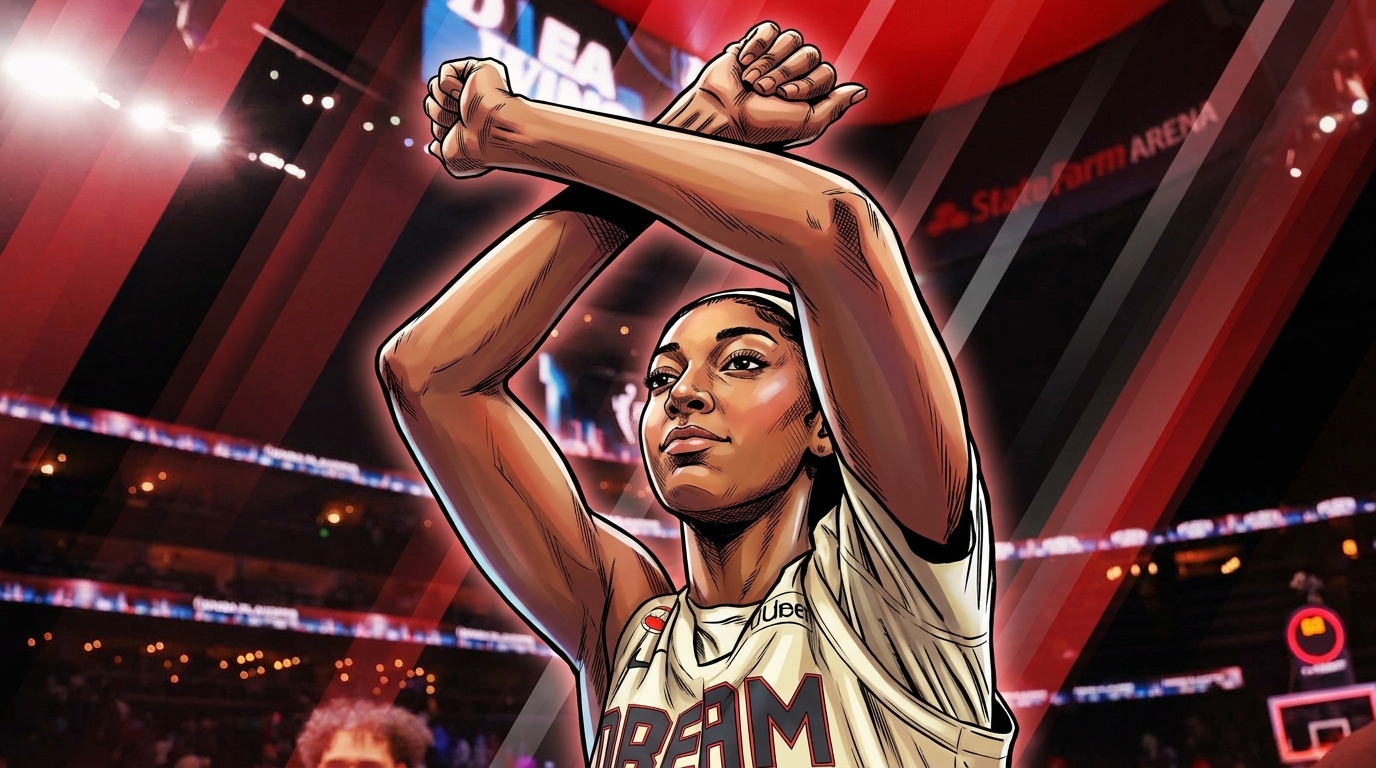
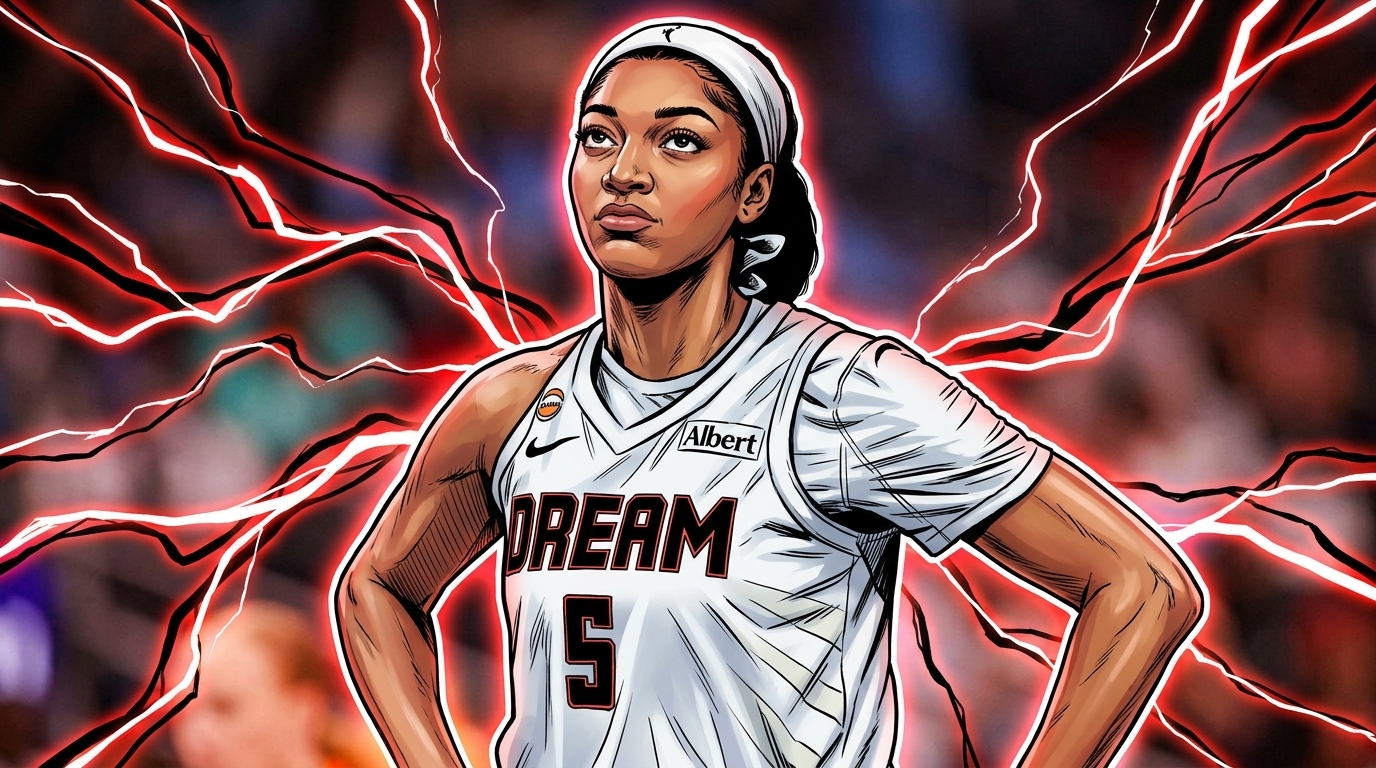
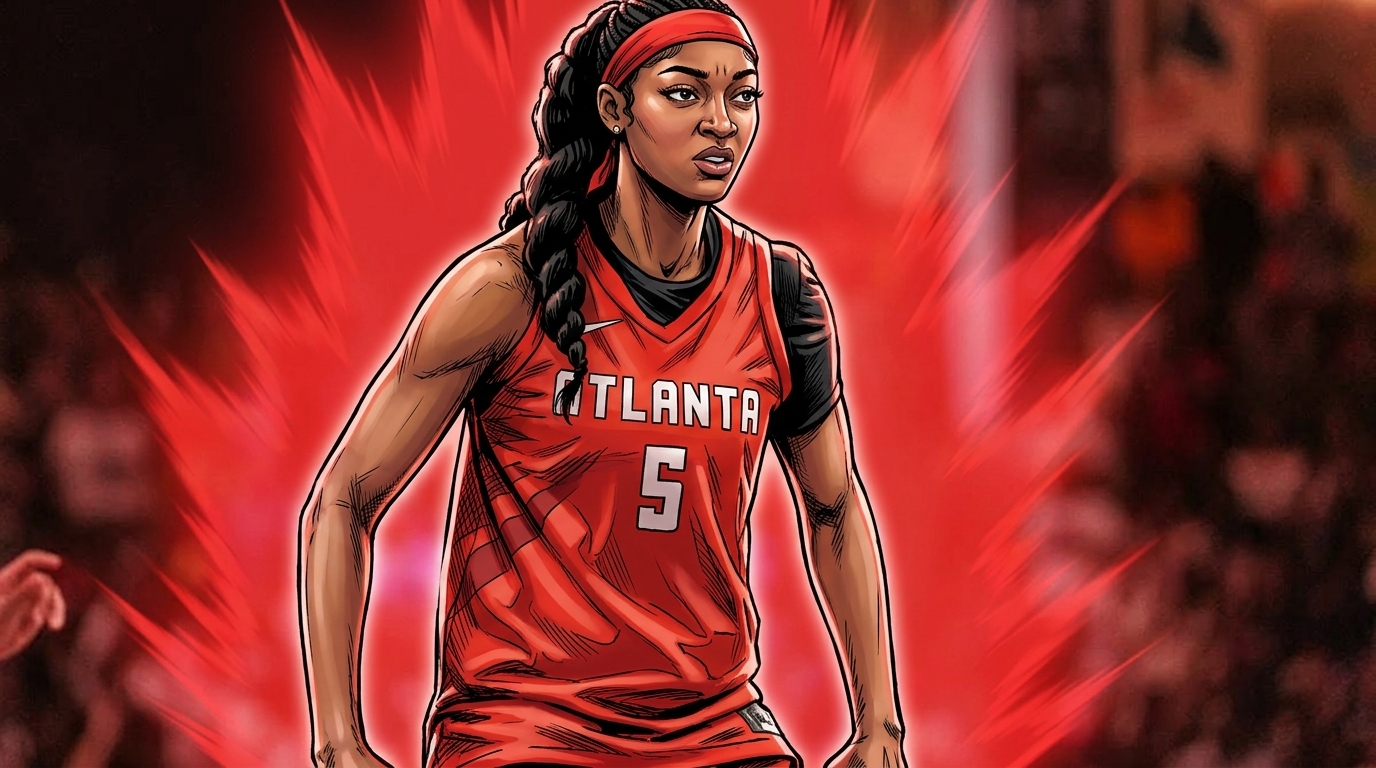
The final itself was a quiet night for Angel Reese and Rhyne Howard, who combined for five points off the bench. The tournament-long numbers tell a different story. Across all six games, Reese averaged 7.2 points and 5.0 rebounds in a reserve role, shooting 59.1% from the field. She added three steals against Czechia along the way. Howard averaged 8.5 points and 2.0 assists per game, shooting 38.1% on 5.3 three-point attempts per contest, a shot diet with more volume than most bench players get at this level, with a four-steal game against Hungary mixed in.
Those numbers matter beyond the stat sheet because of who’s compiling them. Per the Atlanta Journal-Constitution, Reese and Howard are the first two Atlanta Dream players in franchise history to represent Team USA together at a 5-on-5 FIBA World Cup or Olympic Games. That’s a first for a franchise that rarely comes up when the league’s depth gets debated, and it happened on a roster that had no shortage of star power to spare in the first place.
USA got to Berlin already loaded with recognizable names, Clark, Stewart, Young among them, and still found minutes and real production for two players making their first World Cup roster. That’s the version of dominance that’s harder to root against, and hard to see ending soon.
Clark’s own reaction to the final buzzer needed fewer words than any paragraph above:
https://twitter.com/CaitlinClark22/status/2099247457473339402
USA’s next major test on this stage is years away, but on the current form, the more interesting question isn’t whether the streak continues. It’s whether anyone closes a gap this size again without still losing by 18. For more on how USA got here, including the 52-point rout of Hungary in the quarterfinal, or for the rest of our WNBA coverage, the tournament left plenty on the table to revisit.