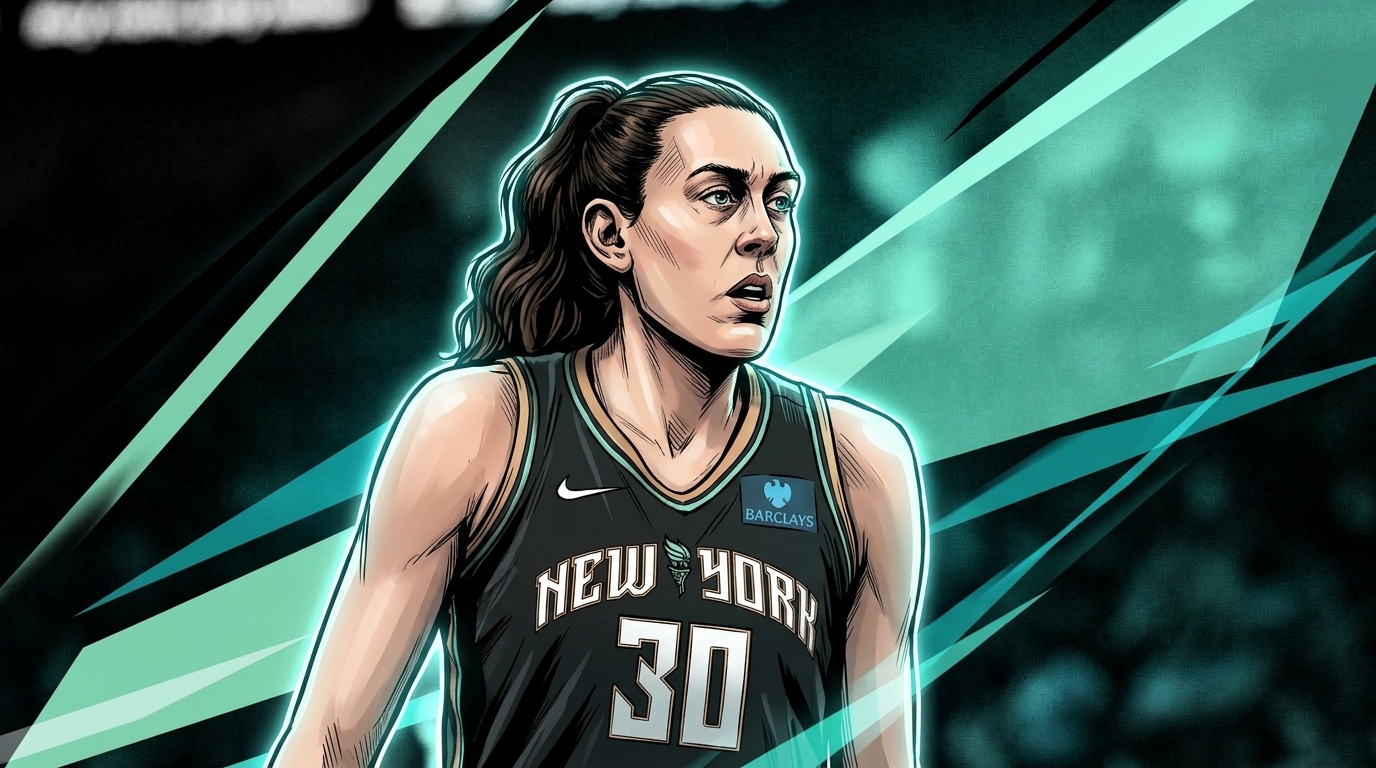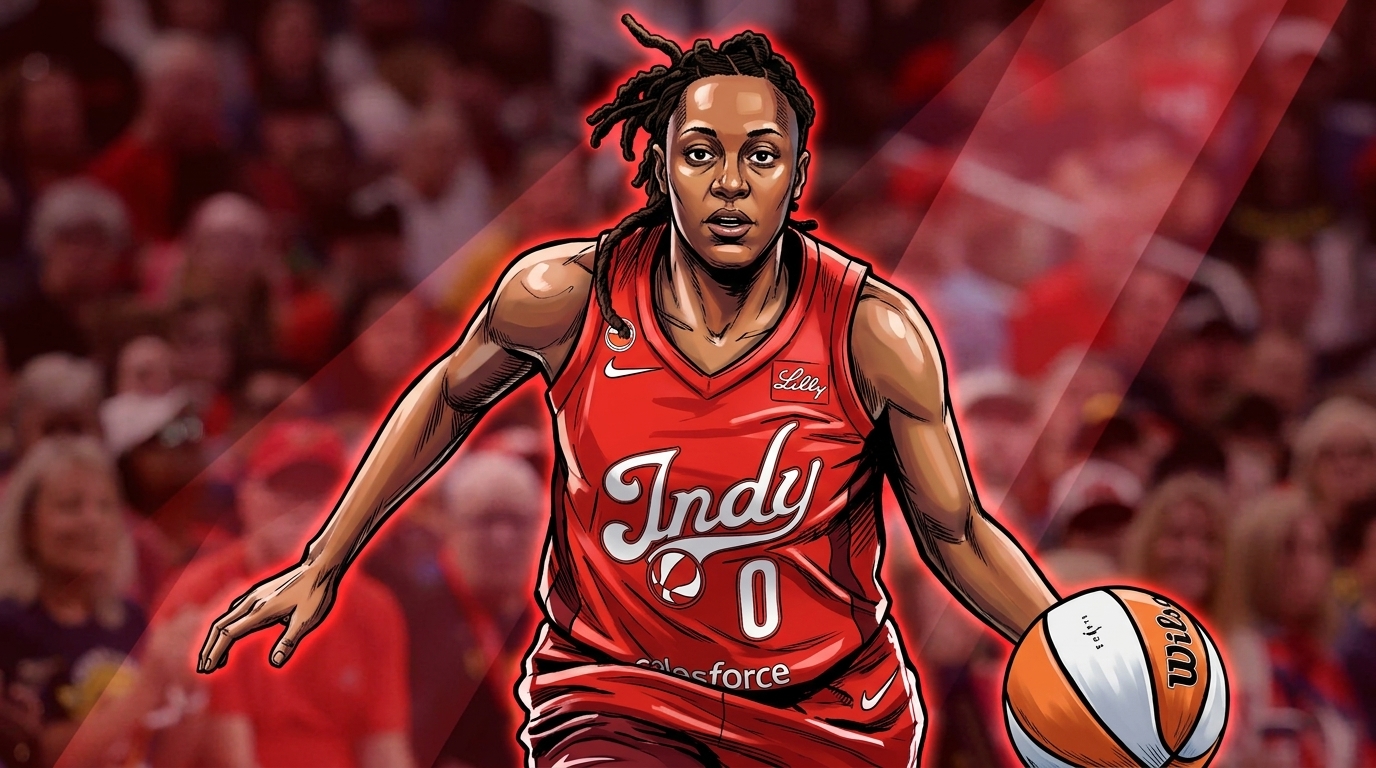

The NFL, the NBA, the NHL, MLB, and MLS all sat down together this week and put their names on a joint letter demanding state gaming regulators crack down on bettors who harass players and their families. Every major men’s league in the country, standing shoulder to shoulder. Not the WNBA, whose own union had to find out about its exclusion the same way the rest of us did. I’ve watched a lot of institutional cowardice get dressed up as an accident. This one didn’t even bother with the costume.
None of what’s in the letter is subtle. Signed by five leagues and their players associations, it calls for lifetime bans for fans who threaten players over a bet gone bad, faster reporting pipelines to actual law enforcement, and sportsbooks proactively flagging accounts that cross the line. “Threatening the safety of an athlete or their family members over a sports bet crosses a bright ethical and criminal line, and it is entirely unacceptable,” the leagues wrote. That’s true precisely because nobody should have needed to write it down.
WNBPA executive director Terri Carmichael Jackson didn’t learn about any of this in a planning meeting. She found out along with everyone else, and she put the blame exactly where it belongs: “It is deeply disappointing that, given the very public and troubling incidents of betting-related harassment experienced by our members over the past several seasons, the NBA determined that WNBA players did not warrant inclusion in a joint position statement intended to address this very issue.” That word, “determined,” is doing a lot of work. It means somebody at league headquarters looked at the question of whether to include the WNBA and made an active call. The NBA runs the WNBA, staffs its front office, and controls its media rights and licensing, and it chose to leave its own players off the letter about protecting players from harassment. That’s not corporate reshuffling. That’s a hierarchy showing its work, and it’s a bullshit way to treat the athletes this letter claims to speak for.
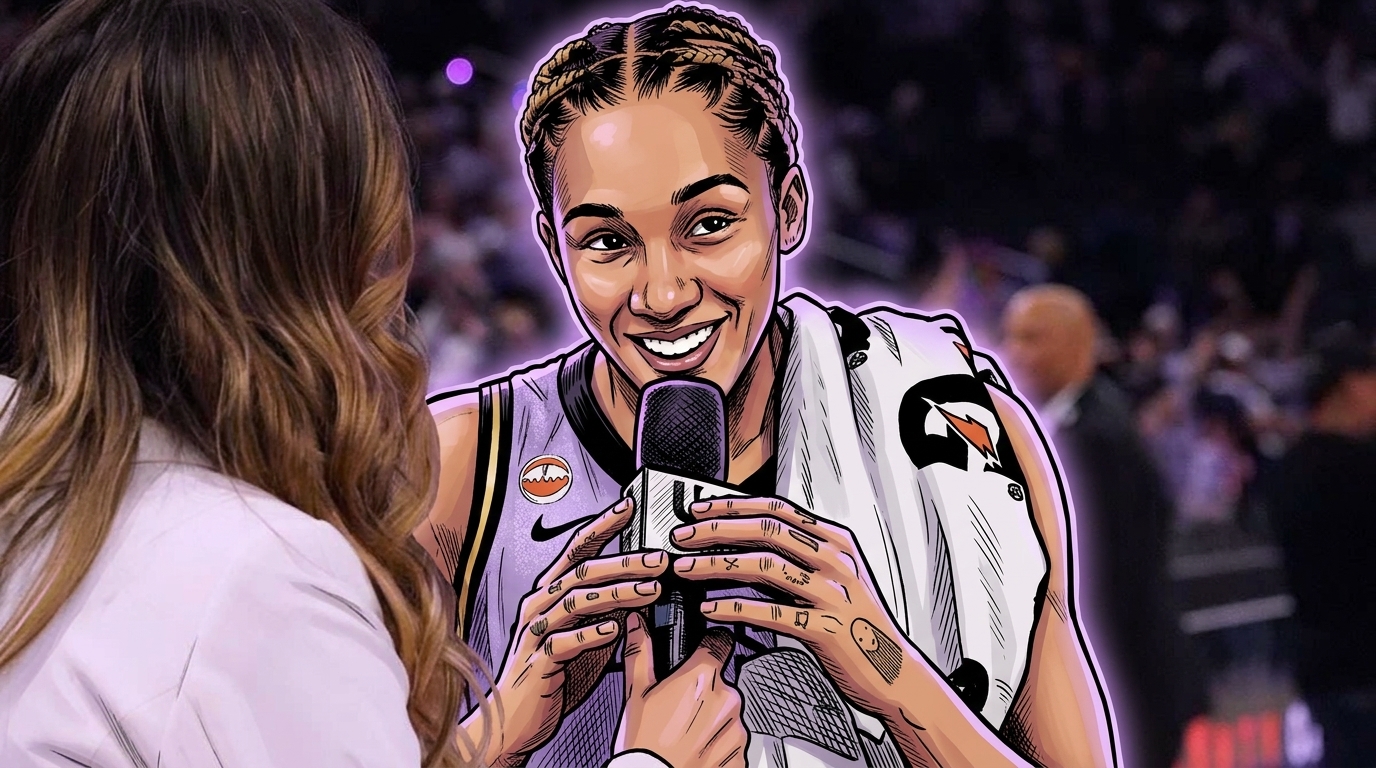
This isn’t an abstract institutional slight, either. Natasha Cloud has talked publicly about getting hit with threats from bettors angry she cost them money on a bad night, messages that don’t stay contained to a phone screen. She’s the person this letter is supposedly written for. She’s also the player whose own union just got told, on the record, that it didn’t warrant a seat at the table where the rules against people like the ones threatening her get drafted.
And this wasn’t the union’s first time asking the NBA for exactly this help. Back in July, the players association requested a meeting with commissioner Cathy Engelbert specifically because players were being buried in racist and hateful messages, and Engelbert promised more consistent communication and better security resources going forward. That meeting was about a different flavor of harassment, not betting specifically, but the pattern holds either way: the WNBA asks to be protected, and what comes back is a promise instead of a seat.
I read a lot of labor stuff outside of sports too, NLRB rulings, union recognition fights, the whole grinding machinery of who gets included in the room and who gets a memo after the fact, and this is a textbook example of what that exclusion looks like when nobody’s watching closely enough to call it out. A union doesn’t get left off a joint statement about its own members’ safety by clerical error. It gets left off because somebody, somewhere, ranked it lower than everybody else in the room.
The Valkyries are quietly building the best team nobody’s talking about this season, and that’s the whole problem in miniature. The WNBA keeps doing the work of being worth taking seriously, and the league that owns it keeps filing it like an intern department whose invite gets forwarded late, if it gets forwarded at all.
Reaction moved fast once word got out:
https://twitter.com/colincsalao/status/2099891226019246278
That gap, between what the WNBA actually is on the court right now and how it still gets filed internally at NBA headquarters, is the whole story.
Nobody’s asking the NBA to feel guilty about this. Feeling guilty requires noticing you did something wrong, and every signal out of the league office says this was a ranking, not a lapse in attention. The letter the NBA signed says threatening a player’s family over a bet “crosses a bright ethical and criminal line.” Deciding which players actually get protected by that line, apparently, is a much grayer call. Catch the rest of our WNBA coverage for more on a league that keeps getting treated like the little sibling nobody remembered to seat at the adult table, right up until the check comes due.