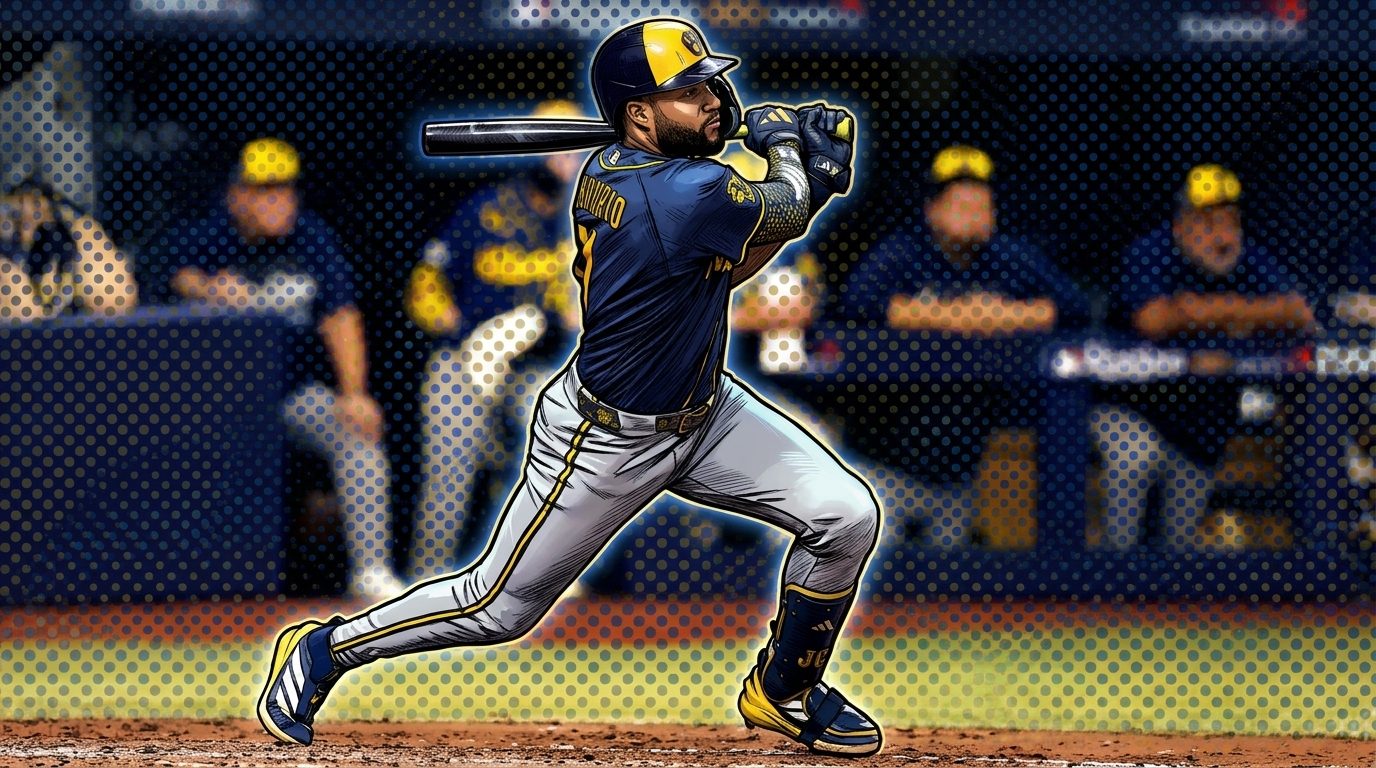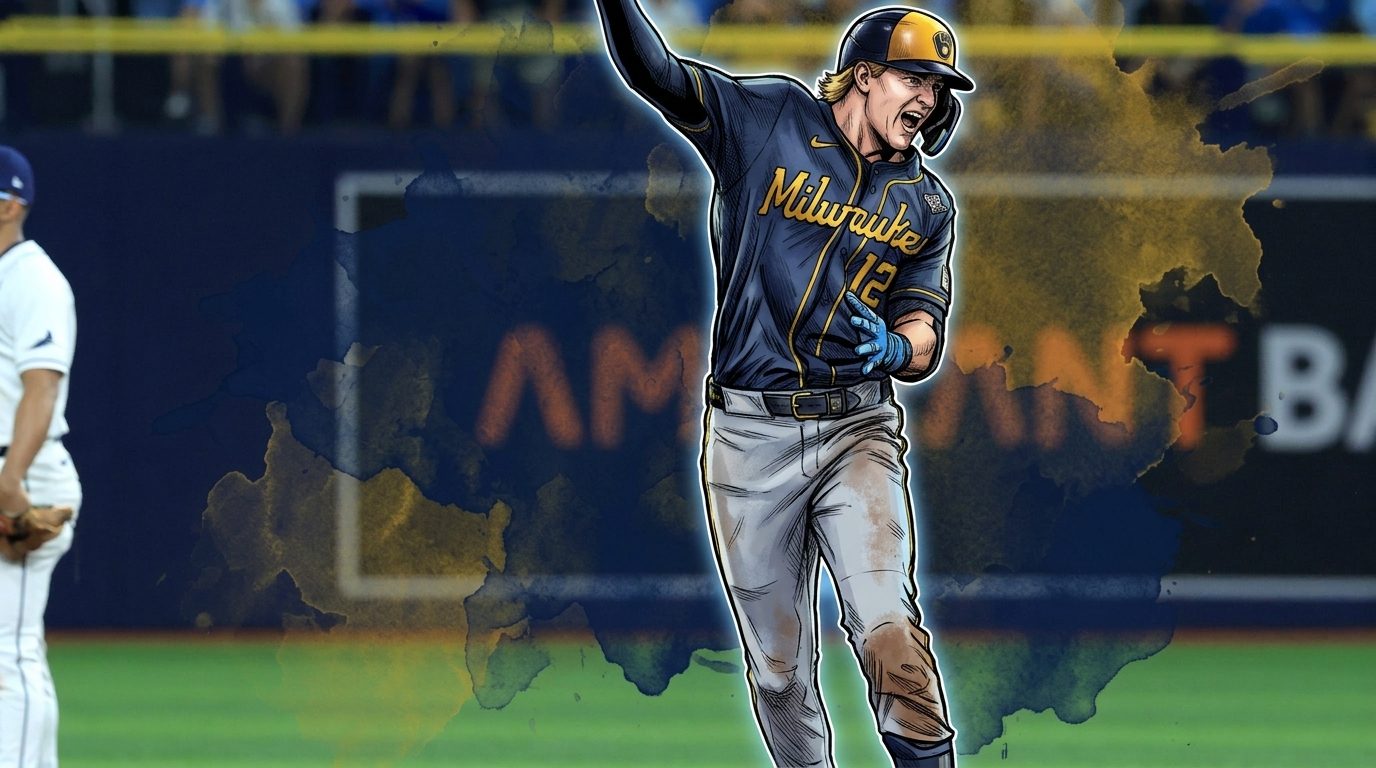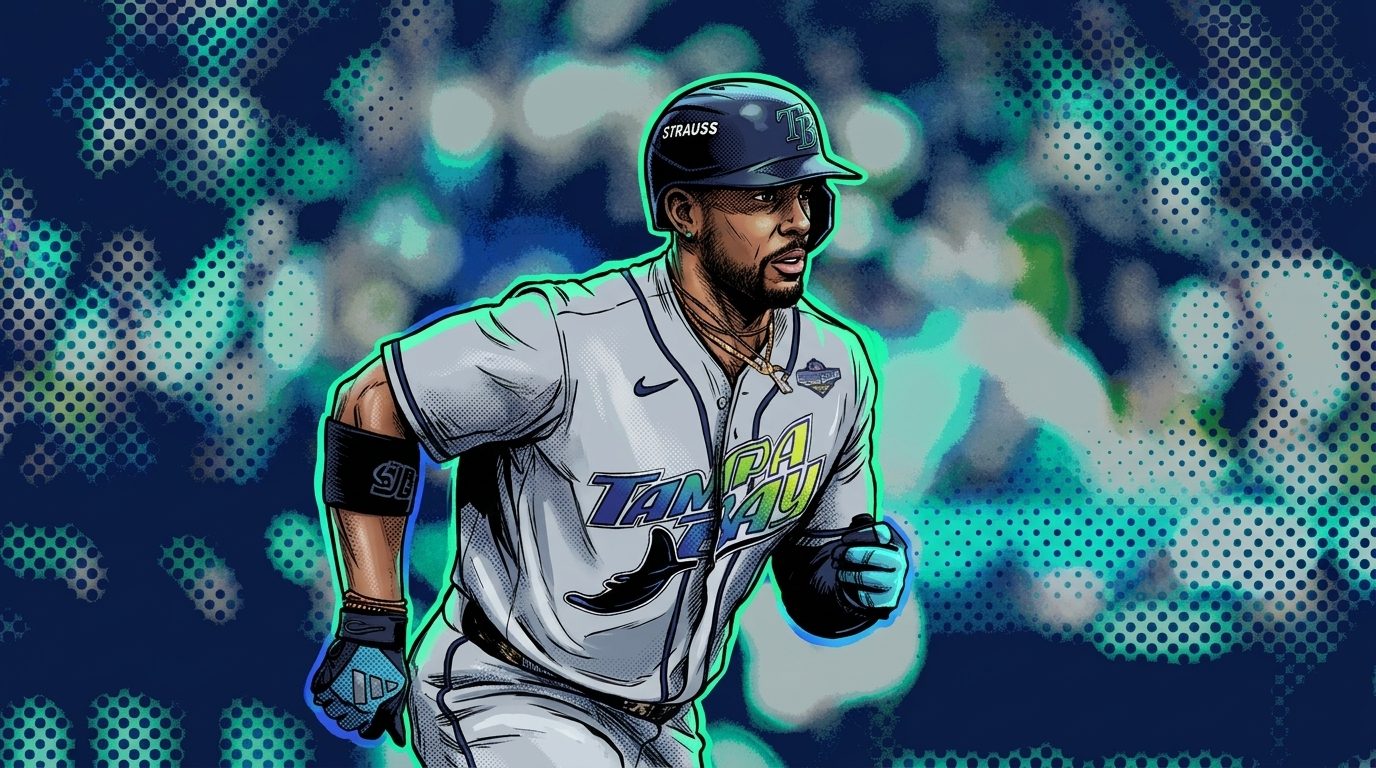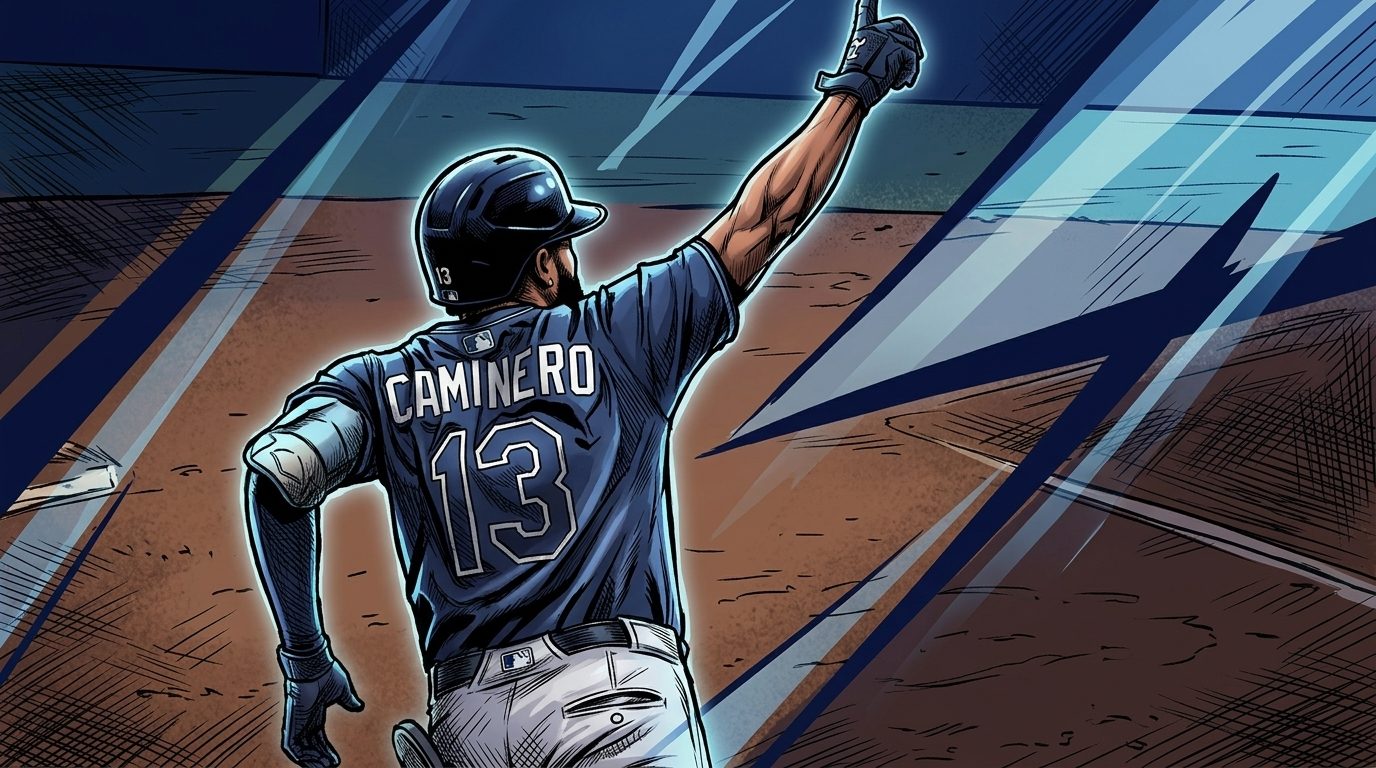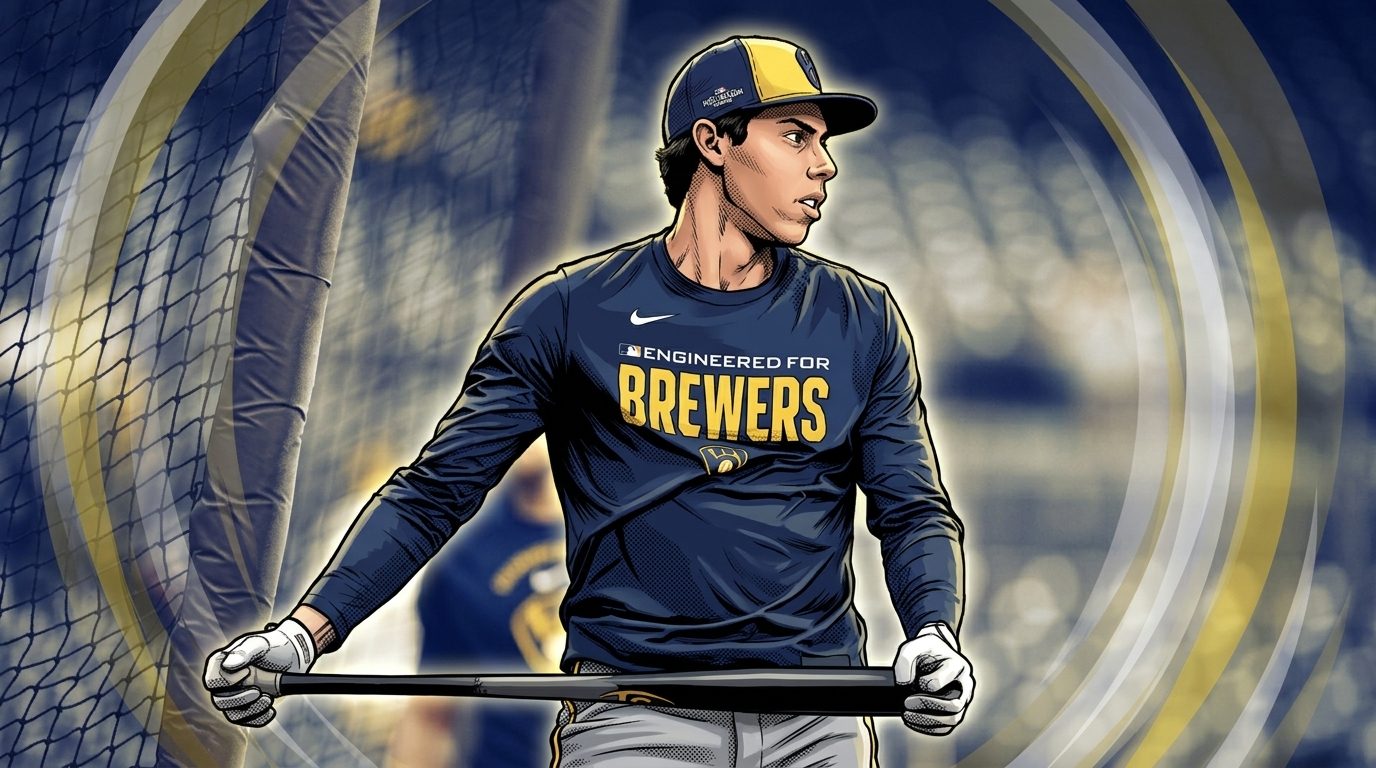

We’ve been watching this build for the better part of a decade — and on Wednesday night at Tropicana Field, the wait finally ended. The Brewers beat the Tampa Bay Rays 4-1 in Game 5, winning the 2026 World Series four games to one for the first title in Milwaukee Brewers history, as NBC Sports reported. Christian Yelich, the franchise’s first-ever team captain, got his ring. Fifty-seven years into the franchise’s existence, and forty-four since the last time this club got anywhere close, Milwaukee finally has a World Series title.
The weight of 1982 and 44 years without a return trip hangs over all of this, even on a night built for champagne. That was the only other time Milwaukee reached a World Series, and it is still the organization’s defining heartbreak: up three games to two on the Cardinals, the Brewers let that lead slip away, dropping Game 6 (a 13-1 humiliation) and then Game 7 (a 6-3 defeat) and watching St. Louis celebrate instead. Anyone who has covered this team for longer than a decade can recite that collapse from memory. It is the reason this title reads less like a box score and more like a debt finally paid.
Yelich’s captaincy arriving weeks before the ring is the detail that keeps nagging at me, in a good way. On September 26, with the regular season winding down, the Brewers named him the first captain in franchise history, as Fox Sports reported. Weeks later, he was spraying champagne as a World Series champion. I don’t think an organization hands out a title like that by accident this late in a pennant race; a front office doesn’t usually bother unless it already believes the room is about to need someone standing at the center of it.
He’s been building toward this since 2018, when Milwaukee acquired him in a trade from Miami and watched him turn into an MVP-caliber hitter almost overnight. The club signed him to a nine-year, $215 million extension in 2020 (the kind of bet that looks obvious only in hindsight), wagering that his prime would overlap with a real contender. Before he arrived, the Brewers had missed the playoffs six straight seasons. Since 2018, they have won six division titles and made the playoffs in eight of nine years — perennial contenders who kept running into October and losing before the stage that actually mattered. This is the first time all of that development has had anywhere to go.
Game 5 itself did not need Yelich’s bat to be decided, which is its own quiet point in favor of what this roster has become. He went 0-for-3 with a hit by pitch, and Milwaukee’s top four hitters combined for just two hits in fifteen at-bats. Cooper Pratt drove in the Brewers’ first run with a second-inning single off Rays ace Drew Rasmussen, scored their second run in the fifth, and added a sacrifice fly for the fourth. William Contreras doubled in a run in the sixth off Garrett Cleavinger. Jacob Misiorowski threw 5 2/3 scoreless innings to win it, finishing the series 2-0 with a 0.84 ERA that belongs in a museum somewhere other than a highlight reel.
Milwaukee’s 2026 World Series run was not a coronation. Milwaukee needed sweeping the Dodgers in the NLCS just to reach this series, then nearly let the Rays claw back in after a Game 4 walk-off loss in extras sent Tropicana Field into a frenzy that, for a night, looked like the start of a collapse this fan base has lived before, as CNN’s live blog chronicled. The Brewers answered the only way that mattered, closing the door in Game 5 instead of opening one for history to repeat.
https://twitter.com/MLB/status/2115643108608061510
Yelich put it simply once it was over: “I don’t know how to describe it. It’s the best feeling ever. All of our fans are here. And I know our city has waited a long time for this. So I’m so happy to bring this home to them. Can’t wait to get back there and celebrate.” Earlier in the postseason, he’d framed the whole run differently: “This is the expectation and the standard we wanted to set going into spring training. It isn’t like we woke up and found ourselves here. This was the goal and where we wanted to be.” Read together, the two quotes track the distance between hoping for something and finally having it sit in your hands.
Contreras was named World Series MVP after hitting .381 across the five games, throwing out four of nine attempted base stealers, and winning ten of thirteen Automated Ball-Strike challenges along the way (a stat line that will look almost fictional the further this postseason recedes). “I think about the city of Milwaukee, the state of Wisconsin,” manager Pat Murphy said afterward. “They pushed us through for sure, and this group of guys right here, this 2026 team will be remembered forever. They deserve that, because they were a team, and I couldn’t be more grateful and more proud to be a Milwaukee Brewer.”
I’ll admit I was on my feet the second Misiorowski got the final out, pacing around the living room instead of writing a single word of this piece. That’s probably not objective. I don’t think it needs to be.
What stands out to me is how little buying had to do with this. Milwaukee built this core gradually, extended it, got unlucky and then lucky with the same group for the better part of a decade, with Yelich as the through-line from the six-straight-miss years to tonight’s trophy. I believe that patience is worth more than the final score, because it’s the difference between a title a front office can repeat and one it only got away with once.
Next up is the more interesting question for a small-market franchise that just proved its model works. Milwaukee’s payroll was never built to chase the next generational free agent, and the roster that just won this will not stay fully intact — Misiorowski’s rookie deal is an asset with an expiration date, and contention windows for teams built like this one tend to run narrower than the ones big markets get to keep open. The 2027 Brewers will look at least a little different. But the lesson of this October, for every fan base that has been told to be patient, is that patience occasionally pays out in full. Milwaukee’s just did.