
We spent last night watching timelines agree on one thing: this World Series, and the Rays’ improbable path to get here, was about to be forgotten in a sweep. One fan’s mid-game verdict aged about as badly as a take can age:
https://twitter.com/shadybiev/status/2115115577647710318
Four hours later, nobody who sat through the end of Tampa Bay’s 4-3, 12-inning win over Milwaukee was calling anything about this series boring. The Rays forced a Game 5 by overcoming a go-ahead rookie homer that should have ended it, an infield error that shouldn’t have mattered, and a pinch-hitter nobody outside Tampa Bay could have named an hour before he won the game.
How Did Cooper Pratt’s Home Run Almost Win Game 4?
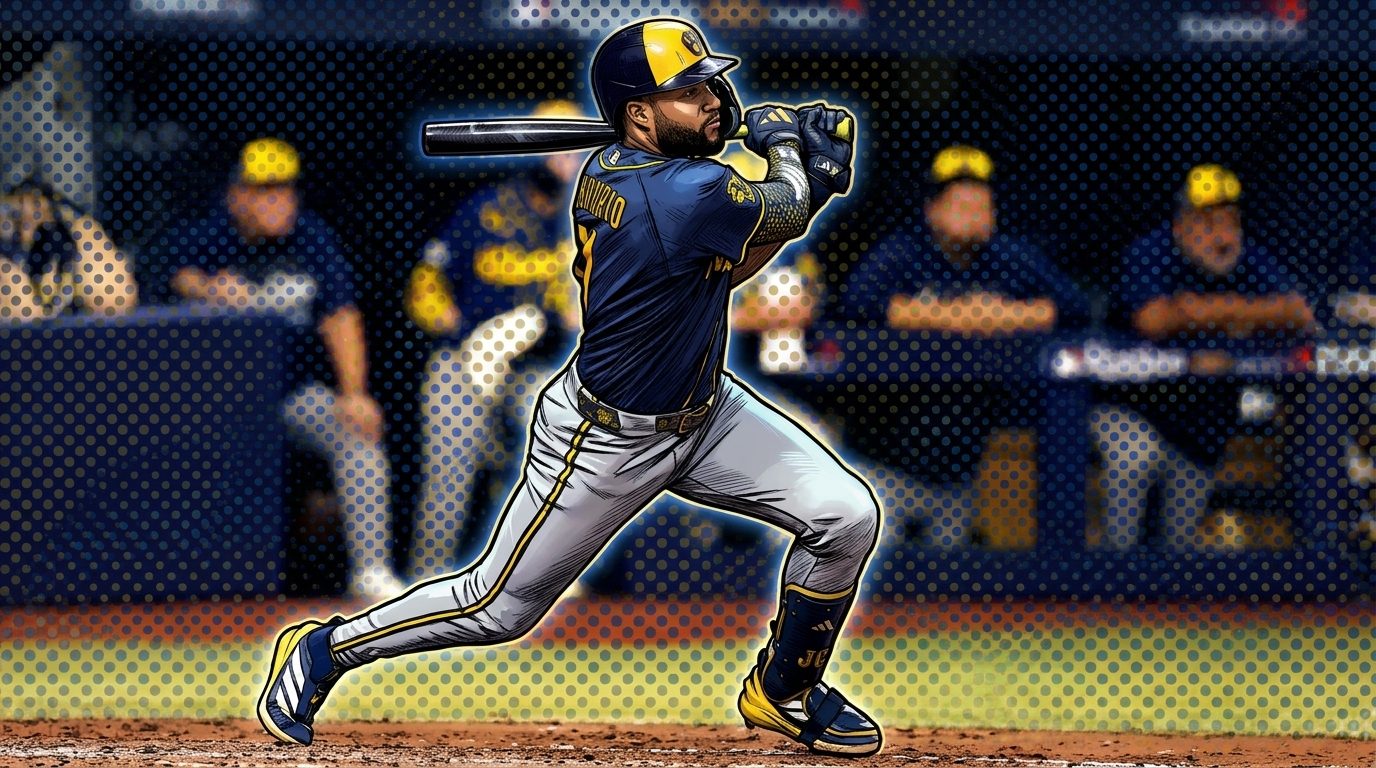
Brewers rookie shortstop Cooper Pratt hit a go-ahead solo home run off Rays reliever Ian Seymour in the top of the 12th, breaking a 2-2 tie and putting Milwaukee three outs from a championship. Pratt finished 4-for-5, the first rookie ever to hit an extra-innings home run in World Series history, and the first rookie with four hits in a potential clincher.
It was the 29th extra-innings homer in Series history. No rookie had ever delivered one, let alone with a championship hanging in the balance. Jeff Passan tweeted right after the ball landed, capturing the moment of maximum certainty:
https://twitter.com/JeffPassan/status/2115293392645292137
That was the mood in the building. Three outs away from a parade, with a Rays bullpen that had just watched a tie turn into a deficit on one swing. Three outs turned out to be the hardest three outs of the series.
What Happened in the Rays’ 12th-Inning Comeback?
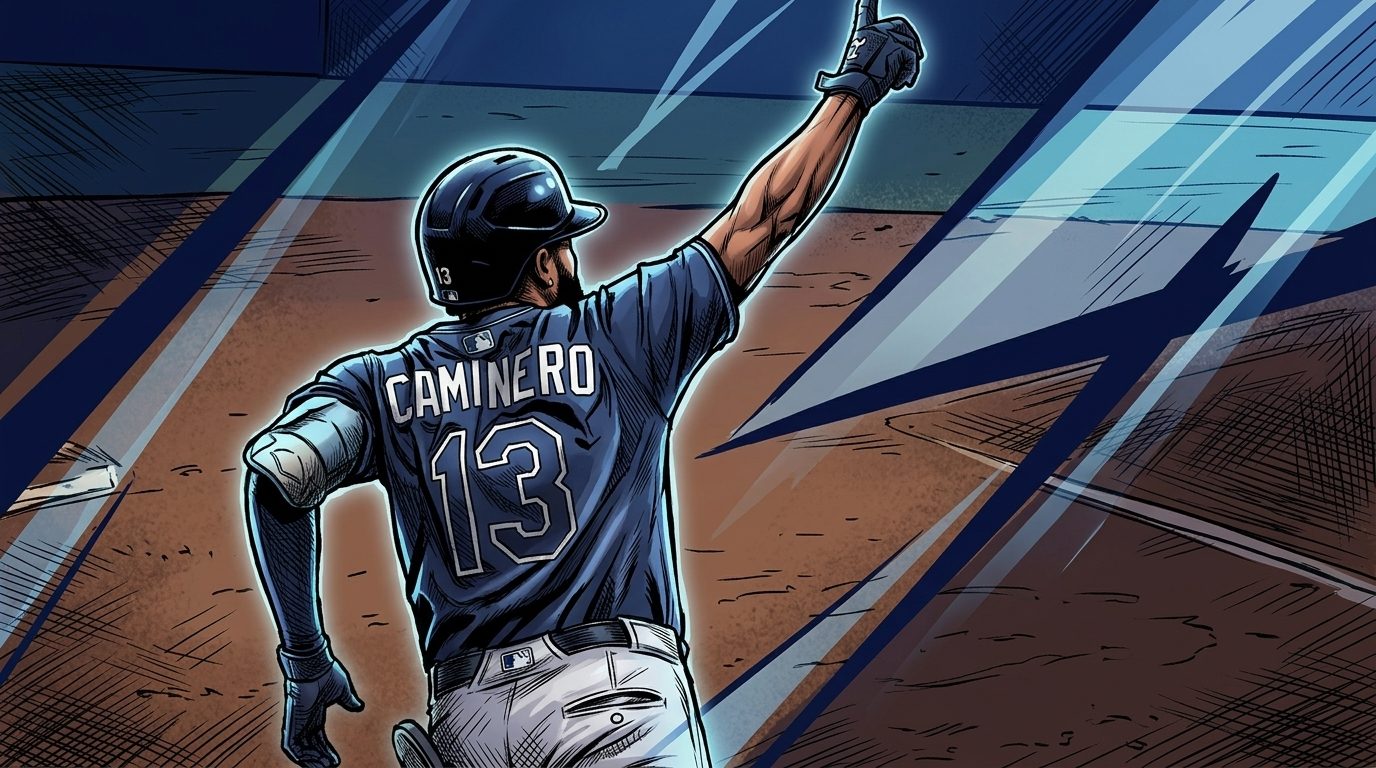
Junior Caminero opened the bottom of the 12th by reaching on a throwing error from Brewers third baseman Joey Ortiz. Liam Hicks and Jonny DeLuca each singled, the second one tying the game at 3, and two batters later pinch-hitter Ben Williamson ended it on the first pitch he saw from reliever Shane Drohan: a chopper over Jake Bauers and into right field, scoring pinch-runner Nick Fortes.
(Caminero appeared to tweak his leg on the play. He told reporters afterward he expects to play Game 5, per manager Kevin Cash.) Chandler Simpson added a single in between to load the bases, meaning three straight Rays reached before Williamson ever saw a pitch. The Rays’ account needed one line:
https://twitter.com/RaysBaseball/status/2115300524274724967
There was no home run to match Pratt’s, no signature swing: just an error, three singles, and a ball that found grass. That’s the whole rally, and also the whole point.
Is Milwaukee’s 3-0 Lead Thinner Than It Looked?
Not as thin as one bad bounce makes it look, but thinner than an eight-game winning streak suggested. Milwaukee already proved it could win tight: the first three games of its NLDS against San Diego were each decided by a single run, and the Brewers won anyway on the back of lineup depth that showed up again and again through Game 3. What they hadn’t done, in eight straight playoff wins, was lose a one-run game that reached extra innings.
(This is the part of the “boring series” discourse that got lazy fast: a team can be dominant and still be one bad bounce from a different outcome, and those aren’t contradictions.) Game 4 was the first time the format asked that specific question, and the answer wasn’t a Rays masterpiece. It was a throwing error from one of the better defensive infielders in the league, followed by three singles that found grass. That’s a different failure than getting outplayed for nine innings. It’s baseball getting weird for one half-inning, and a 3-0 lead that looked like a formality is now a 3-1 lead with a letdown attached to it.
I’ll cop to a rooting interest here — Wisconsin runs deep enough in my family that this one got discussed on FaceTime with my dad before the box score even finished loading — but strip the bias out and the record still says the same thing: Milwaukee has been the better team all October, and one bad throw doesn’t undo that.
Tampa Bay became just the fifth team in World Series history to force a Game 5 after trailing 3-0. A loss last night would have let Milwaukee become only the second team ever to sweep its League Championship Series and the World Series in the same postseason — joining the 1976 Reds, who did it when the LCS was still best-of-five. Instead, the Rays bought themselves one more game and showed Milwaukee a version of pressure it hadn’t faced yet this October.
What Changes for World Series Game 5?
Jacob Misiorowski starts for Milwaukee on four days’ rest. He’s the favorite for NL Cy Young, he’s 1-0 in these playoffs with a 2.70 ERA, and he won Game 1. If any pitcher is built to make a blown lead look like a footnote, it’s him. Tampa Bay hasn’t confirmed its starter in anything we can point to, which tells you where the attention is: this is Misiorowski’s game to win or lose, not a pitching matchup story. (Somewhere, a broadcast producer is already building the graphics package.)
But Game 5 isn’t really a test of Milwaukee’s pitching. It’s a test of whether the version of the Brewers that showed up in the 12th inning, the one that handed away an out and then couldn’t find a seventh, was a one-night glitch or a preview. I think it’s the former. A team doesn’t reel off eight straight playoff wins by accident, and one bad relay throw in extra innings isn’t evidence of a deeper flaw. It’s evidence that nobody’s bulletproof for 27 consecutive outs. Milwaukee still has the better roster, the better recent form, and now the better starting pitcher walking to the mound. The Rays proved last night that this series has a pulse. They still have to win four of these before anyone rewrites the ending.
What to watch for: how the Brewers’ bullpen responds to high-leverage innings again so soon, and whether Ortiz, who made no excuses after the game, gets a chance at a defensive redemption play before this series ends. Baseball tends to offer those.