2026 FIFA World Cup
Spain beat Argentina 1-0 to win the first 48-team FIFA World Cup, hosted across the US, Canada and Mexico in 2026, for its second world title.
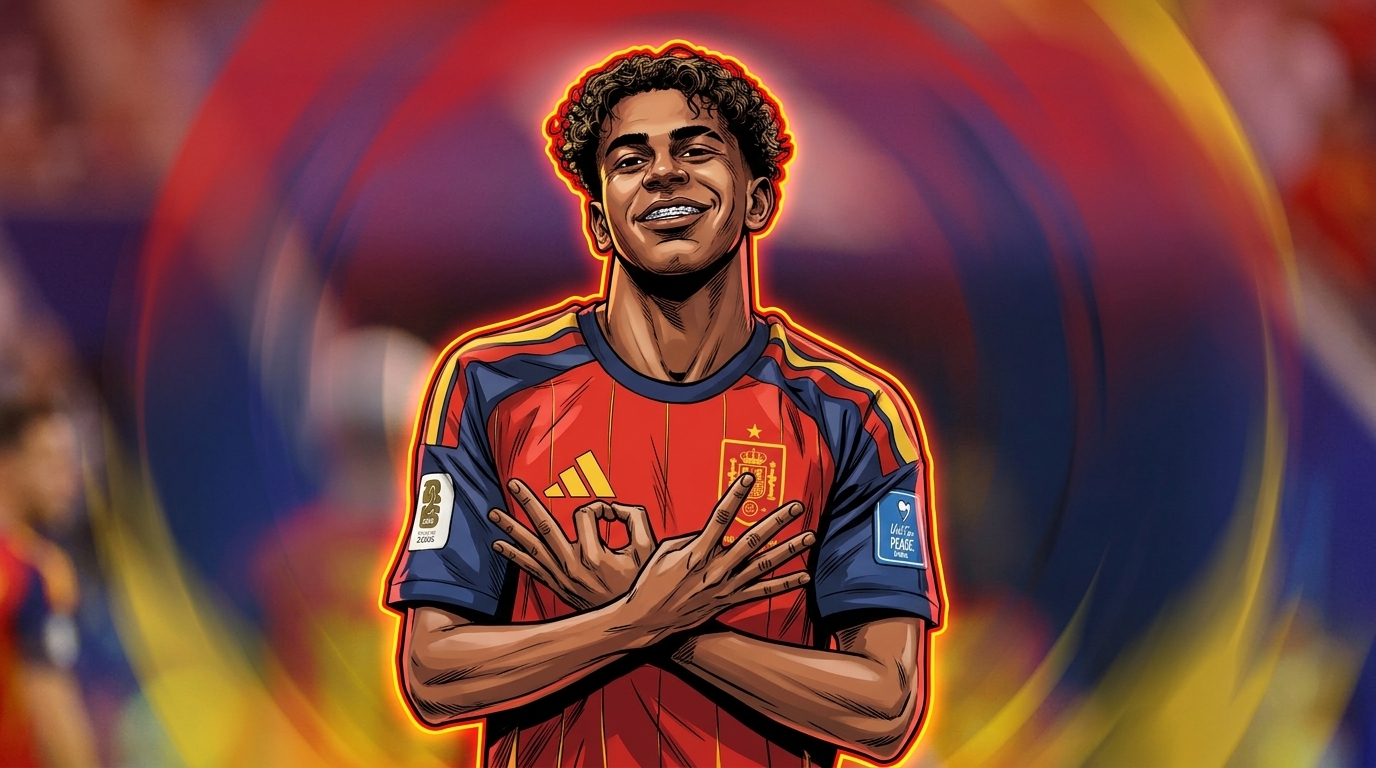
Spain won the 2026 FIFA World Cup, beating Argentina 1-0 after extra time on July 19, 2026 to claim the sport’s biggest prize for the second time in its history. Ferran Torres’s goal in the 106th minute at MetLife Stadium in East Rutherford, New Jersey settled the first World Cup staged jointly by three nations and the first contested by 48 teams — a month-long, cross-continental tournament that ended with the same generational Spanish core that had won UEFA Euro 2024 lifting the trophy over Lionel Messi’s Argentina, the defending champions.
| Fast facts | |
|---|---|
| Champion | Spain (2nd title; first in 2010) |
| Runner-up | Argentina |
| Dates | June 11 – July 19, 2026 |
| Venues | 16 stadiums across the United States, Mexico and Canada |
| Final result | Spain 1-0 Argentina (a.e.t.), MetLife Stadium |
| Golden Ball | Rodri (Spain) |
| Attendance / audience | ~6.8M total (6,810,966), a record; final drew 38.9M avg U.S. viewers on Fox |
The setup
The 2026 edition was the 23rd men’s World Cup and the first to expand to 48 teams, grouped into 12 groups of four rather than the previous eight groups of four. The top two from each group, plus the eight best third-placed sides, advanced to a new round of 32 — adding a knockout round and pushing the schedule to 104 matches, up from 64 in Qatar 2022. The tournament was hosted across 16 cities: 11 in the United States (which staged 78 matches, including the final), three in Mexico and two in Canada, each of the latter two hosting 13 matches.
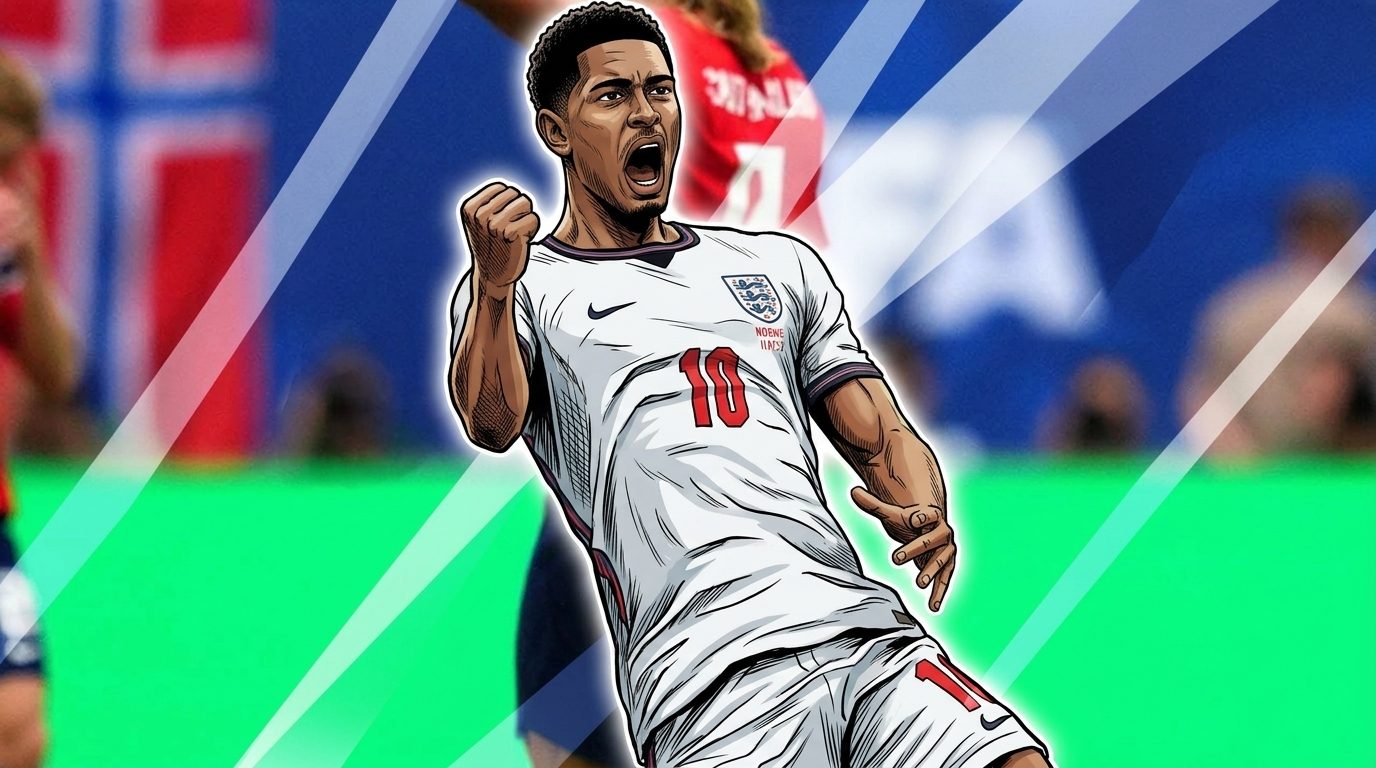
The larger field opened the door to first-timers, with Cape Verde, Curaçao, Jordan and Uzbekistan all making their World Cup debuts. Spain arrived as reigning European champions and one of the pre-tournament favorites, built around midfielder Rodri, teenage winger Lamine Yamal, defender Pau Cubarsí, goalkeeper Unai Simón and forward Ferran Torres. Argentina came in as the holders, still anchored by Messi, with a knockout-hardened spine of Emiliano Martínez, Cristian Romero, Enzo Fernández and Julián Álvarez. France, led by Kylian Mbappé, and England, built around Jude Bellingham and Bukayo Saka, rounded out the four highest-ranked entrants — all four of which would reach the semifinals, a first in World Cup history.
How it happened
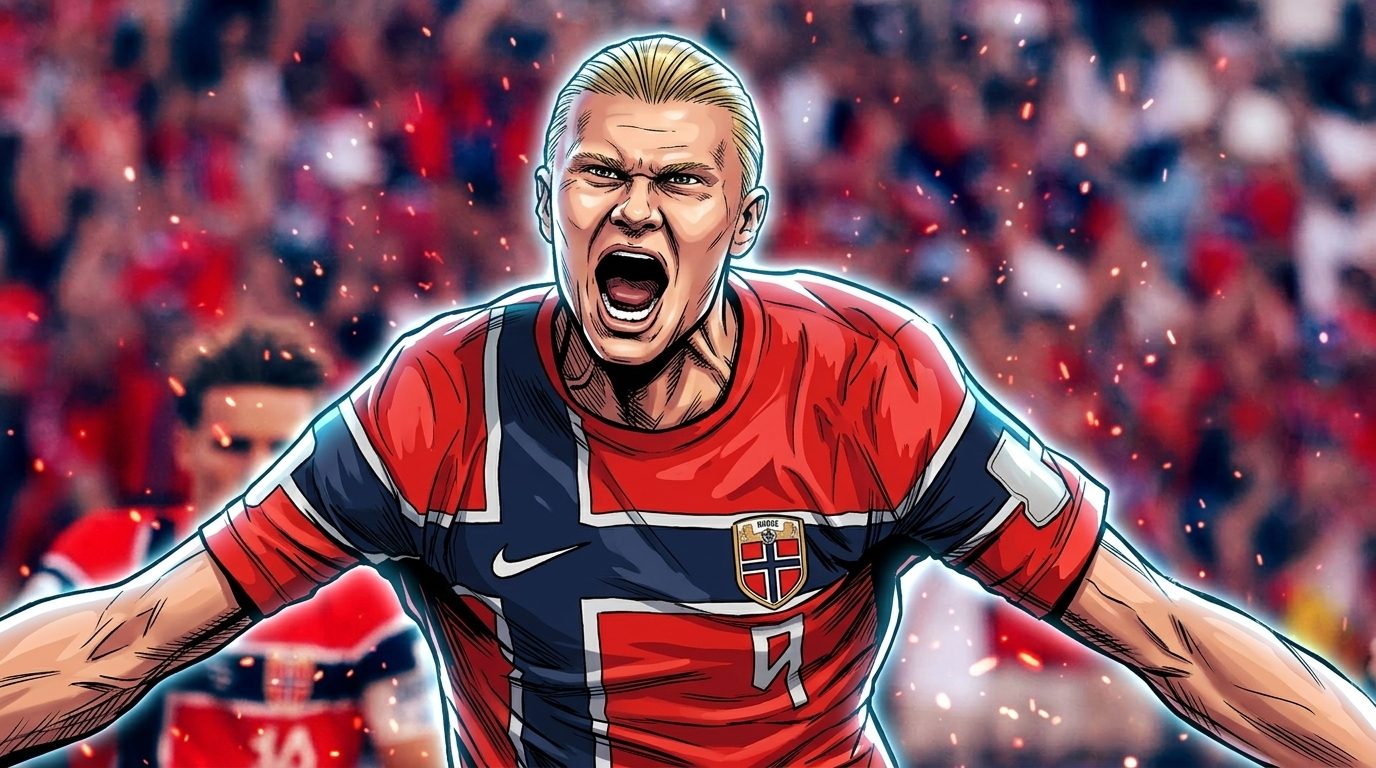
The tournament opened on June 11, 2026 and the group stage quickly produced its share of shocks. Cape Verde, on debut, held Spain to a 0-0 draw and went on to reach the round of 32, while Spain recovered to beat Saudi Arabia 4-0 and Uruguay 1-0 to top Group H. The knockout rounds were harsher still for the traditional powers: Paraguay eliminated Germany on penalties, a result reported as one of the tournament’s biggest upsets, and Brazil fell to Norway in the round of 16, undone by an Erling Haaland brace.
Spain’s march to the final was defined by its defense. After topping its group, La Roja beat Austria 3-0 in the round of 32, edged Portugal 1-0 in the round of 16, and got past Belgium 2-1 in the quarterfinal — conceding the only goal it would allow all tournament — before shutting out France 2-0 in the semifinal. Argentina took the longer road, surviving Cape Verde 3-2 and Egypt 3-2, then Switzerland 3-1 in extra time, before beating England 2-1 in the other semifinal to set up a rematch of Europe versus South America.
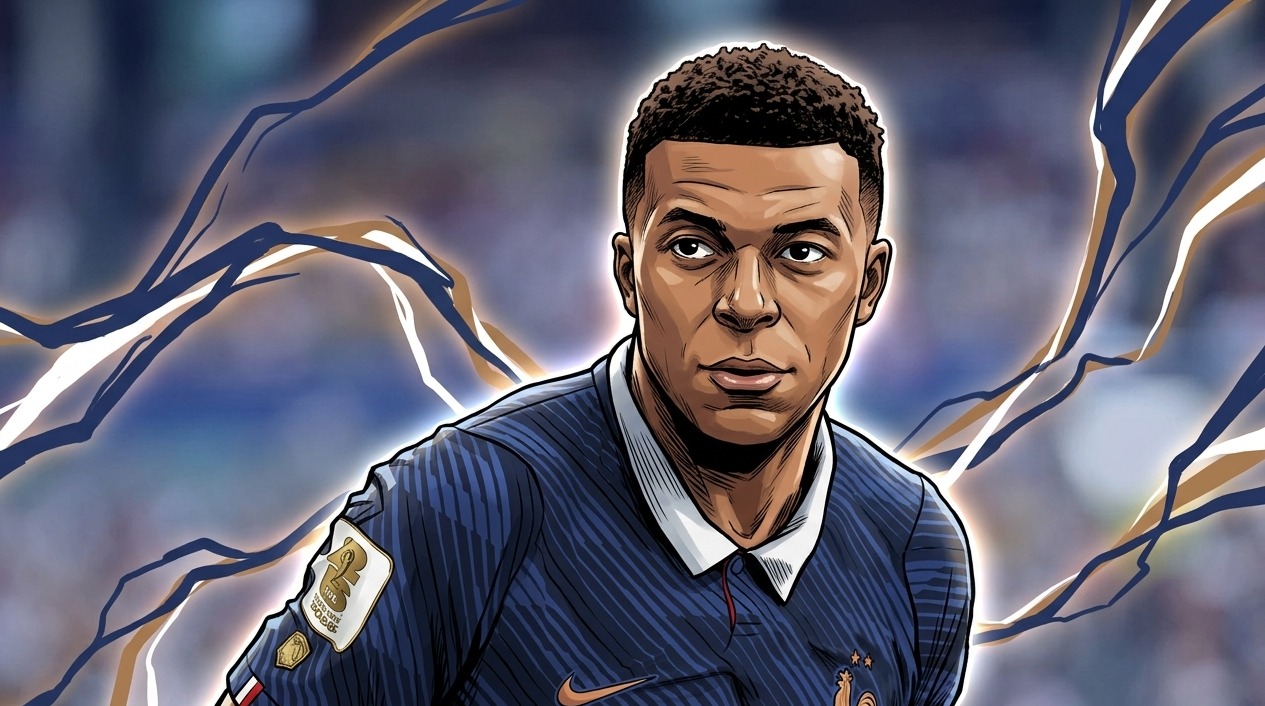
England and France, the two beaten semifinalists, met in the third-place match in Miami Gardens on July 18, 2026, where England raced to a four-goal lead and then survived a France comeback to win 6-4 — the highest-scoring third-place game in World Cup history, capped by a Saka hat trick as Mbappé’s goals moved him clear atop the scoring chart.
The final, a day later, was a tense, low-scoring affair. Spain and Argentina were level through 90 minutes before Ferran Torres struck in the 106th to win it 1-0, with Emiliano Martínez turning in a defiant goalkeeping display in defeat. The result made Spain the first team to win a World Cup while conceding only a single goal across the entire tournament, and denied Messi a second world title in what was widely framed as his final World Cup.
By the numbers
Spain’s eight-match run to the title:
| Stage | Match | Score | Note |
|---|---|---|---|
| Group H | Spain vs Cape Verde | 0-0 | Debutants hold the favorites |
| Group H | Spain vs Saudi Arabia | 4-0 | |
| Group H | Spain vs Uruguay | 1-0 | Spain top the group |
| Round of 32 | Spain vs Austria | 3-0 | |
| Round of 16 | Spain vs Portugal | 1-0 | |
| Quarterfinal | Spain vs Belgium | 2-1 | Only goal Spain conceded all tournament |
| Semifinal | Spain vs France | 2-0 | |
| Final (Jul 19) | Spain vs Argentina | 1-0 (a.e.t.) | Torres 106’; second Spanish title |
Per Wikipedia and the FIFA tournament record.
The record
Per Wikipedia, tournament totals and champion record.
Honors
- Spain — 2026 FIFA World Cup champions
- Kylian Mbappé — adidas Golden Boot (10 goals)
- Rodri — adidas Golden Ball
- Unai Simón — Golden Glove
- Pau Cubarsí — Best Young Player
- Lionel Messi — Silver Boot
- Jude Bellingham — Bronze Boot
- Netherlands — FIFA Fair Play Award
Per the official award list and Wikipedia.
Mbappé’s 10 goals also made him, per reporting, the all-time leading scorer in men’s World Cup history and the first men’s player to win the Golden Boot twice, having also topped the chart in 2022.
The arguments
The first 48-team World Cup left two debates that have not settled. The first concerns the format itself. Critics, quoted across tournament coverage, argued that expanding to 104 matches diluted the group stage, stretched the calendar and added to player workload, producing a slate padded with lopsided results. Supporters countered that the tournament delivered its widest-ever field — with Cape Verde, Curaçao, Jordan and Uzbekistan reaching the sport’s biggest stage for the first time — alongside record aggregate attendance of roughly 6.8 million and, in the United States, the most-watched soccer telecast in the country’s history, a final that averaged 38.9 million on Fox and reached 62.8 million combined with Telemundo and Peacock.
The second debate is about Spain’s place in history. One camp holds that a champion that conceded a single goal in eight matches, beating Portugal, Belgium, France and Argentina in succession, ranks among the most complete title runs the tournament has produced. Others noted that Spain won the final in extra time by a lone goal, and that several of the pre-tournament contenders — Germany, Brazil and the Netherlands among them — exited early, framing the path as less punishing than the scoreline of dominance suggests. As with most such arguments, neither side has claimed the last word.
Why it matters
The 2026 World Cup was the sport’s largest and most-watched event to that point, the first shared by three host nations and the first to seat 48 teams, and it doubled as the United States’ most prominent turn as a soccer host since 1994. For Spain, it was a second star and confirmation of a golden generation that had already won a continental title; for Argentina and Messi, it was a near-miss at back-to-back crowns. However the format debate resolves, the 2026 tournament reset the scale of the World Cup, and every edition that follows will be measured against the month North America staged in the summer of 2026.