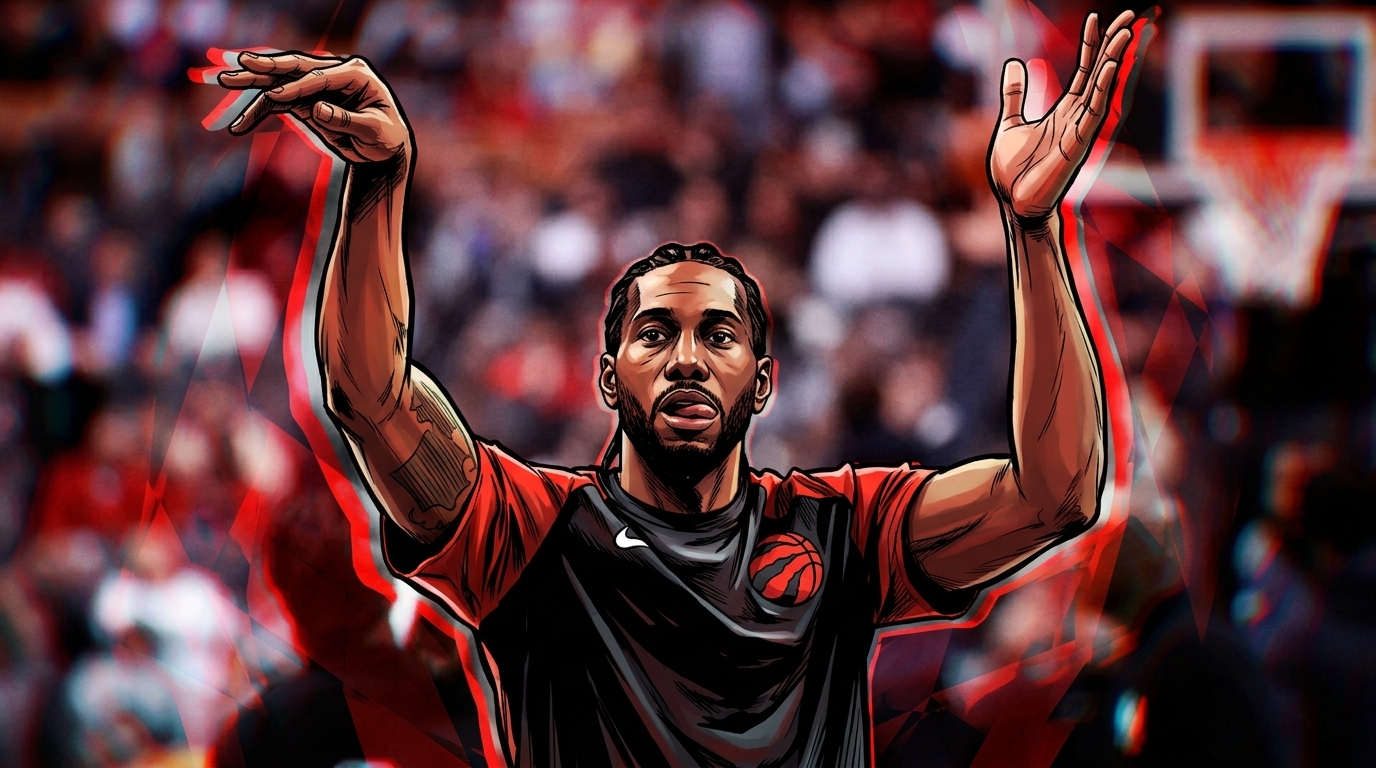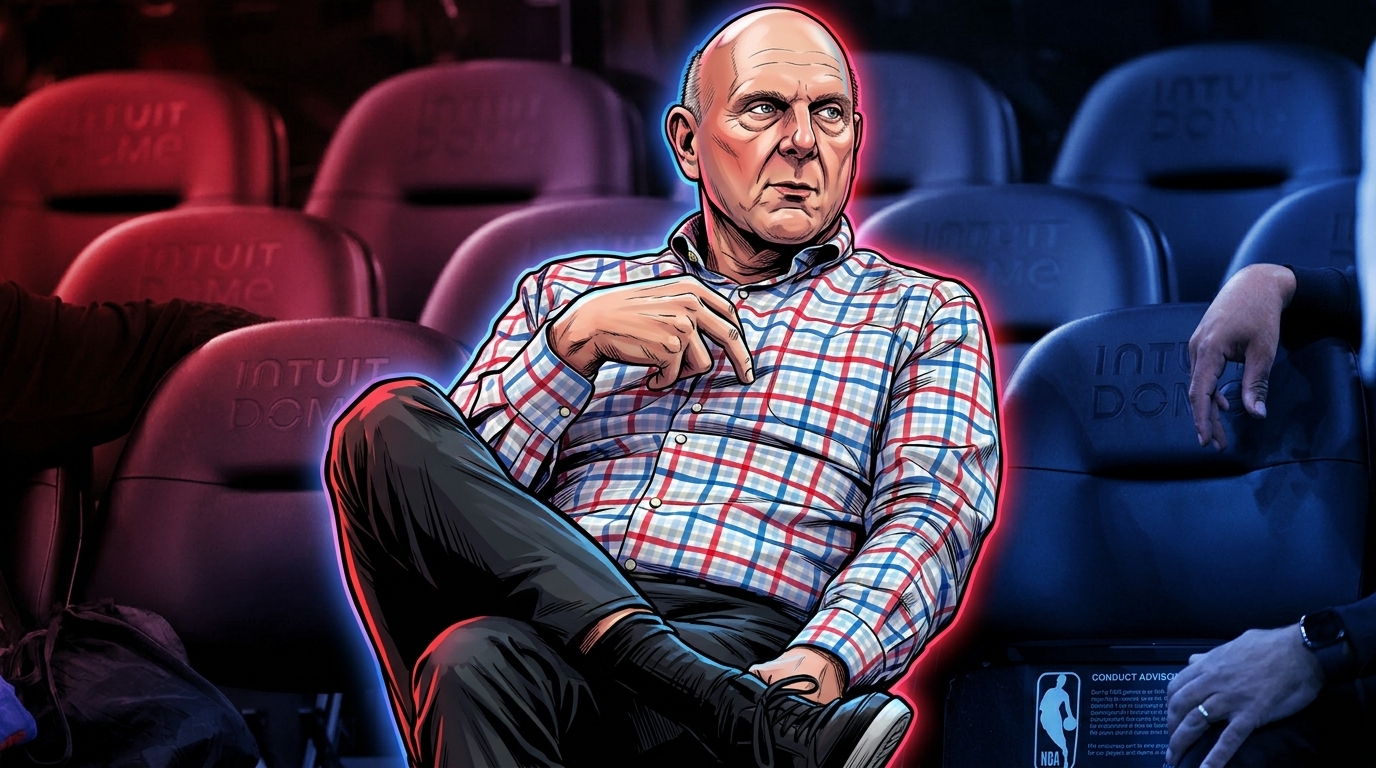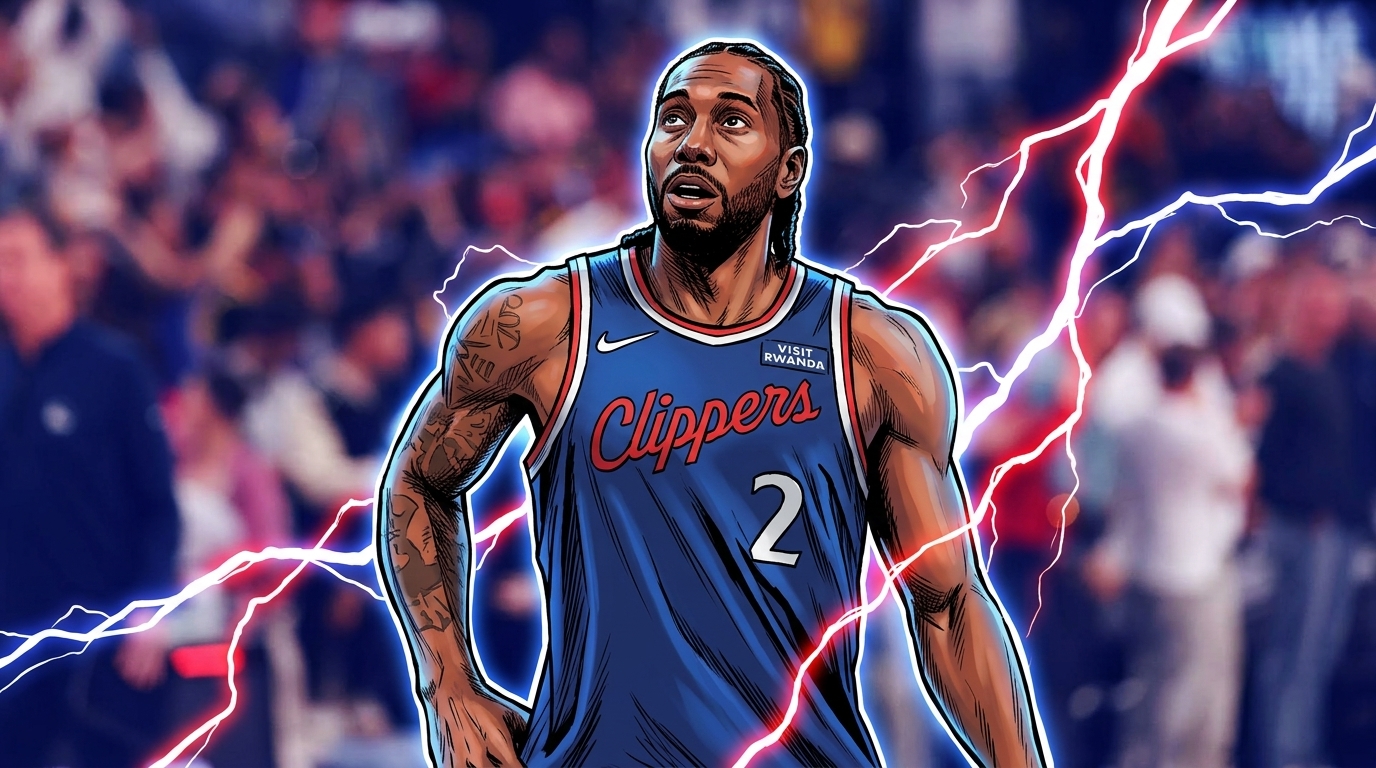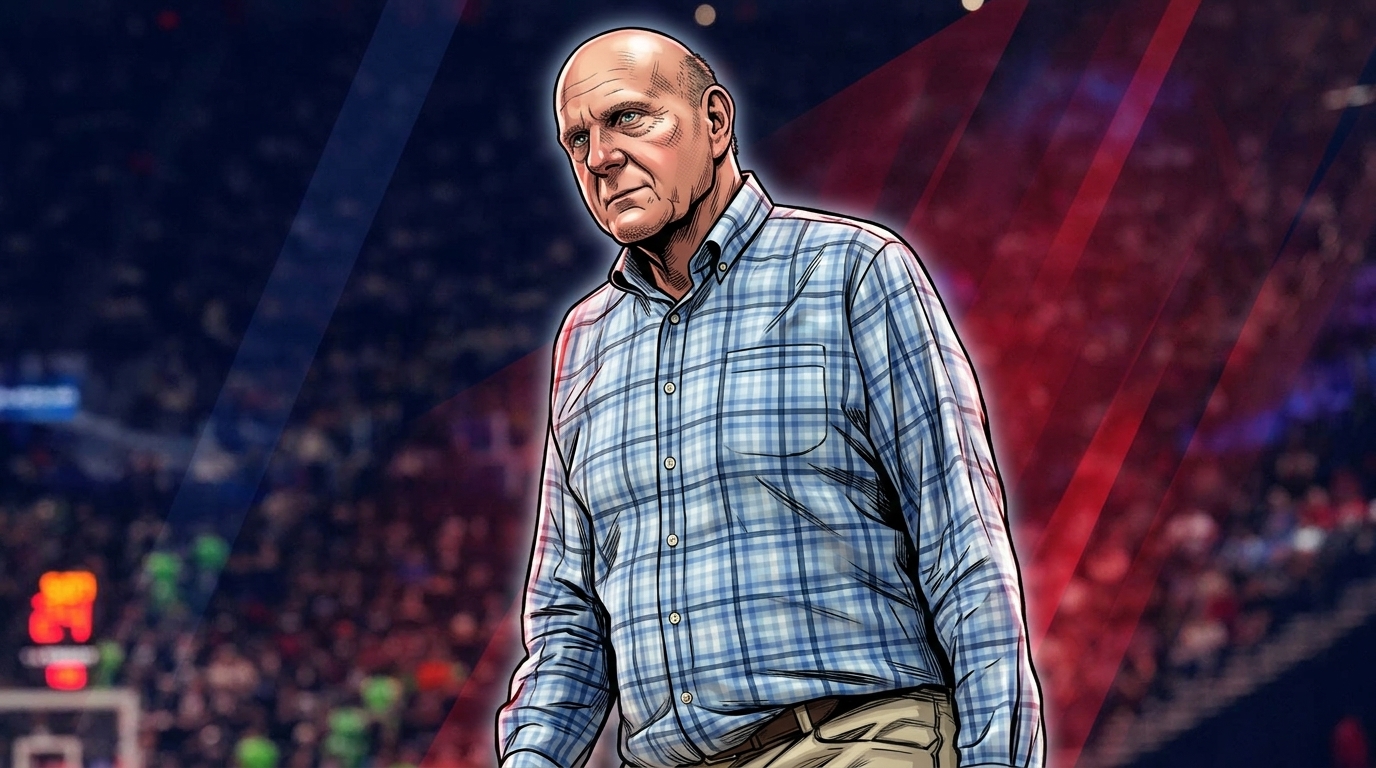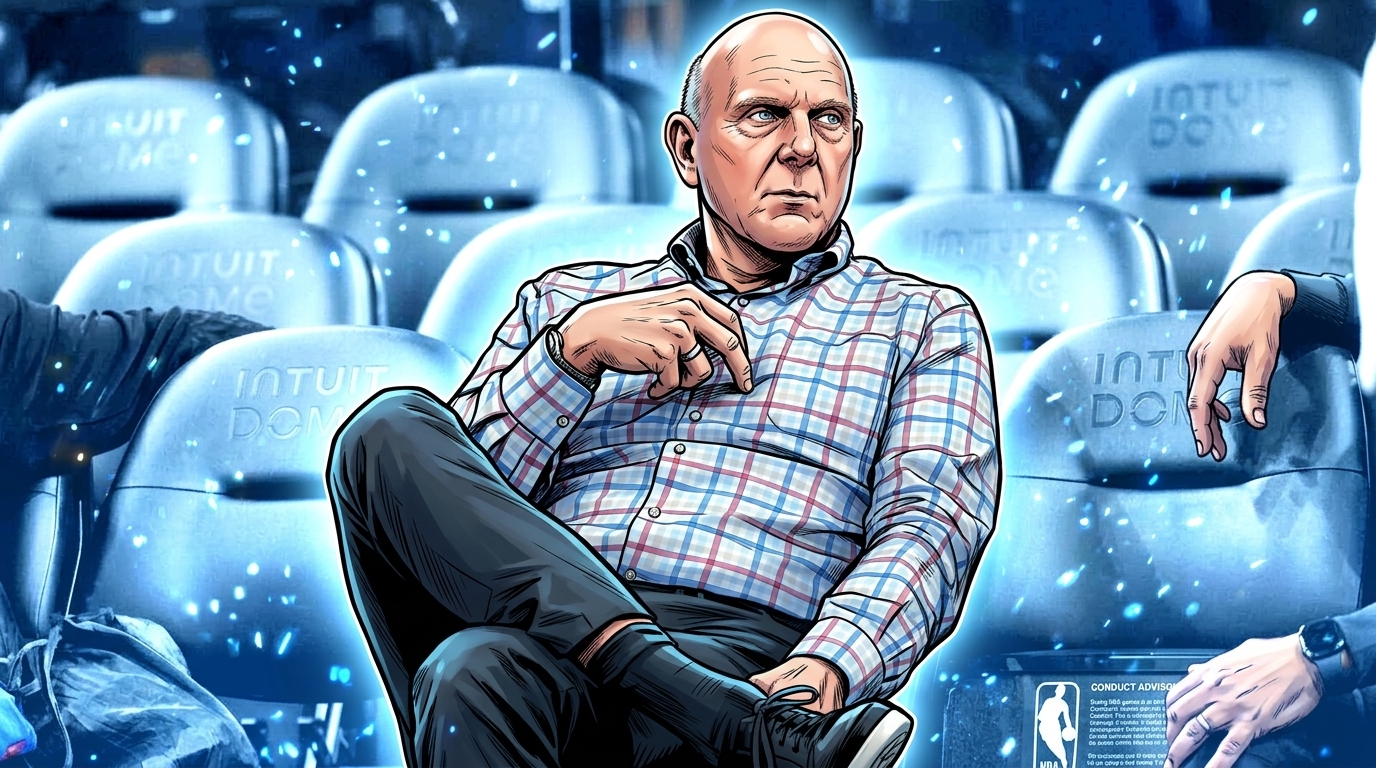

Five forfeited first-round picks. A $30 million fine. Steve Ballmer was suspended without pay for a year, along with two more Los Angeles Clippers executives suspended right alongside him. That’s what the NBA did to a team for funneling money to Kawhi Leonard through four side deals with companies that did business with the franchise, and I spent the summer assuming the league had finally found a floor under salary cap circumvention. Then I read what the Milwaukee Bucks are accused of doing with Gary Trent Jr., and now I want to find out whether that floor holds when the team isn’t owned by a $12 billion tech founder everyone already enjoys rooting against.
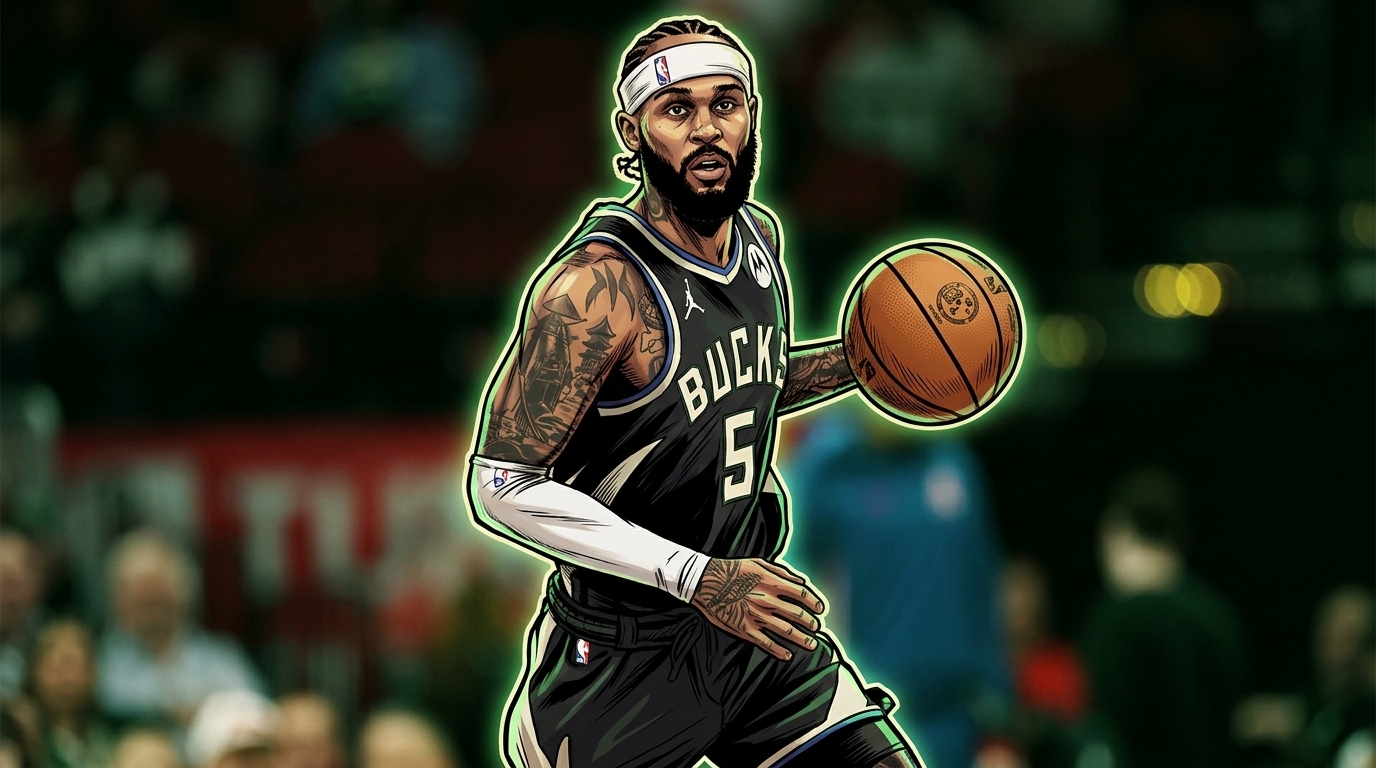
The mechanics go like this. Trent signed two straight below-market deals in Milwaukee, $2.6 million and then $3.7 million, the kind of prove-it money a role player takes because he’s building trust, not leverage. Then in July, with Early Bird rights secured, the Bucks handed him a four-year, $64 million contract extension. A team proud of a deal like that announces it. Milwaukee sat on this one for nearly two weeks into free agency, long enough that every other front office had already spent its cap space and had no reason left to go check whether Milwaukee’s math made sense.
The NBA is now investigating whether that sequence, two prove-it deals followed by a below-market wink followed by a franchise-altering payday, was agreed to ahead of time. That’s the same species of arrangement the league spent roughly a year prosecuting the Clippers for. Leonard got paid through Aspiration Partners and Boingo Wireless instead of a normal second contract, and the league called it cap circumvention once it finally proved it. Nobody has proven the Bucks did the same thing to Trent. The NBA hired the law firm Hecker Fink to find out, and both Milwaukee and Trent’s camp at Klutch Sports are reportedly cooperating, which is the polite way of saying they know how this looks.
I spent eighteen months out of college at a housing policy nonprofit, and the only thing that job taught me about institutions that write their own enforcement rules is that a rule only means something if it gets applied the same way twice. I’ve watched enough of them dodge that standard to know bullshit dressed up as a scheduling coincidence when I see it.
The real fight in the Clippers case was whether the league would actually punish a team for arranging Leonard’s side deals, not whether Steve Ballmer made an easy villain, a guy nobody in the discourse was ever going to defend.
Milwaukee doesn’t have that problem.
Milwaukee just traded Giannis Antetokounmpo and Bobby Portis to Miami on the eve of the draft and is rebuilding around a return headlined by Tyler Herro. There’s no sympathetic villain here, no owner the league gets to make an example of for the discourse’s benefit. There’s a small-market team mid-teardown, quietly guaranteeing $64 million to a guy who shot 38.7 percent last year, his worst season since he was a rookie in Portland, while the front office was busy explaining to season-ticket holders why the best player in franchise history was gone.
That’s the actual test here, and it has nothing to do with whether Trent deserved the money. It’s whether the league treats a quiet, sympathetic organization with the same seriousness it just applied to a franchise nobody likes. Shams Charania confirmed the investigation is real, not internet rumor:
https://twitter.com/ShamsCharania/status/2077788587416850733
If the league finds nothing, fine. The Bucks get to say the timing was a coincidence, and Trent gets to keep the extension he apparently earned twice, once with his play and once with his patience. But if Hecker Fink comes back with anything close to what they found in Los Angeles, and Milwaukee draws a fraction of what the Clippers drew (a fine that rounds to a rounding error, a suspension that’s really a paid vacation), then the lesson from the Kawhi case was never “cap circumvention gets punished.” It was “cap circumvention gets punished when the owner is rich enough and unlikeable enough that nobody minds watching him lose five first-round picks.” Everybody else just gets to hope the league isn’t paying attention.