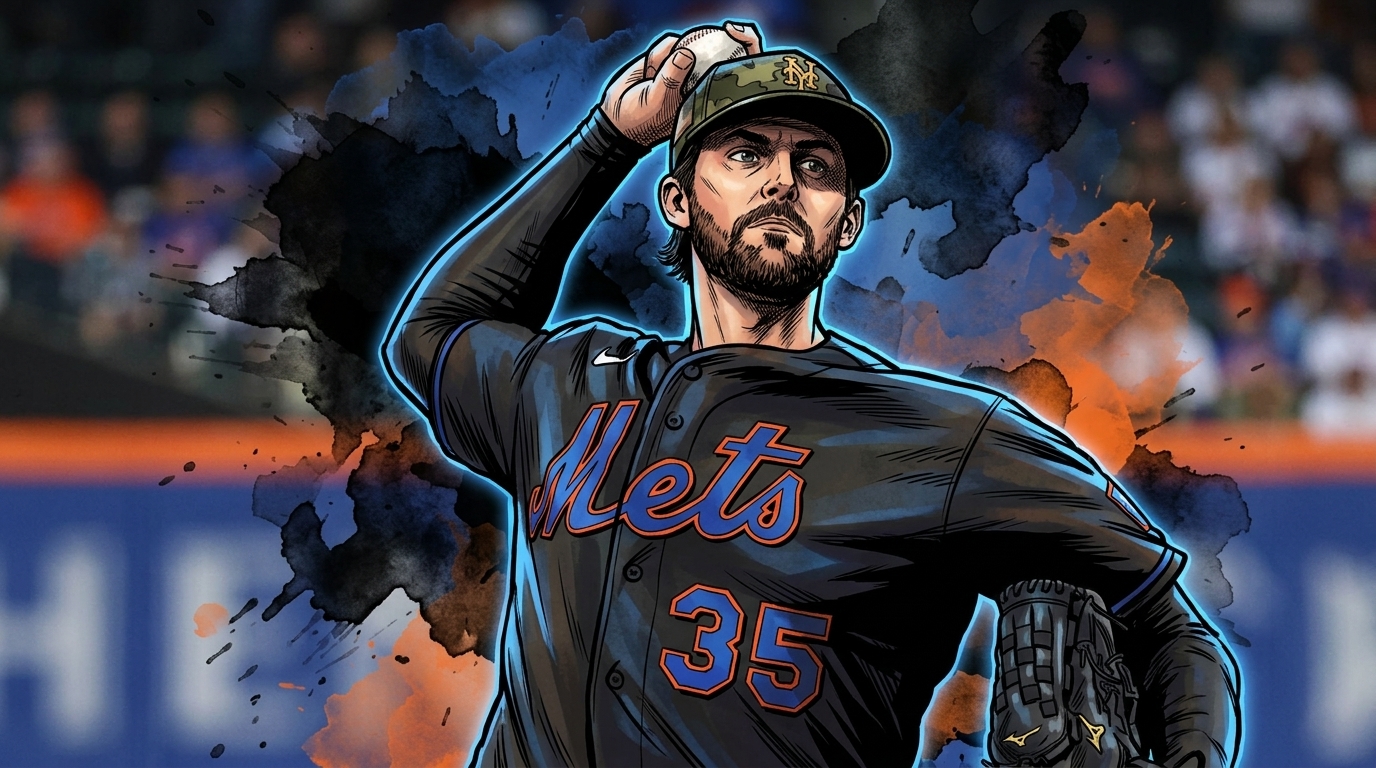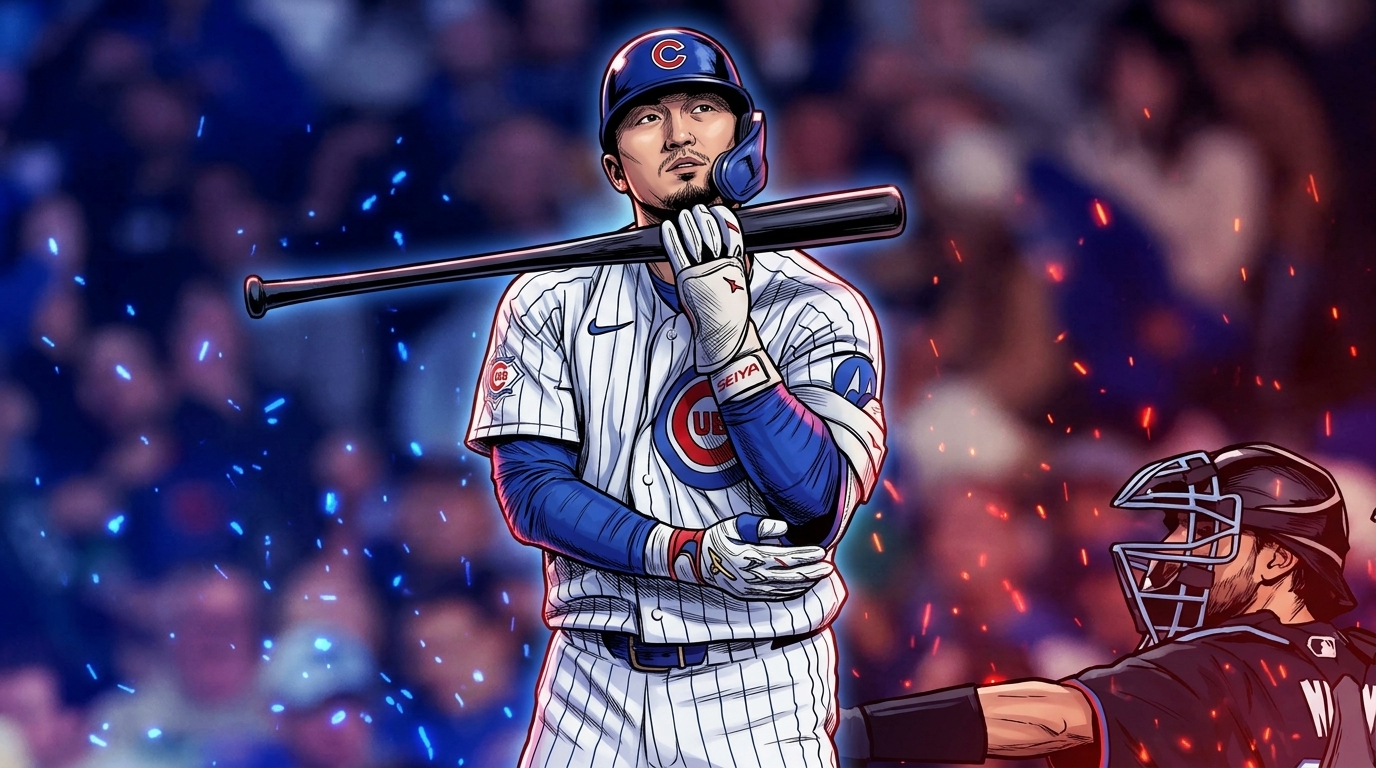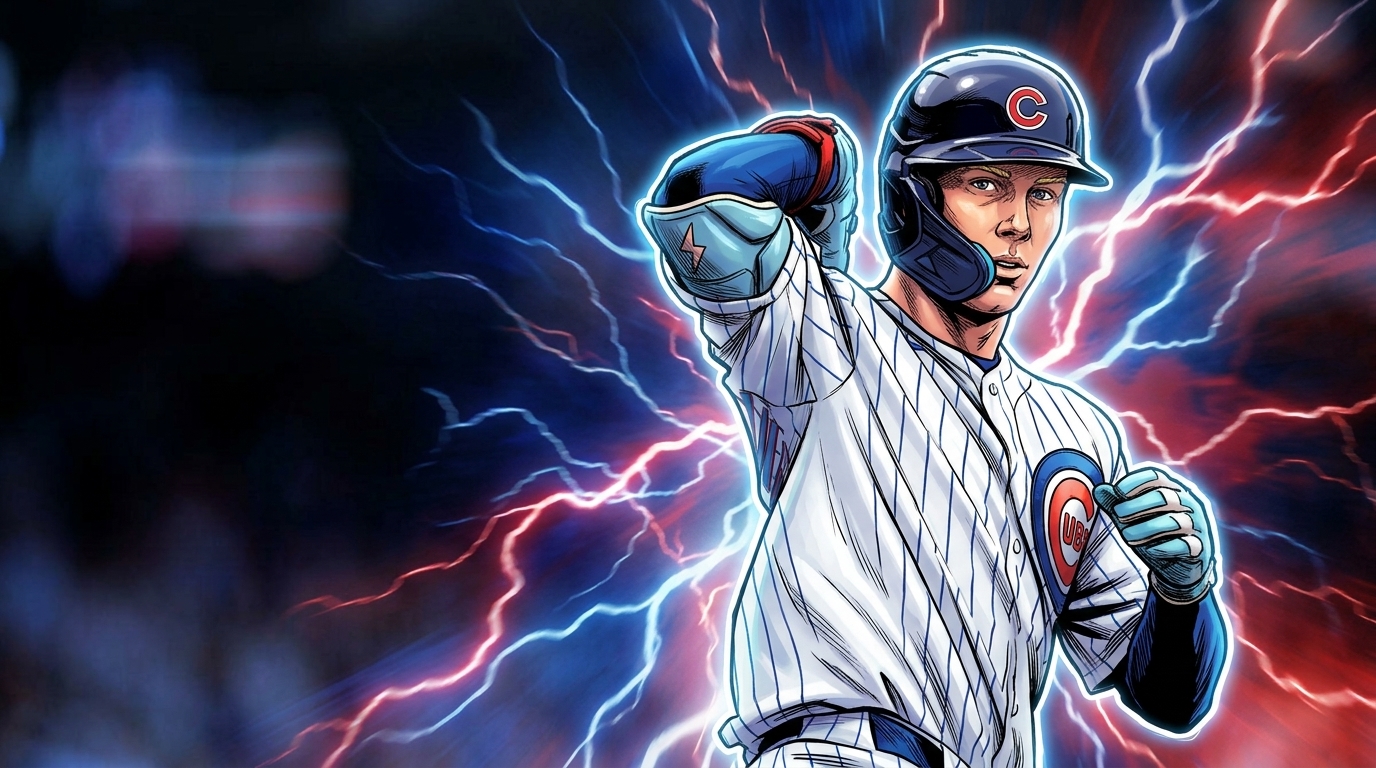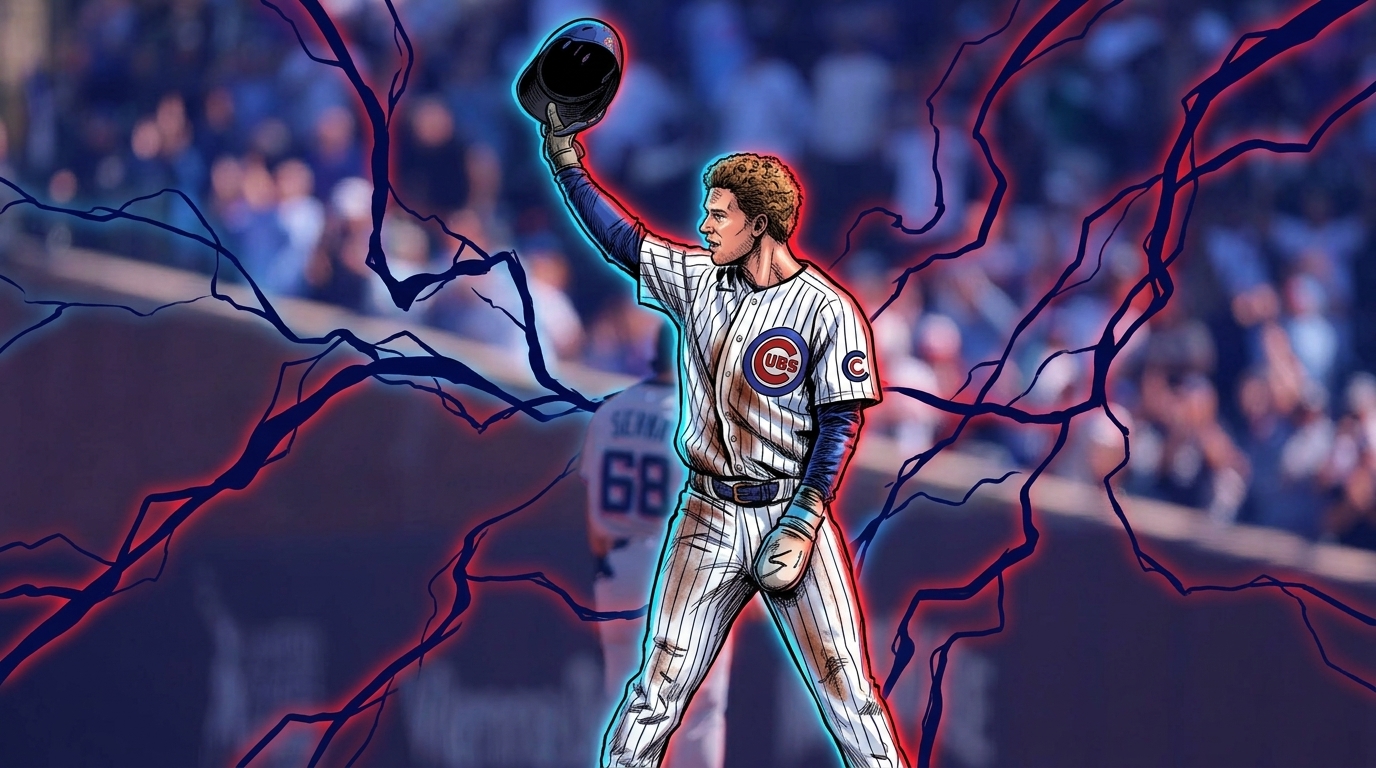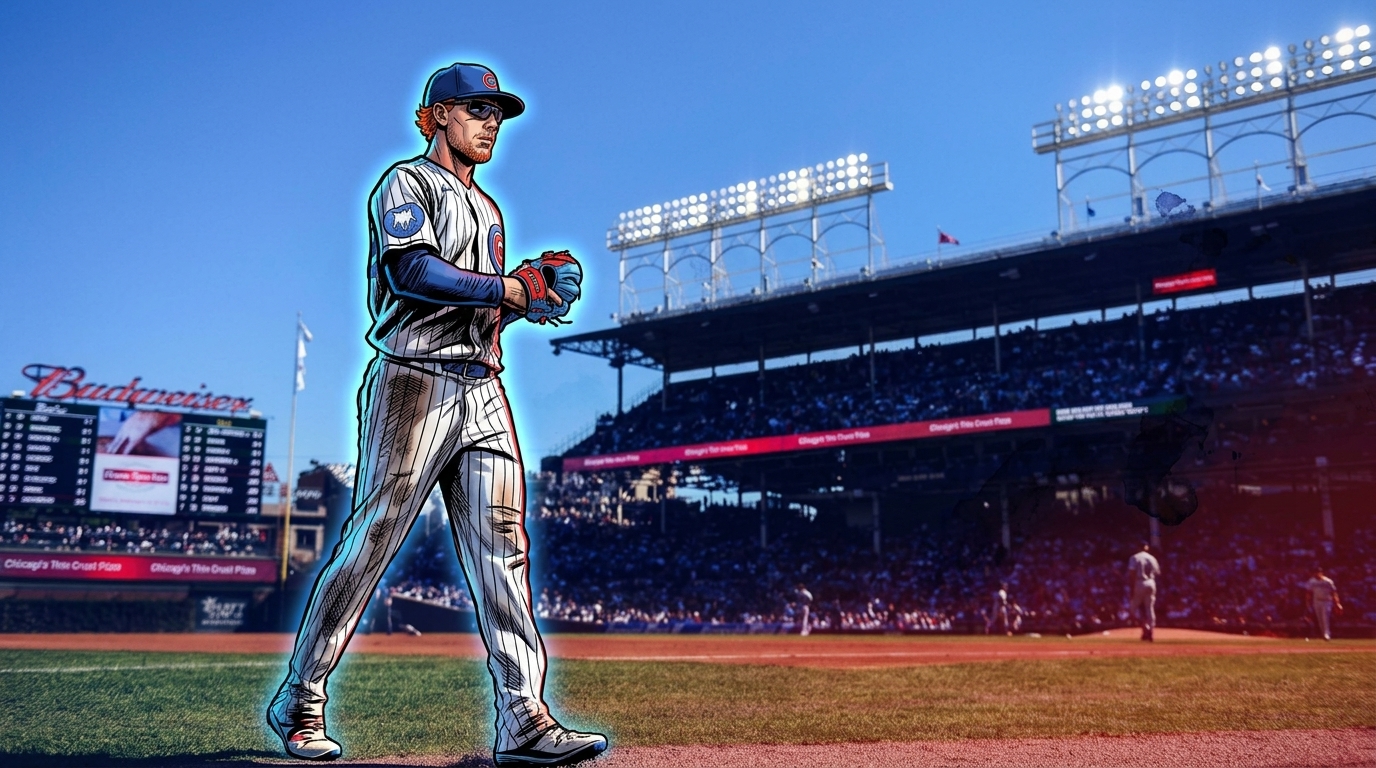

Three times since August 22, Jacob Webb has taken the mound with two outs in the ninth inning of a save situation. Three times, a hitter has turned on a pitch and erased it with one swing. No pitcher has blown three straight save chances that way (two outs, ninth inning, a home run that ties or wins it) since saves became an official MLB stat in 1969, per OptaSTATS. Blow one save like that and it’s bad luck. Blow three, in the exact same shape, and it stops being about one bad pitch. It starts looking like a closer losing his grip on the ninth inning in real time.
The Record Nobody Wants to Own
Webb entered this stretch as the primary closer for the Cubs, not an audition arm: he leads the team with 9 saves this season and had just finished a 24-appearance scoreless streak that ran from June 24 to August 21. Then the ninth innings started breaking the same way, three times running.
Against Seattle on August 22, Leo Rivas had just cut the deficit to one run with a two-out single before Randy Arozarena’s walk-off shot off Webb ended it, 404 feet into the seats, in a 5-4 Mariners win that dropped Webb to 6-3. Against Arizona on August 25, Tim Tawa drew a one-out walk and pinch-runner Jose Fernandez stole second before the rookie turned a hung slider into Ryan Waldschmidt’s walk-off three days later, a 408-foot shot that sent Chicago home 5-4 losers on the same night the team had set a franchise record with 30 unanswered runs across three games and lost anyway. Then on September 8, with two outs in the ninth against the Brewers, Jackson Chourio caught up to a fastball and tied the game with a two-run homer. The Brewers won it in extras, 4-3, but not off Webb. Caleb Thielbar allowed a bases-loaded single to Luis Lara in the bottom of the 10th.
OptaSTATS flagged the record as soon as Chourio’s ball landed:
https://twitter.com/OptaSTATS/status/2097569420449046729
Why the Same Shape Matters More Than the Count
That last detail is the one place the record could have looked softer than the raw number three suggests. Webb didn’t throw the pitch that actually ended the September 8 game: Thielbar’s blown save in the 10th did that, not his. If the record required Webb to be charged with the final out of the loss all three times, this doesn’t happen a third time.
But the record isn’t measuring who threw the last pitch of the game. It’s measuring who blows a save with two outs in the ninth on a home run that ties or wins it, and Webb has done that in three straight save opportunities regardless of what happened afterward. The mechanism repeated exactly: same inning, same out count, the same location trouble against right-handed hitters that manager Craig Counsell has pointed to publicly, same result: a game Chicago should have won turning into one it didn’t. A closer who allows a walk-off in game one, a walk-off in game two, and a game-tying shot in game three isn’t three different kinds of unlucky. He’s the same failure repeating without correction, and that’s a far scarier pattern for a manager to watch than three unrelated bad nights, because it suggests the league has started sitting on a specific pitch in a specific count.
Is Jacob Webb Still the Cubs’ Closer?
Jacob Webb remains Chicago’s saves leader with 9, but three straight blown saves on identical two-out, ninth-inning home runs have put his grip on the role in real doubt, with Counsell citing off-speed location issues to right-handed hitters as the root cause.
For now, the fix stays internal, with no external bullpen addition coming, at least not yet, and Webb is still the pitcher Counsell hands the ball to in the ninth. That’s notable restraint for a manager holding the second NL wild-card spot with Chicago’s spot in the wild-card math getting tighter by the week; Philadelphia and Arizona are both within range, and Milwaukee sits nine games up in the NL Central. A shaky closer in May is a bullpen problem worth monitoring quietly and letting shake itself out over a long summer. A shaky closer in the second week of September, with three postseason contenders separated by a handful of games and a bullpen collapse now attached to his name, is a standings problem that shows up in the loss column before anyone gets time to fix the mechanics.
Webb isn’t hiding from it, either. “I’m tired of letting the team down, to be completely honest,” he said after the Chourio homer. “It’s pretty tough to watch every time I give up a homer … It’s piss-poor.” That’s a pitcher who knows exactly what’s happening to him, which reads as either the best sign available (naming the problem usually precedes fixing it) or the worst, since naming it hasn’t fixed anything through three tries.
The evidence still says Webb is Chicago’s best option in the ninth. A 3.36 ERA across 63 appearances and a 24-game scoreless run that earned him the job haven’t evaporated because of three swings against him. But bullpen roles get earned inning by inning, not season by season, and a closer who has given up the same home run three separate times in three separate games is one more identical ninth away from losing the ball to someone else. Counsell has bought Webb time. He hasn’t bought him patience.