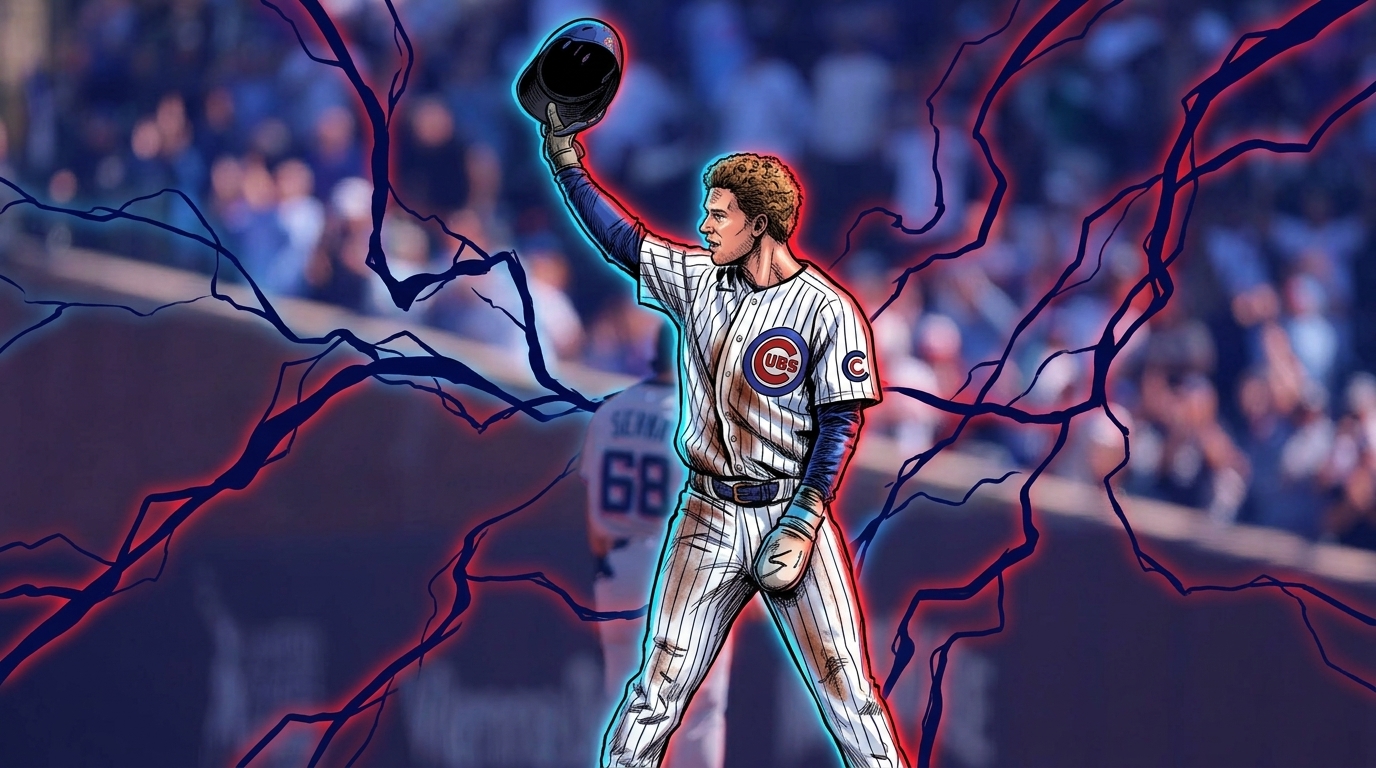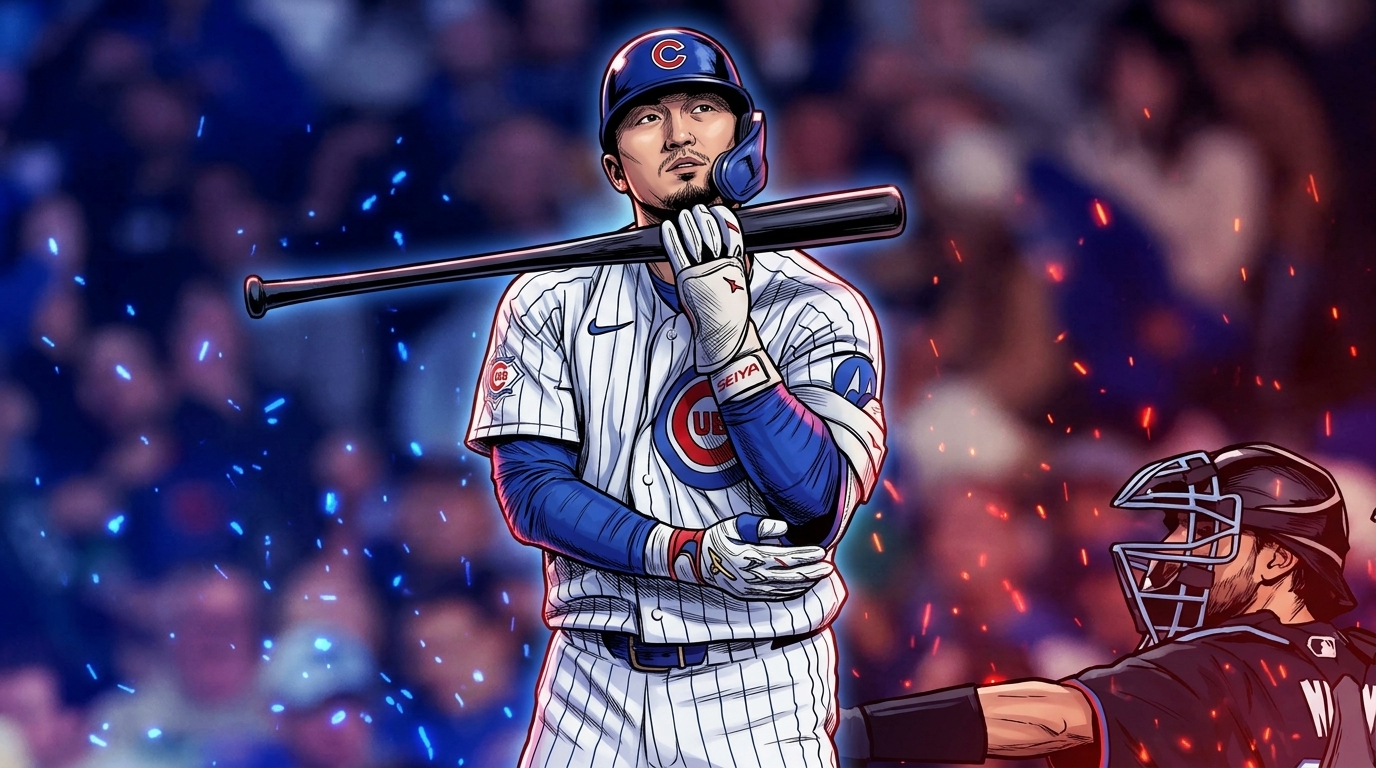

The Chicago Cubs scored one run in the game that ended their season, and even that comes with an asterisk: a .145 team slugging percentage across the series against the San Diego Padres is the worst mark of any multi-game series in postseason history, worse than the 2020 Twins’ .153 and the 2022 Rays’ .154, per Opta Stats data cited by Heavy.com.
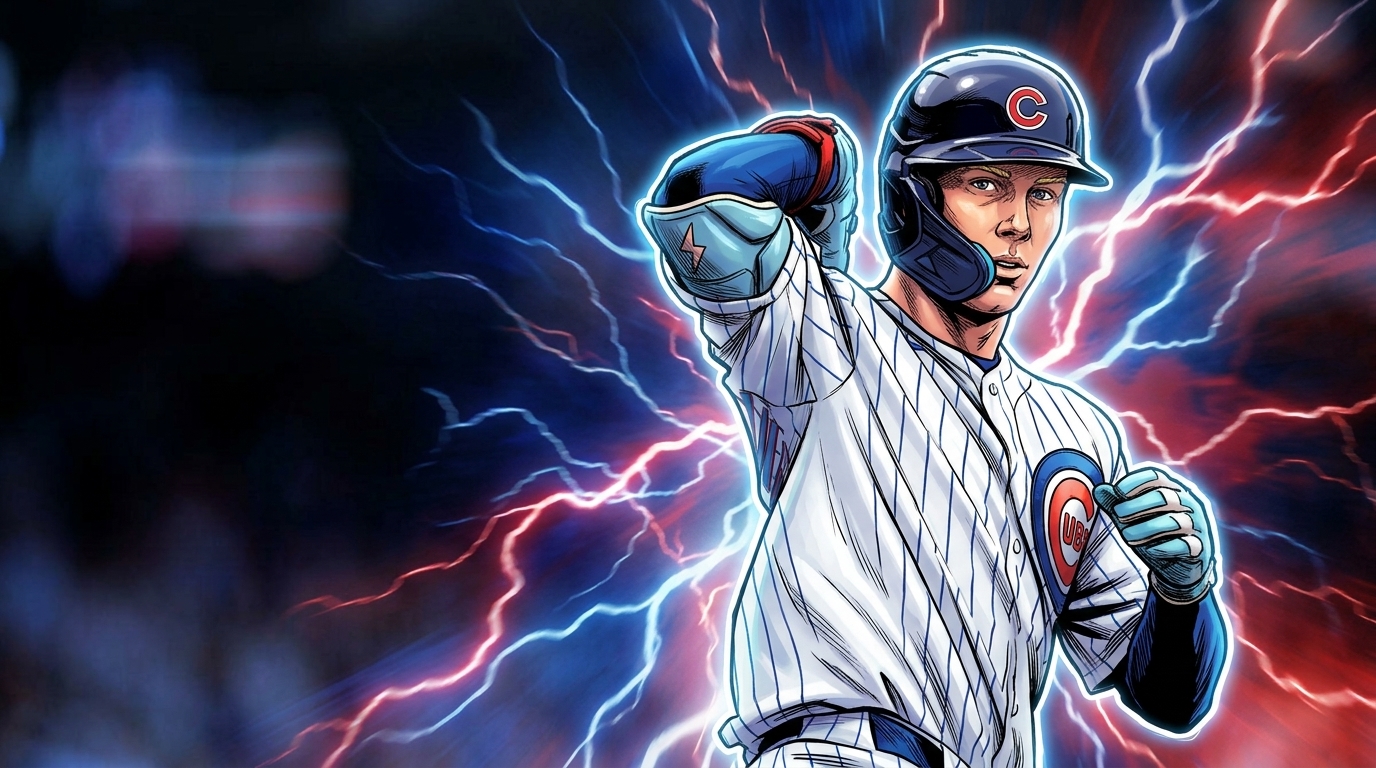
Seiya Suzuki is a free agent now, his five-year, $85 million deal having run its course, and it’s hard to separate that fact from the number above. The Chicago Cubs have spent half a decade leaning on Suzuki as their most reliable power bat, a .269 hitter with 113 home runs and an .823 OPS across 675 games, and in October, with him going quiet instead of carrying them, the lineup around him went cold at the worst possible time. The record isn’t a footnote to his free agency decision this winter. It’s the reason the goodbye already feels inevitable.
San Diego closed it out 4-1 in Game 2 at Petco Park, advancing to face the Brewers in the NLDS. Chicago collected five hits all game, four of them singles. The lone extra-base hit, a double from Nico Hoerner, came in the ninth, well after the outcome was decided; the Cubs’ only run had scored back in the fourth, when Hoerner’s single brought home Suzuki.
Pete Crow-Armstrong and Alex Bregman went a combined 0-for-15 with eight strikeouts across the series.
It is a strange ending for Crow-Armstrong especially. He spent the summer compiling Pete Crow-Armstrong’s 40-40 season and delivering his walk-off earlier this year, the kind of moments that make a lineup look dangerous. None of it showed up when Chicago needed one hit with a runner in scoring position.
Suzuki wasn’t the problem, strictly by the numbers. He went 1-for-3 with a walk in Game 1, then 1-for-4 with a run scored in Game 2. That’s modest production, well short of the disaster unfolding around him.
Before any of that, at his final regular-season home game, Suzuki was asked about what might be his last game in a Cubs uniform. He skipped his interpreter. He gave one word, echoing the longer sendoff his teammate Ian Happ had already offered: “Savor.”
I spent my first few years in this business pitching stories for fifty bucks a piece, which leaves you with an occupational relationship to numbers that look embarrassing in print. A .145 slugging percentage is one of those numbers. It doesn’t need context to sting.
The day after elimination, Marquee Sports Network posted a graphic quoting Suzuki: “Looking back at the 5 years, I don’t know if I was able to reach the expectations that people had (for me) or for myself.” The same graphic credited him with 113 home runs in his first five seasons as a Cub, trailing only Ernie Banks and Kris Bryant — a claim worth taking with a grain of salt, since Anthony Rizzo actually hit more, 133, in his own first five years in Chicago.
https://twitter.com/WatchMarquee/status/2105547217251578019
What the quote reveals matters more than the exact ranking: a player grading himself quietly before the open market does it for him. Suzuki gave Chicago five steady years and more power than anyone in that broadcast booth needed a graphic to prove.
Some goodbyes get a parade. Suzuki is getting a slugging percentage.