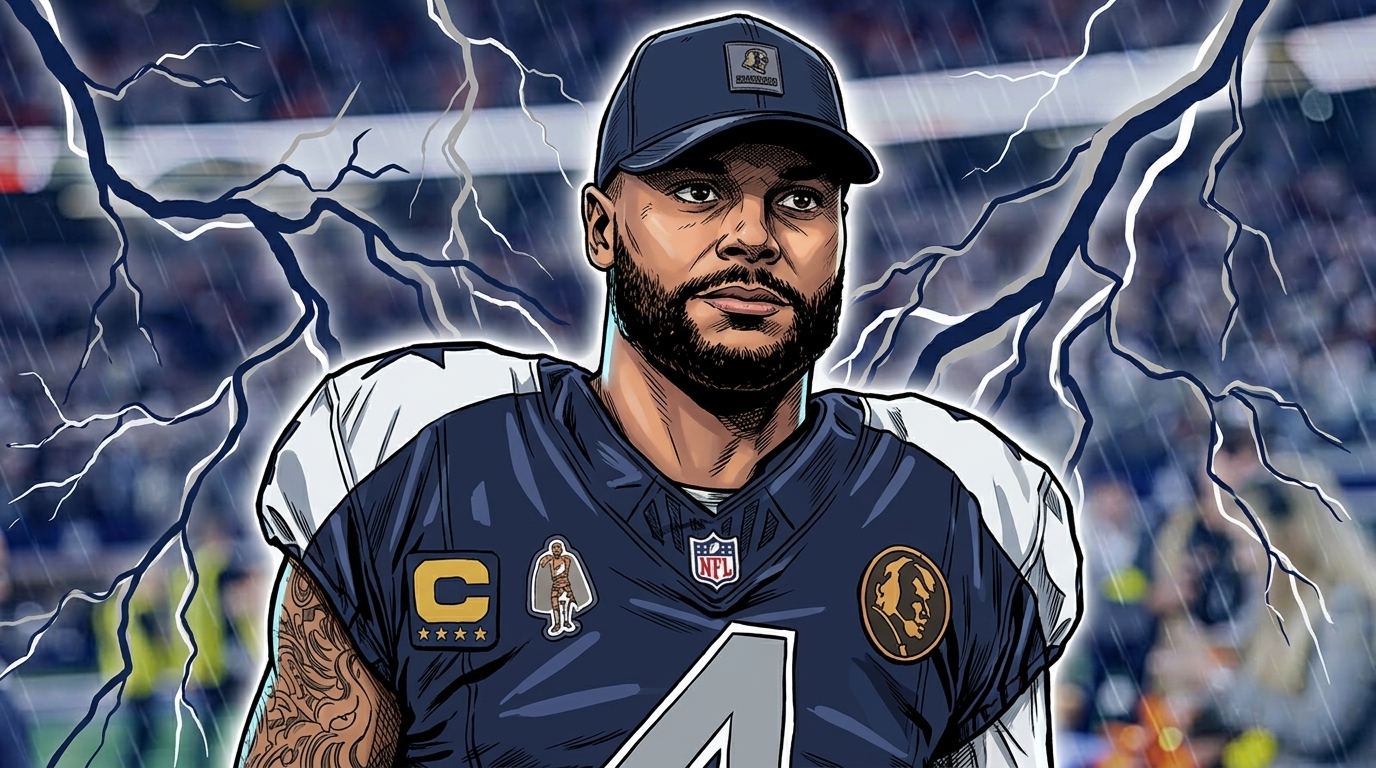

The Baltimore Ravens and Dallas Cowboys play the first NFL game in Maracanã Stadium history in a little over a week, and the soccer players who use that field every day are describing it like a demolition site. That’s not a weather story, whatever the stadium wants to call it. It’s the NFL’s international expansion strategy admitting itself out loud for the third time: sell the market, skip the groundskeeping, let the players find out live on a Sunday.
Flamengo goalkeeper Agustín Rossi has the best seat for this, and he wasn’t diplomatic about it, telling Dallas Sports Journal:
“You don’t even need to talk about the field, it’s there for everyone to see… Both penalty areas are bad… There are bumps everywhere.”
The Maracanã pitch has “bumps everywhere” isn’t a stray complaint from one irritated keeper. His teammate Giorgian De Arrascaeta told Yahoo Sports the surface is getting harder to control the ball on, and that a club with Flamengo’s roster shouldn’t have to play on something like this. Two players, same team, describing the same patch of grass as barely usable nine days before a league that charges premium money for playoff tickets tries to run a football game on it.
Maracanã’s own CEO, Fred Nantes, more or less agreed with them. Pressed on the condition of the field, he admitted it:
“isn’t at desired quality”
though he added that the venue hasn’t been negligent, pointing instead to heavy rain, high heat, and a jammed match schedule.
Rain, heat, and a busy calendar are the three most predictable variables in the entire sport of soccer; they show up every year, on a schedule everyone in that building has seen coming for months. Somehow they only become an emergency the week an NFL crew shows up with a truck full of yard lines. I’ve reread the part where he blames the calendar a couple of times, and it doesn’t get more convincing with repetition; it just sounds more like a shrug wearing a suit.
This is the timeshare-pitch version of league expansion. Somebody flies you out, shows you the ocean view, hands you a mocktail; by the time you’re signing anything, nobody mentions the pipes. In 2018 the NFL found out its Mexico City pipes were bad enough that it relocated a Rams-Chiefs game out of Estadio Azteca over field conditions before a single snap was taken there.
Six years later the tour moved to São Paulo, and the pipes were bad again. The Eagles and Packers opened the league’s first Brazil game on a surface so slick that Saquon Barkley slipped for a loss on his first carry, and J.J. Watt and LeBron James were both publicly ripping the field before the night was over. The tour didn’t stop to fix the plumbing. It booked the next stadium.
Now the tour is in Rio, and the ocean view is the Maracanã, and the plumbing is somehow worse than the brochure again. Three stadiums, three complaints, and the one constant across every single stop is the guy selling the tour, not the weather.
The NFL’s Brazil field problem keeps repeating on a schedule the league itself controls, and this time it’s landing on a game with actual money riding on it. Baltimore is walking into Rio with a receiver room that just got expensive; the Ravens just paid Zay Flowers like a top receiver, which means every bad bounce off a chewed-up patch of turf now involves a contract extension. Dallas brings its own subplot to the Cowboys side of the ledger, arriving with Dallas’s franchise-tag fight with George Pickens still unresolved, and nobody in that building wants a rolled ankle added to the negotiation.
None of this is happening quietly, either. The league’s own coverage has been tracking the complaints out of Rio in real time:
https://twitter.com/ProFootballTalk/status/2101375910997856642
One more Flamengo match is scheduled on that field before anyone runs real maintenance on it, meaning the Maracanã gets chewed up by a domestic soccer club before the NFL ever rents it for a night. Call it the expansion strategy working exactly as designed: sell two American franchises on the most famous stadium in South American soccer, let it fall apart on schedule, and hand the players cleats built for a pitch that stopped existing weeks ago.