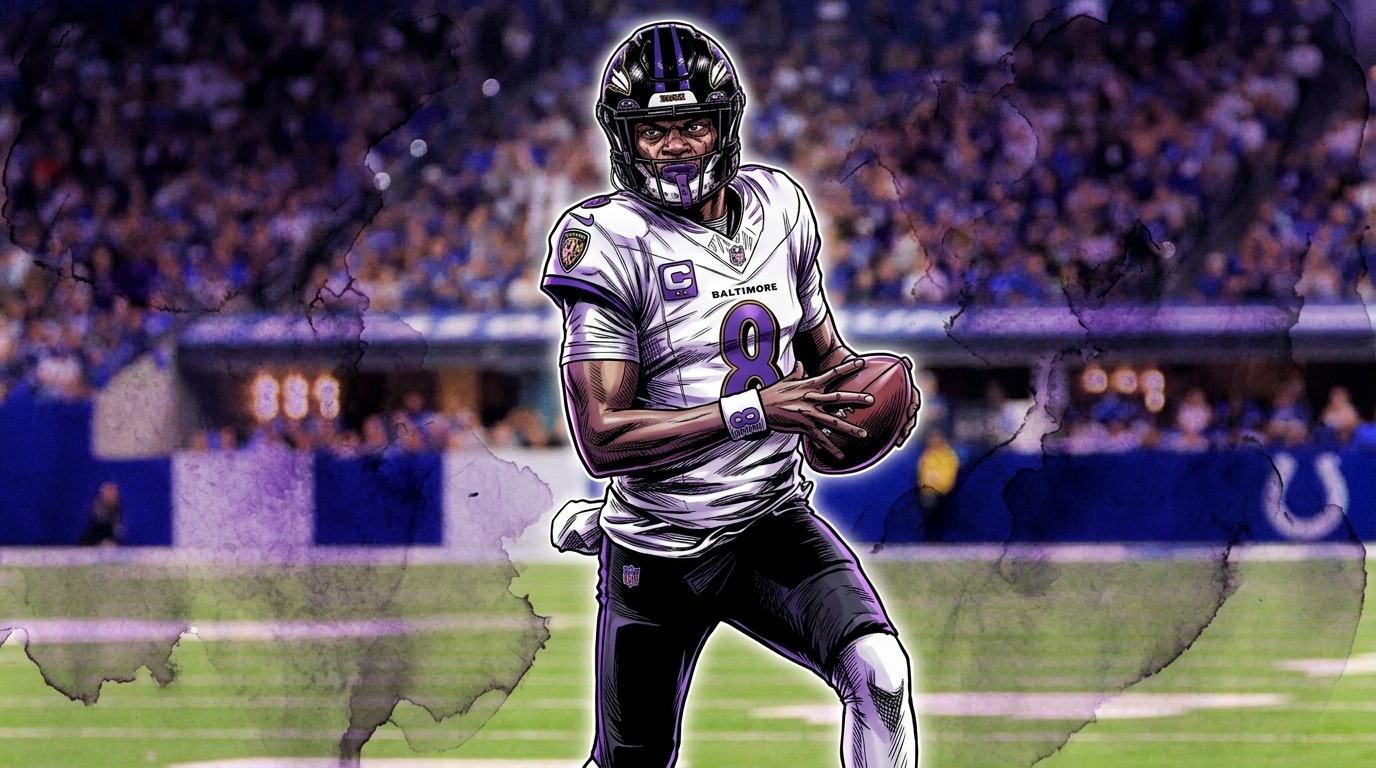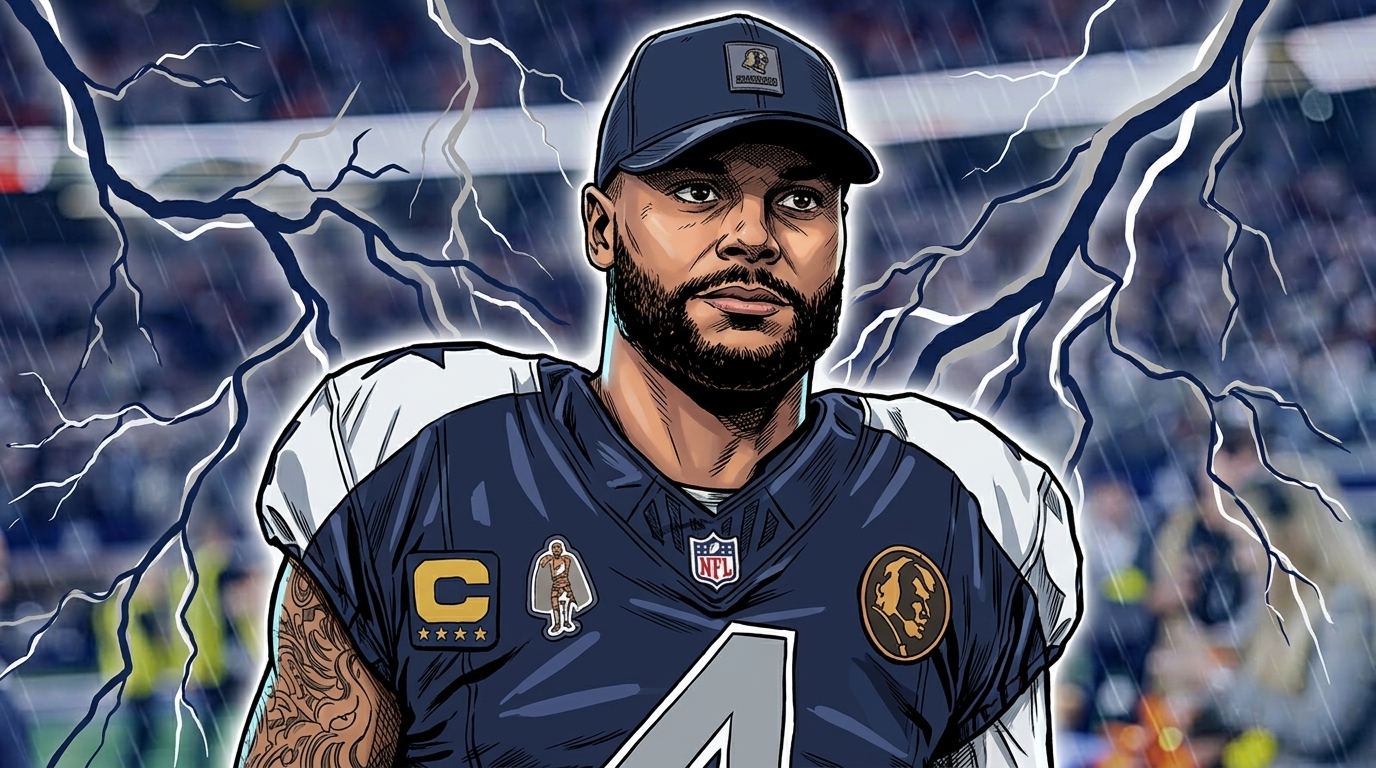

We’ve spent the week treating the Cowboys’ trip to Rio de Janeiro as a scheduling curiosity, a fun stopover before the Ravens rematch actually starts to matter. That framing holds up right until kickoff, when two problems the league has spent days downplaying land in the same three hours: a Maracanã pitch the NFL insists is game-ready — and Zay Flowers’ hamstring, which nobody in Baltimore sounds especially confident about.
Kickoff is 4:25 p.m. ET, 5:25 local, with Jim Nantz and J.J. Watt calling the game for CBS. Worth saying plainly, since it keeps getting flattened in the pregame coverage: this is the third NFL game in Brazil, not the first. The Eagles beat the Packers 34-29 in São Paulo in September 2024, and the Chargers beat the Chiefs there again last September. What Sunday actually is: the first NFL game at Estádio Jornalista Mário Filho, better known as the Maracanã, and the first one outside São Paulo entirely.
Why Rio, and Why This Is Different From São Paulo
Two clean trips to São Paulo bought the league a lot of goodwill. Corinthians Arena hosted both prior Brazil games without a story bigger than the box score, and the NFL is reportedly contracted for three regular-season games in the country over the next five years, which reads less like a one-off stunt and more like a sustained bet on the market. (Two clean trips is also exactly the type of streak that makes people stop double-checking the field before the third one.)
Rio is that bet with actual variables attached. The Maracanã is a soccer stadium first, retrofitted for football, and it hosts something like two events a week even without an NFL game wedged into the calendar. I follow Bundesliga closely enough to know pitches under a schedule that packed don’t hold up the way a stadium built and maintained for one sport does, and that’s before factoring in Rio’s Southern Hemisphere spring, when the Bermuda grass base is still waking up out of its overseeded winter rye.
Is Zay Flowers Playing Today Against the Cowboys?
Zay Flowers’ hamstring turned into a true pregame decision, not a settled inactive-list call. Adam Schefter reported the Ravens planned to work him out before kickoff to test the injury, but the team reportedly wasn’t building its game plan around having him available.
https://twitter.com/AdamSchefter/status/2104166124061601965
(A “true pre-game decision” is the NFL’s polite way of saying nobody wants to put anything in writing yet.) Schefter’s report was corroborated by Ian Rapoport, and the injury history is straightforward: Flowers hurt the hamstring in the first half of Baltimore’s Week 1 win over Indianapolis, sat out the Week 2 loss to New Orleans, and, if he’s cleared Sunday, is expected to carry a restricted workload rather than a full route tree. The stakes attached to that hamstring aren’t small, either, not with Flowers’ $140 million extension making him the centerpiece of Baltimore’s receiving room for the next several years.
What’s notable is that the reporting doesn’t isolate the injury from the conditions. It ties the caution explicitly to the surface he’d be running routes on, which is a different problem than a hamstring that just needs one more day.
The Field the League Swears Is Fine
The pitch concern started the way most Maracanã stories start lately: video. Clips of Flamengo players reacting to a patchy field went viral in the run-up to Sunday, specific enough that it forced the league into a public response. NFL Field Director Nick Pappas said the Bermuda grass is “slow to wake up” this time of year, and the league answered by boosting the field’s agronomic package and running a Grassmaster stitching machine through the turf to add synthetic fibers for stability.
Pappas and the league said Saturday the field passed the joint NFL/NFLPA playability thresholds and the game is a go. (Passed a threshold and looked fine on television are two different claims, and how the surface holds up under game-speed cuts is a separate question from either one.) Players are hedging in their own way: CeeDee Lamb walked the field barefoot pregame, and Javonte Williams reportedly brought multiple cleat options to test what actually grips. None of that reads like a locker room that considers this fully settled, even with the league’s sign-off, and the NFLPA’s public plea for a safer field came just two days before kickoff.
Weather adds a layer neither team controls. AccuWeather has a high of 82 degrees with a RealFeel as high as 93 earlier in the day, cooling into the 70s by kickoff, and the humidity is the real story for Derrick Henry’s workload and for anyone tasked with chasing Lamar Jackson in space. Rain isn’t the issue. There’s only about a 7% chance of it during the game, with anything heavier arriving after the final whistle.
What Happens When the Novelty Wears Off
I think the field probably holds. The league has too much riding on Brazil to let a botched pitch be the headline, and grounds crews have talked worse-looking surfaces into game shape before. The more interesting question is what today establishes as a pattern instead of a one-off. The NFL wanted Rio to prove its international product travels cleanly. What it’s actually proven, before a snap is played, is that the travel comes with tradeoffs the league would rather not put in a press release: a stadium that needed real work to be ready, and a receiver whose own team is making a pregame medical call in a building it doesn’t fully trust yet.
If Flowers sits, or plays at half-speed and Baltimore’s passing game visibly suffers for it, that’s the outcome teams will point to the next time the league asks them to fly south and hand over a soccer pitch for a Sunday afternoon. Two clean trips built the confidence to try Rio. What the league does with trip three, whether it treats today as an outlier or a preview, is the thing worth watching once the confetti from Ricky Martin and Pedro Sampaio’s halftime show settles on a field nobody was fully sure would hold up in the first place.