
There’s a number that explains everything about how the Ravens beat the Cowboys in Rio de Janeiro, and it’s not 34-31. It’s seven, as in seconds, as in the amount of time Lamar Jackson had to work with when Baltimore took possession following a touchback with the game tied. Per ESPN Research analyst Ben Solak, no team in the network’s tracked drive database (it goes back to 1978, including every playoff game) had ever won off a drive that started this late following a kickoff. Not once in 48 years.
That’s the actual story here, and it’s a bigger deal than the box score suggests. This wasn’t a walk-off field goal capping a two-minute drill with a timeout in the bank and a short field already in hand. This was a touchback pinning Baltimore at its own 35, one play to find room, and a kick that had to be perfect because there was no second chance built into the math. The rarity isn’t incidental to the drama; it’s the whole reason nobody had seen this specific outcome before. Drives that start with seven seconds left almost never end in the offense’s favor, and when you understand why, Tyler Loop’s night looks less like a fluke and more like the exception that proves how conservative the rest of the league has been forced to play.
How Rare Is a 7-Second Game-Winning Drive?
Per ESPN Research, no team in the database’s tracked history (since 1978, including playoffs) had ever completed a game-winning drive that started this late following a kickoff, until the Ravens did it against the Cowboys with a touchback and seven seconds on the clock.
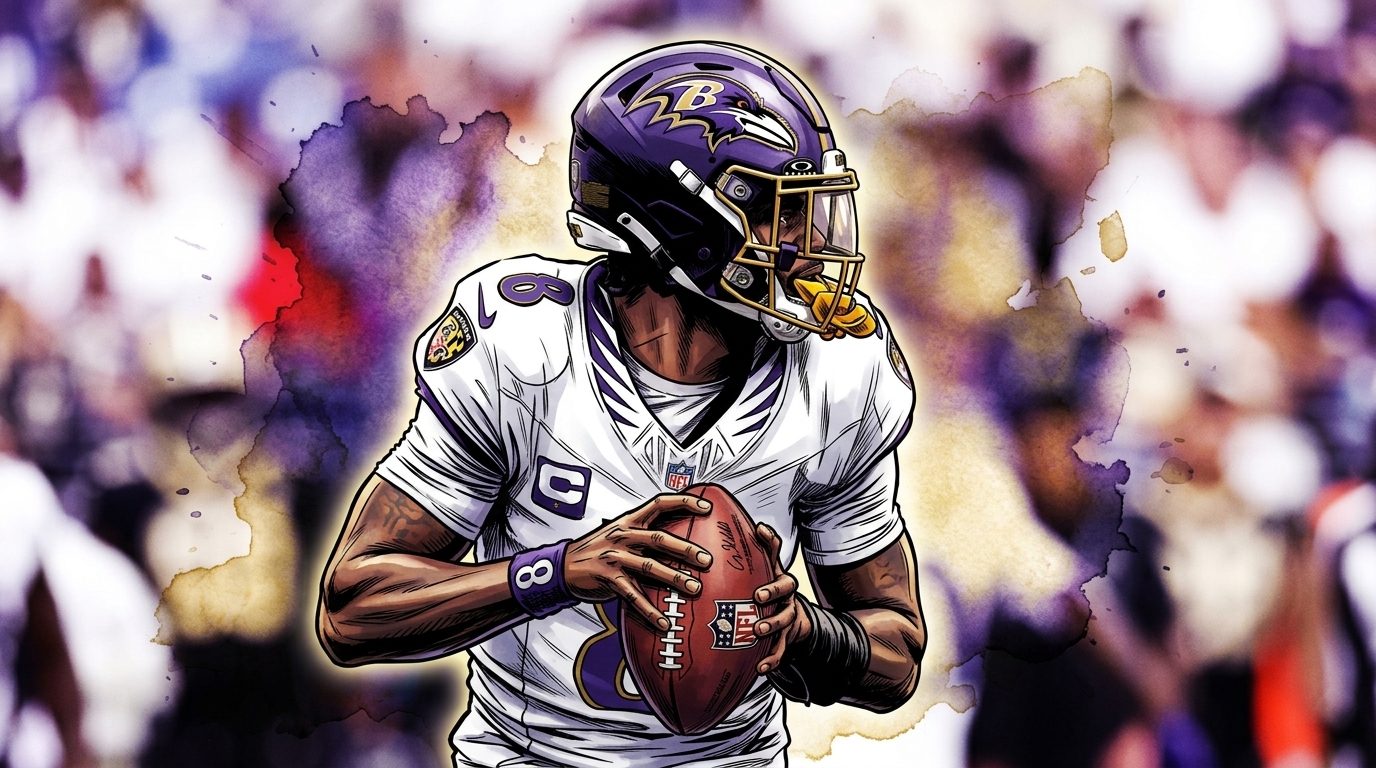
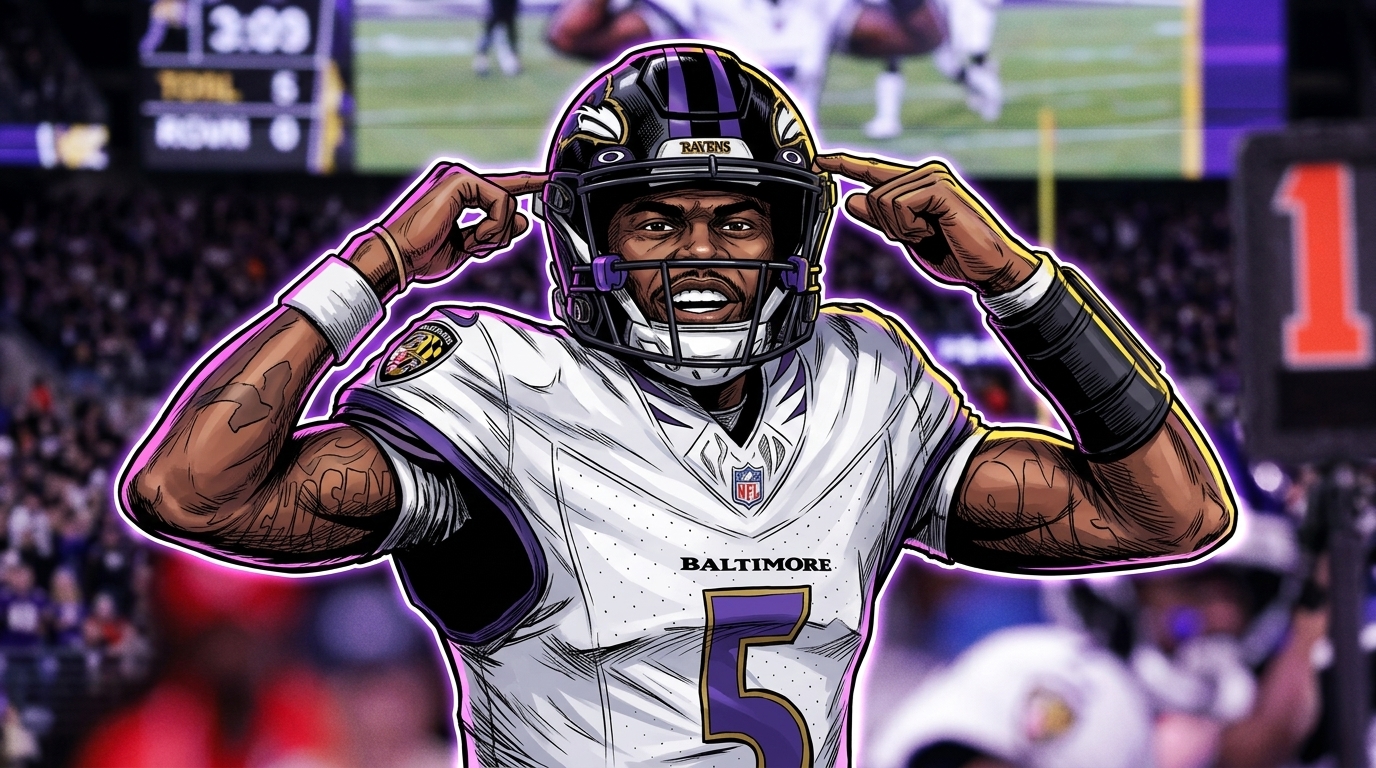
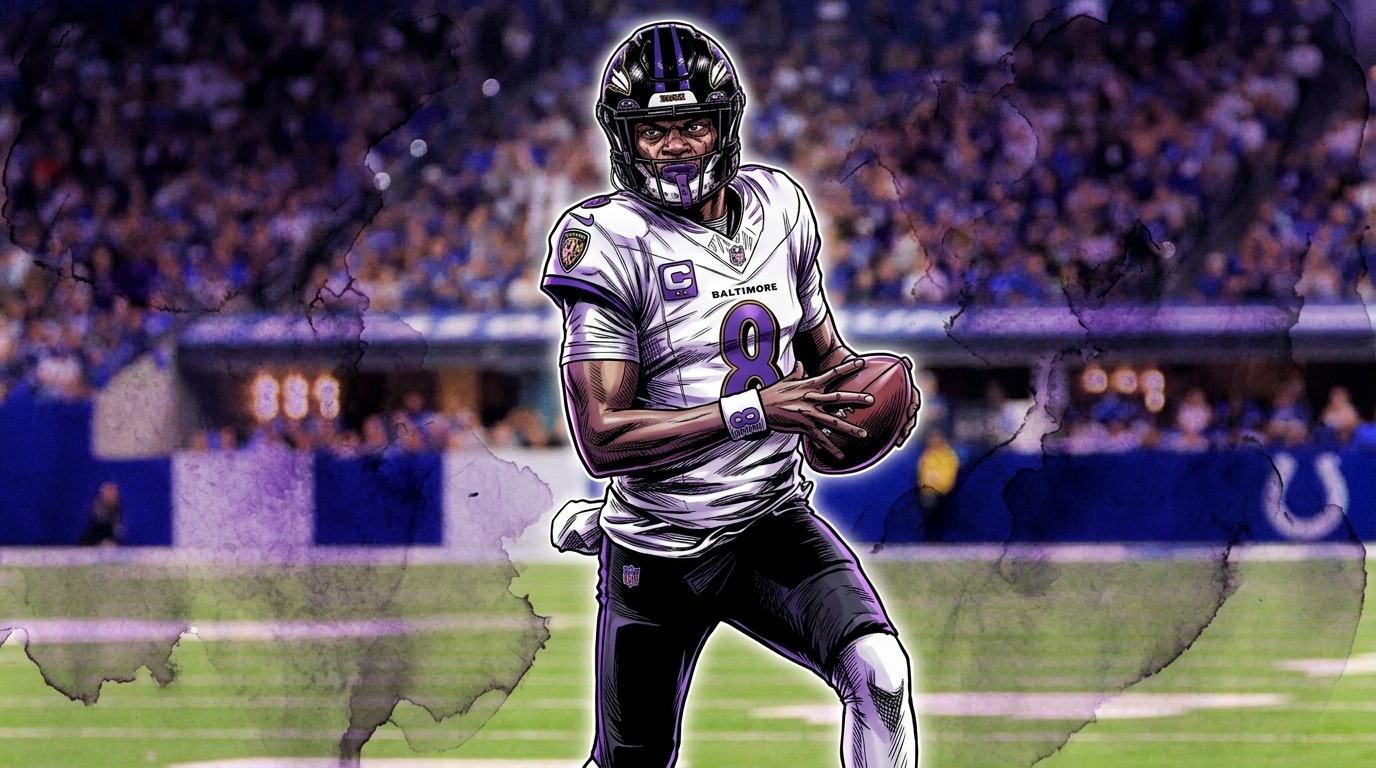
Stathead’s numbers sharpen the picture further: this was the first multiplay, game-winning drive of fewer than eight seconds since at least 2001. Multiplay is the operative word. A single kneel-and-kick with three seconds left is common enough that nobody tracks it as a novelty. What Baltimore did required a real football play to actually happen first: Jackson finding Zay Flowers for 27 yards to the Cowboys’ 38 before Baltimore burned its last timeout with one second showing. Then Loop hit from 56, the second-longest field goal of his career, as time expired.
Run the sequence backward and the degree of difficulty compounds. A touchback surrenders field position teams normally fight to avoid giving up for free. Seven seconds is enough for one snap, maybe two if the first play stays in bounds and the offense sprints to the line. And the whole plan collapses on a single incompletion, a sack, or a catch that lands short of kickable range. Baltimore needed all three variables to break clean in the same sequence, on the road, on a surface the NFLPA had already flagged as inconsistent before kickoff. None of it did.
What the Numbers Say About Dallas’s Collapse
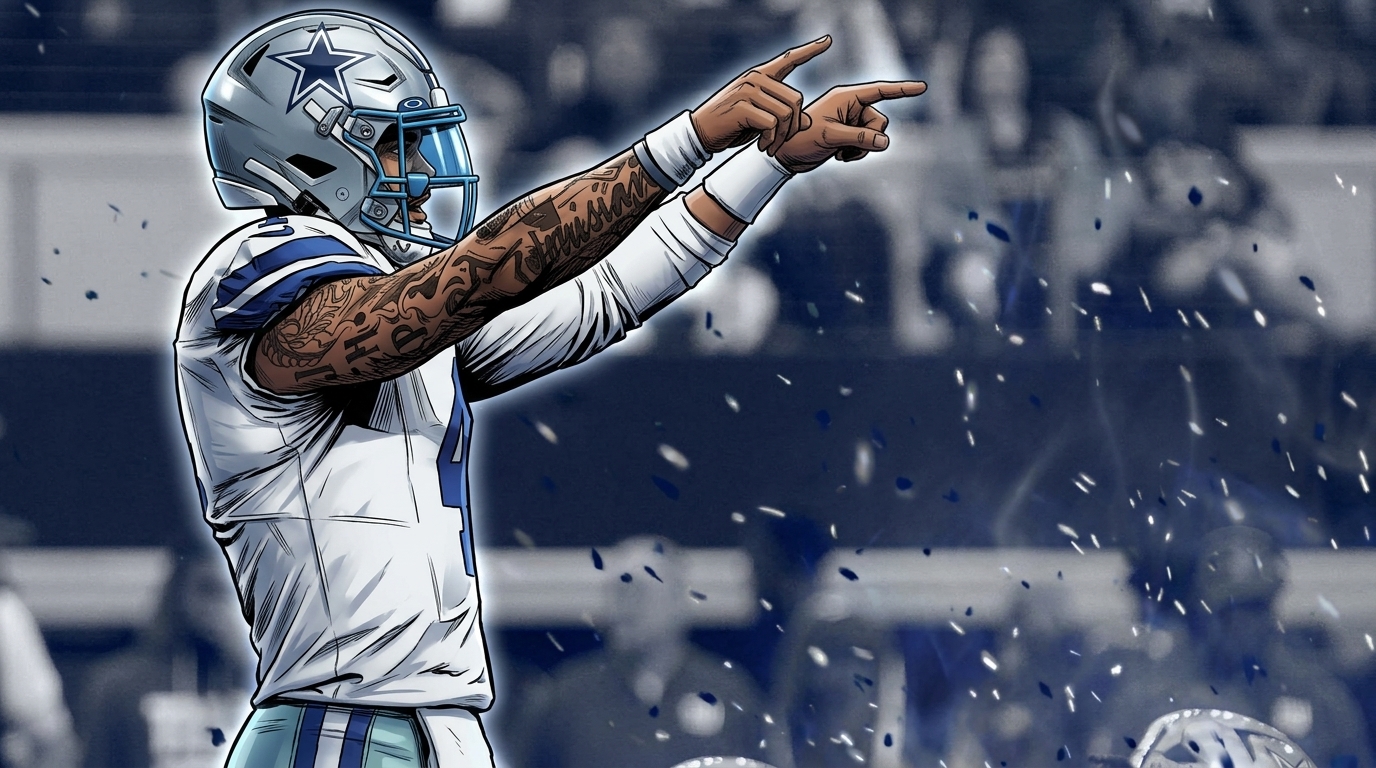
The Cowboys didn’t lose this game in seven seconds. They lost it in the previous minute, when they had the ball at Baltimore’s 1-yard line with a chance to put it away and came away with only a field goal that tied the score at 31. That’s the play-calling and execution failure that actually created the seven-second window in the first place: Dallas’s offense couldn’t finish, so its defense inherited a scenario with zero margin.
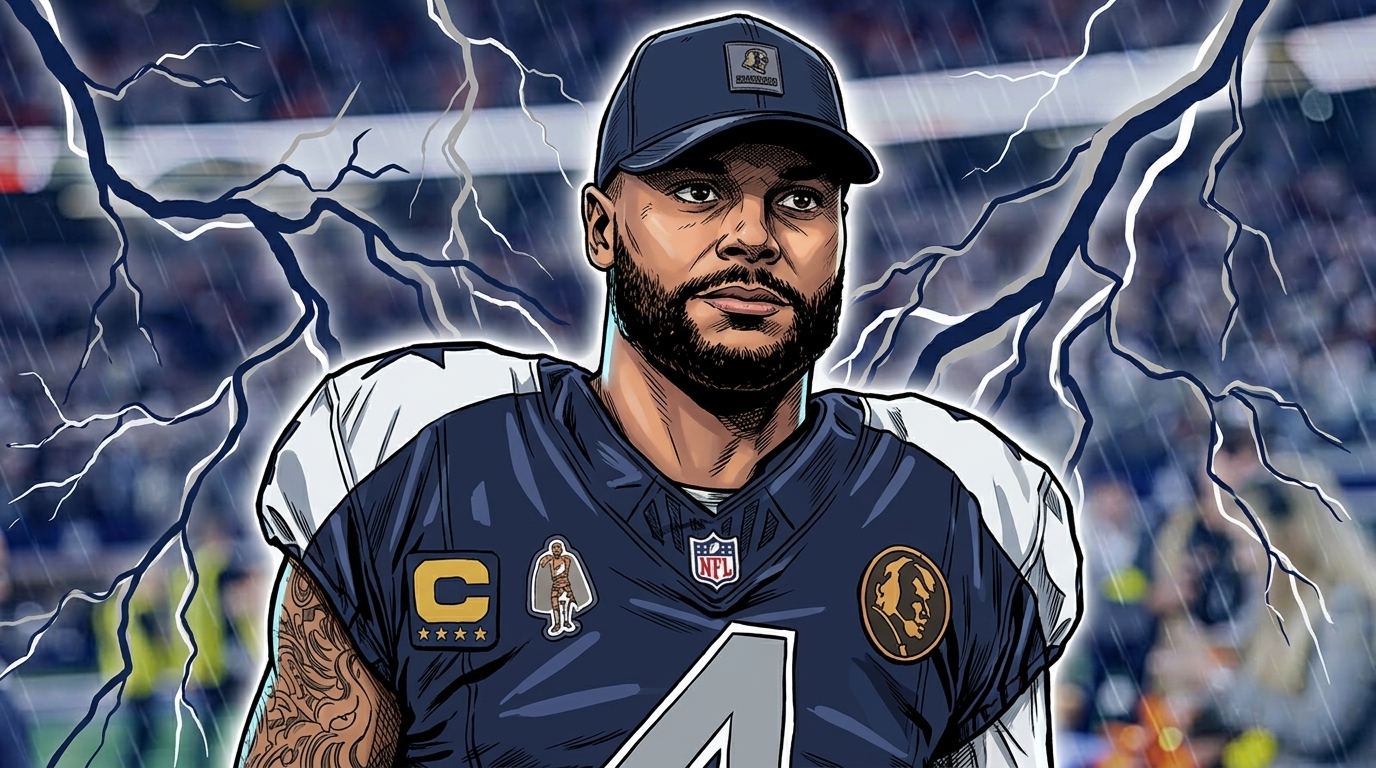
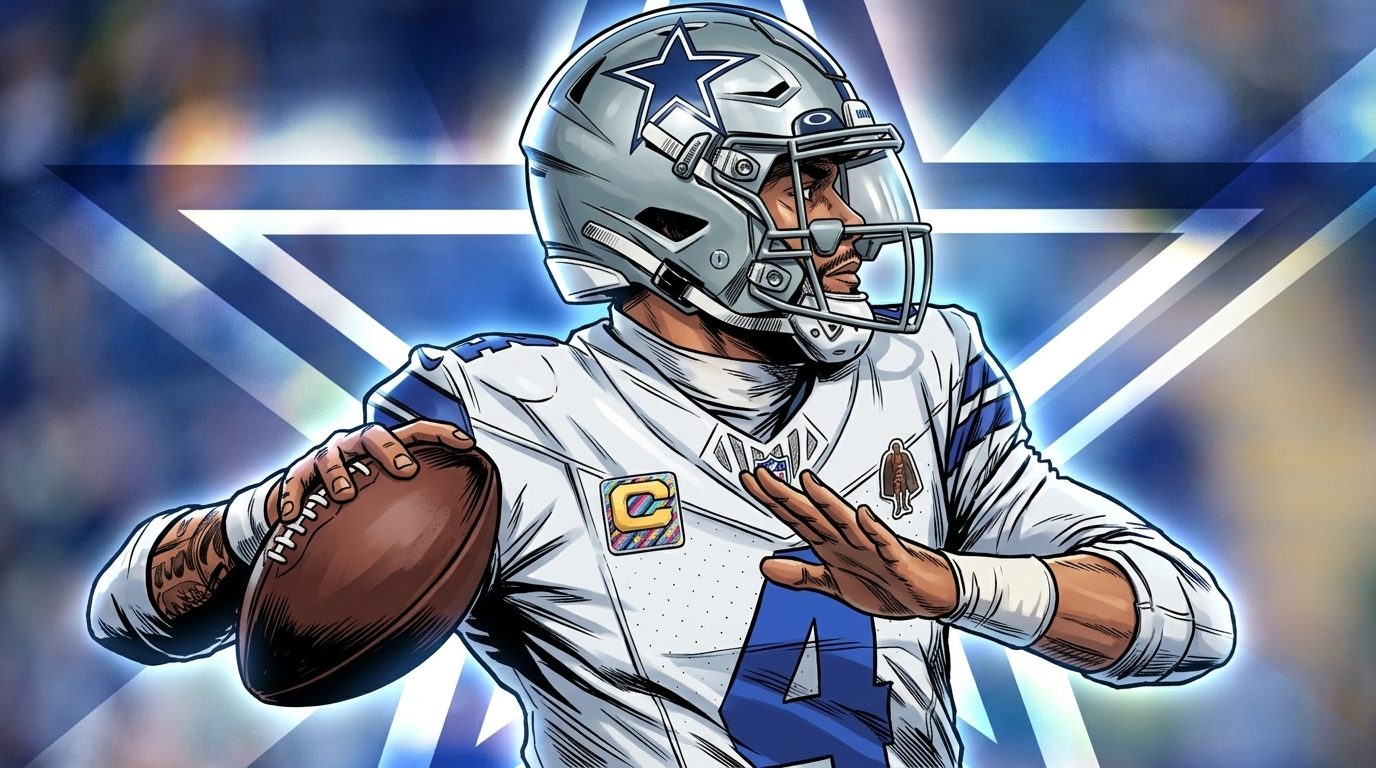
Dak Prescott said as much afterward, and he didn’t dress it up. “Frustrated,” he told reporters, per SI’s coverage of the loss. “Frustrated as hell… Embarrassed.” He went further on the goal-line sequence specifically: “we get down in the one-yard line and don’t put it in,” adding that “we’ve got to put the game away, period,” and that the “defense shouldn’t even have been in that position” to begin with. That’s a quarterback identifying the actual failure point, and it wasn’t the touchback or the kick. It was the six inches his offense couldn’t cover with the game in hand.
Prescott admitted afterward that the frustration wasn’t going away on the flight home, saying he was sure that by the time the team landed after the 10-hour trip back from Rio, he’d be just as angry as he was in the locker room. That’s not a throwaway line. A field goal from the 1-yard line against a defense that’s about to give up a kickoff return chance is the type of possession Dallas will be replaying for the rest of the season, long after the Loop kick stops trending.
Watch how the touchback set up the whole sequence:
https://twitter.com/BleacherReport/status/2104358356857114782
The clip is almost anticlimactic once you know the numbers behind it: 35-yard line, one completion, one kick, done. That’s precisely why it had never happened in the database before. The margin for error was smaller than almost any winning drive in recorded NFL history, and Baltimore didn’t need a miracle so much as a clean execution of a low-probability sequence that broke in its favor exactly once.
Why Tyler Loop’s Kick Matters Beyond the Highlight
A 56-yard field goal to win a game is impressive on its own, but the framing matters. Loop wasn’t kicking with a full read of the wind and a settled offense. He was kicking cold, off a single Jackson-to-Flowers connection, in a building he’d never played in before this trip. The Ravens just locked Flowers into a $140 million extension this offseason, and this is close to the platonic version of why: a receiver who can turn seven seconds and a touchback into a 27-yard gain against a defense that knows exactly what’s coming is worth paying like a top-tier target, not a complementary piece.
Here’s where it gets weird if you sit with the incentive structure for a second. Defenses spend all week designing coverage to prevent explosive plays, and in a situation like this one, the defense’s best strategic option is often to concede a short completion and force the field goal rather than risk a broader breakdown. Dallas’s coverage on the Flowers play wasn’t necessarily wrong in design. It just wasn’t enough to keep Baltimore out of kicking range, and that razor-thin margin vanished in one snap. That’s the tightrope every late-game defensive call walks, and it’s why these drives resolve against the offense as often as they do. Baltimore just happened to be the team that finally threaded it.
What This Means Going Forward
The data here is unambiguous: this specific situation (touchback, single-digit seconds, multiplay drive) has a nearly five-decade sample size of essentially never resolving in the offense’s favor, and Baltimore just became the first exception on record. That’s not a pattern anyone should expect to repeat regularly, and it shouldn’t change how teams manage the clock in these spots. If anything, it reinforces why coaches play it conservative when they’re up late: the alternative, giving an opponent even seven seconds and a short field, had a success rate of zero for 48 years for a reason.
For Baltimore, the value of this win goes beyond the standings. A Ravens team that can manufacture a statistical outlier on the road, on a shaky field, against a divisional-caliber opponent, is a team that believes it can win from any leverage point on the clock, and that belief compounds over a season. For Dallas, the version of this loss that should sting isn’t the kick. It’s the possession before it, the one from the 1-yard line that turned a win into a coin flip and then into a historical footnote for the other sideline. Prescott’s postgame answers made clear his team already knows that. Whether it changes anything on the goal line the next time Dallas gets there is the actual question worth tracking, not whether lightning strikes twice from 35 yards out with seven seconds on the clock.
https://twitter.com/Ravens/status/2104364006056112225
Baltimore doesn’t need this exact sequence again to prove anything. It’s already the answer to a question 48 years of NFL football couldn’t produce.