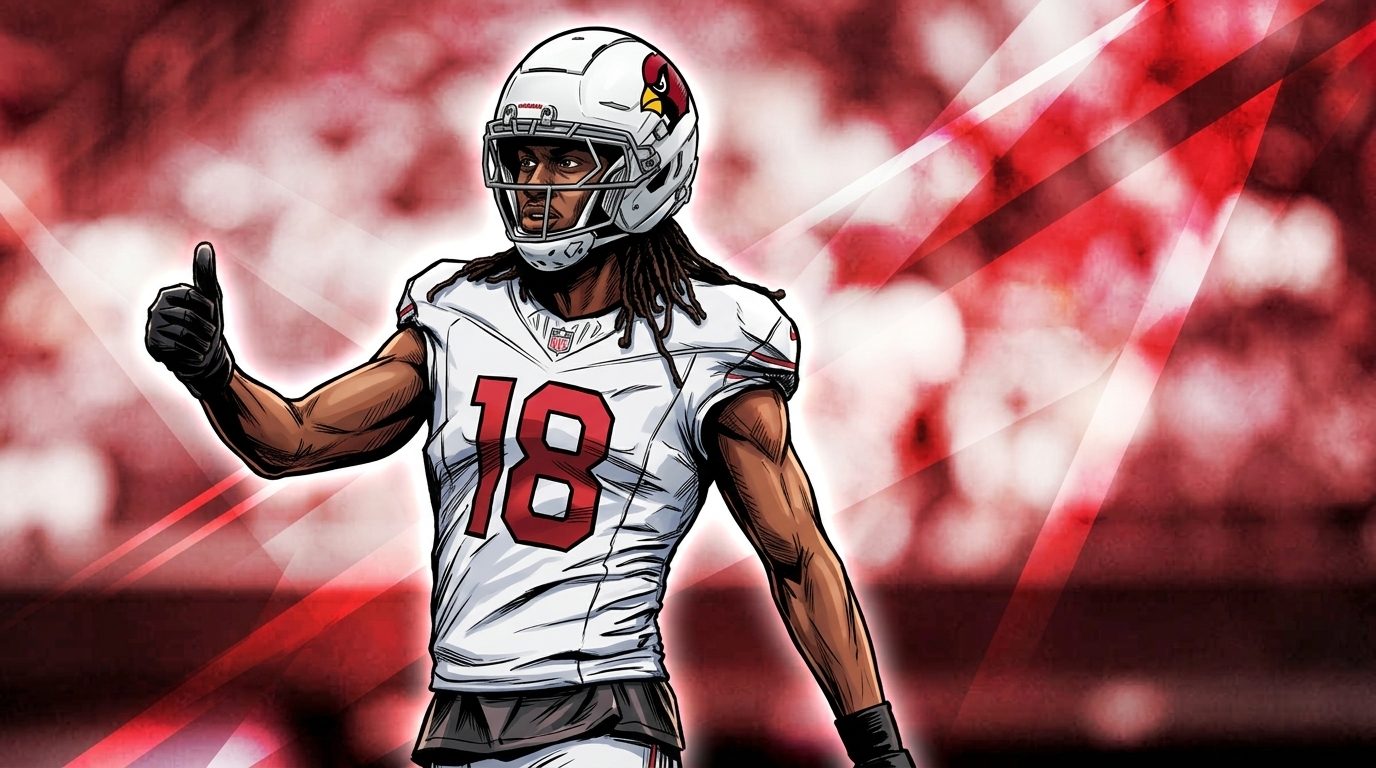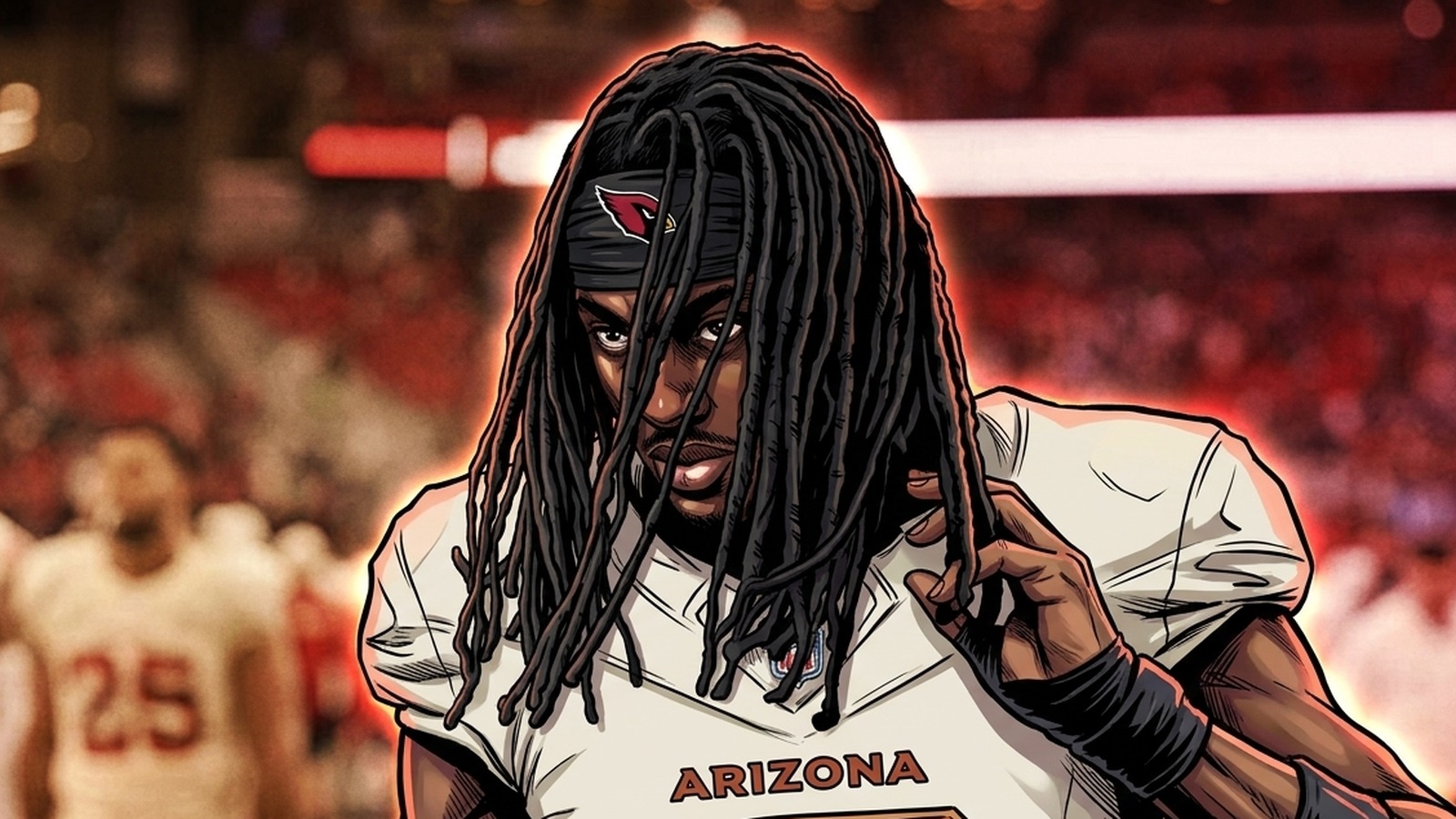

Marvin Harrison Jr. has caught one pass in two games, and by the middle of this week, two different franchises had been assigned to trade for him by people who don’t work for either one.
We’ve been watching this speculation build for two full weeks of ugly box scores, and it’s worth spelling out plainly what’s actually happened versus what’s just being wished into existence. Multiple outlets have floated the Colts and the Raiders as possible landing spots for the Arizona Cardinals’ third-year receiver. Not one of them has reported the Cardinals fielding a call from either team. His own head coach’s postgame comments read like frustration with how the offense is using him, not language that precedes a trade. That gap is the whole story here: everyone’s floating landing spots for Marvin Harrison Jr. before anyone’s confirmed Arizona is even willing to listen.
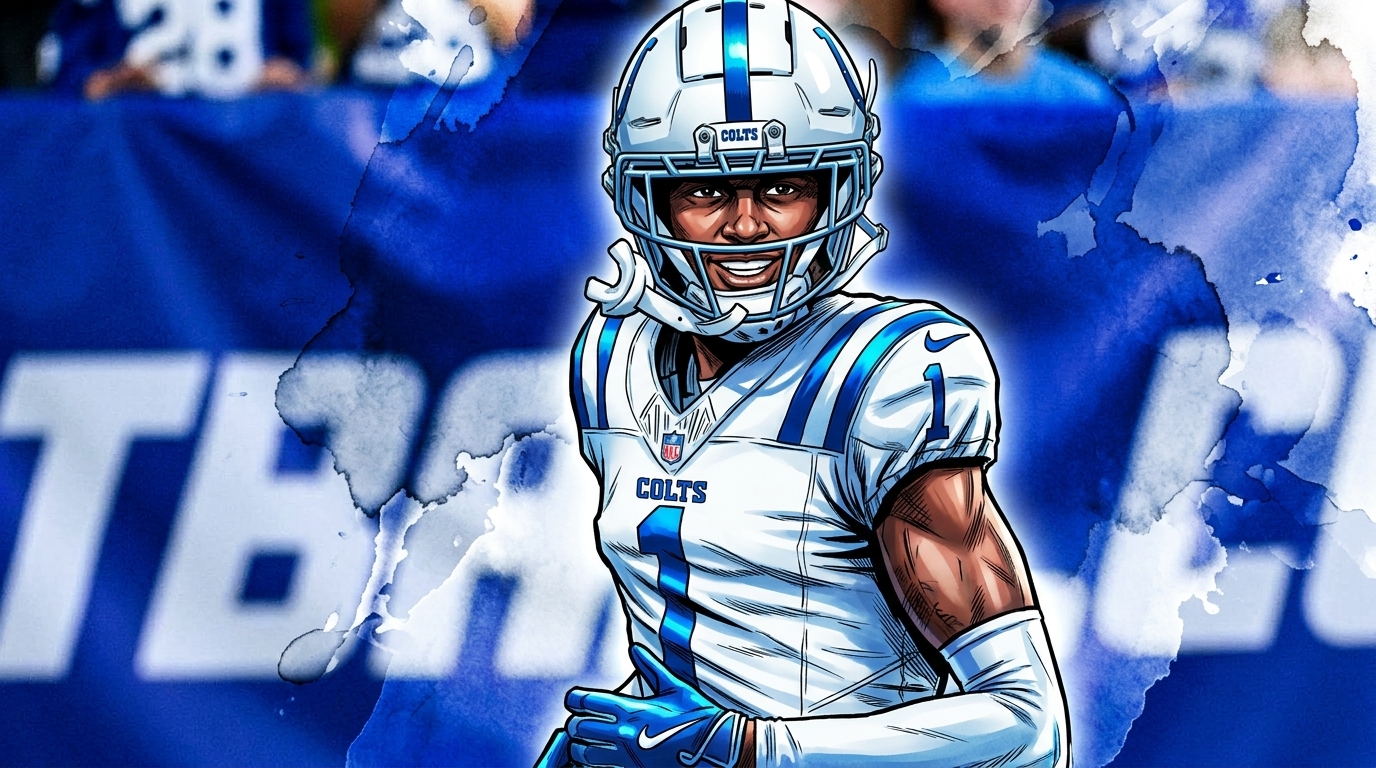
The Indianapolis Colts case makes too much sense to ignore, which is exactly why it deserves a second look before anyone runs with it. Marvin Harrison Sr. played his entire Hall of Fame career in Indianapolis, and pairing the son with the franchise that built the father’s legend is the rare trade idea that would satisfy a roster need and about forty years of institutional nostalgia at the same time. It would also require the Colts to actually want in, and right now what exists is one beat writer’s suggestion, not a front-office fact.
Colts reporter Destin Adams floated on social media that Indianapolis should call Arizona about Harrison after wide receiver Alec Pierce went down with a heel injury — the same foot that needed offseason surgery — and was carted off in a boot during Sunday’s overtime loss to the Kansas City Chiefs. (Note the verb: “should call,” not “called.”) The Colts arrive at this moment already mid-audit on their own passing game, given the Colts’ history of shopping for offense this year through the ongoing Anthony Richardson situation, so adding Harrison’s name to the rumor mill fits an existing pattern. Fitting a pattern isn’t the same as making a call.
The box score explains why people are speculating in the first place, even if it doesn’t confirm anything. Harrison’s story through two games is really a story of two different results: a season-opening win over the Chargers, then a 31-7 loss to Seattle that dropped Arizona to 1-1. PFF put his 2026 two-game stat line into one tweet Tuesday, and the tweet did more work than either final score.
https://twitter.com/PFF/status/2101834933052346724
That line isn’t an aberration so much as a continuation. (Two games is a small sample. It’s also the only sample anyone’s trading him over.) Harrison’s rookie and second seasons were underwhelming by the standard a No. 4 overall pick invites, and he’s gone multi-game stretches in each of his first two years without recording more than one reception. A drop mixed into four targets fits a pattern that predates this particular coach, this particular offense, and this particular round of trade chatter.
The Las Vegas Raiders case is thinner than it sounds, and “sounds thin” is already a low bar. It traces back to analyst Alfredo Brown, who wrote that the Cardinals “should just trade Marvin Harrison Jr to the Raiders,” which reads like a take because it is one. (Nobody has reported Las Vegas making a call, either.) Pairing a rookie-contract receiver who needs reps with a Raiders offense still sorting out its own identity doesn’t obviously help either side, on top of being unconfirmed.
Here’s what Mike LaFleur is actually saying, and it isn’t a farewell address. Arizona’s first-year head coach, addressing the offense after the Seattle loss, put the blame on execution: “I’m not concerned. I’m concerned with our execution on offense today. I wouldn’t look into too much of anything right now because we didn’t throw the ball for crap. Schematically, it wasn’t good.” Asked specifically about Harrison’s target share, LaFleur didn’t reach for a scapegoat. “That’s a great question, because I know it’s just like ‘just get some easy completions to get him going,’ but we also have Trey McBride who is one of the best underneath guys in the world and there’s only about 60-65 plays a game.”
That’s a coach describing a math problem, not a departure. LaFleur is naming a real constraint, a finite snap count split between his two best pass-catchers, not building a case for why Harrison doesn’t belong in it.
Front offices don’t typically trade top-four picks two years into a rookie contract unless something has broken beyond repair, and nothing in Arizona’s public messaging suggests that. The incentive math usually cuts against an early bailout anyway: a rebuilding roster still owns the cheap, cost-controlled years on a player like this, and dealing him now would mean recouping only a fraction of what Arizona gave up to get him in the first place. Teams that trade top picks this early are usually teams that have already decided the pick was a mistake. Arizona hasn’t said that. Arizona’s coach has said the opposite, in as many words, twice.
The loudest signal in all of this isn’t coming from a building in Indianapolis or Las Vegas. It’s coming from fans and analysts posting through a one-catch stat line, and that pile-on is generating more trade buzz than any actual front-office movement has. A Sunday’s worth of frustrated quote-tweets doesn’t require a general manager’s sign-off. A trade does. Frustration renews itself every week; roster transactions don’t.
I think the Colts framing outlasts the Raiders one, and not because Indianapolis is any closer to picking up the phone. It’s because the story is better, and better stories get repeated regardless of whether they’re true yet. The move that makes the best copy isn’t automatically the move a front office makes in September of a rookie-contract receiver’s third season, before Arizona has exhausted a single snap-count adjustment or personnel package of its own.
Watch two things over the next two weeks, not one. Whether Arizona’s play-calling starts funneling more of that 60-65-snap allotment toward Harrison instead of away from him, and whether any actual beat reporter with a source inside a front office reports a call instead of just suggesting one. Until then, this is speculation wearing a jersey number.