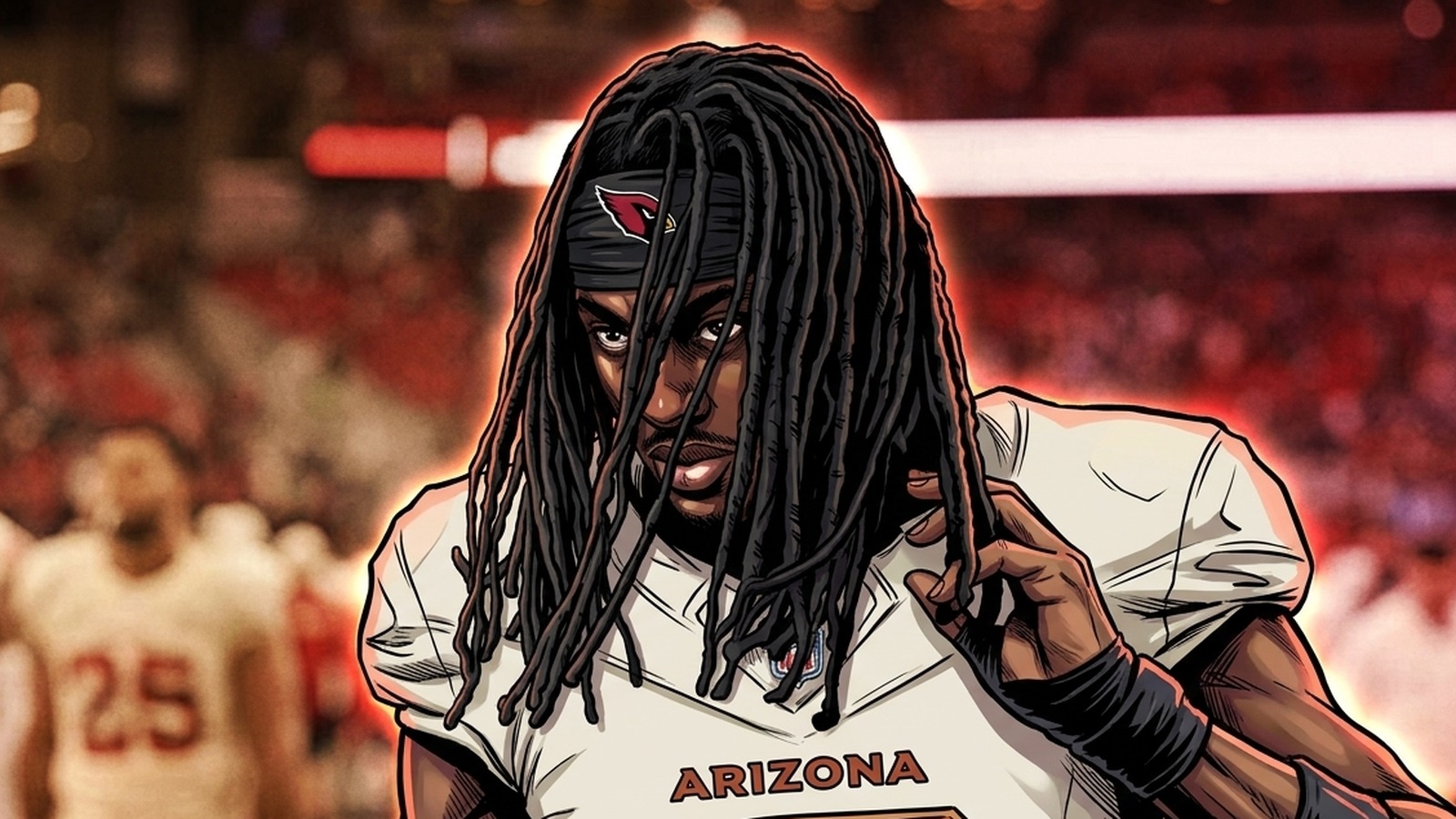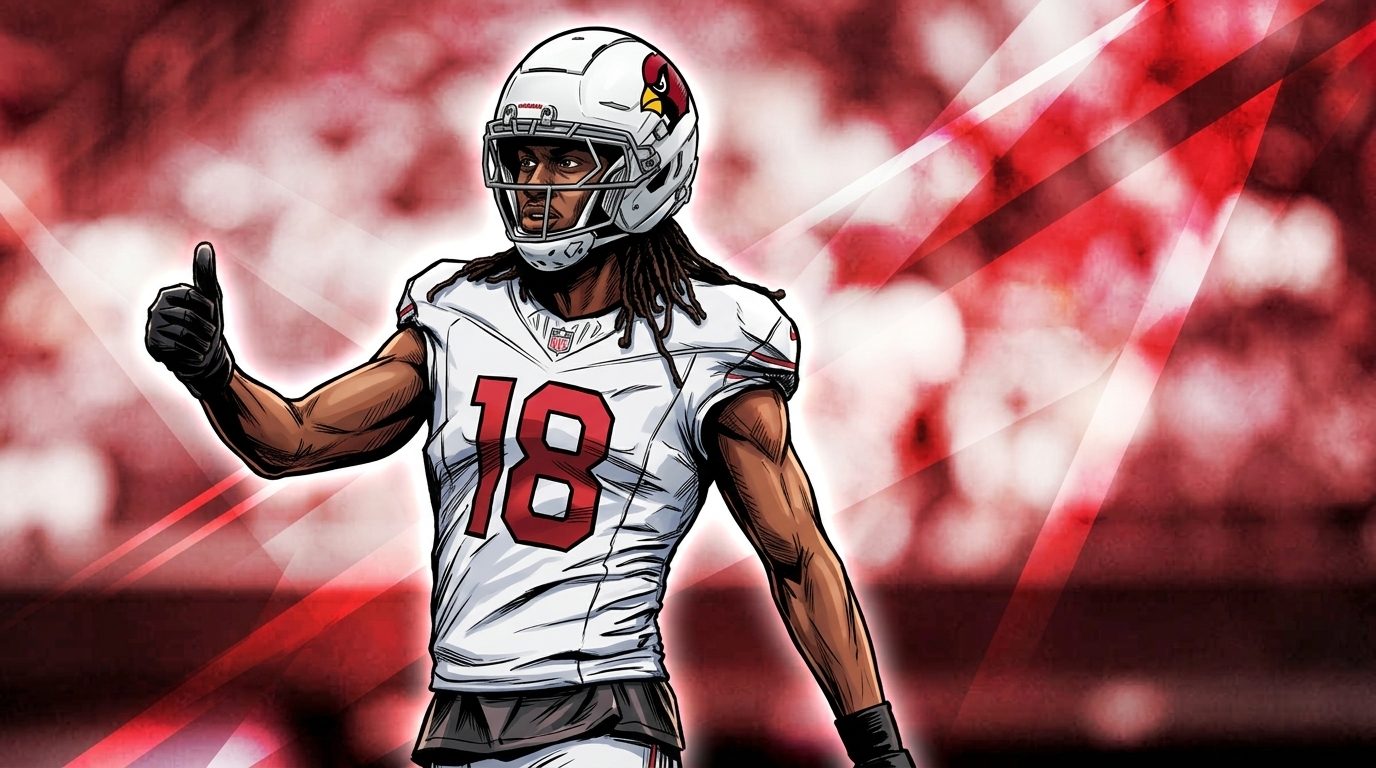

We’ve seen front offices shop disappointing former first-round picks before. We have not seen one do it this publicly, this slowly, and with this little to show for it. The Arizona Cardinals are trying to trade Marvin Harrison Jr., the receiver they took fourth overall in 2024, and as of this weekend they still don’t have a team willing to say yes on the record.
None of that is surprising on its own. Teams bail on disappointing top-ten picks constantly. Ask any fan base about a receiver its franchise drafted in the last fifteen years and watch the eye-roll. (This isn’t hyperbole. Go find one who doesn’t have a story.) What’s different here is the sequencing. Arizona is negotiating this Marvin Harrison Jr. trade in full view of the league, four rejections deep, with no destination lined up, and that’s a far more damaging position than any single team passing on the deal would be. A front office that shops its presumptive cornerstone this visibly, and still can’t close, tells the other 31 teams everything they need to know about its leverage. There isn’t any left.
The on-field case for patience was real, for a while. Harrison’s rookie season held up: 62 catches, 885 yards, eight touchdowns in 2024, solid volume given how unsettled Arizona’s passing game already was. Then 2025 fell apart under injury: 41 catches, 608 yards, four scores. This year has been worse by rate: five catches on 12 targets through four games, 85 yards, one touchdown, including a one-catch, 12-yard, one-score line last week against the Giants that read more like a courtesy target than a featured role. He’s inactive Sunday against Detroit while the trade gets finalized. Call it roughly two and a half years since the draft — not the instant bust some are treating it as, but nowhere close to the pick Arizona thought it was making.
Four teams have already passed, and the list isn’t subtle. The Colts are out, reportedly put off by Arizona’s asking price and by the complicating fact that Harrison’s father, a Colts Hall of Famer, makes that particular homecoming more loaded than it’s worth. The Browns ruled themselves out just as flatly. Beat reporter Nick Pedone’s denial reads like a man tired of fielding the same question. The Chiefs were never seriously in it. And the Eagles are out too, per PHNX Sports: not among the teams exploring a deal, despite plenty of speculation lumping them in with the suitors.
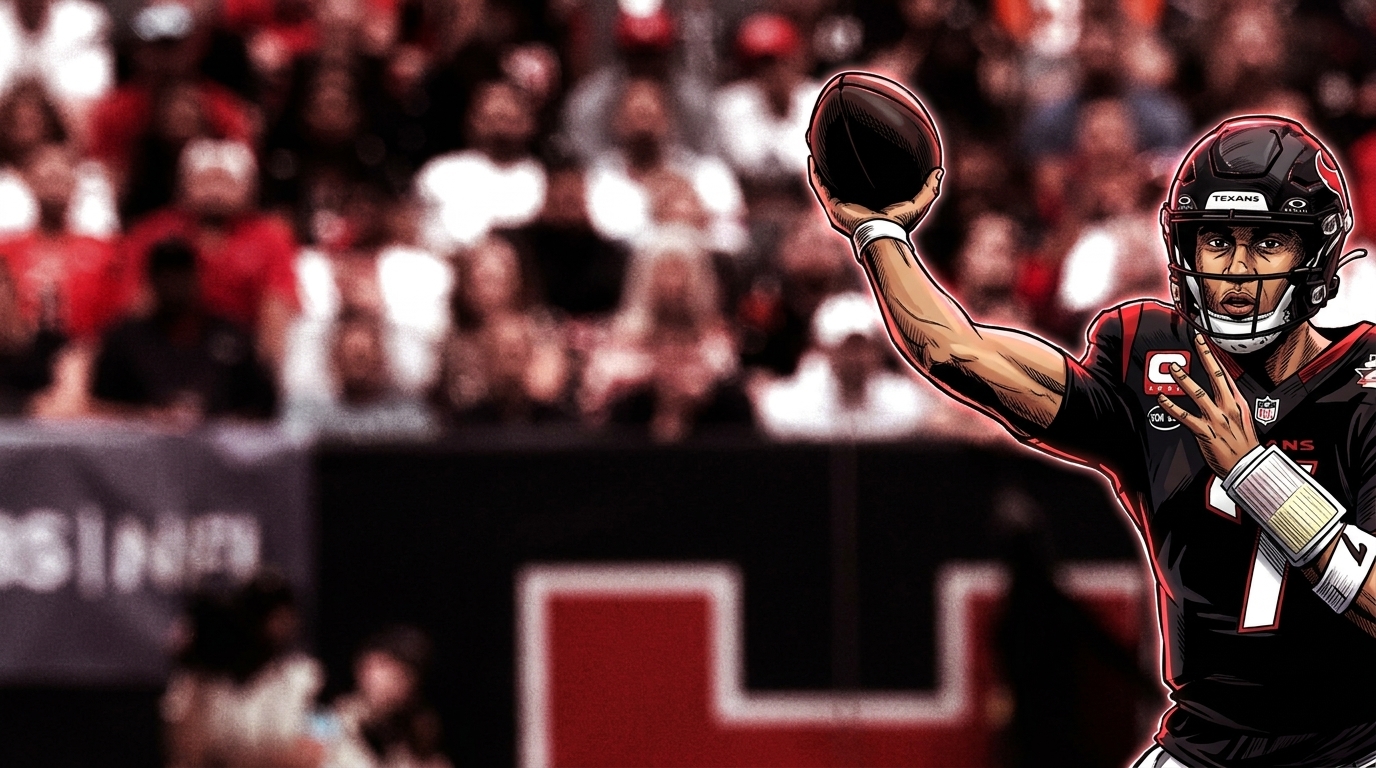
The speculation has mostly centered on Houston, where a reunion with Ohio State quarterback C.J. Stroud writes itself as a storyline. Nothing there is confirmed. What is reported is a gap that sounds trivial until you remember how draft capital actually works: Houston has offered a 2028 second-round pick, Arizona wants the 2027 version instead — same round, one year apart, and apparently enough to stall two front offices with a track record of getting deals done. Texans GM Nick Caserio and Cardinals GM Monti Ossenfort already made one trade together, the Will Anderson deal back in 2023. That history is the best argument this eventually closes. It is not evidence it closes with Houston, or that it closes soon.
Arizona’s own ask has shrunk as the market has answered back. The Cardinals wanted a first-round pick when this started. They’re reportedly down to a second-rounder plus additional mid-round compensation now, a real discount for a player taken one spot below the first overall pick. Every week this drags, the price slides further, which is its own answer to the question of who is trading for Marvin Harrison Jr.: right now, nobody appears to be in a hurry to find out.
Both sides reportedly prefer the destination stay unannounced until this weekend’s games wrap, per Jordan Schultz, which made it almost inevitable that Adam Schefter and Ian Rapoport would report Saturday that the trade was “finalizing” without naming who it’s finalizing with. (Breaking news that names no destination isn’t breaking news. It’s a teaser trailer.) I spent three years compiling research notes for television analysts who never once credited the work, so I have opinions about which reporters actually do the homework and which ones just post first. This was closer to the second kind.
https://twitter.com/SleeperNFL/status/2108996951379513783
The man running this negotiation is himself not exactly secure in the job. Draft analyst Kyle Odegard has called GM Monti Ossenfort almost certainly a dead man walking heading into next season, with a firing plausible before Halloween. (The Cardinals already fired their head coach this year and kept the general manager who built the roster that coach couldn’t win with. Make of that organizational logic what you will.) Only weeks ago, Ossenfort told a local radio show that Harrison was “focused 100% on trying to get better, helping our team creating explosive plays, putting points on the board” and a “big part of what we’re doing.” That quote aged the way these quotes always age.
Cardinals Ring of Honor member Adrian Wilson said the quiet part out loud, posting that he hates “what’s happening to the @AZCardinals right now” and adding that he has more to say but doesn’t want to burn bridges.
https://twitter.com/adrian_wilson24/status/2108950108590985596
Plenty of fans have stopped being that careful, aiming blame at Ossenfort and owner Michael Bidwill in roughly equal measure. Harrison himself, asked directly about the chaos, said he’s “only focused on Detroit, helping the Cardinals win football games at the moment” — the answer every traded player gives, whether or not it’s true. Reaction from outside Arizona has mostly treated the saga as entertainment rather than cautionary tale, other fan bases pulling up chairs for a show that isn’t theirs.
https://twitter.com/BearsShowYo/status/2108936993535119537
Here’s where I land on it. Four rejections and a still-empty destination field isn’t a team driving a hard bargain. It’s a team that waited too long to admit a top-five pick didn’t work, and is now paying for that delay in full view of the league it has to keep doing business with. A bad return on a trade is a one-time cost. A public negotiation that visibly struggles to find a partner is a credibility cost that outlasts the transaction itself. The next time Arizona calls a rival GM about a different player, that GM remembers exactly how this one went. I think that’s the real price of running the Marvin Harrison Jr. trade this way, more than whatever pick eventually lands in return.
Watch for two things from here. If Houston’s one-year pick gap closes (Arizona drops to 2028, or Houston bridges up to 2027), expect a quiet announcement timed well after Sunday, exactly as Schultz described both sides wanting it. If it doesn’t close this week, this stops being a trade story and becomes a roster-management problem: an inactive, disgruntled former top-five pick sitting on Arizona’s bench with no market, attached to a front office that can’t afford to look any weaker than it already does.